

How to Lose Weight? It’s a tough question with many different answers, but Intermittent fasting may be able to help you achieve the body, health and performance that you seek. While it used to be reserved for only elite bodybuilders and fitness models, Intermittent Fasting provides untapped performance and health benefits (and yes, aesthetic perks, too!) that are making it gain serious traction among mainstream athletes.
But as with any new fitness ‘trend’, Intermittent Fasting is still a hot topic of debate:
- ‘Won’t it hurt my performance?’
- ‘Don’t I need to fuel up first thing in the morning?’
- ‘Is it even…healthy?’
While the finer details are beyond the scope of this one article, let’s learn the basics, clear up the confusion, and discover if Intermittent Fasting is right for you.
WHAT IS INTERMITTENT FASTING?
Before we dive in, let’s address the elephant in the room… Intermittent Fasting has a disgustingly horrible name, for what’s really a simple concept. If I had to guess what it was, purely from the name, I’d say it sounds like starving yourself off-and-on for who knows how long.
Agonizing, right?
‘Good news! Intermittent Fasting is simple: Keep your meals to an 8-hour window during the day, and you’re golden.’
This puts you in a ‘fed state’ for 8 hours and a ‘fasted state’ for 16 hours, hence the name.
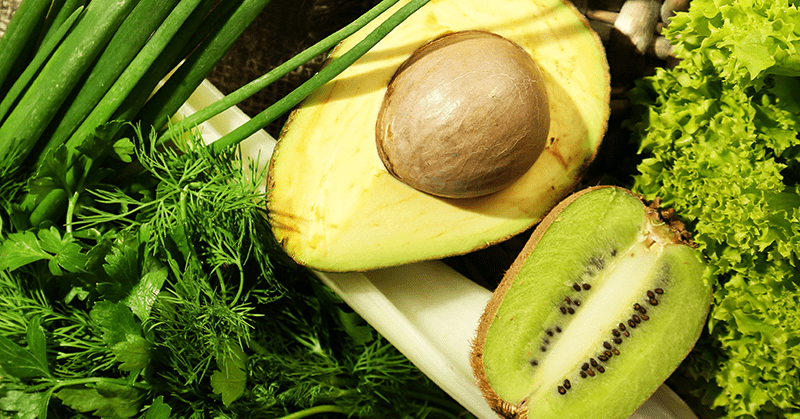
intermittent fasting requires healthy, wholesome foods
For women, 10 hours in the ‘fed state’ and 14 hours in the ‘fasted state’ is ideal to begin with. From a hormonal perspective, ladies tend to see a slight increase in irritability and food cravings when they hop right to 16 hours of fasting, so starting with a 14-hour fast, and then shifting over to 16 is your best bet for a smooth transition.
WHAT ARE THE BENEFITS OF INTERMITTENT FASTING?
I won’t get too far into the weeds in this post, but the benefits include added convenience, lower blood sugar levels, increased insulin sensitivity – and did I mention, lower body fat percentages?
Eating 5-6 small meals a day is pretty much the norm amongst Crossfitters, due to claims that it’ll keep blood sugar in check, but a careful look shows that having more frequent meals actually elevates your baseline blood sugar levels ¹. Higher blood sugar levels lead to insulin resistance and glucose intolerance as well. By allowing you to eat fewer (and yes, larger) meals in a shorter time span, Intermittent Fasting keeps blood glucose, insulin intolerance, and glucose resistance all in check.
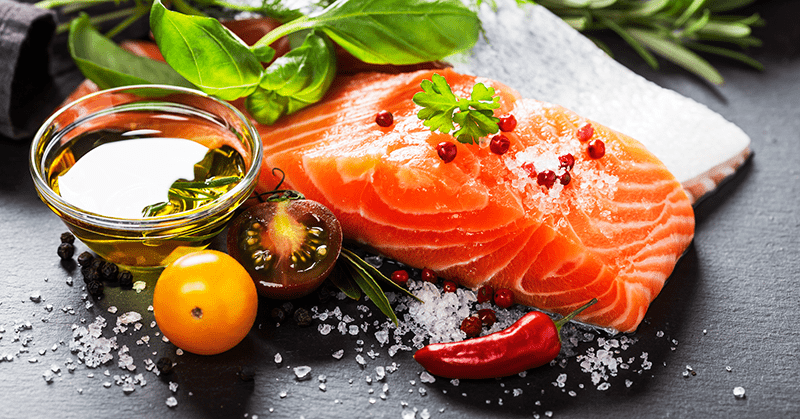
Make your meals bigger, but in a shortened time window
But it gets better…
Increased insulin sensitivity also means increased leptin sensitivity. Leptin is the signal that tells our brains we’re full, and our bodies to stop storing fat, so we want to be sensitive to it– the sooner our bodies hear that leptin signal, the sooner we’ll put the fork down. Increased leptin sensitivity (and thus, lower body fat levels) is yet another benefit of Intermittent Fasting.
Not to mention, eating all 3 meals in an 8-10 hour span increases your satiety, meaning it’ll be a lot easier for you to put down that extra cookie!
Now that you’ve got the basics of Intermittent Fasting down, let’s get to the good part.
AS A CROSSFITTER, IS INTERMITTENT FASTING RIGHT FOR YOU?
The short answer: probably.
The easiest and most common way to get started (and the way that’ll produce the most benefits) is by simply skipping breakfast. Sounds sacrilegious, right? Even a little scary?
I get it.
We’ve all heard that ‘breakfast is the most important meal of the day’ and it seems to be a consensus among the fitness community. Let’s be real, though: When you’re swamped, miss your alarm, or you’re working off last night’s food baby, breakfast is the first thing to go.
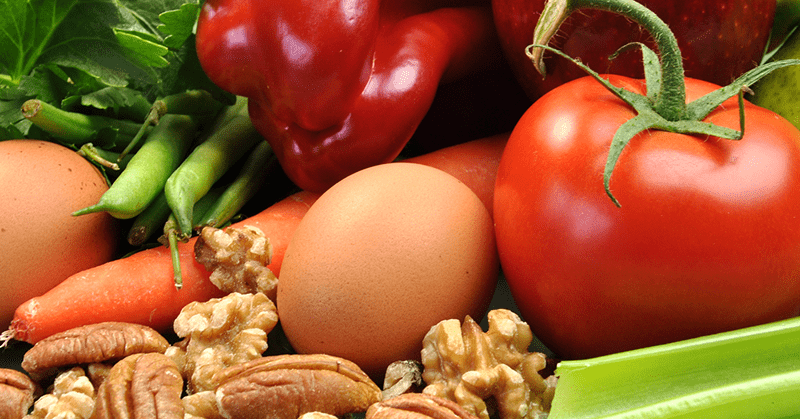
intermittent fasting works best with healthy, natural foods
But more and more people are actually making it a habit. And if you work out early like I do, you might have already nixed it from your morning routine. If that sounds like you, then Intermittent Fasting might be your new best friend. Either way, let’s dive in and see how Intermittent Fasting can work with (and even streamline) your day-to-day schedule:
IF YOU WORK OUT IN THE MORNING:
You’re an early riser, and you’ve got limited time before your busy day starts. You’re likely choking down some form of ‘breakfast’, pre-workout. Whether it’s a sports gel, a protein shake, or a banana, odds are, pounding down food at this hour before a gut-wrenching workout is not your stomach’s idea of ‘fun’.
Good news: Intermittent Fasting is most effective when you skip breakfast! Instead, sip down a glass of water and 10g BCAA. Immediately post-workout, refuel with 10g BCAA and repeat every few hours as needed until lunch time when your feeding window begins….
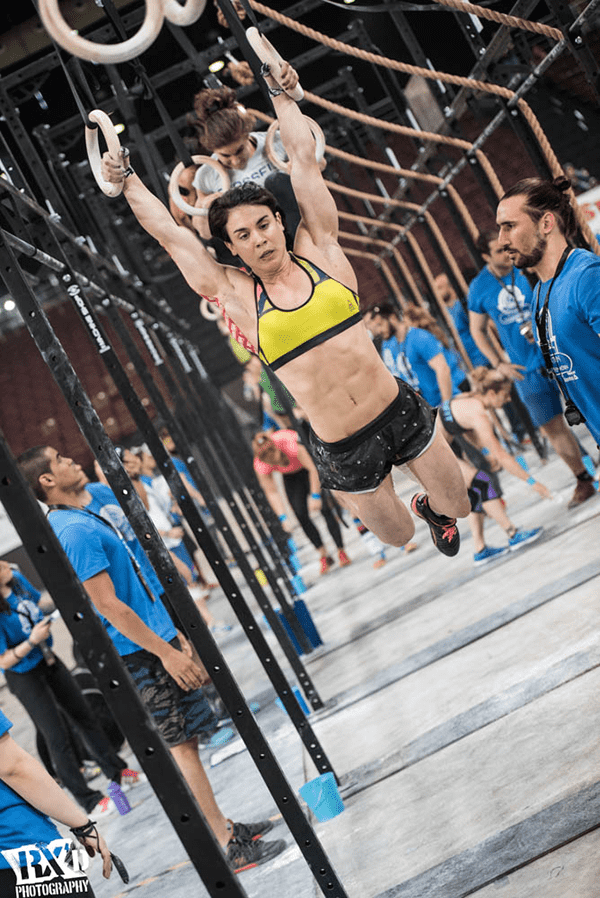
nutrition and diethave a huge influence on performance
IF YOU WORK OUT IN THE MIDDLE OF THE DAY:
Middle-of-the-day workouts are sweet magic for I.F. Crossfitters, because you’ll get to break the fast with your largest meal of the day: the post-workout refeed.
Fuel up pre-workout with 10 BCAA, and after your workout, pair 10g BCAA with your post-workout feast. Don’t be afraid to throw in a few bites of your favorite dessert, too (even if you’re watching what you eat).
IF YOU WORK OUT IN THE AFTERNOONS / EVENINGS:
You’ve likely already had a meal or two by the time you hit the pavement. Depending on your schedule and preferences, break the fast around 12-2, and schedule your largest meal for right after you exercise.
If you’re eating lunch before your workout, break the fast with a high-protein meal to keep you on your feet. If you’ve already got a groove going on about what sits best with your stomach, don’t feel like you need to change it up! Leave your third and final meal to be slightly smaller than the other two.
REST DAYS:
You do take them, right?
On a rest day, simply break the fast around 12-2 (or whenever you typically do), swapping in extra protein in your first meal for a slight reduction in carbs later in the day. Keep your feeding window the same as the other days, and you’re all set to become an Intermittent Fasting fiend!
How to lose weight fast – By knowing what and what not to eat, you will maximize your efforts trying to lose fat. Calorie balance is an essential aspect of this understanding.
HOW TO LOSE WEIGHT FAST – UNDERSTANDING CALORIE BALANCE
Calorie balance is the ratio between calories taken in and calories expended in any one individual at any given time. This is the MOST IMPORTANT factor when it comes to changing your weight. What you actually need on a daily basis will be individual to you based on your age, lifestyle and fitness habits.
There are 3 states of calorie balance:
- Negative calorie balance (hypocaloric diet)
- Calorie balance (eucaloric diet)
- Positive Calorie balance (hypercaloric diet)

It is impossible to be in more than one of these states at any one time.
- A negative calorie balance will always result in weight loss. “Even though body water alterations may occasionally mask this loss of tissue, it is always going to occur, with ZERO exceptions so far discovered.”
- A eucalorie balance means that the athlete will not gain or lose weight because they expend as many calories as they consume.
- A positive calorie balance means that the individual is consuming more calories than they are using.
EATING THE RIGHT MACRO NUTRIENTS
The second most important aspect is making sure that you are eating the correct amount of macronutrients that your body needs. Macronutrients consist of:
- Protein (4 calories per gram)
- Fat (9 calories per gram)
- Carbohydrates (4 calories per gram)
There is technically a 4th, alcohol, but I’m not going into that one specifically. However if you drink alcohol, you should know that 1 gram of alcohol has 7 calories and they do count. They just won’t build muscle.
The seven tips below will guide you on your way to proper nutrition and efficient weight loss.
How to Lose Weight – Cut Sugars and Starches
The most crucial part to cut off in your diet when trying to lose weight is carbohydrates (starches). To give you a little bit of a background, insulin is responsible for storing your fat. Insulin-release is also stimulated when you eat too much sugar that comes from starch or carbohydrates.
The more sugar you eat, the more your body releases insulin, and the more it stores fat. But when insulin goes down, you don’t give your body a lot of chance to store up on fat, making it burn more to fuel your body instead.
Another benefit of lowered your insulin level is that it allows your kidneys to do what they are supposed to do – and that is to get rid of excess sodium and water in your body. Excess sodium causes you to bloat up and store the water as weight exces. As soon as you get rid of carbohydrates on the first few weeks of your diet, you will notice you are losing more weight than expected.

Nutrition for performance
2. Eat Vegetables, Complex Carbohydrates, Healthy Fats and Protein
Taking away many of the more commonly understood sources of carbohydrates (pasta, white rice, bread etc) does not mean you can’t have them anymore. Carbohydrates from vegetables sources can provide the recommended range of 20 to 50 grams per day. You can get your daily requirements of carbohydrates through eating vegetables like cauliflower, broccoli, brussels sprouts, cabbage, and swiss chard for example. Sweet potato is an excellent source of carbohydrate as well.
Healthy protein sources can be found in tofu, beef, chicken, turkey, eggs, lamb Fish (also rich in omega 3 – an important antioxidant needed by your body). Aside from that, eating proteins and healthy fats is a must. Healthy fats can be obtained by including fish oil, avocado, olive oil, peanut oil and alike.
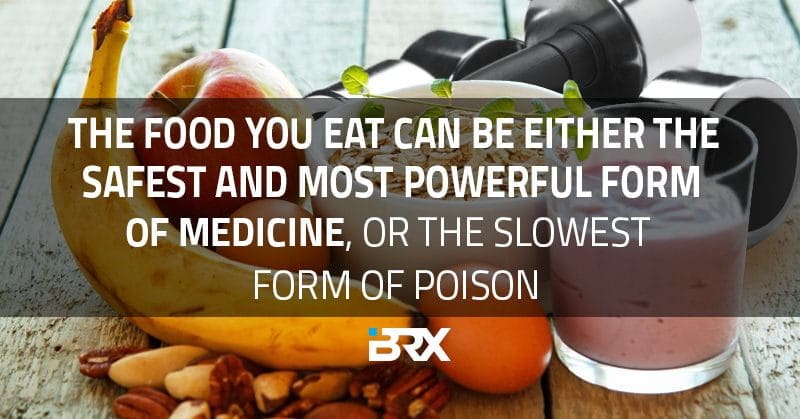
By constructing your daily meal in these components, you help better boost your metabolism. The best part about eating these kinds of healthy fats is it doesn’t raise the risk of you getting any kind of heart disease.
Choose wisely
3. Add Strength Work into your Training
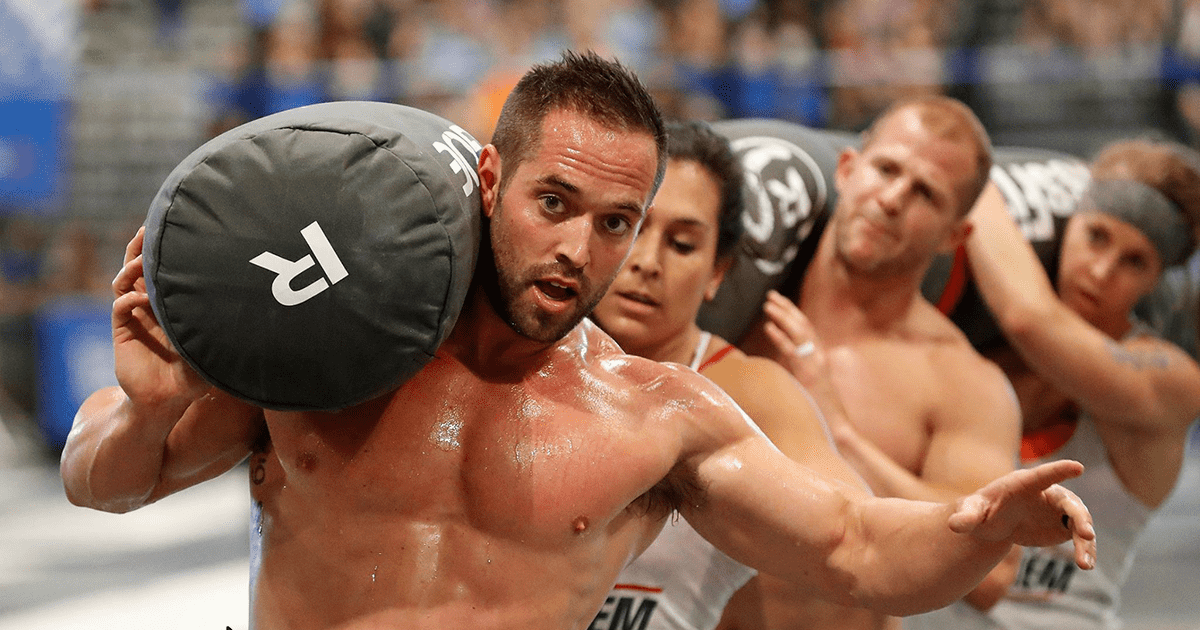
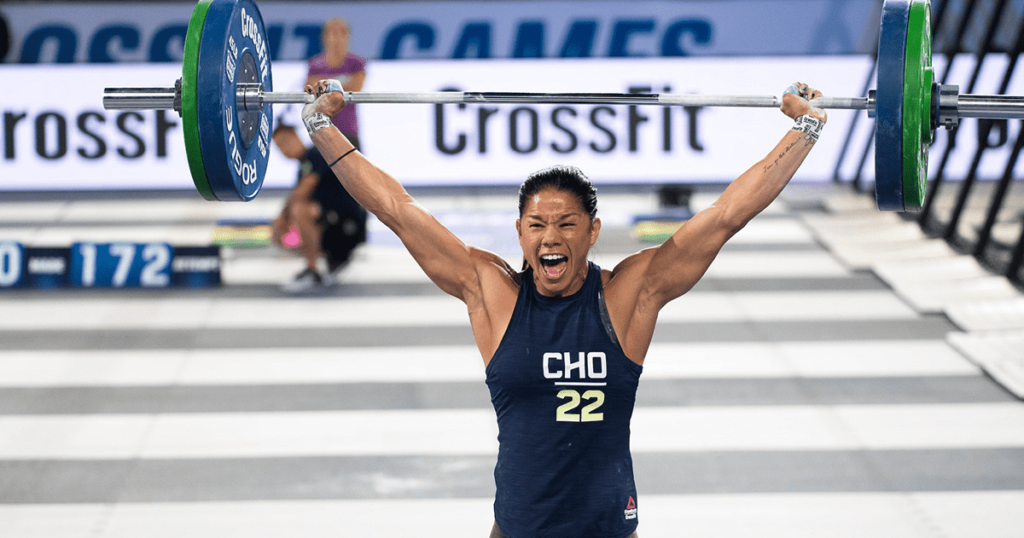
Yes, it’s possible for you to lose weight without exercise, but getting your body active is always recommended for better results. Going to the Box at least 3 times a week to warm up, stretch out and lift some weights is beneficial in speeding up your weight loss. Lifting weights allows you to burn more calories and increase muscle mass when done properly.
Remember, muscle metabolism takes up a lot of calories. When done right, you will most likely gain weight because of the gained muscle mass, but lose fat because your body had converted it to supply the energy it requires for using your muscles. It is also essential that you replenish your body and recover properly after training.
4 Steps to Efficient Recovery After Crossfit Training
4. How to Lose Weight – Make Time for A Cheat Meal
Deprivation is usually the cause why so many people falter on their weight loss journey. Allow yourself to indulge at least once a week.
But just because you’re allowed a cheat meal doesn’t mean you can eat as much as you can. Pick a reasonable size portion and eat the food that you’ve been fantasizing about. This will help you to stay on track and maintain discipline the rest of the time.
Overdoing it will cause you to fall behind on the results you want to achieve. This is the time you can eat something unhealthy, but make sure you do it to satisfy your taste buds and not your appetite.
5. How to Lose Weight – Control Portions and Calories
Without proper nutrition knowledge, calorie counting will be both exhausting and somewhat useless. The truth about it is calorie counting becomes unnecessary when you stick to the protein – healthy fat – low carb vegetables plan.
Sticking to that diet alone tells you that you’re already hitting the kind of nutrition you need in order to lose weight. But if you still want to count your calories to make sure you’re sticking to the plan, by all means, go right ahead.
Using a calorie counter or a calorie calculator is the best option if you’re not into keeping a food journal.
Learn how to track your Macros here.

6. How to Lose Weight – Drink Plenty Of Water
Always remember that your body needs the proper hydration to make sure that all metabolic processes are working like a well-oiled machine. Water can make you feel fuller, help you reduce cravings, and hydrate your cells and skin. Water is also a great way to help flush down the excess sodium in the body.
Remember when we said too much insulin can stock up on sodium? Well, as soon as you cut back on your simple carbs, and lower down your insulin, your body is going to need the right hydration to help eliminate the excess salt that’s causing you to keep your water weight. So, drink up like there’s no tomorrow!
7. How to Lose Weight – Sleep Properly
The body regenerates cell repair faster while you’re sleeping. If you think your exercise routine has gotten you feeling completely sore, a good night’s rest will help heal the torn tissues caused by working out. You can also relieve pain by bathing in warm water. Every movement in the body causes wear-and-tear, so if you want to naturally get rid of the pain, sleeping will help hasten the healing. Many top CrossFit Games Athletes sleep 8 – 10 hours a night.
Back to Beginner’s Guide Overview
Source ¹ Holmstrup, Michael E., et al. “Effect of meal frequency on glucose and insulin excursions over the course of a day.” Clinical Nutrition ESPEN 5.6 pp e277–e280. Dec. 2010. Web.
Featured Image © Nero at RX’d Photography
Muscle Up Image © Nero at RX’d Photography