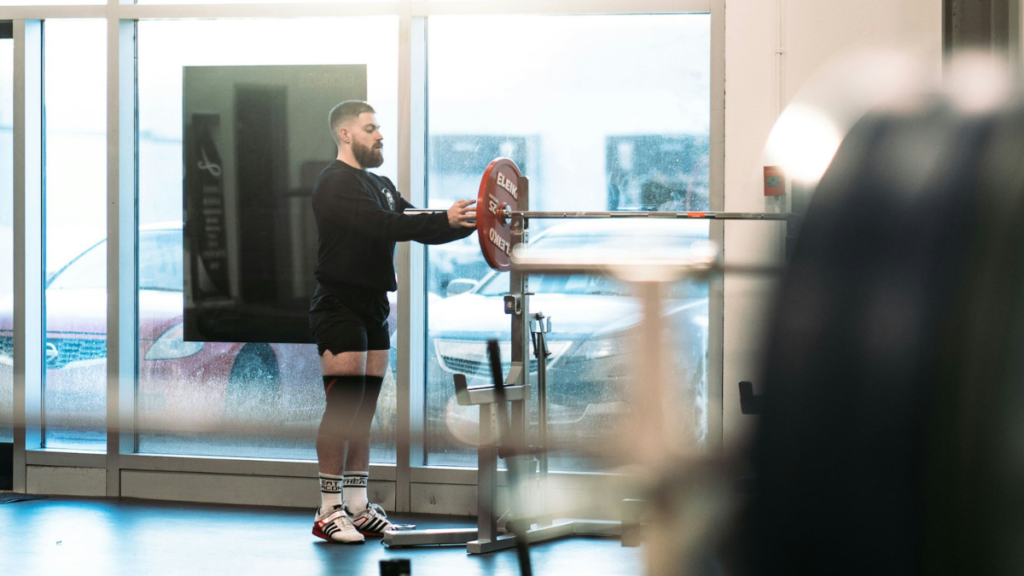


German Volume Training has a simple and seductive promise: pick a big lift, do 10 sets of 10 reps, and force your body to grow. It is one of the best known high volume bodybuilding methods, yet its reputation often runs ahead of the evidence. The method can be productive for the right lifter, but the classic version is not automatically the fastest or smartest route to more muscle.
The real question is not whether 10 sets of 10 feels brutal. It certainly does. The question is whether that amount of work improves muscle growth enough to justify the fatigue, the time, and the possible drop in exercise quality. This guide explains what German Volume Training is, what research says about training volume, and who is most likely to benefit from it.


What Is German Volume Training?
German Volume Training, often called GVT, is usually built around 10 sets of 10 repetitions for one major compound exercise. A lifter might use the back squat for legs, the bench press for chest, or a row for the upper back. The load is commonly light enough to allow the early sets to feel manageable, often around 50 to 60 percent of one repetition maximum. Rest periods are traditionally kept consistent and fairly short, usually around 60 to 90 seconds.
After the main lift, the workout may include a smaller amount of assistance work. Many versions use two or three training sessions per week, with each muscle group trained hard but given several days to recover. The appeal is obvious: the plan is clear, measurable, and hard enough to feel like serious bodybuilding work.
Muscle growth is driven in large part by repeated high tension contractions performed close enough to muscular failure to challenge the muscle. Total weekly hard sets are one useful way to organize that stimulus. GVT supplies a great deal of work in one exercise, but it also concentrates that work into a demanding single session. That distinction matters because productive volume is not merely a contest to accumulate the largest possible number of repetitions.
Why German Volume Training Can Build Muscle
It Delivers a Large Dose of Challenging Work
Resistance training research consistently shows that completing multiple sets produces more muscle growth than completing only one set. Reviews also suggest that, on average, higher weekly training volumes can produce greater hypertrophy than very low volumes. A 10 by 10 session gives a muscle substantial exposure to loaded movement and can therefore provide a meaningful growth stimulus, particularly for a lifter who previously trained with very little volume.
Is the T Bar Row the Perfect Exercise to Bulletproof Your Back?
The early sets also create useful practice with the main lift. Repeating a squat, press, or row with controlled technique can improve coordination and help a newer lifter become more comfortable producing force through the full range of motion. Provided the weight is appropriate and technique remains solid, the program creates a simple progression target: complete all the prescribed work with the same rest periods, then make a small load increase in a later workout.
It Creates Metabolic Stress and Local Fatigue
Sets of moderate repetitions performed with limited rest create a strong local muscular challenge. As the sets progress, the target muscles accumulate fatigue and the final repetitions become much more demanding than the weight alone would suggest. This is one reason GVT feels so effective. It asks the muscles to continue producing force when recovery between sets is incomplete.
That feeling is not proof by itself that more growth will occur, but it can help ensure that a moderate load becomes a difficult set. The key is that repetitions must still be controlled and useful. If the rest period is so short that technique breaks down or the range of motion shrinks dramatically, a large amount of the recorded work may stop being high quality training volume.
It Can Be a Motivating Short Term Challenge
A highly structured plan can improve consistency. Rather than guessing how much to do, you know the exercise, the sets, the reps, and the rest interval before you start. For an intermediate lifter who enjoys clear targets, a short GVT block can add variety after months of conventional training. Novelty is not magic, but it can make training engaging enough to improve effort and adherence.
The Limits of the Classic 10 Sets of 10 Method
More Volume Is Not Always Better Volume
The relationship between training volume and hypertrophy is not limitless. Studies and reviews indicate that additional sets can help, but the benefit tends to become smaller as volume rises, while fatigue and recovery demands keep increasing. This means the first few hard sets for a muscle in a session are often more productive than the final few sets performed when performance has already declined.
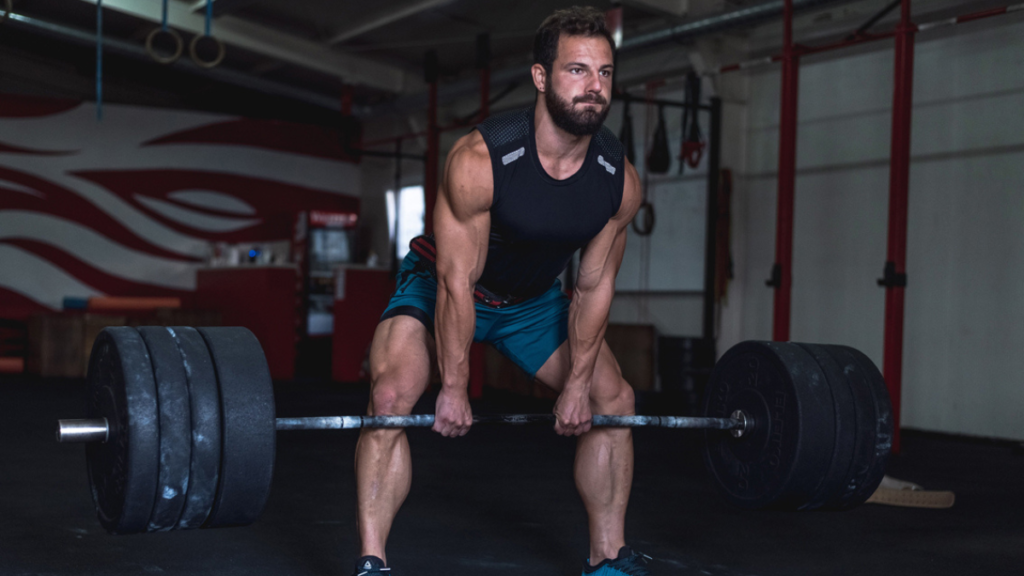
One controlled study directly compared a 10 set approach with a lower volume approach in resistance trained men. The higher volume protocol did not produce superior improvements in muscle thickness or strength over the study period. This does not prove that 10 sets can never work. It does show that simply adding more sets to a workout is not a guaranteed upgrade, especially when the extra work compromises performance or recovery.
For most people, the useful goal is enough hard work to progress, rather than the maximum amount of work they can survive. If you gain strength, add repetitions, maintain good technique, and recover for the next workout, you are probably in a productive range. If loads stall, joints ache, sleep worsens, and every session feels weaker, more volume is unlikely to solve the problem.
The Main Exercise Can Become Too Fatiguing
Ten sets of squats, deadlifts, or heavy barbell presses can be more demanding on the whole body than 10 sets of a machine exercise. Squats require substantial coordination and loading through the trunk and hips. Deadlifts can create high systemic fatigue and make it difficult to train well later in the week. Pressing volume may irritate shoulders or elbows when the lifter lacks the mobility, control, or conditioning to tolerate it.
This is why the classic format needs adaptation. A leg press, hack squat, machine chest press, dumbbell press, cable row, or pulldown may be a more sensible 10 by 10 choice for many recreational lifters. These exercises can still challenge the target muscle while making it easier to keep technique consistent as fatigue builds. The best movement is not the one with the most intimidating reputation. It is the one you can load, control, and recover from.
It Is Not an Ideal Strength Program
GVT can improve strength in beginners because almost any organized resistance training can do that. However, the usual load and repetition range are not designed to maximize one repetition maximum strength. Strength gains are partly specific to the loads and skills you practice. Lifters whose main target is a bigger squat, bench press, or deadlift will usually benefit from regular exposure to heavier, lower repetition work as well.
The 10 by 10 method can fit into a muscle building phase, but it should not replace the practice needed for a strength sport. It is better viewed as a hypertrophy tool than as a complete long term performance plan.
Who Should Try German Volume Training?
GVT is most appropriate for healthy intermediate lifters who already understand exercise technique, can judge effort honestly, and have enough time to recover. It may also appeal to people who currently perform very low training volume and want a focused block that encourages them to take muscle building seriously. A short block of four to six weeks is usually plenty before you reassess performance, soreness, motivation, and joint comfort.
Beginners should be cautious. They can build muscle with far fewer hard sets while learning movement skills and establishing a sustainable habit. Very high volume is not required to make excellent early progress. Advanced lifters should also be selective, because they often need to distribute volume intelligently across the week instead of exhausting one movement pattern in a single workout.
People with a history of shoulder, elbow, knee, or back problems should choose exercises carefully and seek individualized guidance when needed. Pain is not a required part of effective training. A demanding muscle sensation is normal, but sharp pain, altered movement, or symptoms that persist after training are signals to stop and reassess.
How to Make GVT More Effective
Choose a Conservative Starting Load
Start lighter than your ego wants. The first few sets should feel controlled, because the challenge compounds later. Use a load that allows every rep to follow the same path and reach the intended range of motion. If you fail very early in the session, the load is too heavy or the rest period is too short for the prescribed work.
You do not need to reach absolute failure on every set. Training close to failure can be useful for hypertrophy, but repeated failure also increases fatigue. Leave a small margin on the early sets, then allow the final sets to become genuinely difficult while preserving form. Record the load, completed repetitions, rest interval, and perceived effort so that you can make an informed decision next time.
Spread the Stress Across the Week
Rather than using 10 by 10 for several big barbell lifts in the same session, select one main GVT movement and keep the remaining work modest. If the main lift is a squat pattern, follow it with hamstring, calf, or core work that does not turn the session into a recovery disaster. Allow at least 48 hours before training the same muscle hard again, then adjust based on actual recovery rather than an inflexible calendar rule.

Weekly volume can be distributed across more than one session without harming hypertrophy when the total work is similar. This is often a better fit for busy athletes because it protects exercise quality and makes each workout less punishing. Two sessions of five hard sets can be easier to recover from than one session of 10 hard sets, while still delivering substantial weekly work.
Progress Only When Quality Is There
The simplest progression method is to keep the same load until you can complete all 100 repetitions with stable technique and the planned rest periods. Then make a small increase at the next session. If you cannot complete 10 reps on later sets, it is reasonable to finish the total work with short, controlled clusters, but do not turn every set into chaotic grinding.
After four to six weeks, reduce the volume for a week or return to a more conventional program. This is not because GVT is inherently dangerous. It is because training plans should respond to results. A block that has stopped producing stronger lifts, better repetitions, or visible progress has done its job and can be replaced.
A Practical Verdict
German Volume Training is not the perfect muscle building program for everyone, because no single template can account for your training age, recovery, exercise preferences, and goals. Its strength is simplicity. It gives you a large, measurable dose of work and can make a focused hypertrophy phase feel fresh and purposeful.
Its weakness is that the classic 10 sets of 10 prescription can confuse effort with effectiveness. More sets are only useful when they remain hard, technically sound, and recoverable. For many lifters, a moderate number of demanding sets performed across the week will produce similar or better muscle building results with less disruption to strength and recovery.
If you enjoy the challenge, use GVT as a short experiment. Pick a joint friendly movement, start conservatively, keep form strict, and monitor whether performance improves from week to week. If you want the most reliable long term plan, prioritize progressive overload, sufficient weekly hard sets, good nutrition, and recovery. Those principles matter far more than forcing every workout into 10 sets of 10.
References
- American College of Sports Medicine (2009) ‘American College of Sports Medicine position stand: Progression models in resistance training for healthy adults’, Medicine & Science in Sports & Exercise, 41(3), pp. 687 to 708.
- Amirthalingam, T., Mavros, Y., Wilson, G.C., Clarke, J.L., Mitchell, L. and Hackett, D.A. (2017) ‘Effects of a modified German volume training program on muscular hypertrophy and strength’, Journal of Strength and Conditioning Research, 31(11), pp. 3109 to 3119.
- Krieger, J.W. (2010) ‘Single versus multiple sets of resistance exercise for muscle hypertrophy: A meta analysis’, Journal of Strength and Conditioning Research, 24(4), pp. 1150 to 1159.
- Ralston, G.W., Kilgore, L., Wyatt, F.B. and Buchan, D. (2017) ‘The effect of weekly set volume on strength gain: A meta analysis’, Sports Medicine, 47(12), pp. 2585 to 2601.
- Schoenfeld, B.J., Ogborn, D. and Krieger, J.W. (2017) ‘Dose response relationship between weekly resistance training volume and increases in muscle mass: A systematic review and meta analysis’, Journal of Sports Sciences, 35(11), pp. 1073 to 1082.
- Schoenfeld, B.J., Ogborn, D. and Krieger, J.W. (2016) ‘Effects of resistance training frequency on measures of muscle hypertrophy: A systematic review and meta analysis’, Sports Medicine, 46(11), pp. 1689 to 1697.
Key Takeaways
| Point | What it means for you |
|---|---|
| GVT uses 10 sets of 10 | It is a high volume method built around one main exercise. |
| It can build muscle | The method can provide a strong hypertrophy stimulus when the sets are challenging and recoverable. |
| More is not automatically better | Ten sets do not consistently outperform a lower, well managed volume of quality work. |
| Exercise choice matters | Machines, dumbbells, and supported movements may be more sustainable than maximal barbell lifts. |
| Best use | Treat it as a focused four to six week block, then reassess progress and recovery. |