Which one is right for you?
First, what does “belly fat” mean?
Belly fat can refer to fat just under the skin, which you can pinch, or visceral fat, which sits deeper in the abdomen around internal organs. Waist measurements can change as both types of fat change, but a tape measure cannot show exactly how much of each type you have.
Both aerobic exercise and resistance training can reduce abdominal fat. In studies measuring visceral fat with scans, aerobic exercise has generally shown a stronger effect than resistance training alone. That does not mean strength training cannot help, or that every person will get the same result. Responses vary, and studies use different training plans and participants.

Does running reduce belly fat faster?
Running is a form of aerobic exercise. It raises your heart rate and uses energy during the workout, so it can contribute to the energy deficit needed for fat loss. On average, trials find that more weekly aerobic exercise is associated with greater reductions in body weight, waist circumference, and body fat among adults with overweight or obesity. A large review of randomized trials found that at least 150 minutes per week at moderate or greater intensity was associated with meaningful reductions in waist size and body fat.

A head to head exercise trial compared aerobic training, resistance training, and a combination of the two in adults with overweight or obesity. The aerobic group lost more fat mass than the resistance only group. Aerobic training also reduced visceral and total abdominal fat more than resistance training in a related analysis of the trial. The combined group did not clearly outperform aerobic exercise alone on every fat measure.
These findings support aerobic exercise as a time efficient choice when the main aim is to lower body weight or abdominal fat. They do not prove that running is always better than every form of strength training. The trials usually examine aerobic exercise as a category, and the exact activities, intensity, and weekly volume vary. Running can be a practical way to do aerobic exercise, but brisk walking, cycling, swimming, and other sustained activities can also count.
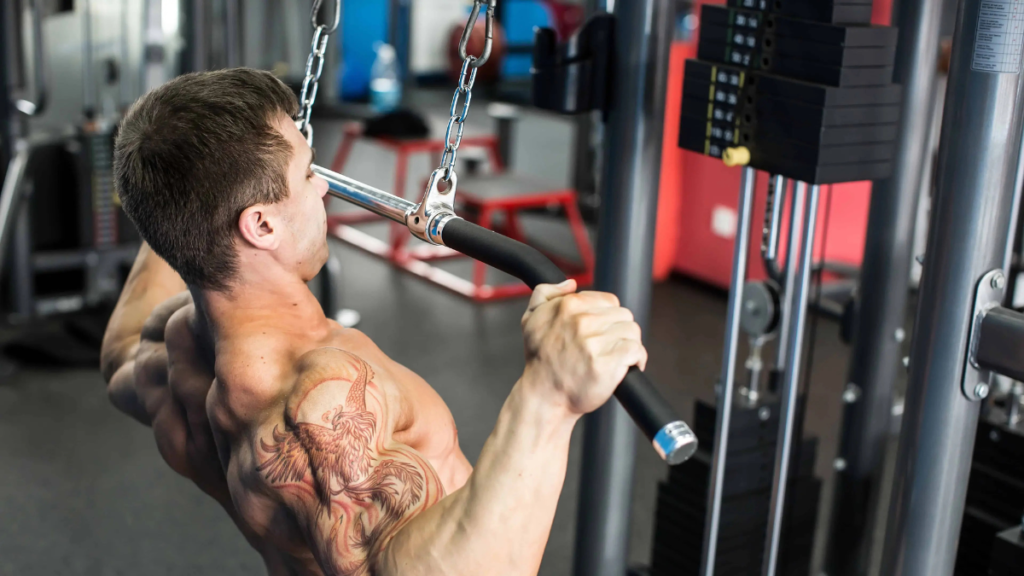
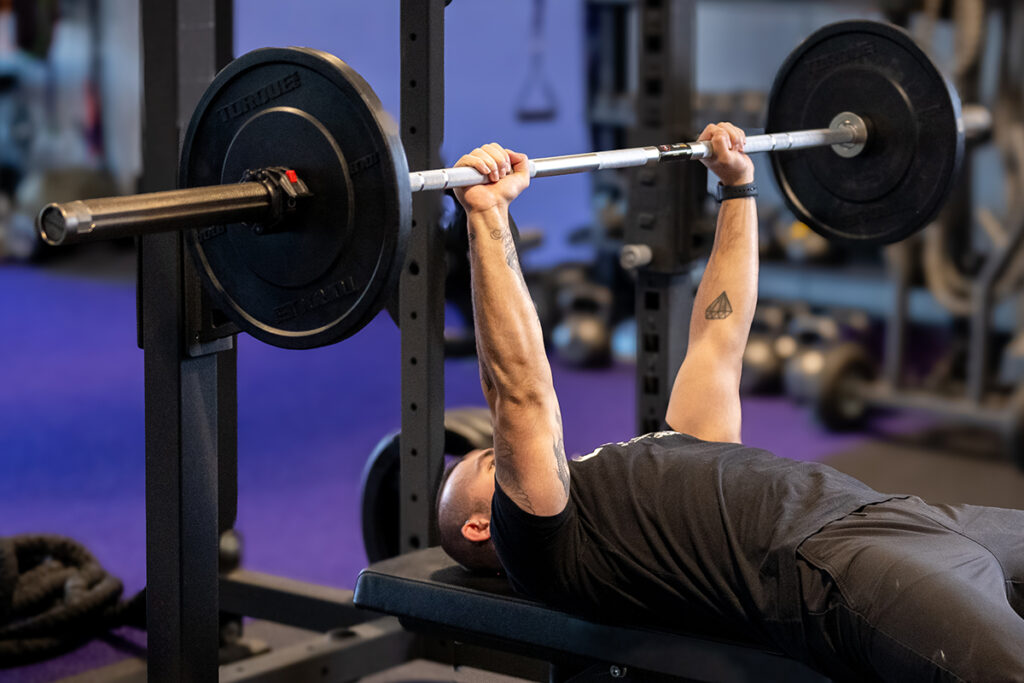
What does strength training do for fat loss?
Strength training may not move the scale as much as aerobic exercise when done on its own, but it offers a different advantage. During weight loss, resistance exercise helps protect fat free mass, which includes muscle and other nonfat tissue. A recent review of trials in people losing weight through dietary changes found that adding resistance exercise reduced the loss of fat free mass and improved strength. It also increased fat loss compared with diet alone, even though the difference in total body weight was small.
That matters because losing weight is not just about making the number on the scale smaller. Keeping more muscle can help you retain strength and function as your body weight changes. Resistance training also builds strength over time, an outcome running alone does not target in the same way.
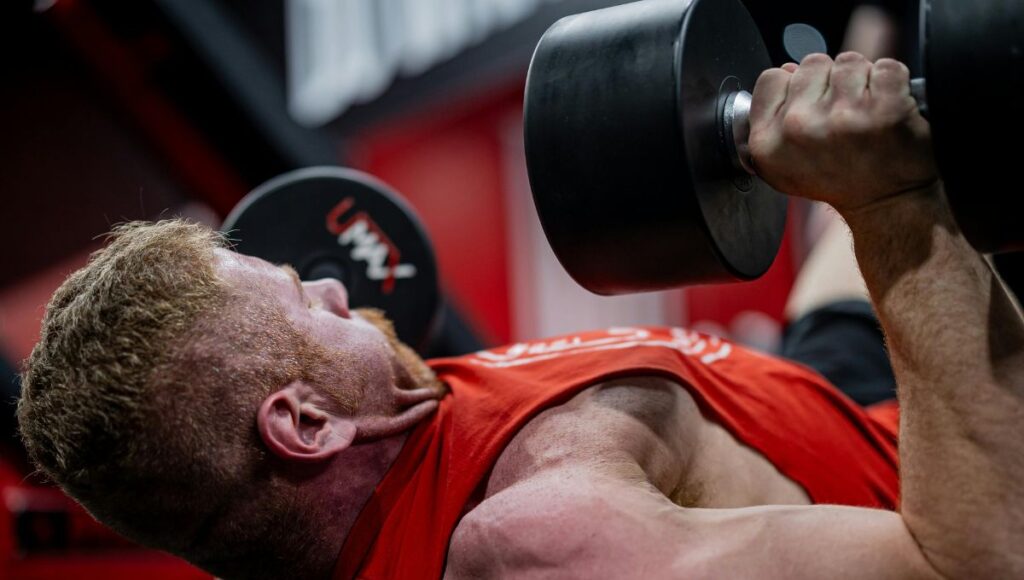
3 Massive Benefits of Hammer Curls for Beginners that Want Bigger Arms
Strength training can reduce abdominal fat too. A review of randomized trials found that aerobic exercise, resistance training, and combined training all reduced subcutaneous abdominal fat compared with inactive control groups. The average reduction varied between types of exercise, and direct comparisons did not show a clear difference between aerobic and resistance training for this fat depot.
Can you target fat around your stomach?
Doing crunches can strengthen your abdominal muscles, but that does not guarantee that the fat over them will disappear first. Fat loss generally changes across the body, and where it comes off fastest varies from person to person.
One small randomized trial found more trunk fat loss in a group doing abdominal endurance exercise alongside treadmill running than in a group doing treadmill running alone. The study included only 16 men and used a specific, closely matched exercise plan. It is an interesting result, but it is too small and narrow to show that common ab exercises reliably target belly fat for everyone.
It is more useful to think of core exercises as a way to train the muscles of your trunk. They can be part of a strength program, but they are not a replacement for a plan that creates overall fat loss.
Which matters more: exercise or food?
Exercise helps, but the total pattern of eating and activity matters. Fat loss requires your body to use more energy than it takes in over time. Exercise can contribute to that gap, while food choices affect how much energy you consume. The balance is not perfectly predictable: people can respond to exercise by eating more or moving less at other times, which can reduce the expected change in weight.

This is one reason a workout plan can feel effective in training but produce slower changes on the scale than expected. It does not mean exercise is pointless. Aerobic training can reduce waist and fat measurements, and strength training can help preserve muscle during weight loss. Pairing a realistic eating plan with training you can maintain gives you more ways to support progress.
So, which should you choose?
If you can only choose one type of exercise and your main goal is to reduce body weight and belly fat, aerobic exercise such as running has the stronger average evidence. If your main concern is maintaining strength and muscle during weight loss, strength training should be part of your plan.
For many people, combining both is a practical option. Aerobic exercise provides regular movement that can support fat loss, while resistance training works on strength and muscle retention. You do not need to make every workout long or intense. Start with an amount you can recover from and repeat, then build up gradually.
Running is not a requirement. If it is uncomfortable, hard to fit into your week, or likely to aggravate an existing injury, choose another aerobic activity. The most effective plan in everyday life is one you can keep doing while managing your food intake, recovery, and other commitments.
Key takeaways
| Focus | What the evidence suggests |
|---|---|
| Reducing body weight and waist size | Aerobic exercise such as running has a stronger average effect. |
| Preserving muscle and strength | Resistance training helps during weight loss. |
| Abdominal fat | Both aerobic and resistance training can reduce it. |
| Choosing a routine | Combine both if practical, and choose activities you can sustain. |
| Ab exercises | They strengthen the core, but do not reliably remove belly fat on their own. |
References
- Brobakken, M.F., Krogsæter, I., Helgerud, J., Wang, E. and Hoff, J. (2023) ‘Abdominal aerobic endurance exercise reveals spot reduction exists: A randomized controlled trial’, Physiological Reports, 11(22), e15853.
- Chen, X., He, H., Xie, K., Zhang, L. and Cao, C. (2024) ‘Effects of various exercise types on visceral adipose tissue in individuals with overweight and obesity: A systematic review and network meta-analysis of 84 randomized controlled trials’, Obesity Reviews, 25(3), e13666.
- Ismail, I., Keating, S.E., Baker, M.K. and Johnson, N.A. (2012) ‘A systematic review and meta-analysis of the effect of aerobic vs. resistance exercise training on visceral fat’, Obesity Reviews, 13(1), pp. 68–91.
- Jayedi, A., Soltani, S., Emadi, A., Zargar, M.-S. and Najafi, A. (2024) ‘Aerobic exercise and weight loss in adults: A systematic review and dose-response meta-analysis’, JAMA Network Open, 7(12), e2452185.
- Recchia, F., Leung, C.K., Yu, A.P., Leung, W., Yu, D.J., Fong, D.Y., Montero, D., Lee, C.-H., Wong, S.H.S. and Siu, P.M. (2023) ‘Dose-response effects of exercise and caloric restriction on visceral adiposity in overweight and obese adults: A systematic review and meta-analysis of randomised controlled trials’, British Journal of Sports Medicine, 57(16), pp. 1035–1041.
- Slentz, C.A., Aiken, L.B., Houmard, J.A., Bales, C.W., Johnson, J.L., Tanner, C.J., Duscha, B.D. and Kraus, W.E. (2005) ‘Inactivity, exercise, and visceral fat. STRRIDE: A randomized, controlled study of exercise intensity and amount’, Journal of Applied Physiology, 99(4), pp. 1613–1618.
- Slentz, C.A., Bateman, L.A., Willis, L.H., Shields, A.T., Tanner, C.J., Piner, L.W., Hawk, V.H., Muehlbauer, M.J., Samsa, G.P., Nelson, R.C., Huffman, K.M., Bales, C.W., Houmard, J.A. and Kraus, W.E. (2011) ‘Effects of aerobic vs. resistance training on visceral and liver fat stores, liver enzymes, and insulin resistance by HOMA in overweight adults from STRRIDE AT/RT’, American Journal of Physiology Endocrinology and Metabolism, 301(5), pp. E1033–E1039.
- Willis, L.H., Slentz, C.A., Bateman, L.A., Shields, A.T., Piner, L.W., Bales, C.W., Houmard, J.A. and Kraus, W.E. (2012) ‘Effects of aerobic and/or resistance training on body mass and fat mass in overweight or obese adults’, Journal of Applied Physiology, 113(12), pp. 1831–1837.
- Yarizadeh, H., Eftekhar, R., Anjom-Shoae, J., Speakman, J.R. and Djafarian, K. (2021) ‘The effect of aerobic and resistance training and combined exercise modalities on subcutaneous abdominal fat: A systematic review and meta-analysis of randomized clinical trials’, Advances in Nutrition, 12(1), pp. 179–196.