

For years, 10,000 steps per day has been treated like the gold standard for health. Fitness trackers celebrate it. Workplace wellness programs promote it. Social media influencers swear by it. But where did the number actually come from?
Surprisingly, the famous 10,000 step target did not originate from a scientific discovery. It started as a Japanese marketing campaign in the 1960s for a pedometer called the “Manpo kei,” which roughly translates to “10,000 step meter.” Over time, the idea spread across the globe and became accepted as a universal health recommendation. The problem is that human health is far more complicated than a single number on your smartwatch.


Walking is excellent for you. That is not up for debate. Regular walking improves cardiovascular health, lowers the risk of chronic disease, supports mental health, and helps maintain body weight. But recent research shows that you do not necessarily need 10,000 steps to see meaningful health benefits. In fact, depending on your goals, focusing only on steps may distract you from more effective ways to improve your fitness and long term health.
If you are tired of chasing an arbitrary daily step count, there are better options available. Science now points toward more flexible, more effective, and often more realistic alternatives. Here are three evidence based strategies that may work even better than obsessing over 10,000 steps every day.
Why the 10,000 Step Goal Is Not the Full Story
Before exploring alternatives, it helps to understand why the 10,000 step concept has limitations.
The biggest issue is that step count measures quantity, not quality. Someone can slowly shuffle through 10,000 steps during a full day of inactivity and still have poor cardiovascular fitness. Another person may only accumulate 6,000 steps but include vigorous exercise, strength training, and high intensity movement that dramatically improves health markers. Research increasingly shows that intensity, consistency, and overall physical activity patterns matter more than hitting one fixed number.
A large study published in JAMA Internal Medicine found that mortality risk decreased significantly at around 7,500 steps per day for older women, with benefits leveling off beyond that point. The researchers did not find additional major health gains from pushing to 10,000 steps.

Other studies have shown meaningful improvements in health with even lower daily step counts, especially among sedentary people who are increasing movement from a very low baseline. This does not mean steps are useless. They are an easy way to monitor activity and encourage movement. But they should be viewed as one tool rather than the ultimate measure of health.
Alternative #1: Focus on Minutes of Moderate to Vigorous Activity
Instead of counting steps, one of the best science backed alternatives is tracking how much moderate to vigorous physical activity you complete each week. This approach is actually what major health organizations recommend.
The World Health Organization and the American College of Sports Medicine suggest adults aim for at least 150 to 300 minutes of moderate intensity aerobic activity per week, or 75 to 150 minutes of vigorous intensity activity per week, plus at least two strength training sessions weekly. This recommendation is supported by decades of research linking aerobic activity to lower risk of heart disease, diabetes, obesity, stroke, depression, and early death.
Why Intensity Matters More Than Step Count
Not all movement creates the same physiological response. Moderate to vigorous activity challenges the cardiovascular system. It increases heart rate, improves oxygen delivery, strengthens the heart muscle, and enhances metabolic health.
A leisurely stroll certainly has benefits, but brisk walking, cycling, swimming, running, rowing, or circuit training generally produce larger fitness adaptations in less time. For example, 30 minutes of brisk walking can provide more cardiovascular benefit than accumulating thousands of slow casual steps spread throughout the day.
Researchers often measure activity intensity using METs, which stands for metabolic equivalents. Moderate intensity exercise usually falls between 3 and 6 METs, while vigorous exercise exceeds 6 METs.
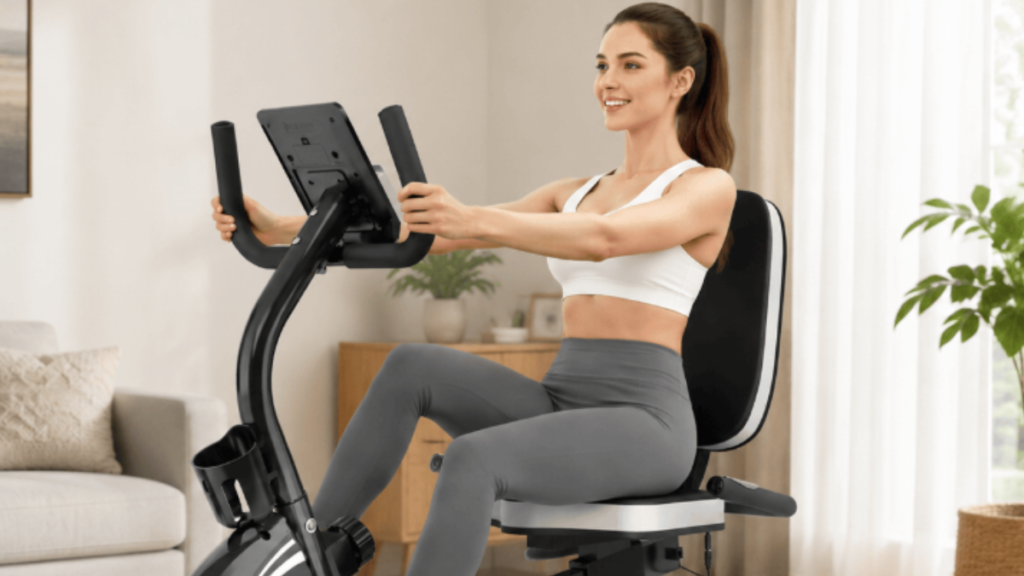
Activities that typically count as moderate intensity include brisk walking, hiking, cycling at a casual pace, dancing, and recreational sports. Activities that count as vigorous intensity include running, fast cycling, high intensity interval training, competitive sports, and swimming laps. The key difference is that these activities substantially elevate breathing and heart rate.
The Cardiovascular Fitness Connection
Cardiorespiratory fitness is one of the strongest predictors of long term health and longevity.
Research published in JAMA Network Open found that higher levels of cardiorespiratory fitness were associated with dramatically lower mortality risk. In some analyses, fitness level predicted survival better than traditional risk factors such as smoking, diabetes, or hypertension. This matters because you can technically hit 10,000 steps without significantly improving cardiovascular fitness.
A person walking slowly while shopping, pacing around the office, or moving casually at home may accumulate plenty of steps but spend very little time challenging the cardiovascular system. On the other hand, a 45 minute bike ride or interval workout can substantially improve aerobic fitness even if total daily steps remain relatively low.
A More Flexible Way to Exercise
Tracking activity minutes also offers more flexibility than step counting. You do not need to force yourself into extra evening walks just to satisfy your watch. Instead, you can choose activities you genuinely enjoy.
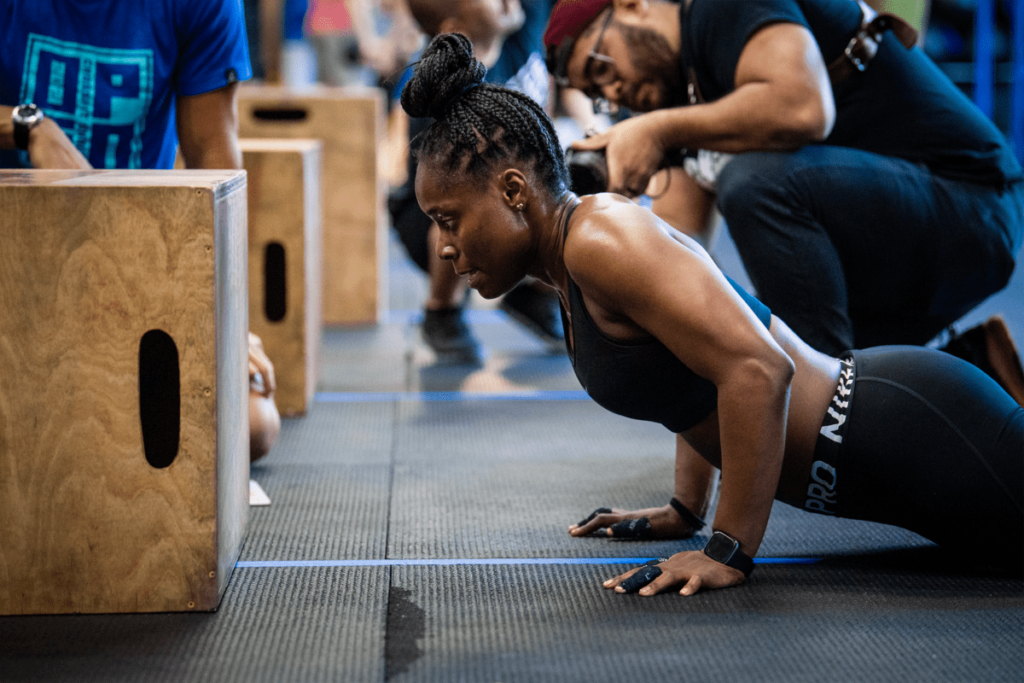
That could include swimming, martial arts, tennis, CrossFit, hiking, dance classes, rowing, circuit training, or cycling. This flexibility often improves long term adherence, which is one of the most important factors in exercise success. The best exercise plan is the one you can sustain consistently for years.
How to Apply This Approach
Instead of obsessing over daily steps, try focusing on weekly movement targets. A simple structure could include 30 minutes of brisk walking five days per week, two strength training sessions, and one longer recreational activity on weekends.

That combination can provide major health benefits even if your daily step count never reaches 10,000.
Alternative #2: Prioritize Strength Training and Muscle Mass
One major flaw of the 10,000 step mindset is that it completely ignores muscular strength. Strength training is one of the most powerful tools for improving health, physical function, body composition, and longevity. Yet many people spend hours chasing steps while neglecting resistance exercise entirely. That is a mistake.
Muscle Is Metabolically Protective
Muscle tissue does much more than help you look athletic. Skeletal muscle plays a major role in blood sugar regulation, insulin sensitivity, metabolic health, joint stability, bone density, injury prevention, and physical independence during aging. Loss of muscle mass is associated with increased risk of frailty, falls, disability, and chronic disease.
Research consistently shows that resistance training improves insulin sensitivity and glucose control, making it particularly important for preventing type 2 diabetes. Strength training also helps preserve lean mass during weight loss, which supports long term metabolic health.
Strength and Longevity
Several studies have found that muscular strength is strongly associated with lower mortality risk.
- Grip strength alone is considered such a powerful marker of health that some researchers describe it as a “biomarker of aging.”
- A large review published in the British Journal of Sports Medicine found that resistance training was associated with lower risk of all cause mortality, cardiovascular disease, cancer, and diabetes.
- Importantly, these benefits appeared even in people who did not perform high amounts of aerobic exercise.
This highlights a critical point: you cannot walk your way out of weak muscles.
Why Walking Alone Is Not Enough
Walking is excellent low intensity movement, but it provides minimal resistance stimulus for most healthy adults. Without resistance training, people gradually lose muscle mass as they age. This process, known as sarcopenia, can begin as early as your 30s and accelerates later in life.
Strength training helps counteract this decline. You do not need to become a powerlifter to benefit either. Even two or three weekly sessions using basic compound exercises can create substantial improvements in strength and health.
The Best Types of Strength Training
Effective resistance training can include free weights, machines, bodyweight exercises, resistance bands, kettlebells, and functional training circuits. The most effective programs typically emphasize compound movements such as squats, deadlifts, push ups, pull ups, rows, lunges, and presses.

These exercises train multiple muscle groups simultaneously and improve overall functional fitness.
Strength Training and Fat Loss
Many people chase 10,000 steps primarily for weight management. While walking burns calories, resistance training provides unique advantages for body composition.
Strength training helps preserve muscle during calorie restriction, improve resting metabolic rate, enhance insulin sensitivity, and support long term weight maintenance. Studies show that combining resistance training with aerobic exercise produces better body composition outcomes than cardio alone.
This is particularly important because losing weight without preserving muscle can reduce metabolic rate and increase the likelihood of weight regain.
A Practical Weekly Strength Plan
A simple beginner routine could include one upper body focused day and one lower body focused day each week, with exercises such as squats, push ups, rows, lunges, presses, and core work. Two to three sessions weekly can dramatically improve strength, mobility, and overall health.
You may end up with fewer steps than before, but your body composition and fitness could improve substantially.
Alternative #3: Use “Movement Snacks” Throughout the Day
If the idea of formal workouts feels intimidating, movement snacks may be the most realistic alternative to the 10,000 step rule. Movement snacks are short bursts of physical activity performed throughout the day.
Instead of relying on one large workout or a massive step total, you spread movement across your daily routine. This strategy is gaining serious attention in exercise science because it is practical, accessible, and surprisingly effective.
What Counts as a Movement Snack?
Movement snacks are brief activity sessions lasting anywhere from 30 seconds to 10 minutes.

Examples include climbing stairs, doing bodyweight squats, carrying groceries, walking briskly around the block, performing push ups, jump rope intervals, desk mobility routines, short cycling sessions, and quick kettlebell circuits. The idea is simple: interrupt long periods of sitting with meaningful movement.
Why Sitting Too Much Is Harmful
One reason the 10,000 step goal can be misleading is that it does not fully address sedentary behavior. A person can technically achieve 10,000 steps and still spend most of the day sitting. Research shows prolonged sitting is independently associated with higher risk of cardiovascular disease, obesity, type 2 diabetes, certain cancers, and early mortality.
Even among people who exercise regularly, excessive sitting may negatively affect health. Movement snacks help counter this issue by keeping the body active throughout the day.
The Science Behind Short Bursts of Exercise
Recent studies suggest small amounts of vigorous activity accumulated throughout the day can provide major health benefits. One study published in Nature Medicine found that very short bursts of vigorous intermittent lifestyle physical activity were associated with lower risk of cancer and mortality in non exercisers.
Researchers observed benefits from activity sessions lasting just one or two minutes. Another area of research focuses on “exercise snacks,” where individuals perform several short bouts of exercise before meals. Studies suggest this may improve blood sugar control and metabolic health. This approach can be especially helpful for people with desk jobs who struggle to find time for longer workouts.
Easy Ways to Add Movement Snacks
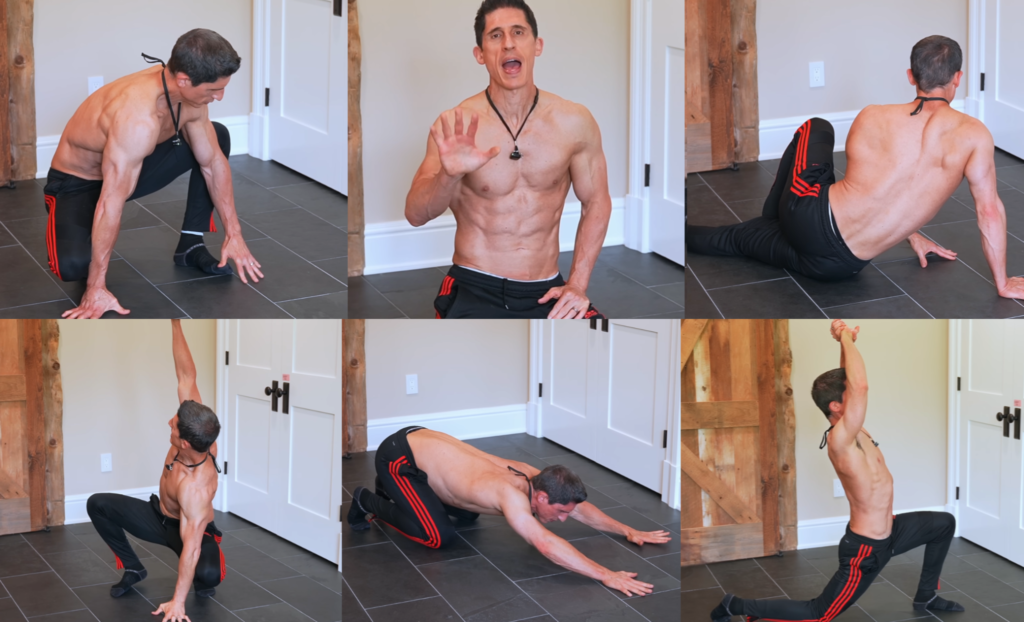
At home, movement snacks could include squats during television commercials, push ups before showering, stair climbs between tasks, or quick mobility flows in the morning. At work, they could include walking meetings, standing phone calls, desk stretches every hour, or short stair intervals during breaks.
Outdoors, they might involve brisk five minute walks, carrying heavy groceries, park workouts, or short cycling trips instead of driving. The goal is not to chase exhaustion. It is to normalize frequent movement.
The Mental Health Benefits
Movement snacks may also improve mental well being. Short activity breaks can reduce stress, improve mood, and increase cognitive performance. Some studies show even brief walks improve creativity and mental clarity.
This matters because many people feel mentally drained by rigid fitness goals. The pressure to hit 10,000 steps every single day can turn movement into a chore. Movement snacks encourage a more flexible and sustainable relationship with exercise.
Should You Stop Counting Steps Entirely?
Not necessarily. Step tracking can still be useful.
For beginners, step goals often increase awareness of physical activity and encourage less sedentary behavior. Walking remains one of the safest, most accessible forms of exercise available. The problem arises when people treat 10,000 steps as the only thing that matters. In reality, health is multidimensional.
Someone who walks 12,000 slow steps daily but never strength trains, rarely elevates heart rate, and spends most of the day sitting may not be healthier than someone who strength trains three times weekly, cycles twice weekly, takes short walks throughout the day, and accumulates only 6,000 steps daily. The context matters.
A Better Way to Think About Movement
Instead of asking, “Did I hit 10,000 steps?” ask questions like whether you challenged your cardiovascular system, maintained strength, reduced sedentary time, moved consistently, and felt physically energized. This broader perspective aligns far more closely with modern exercise science.
The Best Fitness Strategy Is the One You Can Sustain
One of the biggest predictors of long term success is adherence.
- The “perfect” workout plan is useless if you hate it.
- Some people genuinely enjoy long walks and benefit enormously from step goals. Others feel trapped by them.
- If chasing steps feels mentally exhausting or physically repetitive, it may be time to expand your definition of fitness.
- You do not need to worship an arbitrary number to become healthier.
Science supports many pathways toward better health, including moderate to vigorous exercise, strength training, frequent daily movement, recreational sports, active hobbies, mobility work, and functional fitness. The most effective routine is usually the one that combines enjoyment, consistency, and progressive challenge.
Final Thoughts
The 10,000 step concept is not useless, but it is incomplete. Walking absolutely supports health, especially for sedentary individuals. But modern research shows there are more effective ways to improve cardiovascular fitness, build strength, support metabolism, and increase longevity.
If you are tired of structuring your life around an arbitrary step target, consider these three evidence based alternatives:
- Focus on weekly minutes of moderate to vigorous activity.
- Prioritize strength training and muscle mass.
- Incorporate movement snacks throughout the day.
You may discover that your body feels stronger, your workouts feel more purposeful, and your relationship with exercise becomes far more sustainable. Fitness should improve your life, not turn into another box to check on your smartwatch.
Key Takeaways
| Strategy | Main Benefit | Why It May Beat 10K Steps |
|---|---|---|
| Moderate to vigorous activity | Improves cardiovascular fitness | Intensity matters more than total step count |
| Strength training | Builds muscle and metabolic health | Walking alone does not preserve muscle mass effectively |
| Movement snacks | Reduces sedentary time | Frequent movement throughout the day supports overall health |
Bibliography
• American College of Sports Medicine (2021) ACSM’s Guidelines for Exercise Testing and Prescription. 11th ed. Philadelphia: Wolters Kluwer.
• Biswas, A., Oh, P.I., Faulkner, G.E., Bajaj, R.R., Silver, M.A., Mitchell, M.S. and Alter, D.A. (2015) ‘Sedentary time and its association with risk for disease incidence, mortality, and hospitalization in adults: a systematic review and meta analysis’, Annals of Internal Medicine, 162(2), pp. 123 to 132.
• Ekelund, U., Tarp, J., Steene Johannessen, J., Hansen, B.H., Jefferis, B., Fagerland, M.W. and Dalene, K.E. (2020) ‘Dose response associations between accelerometry measured physical activity and sedentary time and all cause mortality: systematic review and harmonised meta analysis’, British Medical Journal, 366, l4570.
• Garcia Hermoso, A., Ramirez Velez, R., Saavedra, J.M. and Izquierdo, M. (2018) ‘Effects of exercise intervention on insulin resistance in obese children and adolescents: a systematic review and meta analysis’, Pediatric Diabetes, 19(7), pp. 1230 to 1239.