A strong upper back is one of the most overlooked parts of fitness. Many people focus on building a bigger chest, stronger arms, or more defined shoulders while neglecting the muscles that sit across the back of the body. That imbalance can eventually affect posture, shoulder health, lifting performance, and even daily comfort.
The upper back is made up of several important muscle groups, including the trapezius, rhomboids, posterior deltoids, teres major, and the upper portions of the latissimus dorsi. These muscles work together to stabilize the shoulder blades, support the spine, and produce pulling movements. Whether you are trying to improve your CrossFit performance, lift heavier in the gym, or simply reduce stiffness from sitting at a desk all day, strengthening the upper back should be a priority.


Research consistently shows that balanced upper body strength contributes to healthier shoulders, better movement quality, and improved athletic performance. Strong upper back muscles also help maintain proper posture by counteracting the forward rounding that often develops from excessive sitting and heavy pressing exercises.
The good news is that you do not need dozens of exercises to build an impressive upper back. A handful of well chosen movements performed consistently can produce excellent results. The five exercises below stand out because they train multiple muscles, allow progressive overload, and have strong support from biomechanical and electromyography research.
Why Upper Back Strength Matters
The upper back serves as the foundation for almost every upper body movement. During pressing exercises such as the bench press or overhead press, the muscles of the upper back stabilize the shoulder blades and create a solid base for force production. During pulling exercises, they coordinate movement while protecting the shoulder joint.
Poor upper back strength has been linked to shoulder dysfunction, reduced athletic performance, and postural problems. When the muscles responsible for retracting and stabilizing the shoulder blades become weak, the shoulders tend to drift forward. Over time, this may increase stress on the rotator cuff and reduce overhead mobility.
A stronger upper back also translates into better lifting performance. Deadlifts, Olympic lifts, pull ups, and rowing movements all rely on the ability to maintain a stable thoracic spine and shoulder girdle. Athletes who can keep their upper back rigid under load are often able to transfer force more efficiently throughout the body.
Another important benefit is injury prevention. Balanced strength between the muscles on the front and back of the torso helps reduce excessive joint stress and promotes healthier movement mechanics during training and sport.
The Five Best Upper Back Exercises
1. Chest Supported Row
The chest supported row is one of the most effective exercises for targeting the upper back while minimizing unnecessary strain on the lower back.
By supporting the chest against an incline bench, the movement removes momentum and forces the upper back muscles to perform the majority of the work. This allows better muscle activation and makes it easier to focus on controlled repetitions.
The exercise primarily targets the rhomboids, middle trapezius, posterior deltoids, and latissimus dorsi. Because spinal fatigue is minimized, lifters can often accumulate more quality training volume than with unsupported rowing variations.
To perform the movement, lie face down on an incline bench with a dumbbell in each hand. Let the arms hang straight toward the floor. Pull the elbows upward while squeezing the shoulder blades together. Lower the weights under control until the arms are fully extended before beginning the next repetition.
Avoid shrugging the shoulders toward the ears. Instead, think about driving the elbows behind the body while keeping the neck relaxed.
Research examining muscle activation during rowing variations consistently demonstrates high activation of the middle trapezius and rhomboids when rowing with proper scapular retraction. This makes the chest supported row an outstanding choice for improving posture and upper back development.
2. Pull Up
Few exercises develop upper body strength as effectively as the pull up.
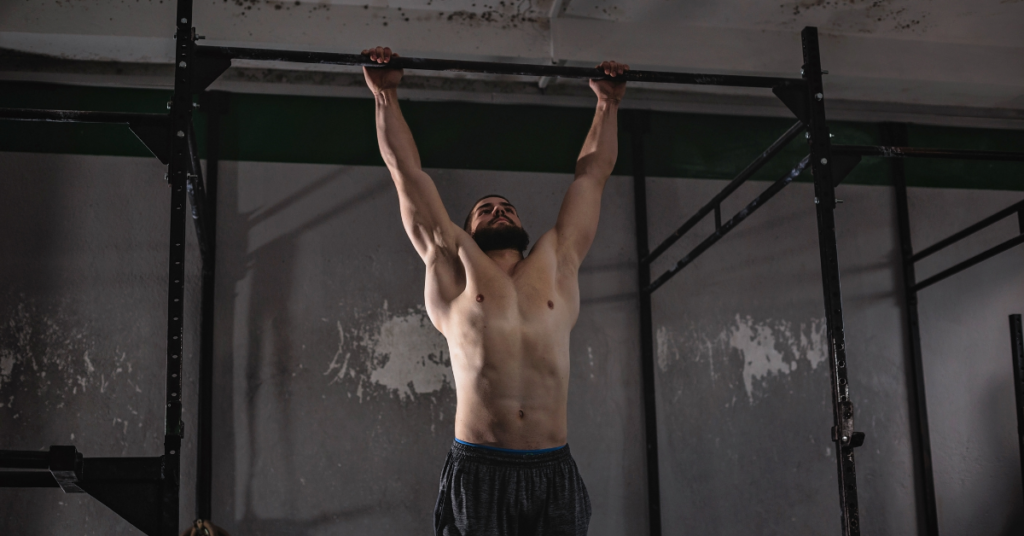
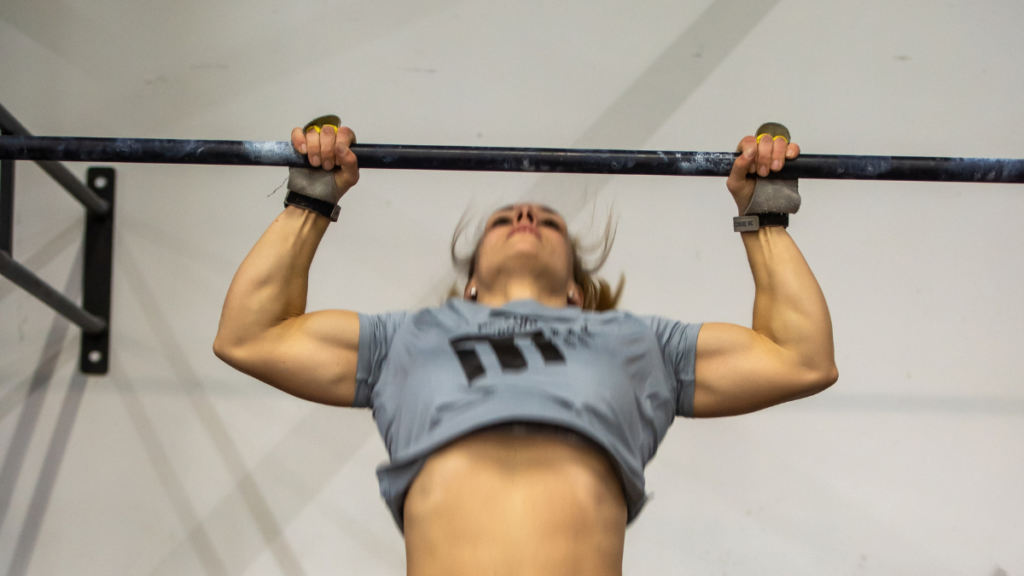
Although many people associate pull ups primarily with the lats, the exercise also places substantial demands on the trapezius, rhomboids, posterior deltoids, and rotator cuff muscles. Every repetition requires coordinated movement of the shoulder blades, making it one of the best compound exercises for building a resilient upper back.
Grip the bar slightly wider than shoulder width with the palms facing away. Begin from a dead hang with the shoulders engaged rather than hanging passively. Pull the chest toward the bar while driving the elbows down. Lower slowly until the arms are fully extended.
3 Reasons Why Most Men Never Build Big Arms
If bodyweight pull ups are too difficult, resistance bands or assisted pull up machines provide an excellent way to build strength while maintaining good technique. Experienced lifters can increase the challenge by adding weight with a dipping belt or weighted vest.
Electromyography studies have shown high activation of the latissimus dorsi during pull ups along with substantial recruitment of the lower trapezius and biceps. Because multiple large muscle groups work together, pull ups also produce a significant training stimulus for strength and muscle growth.
3. Face Pull
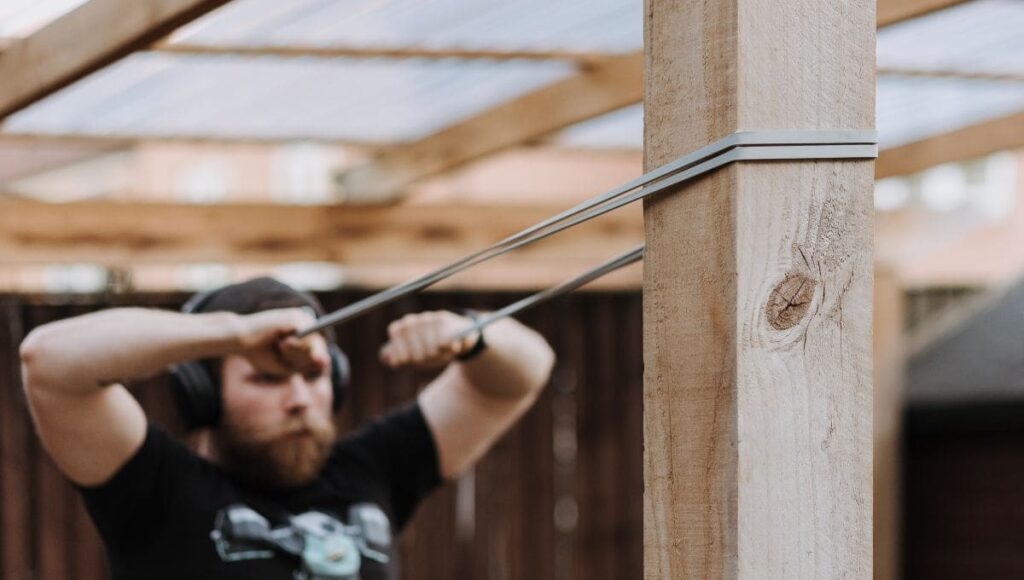
The face pull has earned a reputation as one of the best exercises for shoulder health, and for good reason. Unlike many pulling movements that emphasize larger muscles, the face pull targets smaller stabilizers that often become weak from excessive pressing or prolonged sitting.
Attach a rope to a cable machine at upper chest height. Hold one end of the rope in each hand. Step backward to create tension before pulling the rope toward the face. As the hands approach the face, rotate the shoulders externally so the hands move beside the ears. Pause briefly while squeezing the shoulder blades together before returning to the starting position. The movement strongly activates the posterior deltoids, middle trapezius, lower trapezius, and external rotators of the shoulder.
Using excessive weight is one of the biggest mistakes. A lighter load with precise control produces better muscle recruitment and reduces the likelihood of compensating with momentum.
Research investigating shoulder rehabilitation consistently highlights the importance of exercises that combine scapular retraction with external rotation. The face pull accomplishes both, making it valuable for both athletes and recreational lifters.
4. Barbell Bent Over Row
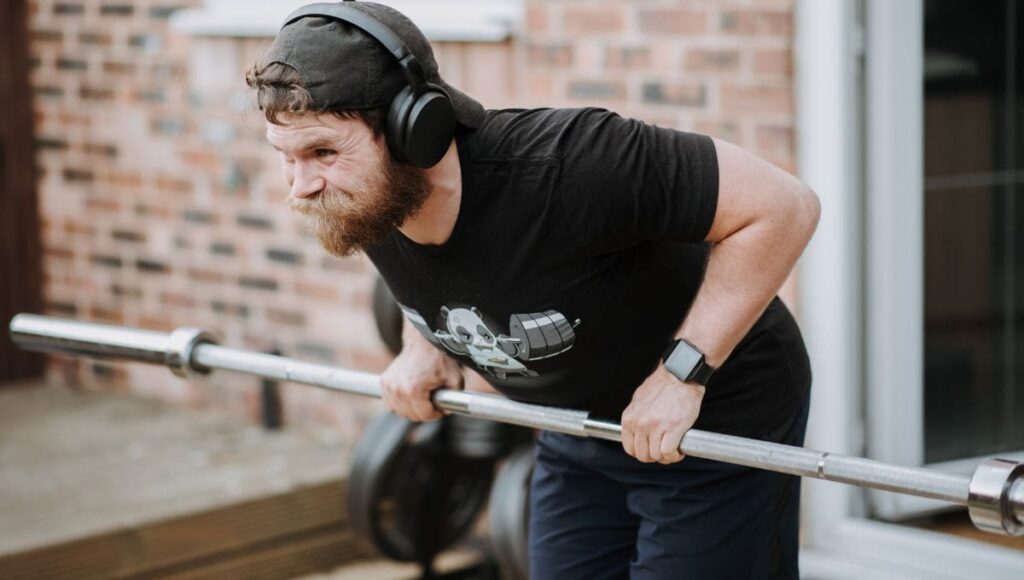
The bent over row has been a staple of strength training programs for decades because it builds size, strength, and stability across the entire posterior chain.
Unlike chest supported rows, the bent over row requires the lower back and core to stabilize the torso throughout the movement. This creates additional demands while allowing heavy loading.
Stand with the feet about hip width apart while holding a barbell with an overhand grip. Hinge at the hips until the torso is close to parallel with the floor while maintaining a neutral spine. Pull the bar toward the lower ribs before lowering it under control. Focus on initiating the movement by pulling the shoulder blades together rather than simply curling the arms.
Heavy bent over rows strengthen the trapezius, rhomboids, posterior deltoids, lats, spinal erectors, and forearms simultaneously. Because large amounts of muscle mass are involved, this exercise also contributes significantly to overall strength development and calorie expenditure. When performed correctly with progressive overload, the bent over row remains one of the most productive compound exercises available.
5. Wide Grip Seated Cable Row
The seated cable row provides constant resistance throughout the movement, making it an excellent complement to free weight exercises. Using a wide grip shifts more emphasis toward the upper back by increasing shoulder abduction and encouraging greater scapular retraction.
Sit upright with the chest lifted and the knees slightly bent. Reach forward while maintaining a neutral spine. Pull the handle toward the upper abdomen while squeezing the shoulder blades together. Slowly extend the arms before repeating. Avoid leaning excessively backward during the pull. The torso should remain relatively stable throughout each repetition.
The wide grip seated cable row effectively develops the middle trapezius, rhomboids, posterior deltoids, and upper lats while reducing the contribution from the lower body.
Because resistance remains constant through the range of motion, many lifters find it easier to maintain muscular tension compared with some free weight variations.
How to Build a Stronger Upper Back
The best exercises only produce results when performed consistently. Most people benefit from training the upper back two or three times each week. This frequency provides enough volume for muscle growth while allowing sufficient recovery.
Aim for two to four exercises per session with three to four working sets per exercise. Most sets should fall between six and fifteen repetitions depending on whether the primary goal is strength or hypertrophy. Progressive overload remains the most important principle. Gradually increase the weight, repetitions, or training quality over time while maintaining proper technique.

Do not neglect movement quality. Slow, controlled repetitions with full shoulder blade movement generally produce better muscle activation than using excessive momentum.
Combining both horizontal pulls, such as rows, and vertical pulls, such as pull ups, creates balanced development across all major upper back muscles.
Common Mistakes
One of the biggest errors is relying on the arms instead of the back. If the biceps fatigue long before the upper back, focus on initiating every repetition by pulling the shoulder blades together first.
Another common mistake is sacrificing technique to lift heavier weights. Excessive body movement reduces tension on the target muscles and increases injury risk.
Many people also neglect the lower trapezius and posterior deltoids by performing only traditional rowing exercises. Including movements such as face pulls helps create balanced shoulder development.
Finally, remember that recovery matters. Muscles grow between workouts, not during them. Adequate protein intake, sleep, and progressive programming all contribute to long term success.
Final Thoughts
A stronger upper back improves far more than appearance. It supports healthier shoulders, better posture, greater lifting performance, and increased resilience during everyday activities.
The chest supported row, pull up, face pull, bent over row, and wide grip seated cable row each target the upper back from different angles while allowing steady progression over time. Together they provide a complete approach to developing strength, muscle, and stability.
Consistency is ultimately more important than exercise variety. Master these five movements, perform them with excellent technique, and gradually increase the challenge over time. Combined with proper recovery and balanced training, they will help build an upper back that is stronger, healthier, and capable of supporting better performance in every aspect of fitness.
Key Takeaways
| Exercise | Primary Benefits | Main Muscles Worked |
|---|---|---|
| Chest Supported Row | Improves posture and isolates the upper back | Rhomboids, middle trapezius, posterior deltoids, lats |
| Pull Up | Builds full upper body strength | Lats, trapezius, rhomboids, biceps |
| Face Pull | Enhances shoulder health and stability | Rear deltoids, middle and lower trapezius, rotator cuff |
| Bent Over Row | Develops total posterior chain strength | Lats, trapezius, rhomboids, spinal erectors |
| Wide Grip Seated Cable Row | Provides constant tension for hypertrophy | Rhomboids, trapezius, posterior deltoids, upper lats |
References
- American College of Sports Medicine (2021) ACSM’s Guidelines for Exercise Testing and Prescription. 11th ed. Philadelphia: Wolters Kluwer.
- Andersen, V., Fimland, M.S., Mo, D.A., Iversen, V.M., Vederhus, T., Rockland Hellebø, L., Nordaune, K.I. and Saeterbakken, A.H. (2014) ‘Electromyographic comparison of barbell deadlift, hex bar deadlift, and Romanian deadlift’, Journal of Strength and Conditioning Research, 28(7), pp. 2005 to 2011.
- Boeckh Behrens, W.U. and Buskies, W. (2000) Fitness Strength Training: The Best Exercises and Methods for Sport and Health. Reinbek: Rowohlt.
- Cools, A.M., Dewitte, V., Lanszweert, F., Notebaert, D., Roets, A., Soetens, B., Cagnie, B. and Witvrouw, E.E. (2007) ‘Rehabilitation of scapular muscle balance’, American Journal of Sports Medicine, 35(10), pp. 1744 to 1751.
- Escamilla, R.F., Yamashiro, K., Paulos, L. and Andrews, J.R. (2009) ‘Shoulder muscle activity and function in common shoulder rehabilitation exercises’, Sports Medicine, 39(8), pp. 663 to 685.
- Fenwick, C.M., Brown, S.H. and McGill, S.M. (2009) ‘Comparison of different rowing exercises’, Journal of Strength and Conditioning Research, 23(4), pp. 1270 to 1275.
- Lehman, G.J., Buchan, D.D., Lundy, A., Myers, N. and Nalborczyk, A. (2004) ‘Variations in muscle activation levels during traditional latissimus dorsi weight training exercises’, Journal of Strength and Conditioning Research, 18(4), pp. 703 to 710.
- Schoenfeld, B.J. (2010) ‘The mechanisms of muscle hypertrophy and their application to resistance training’, Journal of Strength and Conditioning Research, 24(10), pp. 2857 to 2872.
- Signorile, J.F., Zink, A.J. and Szwed, S.P. (2002) ‘A comparative electromyographical investigation of muscle utilization patterns using various hand positions during the lat pull down’, Journal of Strength and Conditioning Research, 16(4), pp. 539 to 546.
- Welsch, E.A., Bird, M. and Mayhew, J.L. (2005) ‘Electromyographic activity of the pectoralis major and anterior deltoid while performing three upper body lifts’, Journal of Strength and Conditioning Research, 19(2), pp. 449 to 452.