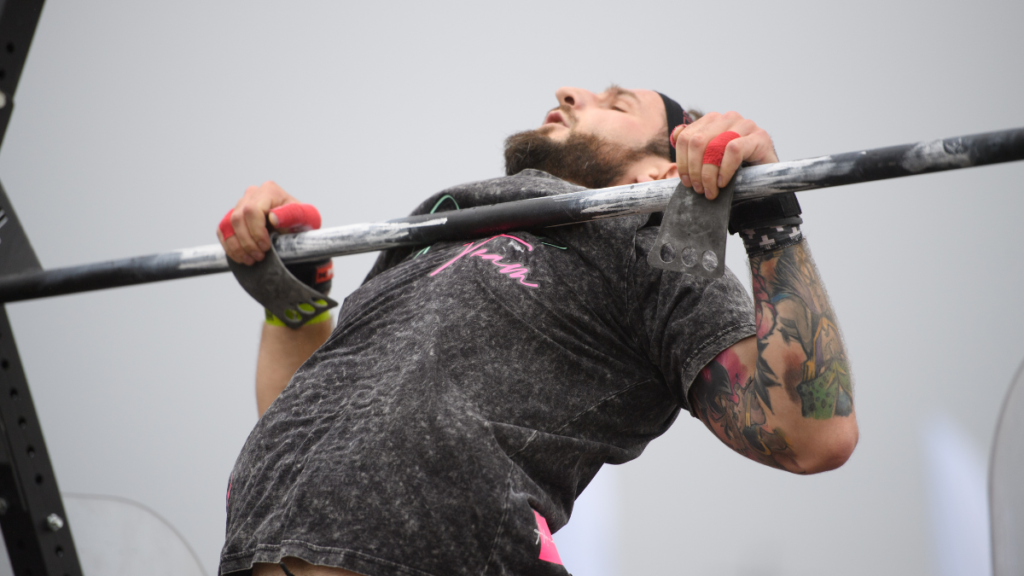


Big arms are one of the most sought after physique goals in the gym. Ask almost any man why he started lifting weights and there is a good chance bigger biceps and thicker triceps were somewhere near the top of the list. Yet despite years of training, countless sets of curls, and endless arm day routines, most men never develop truly impressive arms.
The reason is not bad genetics in most cases. While genetics certainly influence muscle shape, muscle insertion points, and ultimate growth potential, research consistently shows that most healthy individuals can achieve substantial increases in muscle size through proper resistance training, nutrition, and recovery.


The real problem is that many lifters focus on what feels productive instead of what actually drives muscle growth. They chase the pump, copy professional bodybuilders, and perform endless isolation work while neglecting the factors that matter most.
If your arms have stopped growing or never seem to grow despite consistent effort, understanding the most common mistakes can help you finally break through your plateau.
Understanding How Arm Muscles Actually Grow
Before examining the reasons most men fail to build big arms, it is important to understand the basic mechanisms behind muscle hypertrophy. Muscle growth occurs when resistance training creates mechanical tension, metabolic stress, and muscle damage sufficient to stimulate protein synthesis. Over time, if training stress is progressively increased and recovery is adequate, muscle fibers become larger and stronger.

The upper arm is primarily composed of two major muscle groups. The biceps brachii, along with the brachialis and brachioradialis, are responsible for elbow flexion. The triceps brachii make up approximately two thirds of the upper arm’s total muscle mass and are responsible for elbow extension.
Because the triceps represent a larger proportion of upper arm size, any successful arm building strategy must prioritize both muscle groups rather than focusing exclusively on biceps.
Research consistently demonstrates that muscle growth is strongly influenced by training volume, intensity, exercise selection, recovery quality, and nutritional support. When one or more of these variables are neglected, progress slows dramatically.
Reason 1: They Prioritize Isolation Exercises and Ignore Heavy Compound Lifts
One of the biggest mistakes in arm training is assuming that arm size comes primarily from curls and pushdowns.
While isolation exercises certainly have value, relying on them as the foundation of arm development often limits growth potential.
Compound Movements Create Greater Overall Growth Stimulus
Heavy compound exercises recruit multiple muscle groups simultaneously and allow significantly greater loading than isolation exercises. Exercises such as chin ups, pull ups, rows, bench presses, dips, and overhead presses heavily involve the arms while simultaneously stimulating large amounts of muscle mass throughout the body.

Research shows that mechanical tension is one of the primary drivers of hypertrophy. Heavy compound lifts create substantial mechanical tension across numerous muscle groups, including the biceps and triceps.
For example, chin ups generate high levels of biceps activation while allowing considerably greater total loading than most curl variations. Similarly, weighted dips and close grip bench presses expose the triceps to much heavier resistance than cable pushdowns or kickbacks.
The Hormonal Environment Matters
Although acute hormonal responses are not the sole determinant of muscle growth, training larger amounts of muscle mass generally creates a more favorable anabolic environment than performing only small muscle isolation exercises.
Heavy compound lifting also improves overall strength. Greater strength allows lifters to handle heavier loads during subsequent arm specific training, creating additional opportunities for growth.
Many Lifters Train Like Bodybuilders Without Building the Foundation
Professional bodybuilders often perform large amounts of isolation work. However, many recreational lifters overlook an important fact. Most elite bodybuilders spent years building enormous strength through compound exercises before adding significant amounts of specialized arm training.
A beginner performing fifteen sets of curls while neglecting heavy pulling exercises is essentially trying to build a roof before constructing the foundation.
Why More Curls Are Not Always Better
Research suggests that muscle growth responds favorably to increasing training volume up to a point. However, performing excessive isolation work often leads to diminishing returns. Many lifters spend entire workouts performing different curl variations without generating sufficient overload to stimulate new growth.
The result is fatigue without meaningful adaptation. Instead of focusing exclusively on arm isolation, successful trainees prioritize progressive overload on major compound movements while using isolation exercises as supplementary tools.
The Solution
A growth focused arm strategy should include heavy pulling exercises such as chin ups, rows, and pull downs alongside pressing exercises such as bench presses, close grip bench presses, overhead presses, and weighted dips. Isolation work should complement these movements rather than replace them. When compound strength increases consistently over time, arm size often follows.
Reason 2: They Never Apply Progressive Overload Properly
The body adapts only when it is challenged with greater demands. Unfortunately, many gym goers perform the same exercises with the same weights and the same repetitions for months or even years. Their muscles have no reason to grow.
Progressive Overload Is Essential for Hypertrophy
Progressive overload refers to the gradual increase of training stress over time. This can occur through heavier weights, additional repetitions, more total volume, improved technique, greater range of motion, or increased training density.
Without progressive overload, hypertrophy eventually stalls. Research consistently identifies progressive increases in training stimulus as one of the most important factors in long term muscle growth.
Yet many lifters treat arm training differently than they treat other body parts. They carefully track squat and bench press numbers while randomly performing curls based on how they feel each day.
The Pump Is Not the Same as Growth
Many men judge arm workouts based on how pumped their muscles feel. While metabolic stress contributes to hypertrophy, the sensation of a pump is not a reliable indicator of long term progress. A massive pump can occur without meaningful muscle growth if progressive overload is absent.
Similarly, some highly productive training sessions may produce less dramatic pumps while still creating significant growth stimulus. The goal should not be temporary swelling. The goal should be gradually increasing muscular capacity over months and years.
Small Muscles Still Require Measurable Progress
Because arm muscles are relatively small, progression often occurs in smaller increments than with larger muscle groups. For example, adding five pounds to a barbell curl may represent a substantial percentage increase in load. Tracking these small improvements becomes especially important.
Successful lifters frequently maintain detailed training logs and strive to improve performance consistently. They understand that arm growth is the cumulative result of hundreds of small improvements rather than a few extraordinary workouts.
Range of Motion Matters
Research increasingly supports the importance of training muscles through a full range of motion. Exercises that place muscles under tension in stretched positions appear particularly effective for promoting hypertrophy. For biceps, this may include incline dumbbell curls. For triceps, overhead extensions can provide significant stretch mediated tension.
Many lifters use excessively heavy weights and partial repetitions, limiting the stimulus available to the target muscles. A lighter weight performed through a full range of motion often produces superior hypertrophy outcomes compared with heavier weights lifted poorly.
Training Volume Must Progress Too
While load progression is important, total training volume also plays a major role. Volume is typically calculated as sets multiplied by repetitions multiplied by load. Research suggests that higher weekly training volumes generally produce greater hypertrophy, provided recovery remains adequate.
Many trainees underestimate how much quality work is required to maximize arm growth. At the same time, simply adding more sets indefinitely is not effective. Growth occurs when volume is increased strategically and matched with sufficient recovery capacity.
The Solution
- Track your training meticulously.
- Aim to improve performance over time by increasing repetitions, weight, training volume, or exercise quality.
- Focus on full range of motion, controlled technique, and consistent progression.
- Treat arm training with the same seriousness and structure you apply to larger lifts.
Reason 3: They Ignore Recovery and Nutrition
Training stimulates muscle growth, but growth itself occurs during recovery. This is perhaps the most overlooked aspect of arm development. Many men train hard enough to grow but fail to provide the conditions necessary for adaptation.
Muscle Protein Synthesis Requires Nutritional Support
Resistance training increases muscle protein synthesis, but new muscle tissue cannot be built without adequate dietary protein. Protein provides the amino acids necessary for muscle repair and growth. Research consistently shows that higher protein intakes support greater hypertrophy and strength gains during resistance training.

Current evidence suggests that most resistance trained individuals benefit from consuming approximately 1.6 to 2.2 grams of protein per kilogram of body weight per day. Many men attempting to build larger arms consume significantly less than this amount. Without sufficient protein intake, training quality may remain high while growth remains limited.
Energy Intake Influences Growth
Building muscle is energetically demanding. Although it is possible to gain muscle while maintaining or even losing body fat under certain conditions, maximizing hypertrophy generally occurs more effectively when adequate calories are available.
Many lifters unknowingly remain in prolonged calorie deficits due to busy lifestyles, excessive cardio, or restrictive dieting. When energy availability is low, the body prioritizes survival and maintenance over building new muscle tissue. This can significantly impair growth rates.
Sleep Is a Powerful Anabolic Tool
Sleep is often treated as optional, yet it plays a central role in recovery and muscle development. During sleep, numerous physiological processes involved in tissue repair, hormone regulation, and recovery occur. Research demonstrates that sleep restriction negatively affects muscle protein synthesis, recovery, strength performance, and body composition outcomes.
Even the best training program cannot compensate for chronic sleep deprivation. Men who consistently sleep six hours or less per night often struggle to maximize muscle growth compared with those obtaining seven to nine hours of quality sleep.
Recovery Includes More Than Rest Days
Many people assume recovery simply means taking occasional days off. In reality, recovery encompasses multiple factors including nutrition, sleep, stress management, hydration, and overall lifestyle habits.
Psychological stress can influence recovery through hormonal pathways and may negatively affect training adaptations when excessive. High stress levels combined with inadequate sleep and poor nutrition create an environment where muscle growth becomes increasingly difficult.
More Training Is Not Always Better
- One of the most common mistakes among motivated lifters is assuming that more work automatically leads to better results.
- Excessive training volume without adequate recovery can reduce performance, impair recovery, and potentially limit hypertrophy.
- The relationship between training volume and muscle growth resembles an inverted U curve.
- Too little training fails to stimulate growth, while too much training exceeds recovery capacity.
- The most successful trainees find the balance between challenging workouts and sufficient recovery.
Frequency Can Improve Growth
Research suggests that training a muscle group multiple times per week may offer advantages for hypertrophy by distributing volume more effectively.
Instead of performing a massive weekly arm session that leaves muscles excessively fatigued, many lifters benefit from training arms two or three times per week. This approach often improves recovery, training quality, and total productive volume.
The Solution
- Consume adequate protein and calories.
- Prioritize seven to nine hours of sleep each night.
- Manage stress levels whenever possible.
- Train hard, but allow enough recovery to support adaptation.
- Remember that muscles grow between workouts, not during them.
Additional Factors That Limit Arm Growth
While the three major mistakes discussed above account for most stalled arm development, several additional factors deserve attention.
Poor Exercise Technique
Momentum, swinging, and sloppy repetitions often reduce tension on the target muscles. While some controlled body English can occasionally be useful for advanced trainees, most lifters benefit from stricter technique. The objective is to challenge the muscles, not simply move the weight.
Neglecting the Triceps
Many men obsess over biceps while giving minimal attention to triceps training. Since the triceps comprise roughly two thirds of upper arm mass, neglecting them severely limits overall arm size. Exercises such as close grip bench presses, dips, skull crushers, and overhead extensions should play prominent roles in any arm growth program.
Inconsistent Training
Perhaps the most common issue of all is inconsistency. Muscle growth results from cumulative effort applied repeatedly over long periods. Missing workouts, frequently changing programs, and abandoning strategies before they have time to work can prevent meaningful progress. Consistency often beats perfection.
Conclusion
Most men never build big arms because they make three critical mistakes. They rely too heavily on isolation exercises while neglecting heavy compound lifts. They fail to apply progressive overload consistently over time. And they underestimate the importance of recovery, nutrition, and sleep.

The science of muscle growth is remarkably clear. Muscles respond to progressive training stress, sufficient nutritional support, and adequate recovery. When these factors are consistently present, substantial arm growth becomes far more likely.
Instead of searching for shortcuts, focus on mastering the fundamentals. Build strength with compound lifts, track progression carefully, prioritize protein and sleep, and remain consistent over the long term. For most men, that approach will do far more for arm size than any fancy arm day routine ever could.
Key Takeaways
| Factor | Common Mistake | Better Approach |
|---|---|---|
| Exercise Selection | Relying mostly on curls and pushdowns | Build strength with compound lifts and supplement with isolation work |
| Progressive Overload | Using the same weights and repetitions for months | Track performance and gradually increase training demands |
| Training Focus | Chasing the pump | Prioritize measurable long term progress |
| Range of Motion | Using partial repetitions | Train through full ranges of motion whenever possible |
| Nutrition | Insufficient protein and calories | Consume enough protein and energy to support muscle growth |
| Sleep | Chronic sleep restriction | Aim for seven to nine hours of quality sleep |
| Recovery | Training harder without recovering better | Balance training stress with recovery capacity |
| Triceps Development | Focusing only on biceps | Prioritize triceps because they make up most upper arm mass |
| Consistency | Frequently changing routines | Follow a structured plan for months and years |
| Expectations | Expecting rapid results | Recognize that meaningful arm growth takes time |
References
• American College of Sports Medicine. (2009) ‘Progression models in resistance training for healthy adults’, Medicine & Science in Sports & Exercise, 41(3), pp. 687–708.
• Grgic, J., Schoenfeld, B.J., Orazem, J. and Sabol, F. (2022) ‘Effects of resistance training performed to repetition failure or non failure on muscular strength and hypertrophy’, Journal of Sport and Health Science, 11(2), pp. 202–211.
• Helms, E.R., Zinn, C., Rowlands, D.S. and Brown, S.R. (2014) ‘A systematic review of dietary protein during caloric restriction in resistance trained lean athletes’, International Journal of Sport Nutrition and Exercise Metabolism, 24(2), pp. 127–138.
• Krieger, J.W. (2010) ‘Single versus multiple sets of resistance exercise for muscle hypertrophy: A meta analysis’, Journal of Strength and Conditioning Research, 24(4), pp. 1150–1159.
• Morton, R.W., Murphy, K.T., McKellar, S.R., Schoenfeld, B.J., Henselmans, M., Helms, E., Aragon, A.A., Devries, M.C., Banfield, L., Krieger, J.W. and Phillips, S.M. (2018) ‘A systematic review, meta analysis and meta regression of the effect of protein supplementation on resistance training induced gains in muscle mass and strength in healthy adults’, British Journal of Sports Medicine, 52(6), pp. 376–384.
• Phillips, S.M. and Van Loon, L.J.C. (2011) ‘Dietary protein for athletes: From requirements to optimum adaptation’, Journal of Sports Sciences, 29(S1), pp. S29–S38.
• Schoenfeld, B.J. (2010) ‘The mechanisms of muscle hypertrophy and their application to resistance training’, Journal of Strength and Conditioning Research, 24(10), pp. 2857–2872.