

Everyone gets older. The more interesting question is how well you are aging. Chronological age tells you how many birthdays you have celebrated. Biological age tells a different story. It reflects how well your body, brain, muscles, heart, and metabolic systems are functioning compared to what would typically be expected for someone your age.
Scientists have spent decades searching for reliable markers of healthy aging. While anti aging products and miracle supplements often dominate headlines, the strongest predictors of long term health are surprisingly simple. Many of them can be measured through everyday physical abilities and lifestyle patterns.


Research consistently shows that people who maintain strength, mobility, cardiovascular fitness, cognitive function, and metabolic health as they age tend to enjoy longer lives, greater independence, and a lower risk of chronic disease.
The good news is that healthy aging is not reserved for genetic lottery winners. While genetics matter, lifestyle factors play a huge role in determining how quickly or slowly your body ages. Here are five evidence based signs that you may be aging better than most people your age.
Sign 1: You Stay Strong and Maintain Muscle Mass

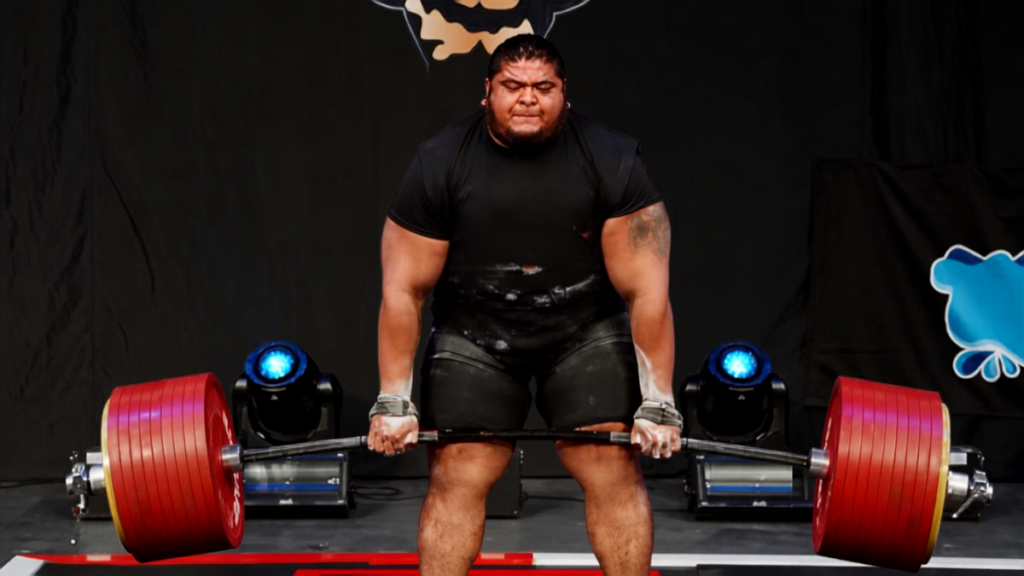
One of the clearest signs of healthy aging is retaining strength as the years pass.
Many people assume muscle loss is an unavoidable part of getting older. While some decline occurs naturally, the rate of decline varies dramatically. People who remain physically active and regularly challenge their muscles often maintain significantly higher levels of strength and function well into later life.
Scientists consider muscular strength one of the most powerful predictors of long term health. Grip strength, in particular, has become a widely used measure in aging research because it correlates strongly with overall muscle function and future health outcomes.
Studies have repeatedly found that lower grip strength is associated with higher risks of disability, hospitalization, falls, and all cause mortality. Conversely, stronger individuals tend to remain healthier and more independent for longer.
This relationship exists because muscle tissue is much more than a tool for movement. Skeletal muscle helps regulate blood sugar, supports bone health, protects against injury, and serves as a critical reserve during illness or physical stress. Maintaining muscle mass also helps preserve metabolic health. Age related muscle loss, known as sarcopenia, is associated with increased risks of insulin resistance, frailty, and reduced quality of life.
If you can still carry heavy grocery bags, move furniture, climb stairs comfortably, or perform demanding workouts compared to others your age, that is often a sign your biological age may be younger than your chronological age.
Strength training appears to be one of the most effective ways to preserve this advantage. Research suggests that even modest amounts of resistance training each week can significantly reduce mortality risk while helping maintain mobility and independence.
Why Strength Matters So Much
Muscle acts as a protective organ. It improves glucose control, supports immune function, reduces injury risk, and allows people to remain active throughout life. Stronger individuals are generally better equipped to handle both daily tasks and unexpected health challenges.

The ability to retain strength into middle and older age is one of the clearest indicators that the aging process is progressing more slowly than average.
Sign 2: Your Walking Speed Is Still Fast
Walking is something most people do every day without much thought. Researchers think about it a lot.
In fact, walking speed is often described as a “vital sign” of aging because it reflects the health of multiple systems simultaneously. A fast walking pace requires healthy muscles, strong bones, good balance, efficient cardiovascular function, and an effective nervous system.
When researchers measure walking speed in older adults, they consistently find that slower walkers face higher risks of disability, hospitalization, cognitive decline, and mortality. Even among middle aged adults, walking speed appears to reveal important information about biological aging. Studies have shown that individuals with slower gait speeds often display signs of accelerated aging across multiple physiological systems.
The reason is simple. Walking is a whole body activity. Every step requires coordination between the brain, nerves, muscles, joints, lungs, and heart. If one of those systems begins to deteriorate, walking performance often declines.

People who continue moving briskly through their forties, fifties, sixties, and beyond frequently demonstrate better overall health than their peers.
This does not mean everyone needs to power walk everywhere. Instead, maintaining a naturally confident and energetic walking pace can indicate that your body is preserving functional capacity as it ages.
Mobility Is Independence
One of the biggest threats associated with aging is loss of independence. When mobility declines, everyday activities become harder. Shopping, traveling, exercising, and socializing may all become more difficult.
Fast walking speed is often a sign that these capabilities remain intact. Researchers increasingly view gait speed as one of the simplest and most powerful markers of healthy aging because it captures so many aspects of physical function at once.
Sign 3: Your Cardiovascular Fitness Remains High
If strength is one pillar of healthy aging, cardiovascular fitness is another. Cardiorespiratory fitness is commonly measured through VO2 max, which represents the maximum amount of oxygen your body can use during intense exercise.
While VO2 max naturally declines with age, the rate of decline varies enormously.
Some adults in their seventies and eighties maintain aerobic capacities comparable to sedentary individuals decades younger. This difference often reflects years of consistent physical activity rather than extraordinary genetics.
Research has shown that cardiorespiratory fitness is one of the strongest predictors of longevity ever identified. Higher fitness levels are associated with lower risks of cardiovascular disease, dementia, metabolic disorders, and all cause mortality. Importantly, cardiovascular fitness often predicts long term health outcomes better than many traditional risk factors.

People with higher fitness levels generally have healthier hearts, more efficient blood vessels, better insulin sensitivity, and improved mitochondrial function. These adaptations help protect against many age related diseases.
Aging well does not require marathon running or elite athletic performance. Instead, maintaining the ability to hike, cycle, jog, swim, or perform vigorous physical activity without becoming excessively fatigued often indicates that biological aging is progressing more slowly than average.
Fitness Reflects Multiple Systems
Cardiovascular fitness is not just about the heart. Strong VO2 max values reflect the combined performance of the lungs, cardiovascular system, muscles, and cellular energy production systems.
When these systems remain efficient, people typically experience higher energy levels, better recovery, improved cognitive health, and greater resilience against disease. This is one reason many longevity researchers consider cardiorespiratory fitness one of the most important biomarkers of healthy aging.
Sign 4: Your Balance and Coordination Are Still Excellent
Balance rarely receives the attention given to strength or endurance. That is unfortunate because balance is one of the most revealing indicators of neurological and physical health.
Maintaining balance requires seamless communication between the brain, inner ear, visual system, muscles, and joints. When any part of this network begins to deteriorate, balance often suffers. Research has found that balance performance can provide valuable insights into biological aging and functional health. Individuals who maintain strong balance capabilities generally experience lower risks of falls and disability.
The ability to stand on one leg, change direction smoothly, react quickly to environmental challenges, and move confidently through daily activities often reflects a well functioning nervous system.
Balance tends to decline gradually with age. However, physically active individuals often maintain substantially better balance than sedentary peers. This matters because falls remain one of the leading causes of injury and loss of independence in older adults.
Good balance also supports athletic performance. Whether lifting weights, playing sports, hiking trails, or simply navigating crowded environments, balance allows movement to remain efficient and safe.
The Nervous System Connection
Many people think balance is purely muscular. In reality, it is deeply connected to brain health. Strong balance often indicates healthy sensory processing, rapid reaction times, and effective communication between the brain and body.
When balance remains sharp later in life, it may signal that aging related neurological decline is occurring more slowly than average.
Sign 5: You Recover Well and Stay Metabolically Healthy
A final sign of healthy aging is the ability to recover efficiently from physical and mental stress. Recovery is often overlooked because it is less visible than strength or fitness. Yet it reveals a tremendous amount about biological age.
Younger bodies generally bounce back quickly after challenging workouts, poor sleep, illness, or stressful periods. As biological aging accelerates, recovery often becomes slower and more difficult.

People who age well tend to maintain strong metabolic health and recovery capacity. This includes healthy blood sugar regulation, lower levels of chronic inflammation, stable energy levels, and the ability to adapt effectively to physical stress.
Metabolic health plays a central role in aging because it influences nearly every system in the body. Poor metabolic function increases the risk of heart disease, type 2 diabetes, cognitive decline, and many other chronic conditions. By contrast, individuals who remain metabolically healthy often preserve physical performance and cognitive function longer.
One sign of good metabolic health is the ability to remain physically active without prolonged fatigue. Another is maintaining a healthy body composition with relatively preserved muscle mass and manageable levels of body fat. Recovery also extends beyond exercise.
How to Train for HYROX Without Breaking Down
Healthy aging often includes recovering emotionally from stress, maintaining social engagement, and preserving mental resilience. These factors contribute to lower levels of chronic stress hormones and improved long term health outcomes.
Adaptability Is a Hallmark of Youth
- Biologically younger individuals tend to adapt more effectively to challenges.
- Whether the challenge is a hard workout, a busy work week, or an illness, the body can return to equilibrium efficiently.
- This adaptability reflects healthy cellular function, effective energy production, and strong physiological resilience.
- In many ways, resilience may be the defining characteristic of healthy aging.
In Conclusion
Aging is inevitable. Declining rapidly is not. If you remain strong, walk briskly, maintain good cardiovascular fitness, demonstrate solid balance, and recover well from physical stress, there is a good chance you are aging better than many people your age.
These characteristics are not just signs of current health. They are also predictors of future health. Scientists increasingly view strength, mobility, fitness, balance, and resilience as some of the most meaningful indicators of biological aging. They provide a window into how well the body’s systems are functioning beneath the surface.
The encouraging news is that these markers are largely influenced by lifestyle choices. Regular exercise, adequate sleep, nutritious food, stress management, and social engagement can all help preserve the qualities associated with healthy aging.
The goal is not simply to add years to life. The real goal is to add life to those years.
Key Takeaways
| Sign | What It Indicates | Why It Matters |
|---|---|---|
| Strong muscles and grip strength | Preserved physical function and metabolic health | Associated with lower mortality risk and greater independence |
| Fast walking speed | Healthy mobility and neurological function | Predicts lower risk of disability and disease |
| High cardiovascular fitness | Efficient heart, lungs, and muscles | Strong predictor of longevity and health span |
| Good balance and coordination | Healthy nervous system function | Reduces fall risk and supports independence |
| Strong recovery and metabolic health | Physiological resilience | Supports long term health and disease resistance |
References
- Blair, S.N., Kohl, H.W., Paffenbarger, R.S., Clark, D.G., Cooper, K.H. and Gibbons, L.W. (1989) ‘Physical fitness and all cause mortality. A prospective study of healthy men and women’, JAMA, 262(17), pp. 2395 to 2401.
- Bohannon, R.W. (2008) ‘Hand grip dynamometry predicts future outcomes in aging adults’, Journal of Geriatric Physical Therapy, 31(1), pp. 3 to 10.
- Celis Morales, C.A., Welsh, P., Lyall, D.M., Steell, L., Petermann, F., Anderson, J., Iliodromiti, S., Sillars, A., Graham, N., Mackay, D.F. and Pell, J.P. (2018) ‘Associations of grip strength with cardiovascular, respiratory, and cancer outcomes and all cause mortality’, BMJ, 361, k1651.
- Cooper, R., Kuh, D. and Hardy, R. (2010) ‘Objectively measured physical capability levels and mortality: systematic review and meta analysis’, BMJ, 341, c4467.
- Cruz Jentoft, A.J., Bahat, G., Bauer, J., Boirie, Y., Bruyère, O., Cederholm, T., Cooper, C., Landi, F., Rolland, Y., Sayer, A.A. and Schneider, S.M. (2019) ‘Sarcopenia: revised European consensus on definition and diagnosis’, Age and Ageing, 48(1), pp. 16 to 31.
- Fitzgerald, K.N., Hodges, R., Hanes, D., Stack, E., Cheishvili, D., Szyf, M. and Henkel, A.S. (2021) ‘Potential reversal of epigenetic age using a diet and lifestyle intervention’, Aging, 13(7), pp. 9419 to 9432.
- Kodama, S., Saito, K., Tanaka, S., Maki, M., Yachi, Y., Asumi, M., Sugawara, A., Totsuka, K., Shimano, H., Ohashi, Y. and Yamada, N. (2009) ‘Cardiorespiratory fitness as a quantitative predictor of all cause mortality and cardiovascular events’, JAMA, 301(19), pp. 2024 to 2035.
- Montero Odasso, M., Schapira, M., Soriano, E.R., Varela, M., Kaplan, R., Camera, L.A. and Mayorga, L.M. (2005) ‘Gait velocity as a single predictor of adverse events in healthy seniors’, The Journals of Gerontology Series A: Biological Sciences and Medical Sciences, 60(10), pp. 1304 to 1309.
- Studenski, S., Perera, S., Patel, K., Rosano, C., Faulkner, K., Inzitari, M., Brach, J., Chandler, J., Cawthon, P., Connor, E.B. and Nevitt, M. (2011) ‘Gait speed and survival in older adults’, JAMA, 305(1), pp. 50 to 58.
- Taekema, D.G., Gussekloo, J., Maier, A.B., Westendorp, R.G.J. and de Craen, A.J.M. (2010) ‘Handgrip strength as a predictor of functional, psychological and social health’, Age and Ageing, 39(3), pp. 331 to 337.
- Valenzuela, P.L., Castillo García, A., Morales, J.S., Izquierdo, M., Serra Rexach, J.A., Santos Lozano, A. and Lucia, A. (2019) ‘Lifelong endurance exercise as a countermeasure against age related decline’, Sports Medicine, 50(1), pp. 67 to 78.
- Veronese, N., Stubbs, B., Volpato, S., Zuliani, G., Maggi, S., Cesari, M. and Lipnicki, D.M. (2017) ‘Association between gait speed with mortality, cardiovascular disease and cancer’, Journal of the American Medical Directors Association, 19(11), pp. 981 to 988.
- Villeda González, J., Fernández Fernández, M., González Sarmiento, R. and Mota, J. (2024) ‘Comparison of grip strength measurements for predicting all cause mortality’, Scientific Reports, 14, Article 80487.
- Webber, S.C., Porter, M.M. and Menec, V.H. (2010) ‘Mobility in older adults: a comprehensive framework’, The Gerontologist, 50(4), pp. 443 to 450.