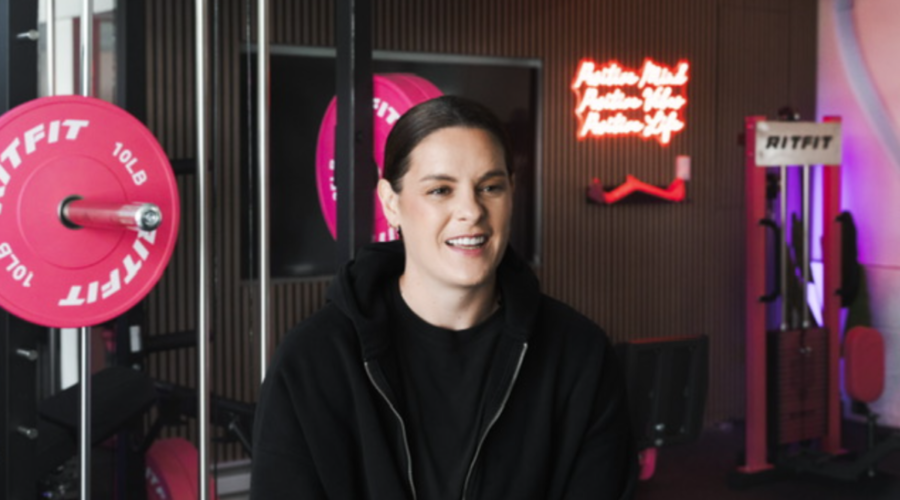


Jen Beattie played 147 games for Scotland, enjoyed two spells with Arsenal, and won 3x Women’s Super League titles. Beattie was diagnosed with breast cancer in 2020, but that didn’t stop her scoring goals at the highest level. We sat down with her to discuss her career on the pitch, cancer recovery, and how she remains fit after retiring from professional sport.
Post-Football Training Regime
Beattie was primarily a central defender, and was known for her composure on the ball and intelligence. However, she was also a strong physical presence and never shied away from a tackle. So, how has the former Celtic, Arsenal, and Manchester City players’ training changed since she hung up her boots?


“Training has changed a lot since professional football. I think the hardest thing for me was training on my own and not being with the team. So that kind of self-motivation and then the obvious working around my actual job rather than my job being my workout was really, really difficult, finding the time.”
It’s clear that the transition from a team sport to individual training hasn’t been easy for Beattie, especially for someone who has always thrived among others. However, even with her recent health issues, the former Scottish international maintains a goal to be physically and mentally strong.
“Strength means to me now. I think probably a crossover between mental strength and physical strength. I don’t think I’m training towards peak elite performance. I think I’m training towards every day strength, feeling mentally sharp, feeling good, making decisions at work, and feeling confident and feeling healthy and happy.”
“It’s not about lifting the heaviest weights, it’s about feeling good throughout an entire workout and also not going towards absolute exhaustion. It’s about feeling strong throughout the entire day, which is different from playing football.”
Beattie never underestimates the importance of training, particularly for her mental state. The former pro, whose brother was an international rugby player, spoke of how working out impacts her daily life.
“Being able to train is so important for me. I think as long as I get my workout done, I feel like that has a knock on effect throughout my entire day. It makes me feel mentally sharper and physically healthy.”
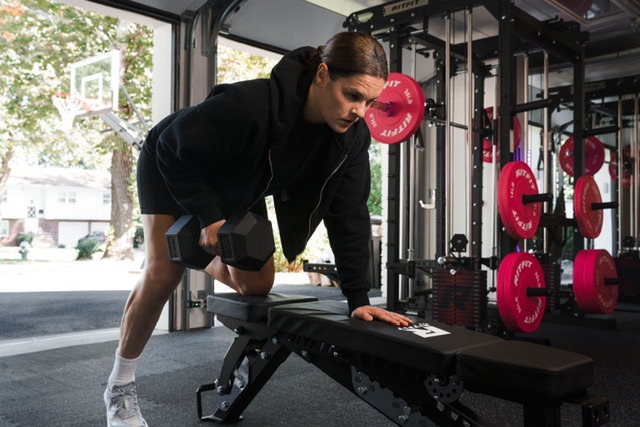
“I want to be able to be doing workouts when I’m much older. It’s not just about now, it’s about longevity. It’s about being healthy when I’m 70, not just 35. So I think it’s putting the investment in now. It doesn’t have to be seven days a week. It doesn’t have to be every single day two hours at a time.”
“It’s about finding that balance. It’s really important having that variety as well. It could be a walk, it could be lifting weights, it could be going for a run, or playing a different sport.”
Why Beattie Favors Home Workouts
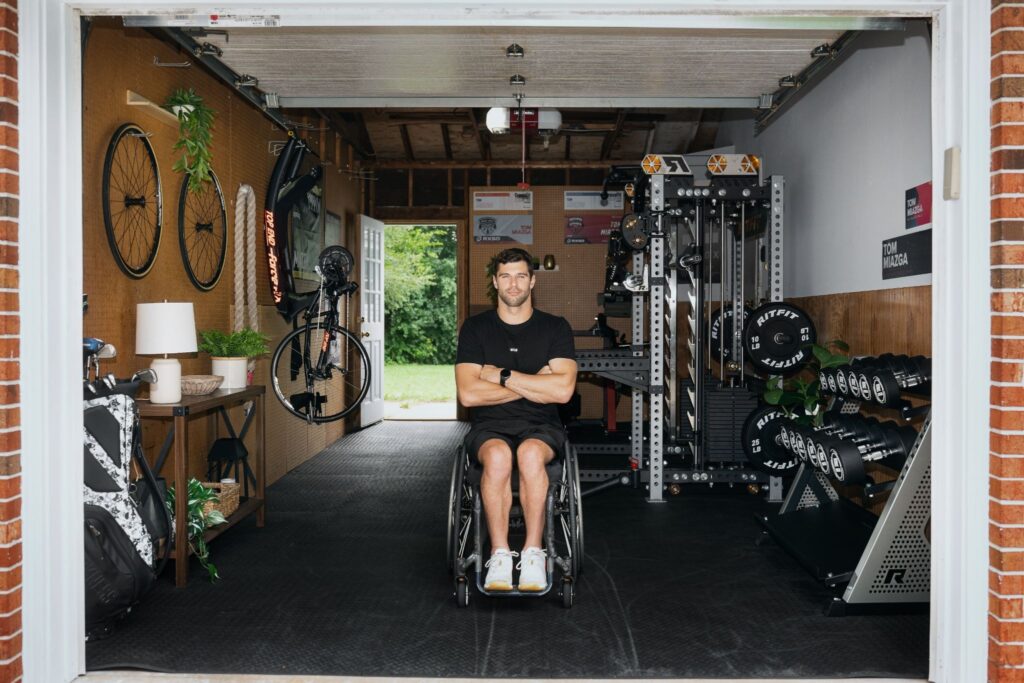
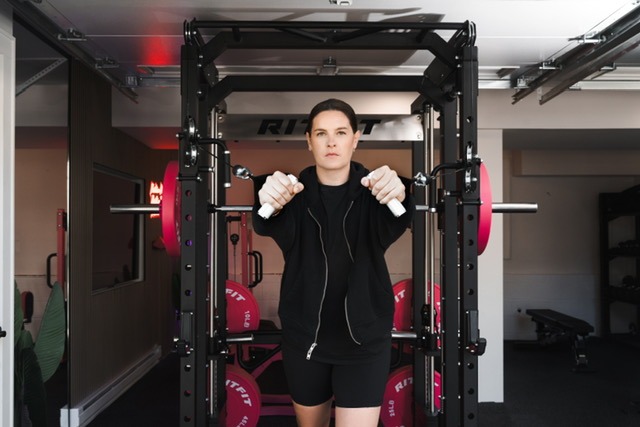
Beattie, who scored 24 goals during a 14-year international career, spoke proudly of her new home gym. The setup allows her to complete early morning and evening workouts alongside her partner.
“I’ve always wanted a proper gym at home. It’s always been a life dream for me. I think just to put our own music on and have fun. We don’t work regular nine to fives. Sometimes we’re in at 4am and other times in the evening. We can pop down for 30 minutes or an hour at a time, and it does not take a huge amount of time out of the day.”
So, just what it is that Beattie enjoys about her home gym that she cannot get from a commercial venue?
“I think we want this space to give us both back time. I think there’s a lot of time traveling, and going to the gym adds more to your day. Whereas having it at home gives us a lot of time back. I think it is so important for us to be able to play our own music and get a workout done.”
“There’s not a single workout that I’ve never felt worse after. I think if anything can ever lift me up out of a day is getting in the gym and lifting weights, or doing a bit of running, and doing a bit of cardio. So that is the mental health factor. It’s the investment in our bodies for longevity of life.”
How Beattie’s Rugby Background Shaped Her Football Career
We were keen to ask Jen how her relationship with her body has changed over the years and we were interested to learn about her introduction to rugby.
“I think my relationship with my body has definitely changed over the years. I think there’s so much pressure as a professional athlete to look a certain way. Everyone thinks an athlete must be ripped and skinny. I come from a rugby playing background, where my dad was six foot four and my mom’s tall as well. So I’m naturally a bigger stature and taller than most girls playing football. So I was always very conscious of my height and my build. I didn’t fit the mold of most professional footballers.”
Beattie is a big fan of , who has long been an advocate of positive body image and how esthetics are of secondary importance to how we are on the inside. Despite these words, Beattie is proud of her strength and where it has taken her, stating that “I’ve definitely become way more comfortable and proud of the career I had, and the outfit.”
Why Beattie’s On-Pitch Battles Helped Her Cope With Illness
Beattie was undoubtedly a leader on the pitch, and she was a coach’s dream due to her versatility and teamwork. Having been diagnosed with breast cancer at the age of 29, in the middle of the Covid-19 pandemic, Beattie had to use all of her strength to fight illness.
“Elite level football 100% prepared me for the most difficult moment I’ve ever had. It (cancer diagnosis) was the scariest time of my life, and I think being in that sporting environment, being around teammates, and just having that group of incredible women around you helped me lean on people. It helped me ask for advice, and it helped me put one foot in front of the other.”
“And there is no right or wrong, but I 100% think that that elite football environment helped me so much in terms of even just exercising and getting outside, and that was what helped me mentally so much throughout. It was the one time that I could escape from what was going on in reality and just be Jen the footballer, and not Jen going through a breast cancer diagnosis.”
Beattie remained active even through radiotherapy treatment, stating that it “counteracted fatigue” and “helped my mental standpoint”. That’s even after her doctor reminded her to go steady after finding out about her professional football journey.
Exercise Was Key in Cancer Recovery
“I think there’s something really special about playing a sport or going for a run. There’s that element of being a kid again, and remembering who you are and how far you’ve come and how far you can go.”
These powerful words from Beattie were her response to a question regarding her recovery from breast cancer. However, they are words that can be applied to individuals in different scenarios, and demonstrate the importance of moving your body and expressing yourself.
“Any Workout for Me is a Good One”
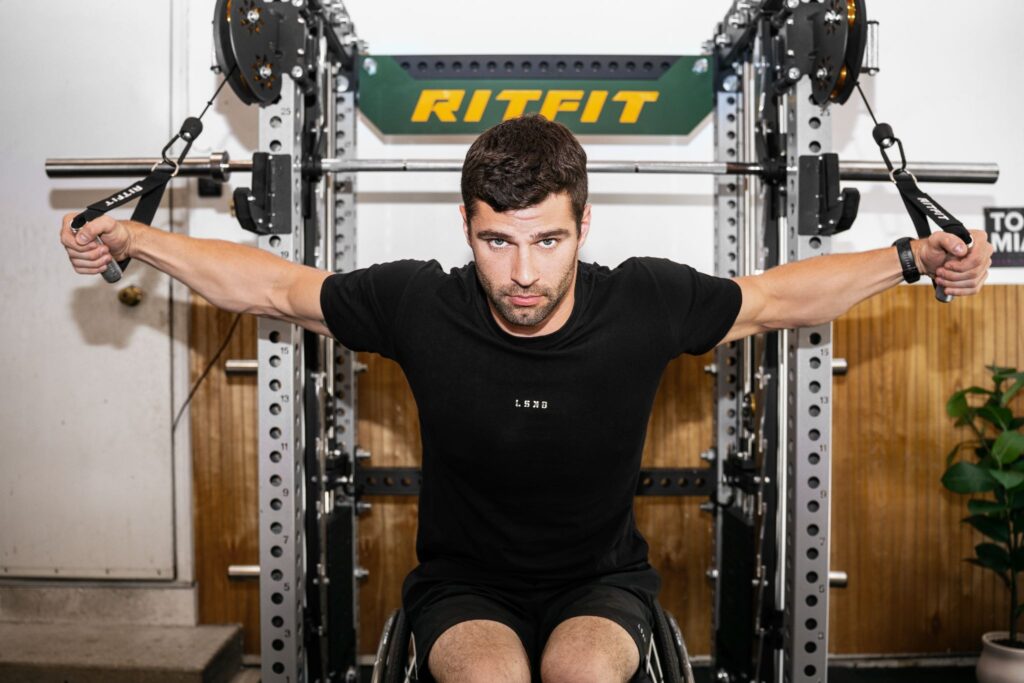
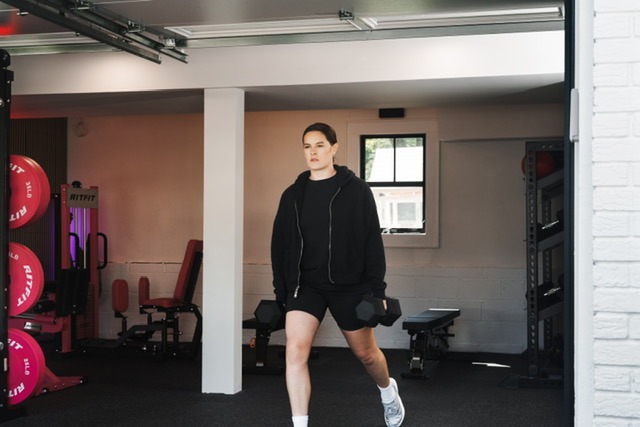
Whether it’s cardio or lifting, Beattie ensures that she gets a workout in using her home setup. Her RitFit machine makes it easy to complete lifting sessions, with daily garage workouts keeping the former footballer physically and mentally fulfilled.
Beattie was particularly excited about the smith machine. “It’s so cool to me that you can just fit so many things within the one Smith machine, whether it’s the bench going underneath to be able to do incline bench with the bar or the cable pulls, they’re so versatile with the amount of different exercises you can do.”
Why Beattie is Supporting RitFit’s Pink October Campaign
RitFit is supporting breast cancer awareness throughout October, and Beattie is firmly behind the initiative. This includes a A $150,000 fixed donation to the Breast Cancer Research Foundation (BCRF), a company dedicated to ending breast cancer through advancing the world’s most promising research. You can explore the RITFIT Pink Series here.
“Supporting research and breast cancer awareness for me specifically means it’s the single handedly the most important thing. I was 29 with no family history, and it scared the life out of me. I was young and wasn’t ready for the annual mammograms.”
“I didn’t realize how common the disease is and how many people it affects, whether it’s directly or indirectly. I didn’t know about treatments. I don’t think I even really knew or understood what a proper mammogram even looked like. So that education piece for me has to start younger. So it was about spreading the awareness to young women and young girls to really become more attuned in their body and understand what certain things might look like or feel like.”
Beattie is keen to promote further research into women’s health, while normalizing conversations around this subject. She was speaking to BOXROX in partnership with RitFit.