

If your goal is to burn fat, you have probably heard completely different advice depending on who you ask. Some people swear by running. Others say strength training is the only answer. High intensity interval training has also gained a reputation as the ultimate fat burning workout.
The truth is much more interesting. There is no single exercise that is perfect for everyone. The best fat burning exercise depends on your fitness level, body composition, training experience, preferences, recovery ability, and how consistently you can stick with it. Scientific research shows that fat loss is driven primarily by creating a sustainable calorie deficit while preserving muscle mass and staying physically active. Exercise helps by increasing daily energy expenditure, improving metabolic health, maintaining lean tissue during weight loss, and making long term weight management easier.



Instead of searching for a magical workout, it is more useful to understand how different types of exercise affect fat loss and how to choose the one that fits your body and lifestyle.
What Actually Burns Body Fat?
Before choosing an exercise, it helps to understand how fat loss works. Your body stores excess energy as fat. To reduce those fat stores, you need to consistently use more energy than you consume over time. Exercise contributes to that energy deficit, but it also offers several additional benefits that dieting alone cannot fully provide.
Regular training helps preserve muscle mass, improves insulin sensitivity, increases cardiovascular fitness, supports hormone regulation, and often makes people more successful at maintaining weight loss after they reach their goal.
One important point often misunderstood is that the exercise burning the highest percentage of fat during the workout is not necessarily the exercise that leads to the greatest fat loss over weeks and months. Total energy expenditure, consistency, recovery, and muscle preservation matter much more than what fuel source your body uses during a single workout.
Why There Is No Perfect Fat Burning Exercise
The ideal workout is the one you can perform consistently for months or years. Someone who enjoys lifting weights four times each week will almost always achieve better long term results than someone forcing themselves to run despite hating every session.
Best 5 Tips for Beginners that Want to Build Stronger Legs
Research consistently shows that adherence is one of the strongest predictors of successful fat loss. If you enjoy your training, you are more likely to stick with it, train harder, recover well, and build healthy habits. Several factors influence your ideal exercise.

Your Current Fitness Level
Beginners respond well to almost any structured exercise program. Walking, cycling, swimming, resistance training, and bodyweight workouts can all produce meaningful improvements in body composition.
More experienced athletes may need higher training volumes or greater intensity to continue progressing.
Your Body Weight
People carrying more body weight often find high impact exercise uncomfortable. Walking, cycling, rowing, swimming, and resistance training reduce joint stress while still providing excellent calorie expenditure.
Your Goals
If your only goal is losing weight, several exercise options work well. If you also want to become stronger, build muscle, improve athletic performance, or reduce injury risk, resistance training becomes much more important.
Walking Is More Powerful Than Most People Think
Walking rarely gets attention because it seems too simple. However, research consistently shows that walking is one of the most effective and sustainable forms of physical activity for weight management.
Walking has several advantages. It creates relatively little fatigue, carries a very low injury risk, requires no equipment, and can be performed almost every day. Because recovery demands are low, people can accumulate a large amount of weekly activity without negatively affecting strength training or daily life.
Walking also increases what scientists call non exercise activity thermogenesis, which represents energy spent through everyday movement. Higher daily movement is strongly associated with lower body fat levels and better long term weight management. For many overweight individuals, increasing daily step count from about 4,000 steps to between 8,000 and 12,000 steps may have a greater impact on long term fat loss than adding one exhausting workout each week.
Running Burns More Calories Per Minute
Running remains one of the highest calorie burning activities available. The exact number depends on body weight and pace, but running generally burns substantially more calories per minute than walking.
This makes running an efficient option for people who enjoy it and tolerate the impact well. Running also improves cardiovascular fitness, increases aerobic capacity, strengthens the heart, and supports metabolic health. However, higher calorie burn comes with greater recovery demands and higher injury risk compared with walking. Someone who develops repeated injuries while running may ultimately burn fewer calories over several months than someone walking consistently every day.

That is why sustainability matters more than choosing the exercise with the highest calorie burn on paper.
Strength Training Helps Protect Muscle While Losing Fat
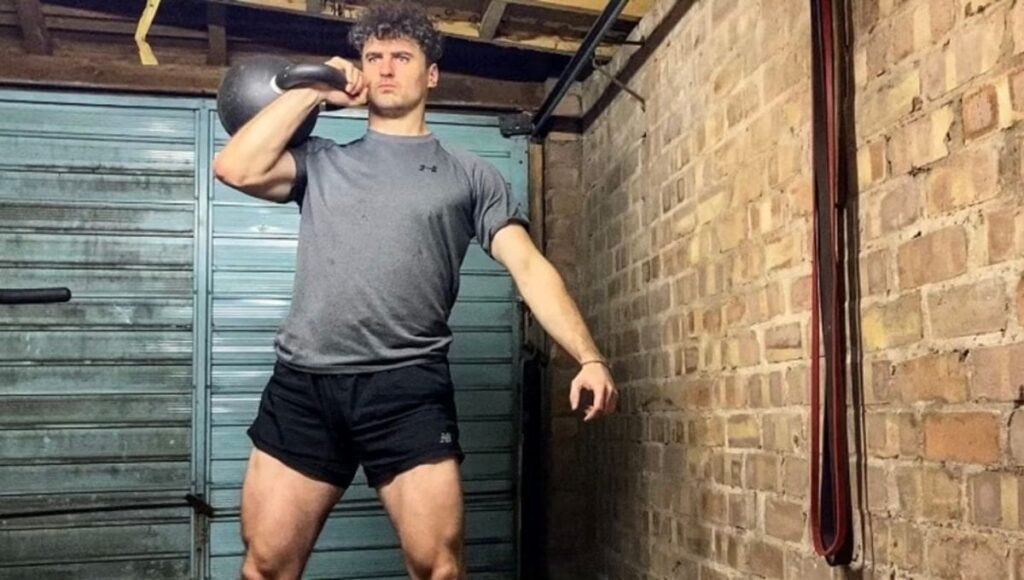
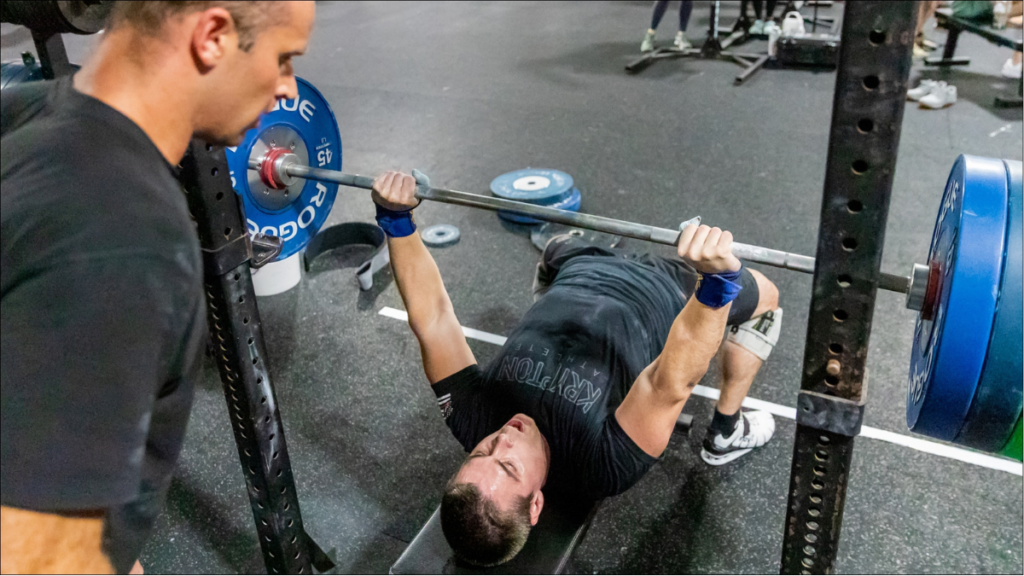
If there is one exercise type almost everyone trying to lose fat should include, it is resistance training. When people lose weight through dieting alone, they typically lose both fat and muscle. Losing muscle slows resting metabolic rate and can reduce strength, function, and long term weight maintenance.
Resistance training signals the body to preserve lean tissue during a calorie deficit. Research consistently demonstrates that combining resistance training with adequate protein intake results in greater fat loss while maintaining significantly more muscle compared with dieting alone.
Building muscle also improves physical function, bone health, insulin sensitivity, and long term metabolic health. Contrary to popular belief, lifting weights does not prevent fat loss. It actually supports healthier weight loss.
High Intensity Interval Training Can Save Time
High intensity interval training, commonly called HIIT, alternates short periods of intense work with recovery intervals. A workout might include thirty seconds of hard cycling followed by ninety seconds of easier effort repeated several times. HIIT has become extremely popular because research shows it can improve cardiovascular fitness efficiently.
Studies suggest HIIT can produce fat loss similar to longer moderate intensity exercise while requiring less training time. However, HIIT is not magic. Many people assume interval training burns dramatically more fat than traditional cardio, but scientific reviews show the differences are relatively small when total energy expenditure is similar.
HIIT also produces greater fatigue and requires longer recovery. For beginners, one or two weekly HIIT sessions are usually sufficient.
Cycling Is Excellent for Joint Friendly Fat Loss
Cycling provides many of the cardiovascular benefits of running while placing much less stress on the knees, ankles, and hips. This makes it an excellent choice for heavier individuals, older adults, or anyone recovering from impact related injuries.
Indoor cycling also removes weather as an excuse and allows workouts to be performed with precise intensity control. Longer moderate rides improve aerobic fitness and burn substantial calories. Shorter interval sessions increase cardiovascular fitness while keeping workout duration manageable.
Swimming Provides a Full Body Workout
Swimming recruits nearly every major muscle group while placing minimal stress on the joints. For individuals with arthritis, obesity, or orthopedic limitations, swimming can provide an effective method of increasing energy expenditure safely.

Although water temperature and buoyancy influence calorie burn, regular swimming improves cardiovascular health, muscular endurance, and overall fitness while supporting fat loss when combined with appropriate nutrition.
Which Exercise Burns the Most Calories?
Many people want a simple ranking. The reality depends on body weight, effort, fitness level, and workout duration. Generally speaking, running burns the most calories per minute among common exercises.
Jump rope, rowing, stair climbing, and vigorous cycling also rank highly. Walking burns fewer calories per minute but is much easier to sustain for longer periods and more frequent sessions.

Resistance training burns fewer calories during the workout than vigorous cardio, but its role in preserving muscle makes it extremely valuable during fat loss. Instead of asking which exercise burns the most calories in one hour, ask which exercise you can perform consistently every week for the next year. That question produces much better results.
Does the Fat Burning Zone Really Matter?
Many cardio machines advertise a fat burning zone. This concept comes from the fact that lower intensity exercise uses a greater percentage of fat as fuel. While technically true, it often leads to misunderstanding.
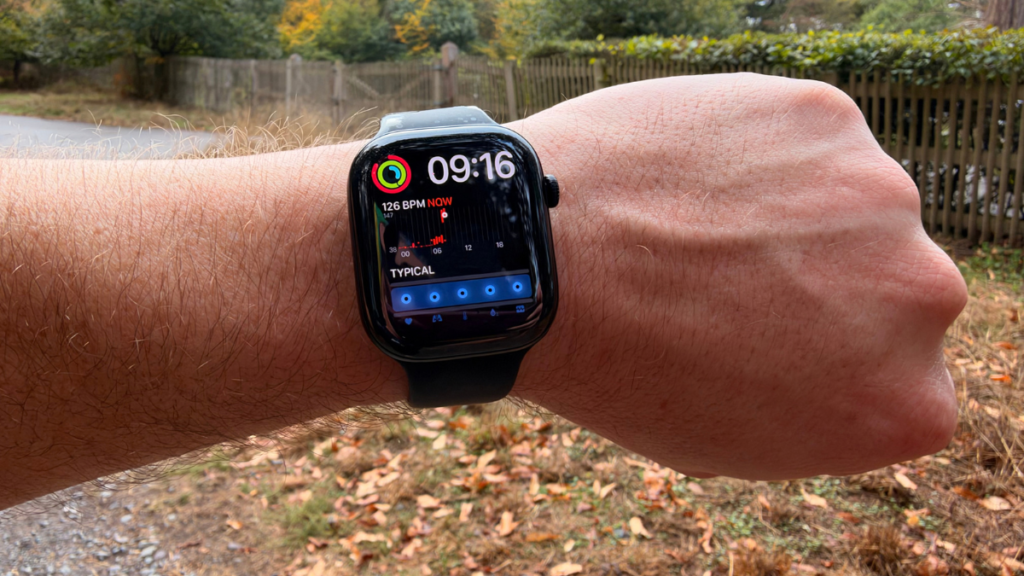
Higher intensity exercise uses a greater percentage of carbohydrates, but it also burns more total calories. Over the course of weeks and months, total energy expenditure is far more important than the percentage of fat used during a single workout. Researchers consistently conclude that focusing exclusively on staying within a specific heart rate zone offers little advantage for overall fat loss. The best intensity is one you can recover from consistently while maintaining sufficient weekly exercise volume.
Can You Burn Fat Without Cardio?
Yes. People can successfully lose significant amounts of body fat through resistance training combined with dietary calorie control. Strength training increases energy expenditure, preserves muscle mass, and improves insulin sensitivity.
However, combining resistance training with cardiovascular exercise generally provides greater improvements in overall health, cardiovascular fitness, and calorie expenditure. Most exercise guidelines recommend including both.
How to Find Your Perfect Fat Burning Exercise
The perfect exercise is not the one that burns the most calories during one workout.
- It is the one that matches your body, your goals, and your lifestyle.
- If you enjoy lifting weights, make resistance training your foundation and add walking or cycling.
- If you love running, continue running while including strength work to preserve muscle.
- If your joints limit impact exercise, choose swimming, rowing, or cycling.
- If your schedule is busy, use short HIIT sessions alongside daily walking.
The common factor among successful fat loss stories is consistency. People who enjoy their workouts continue showing up. Those repeated training sessions create meaningful calorie expenditure, preserve muscle, improve fitness, and make maintaining a healthy body weight much easier over time.
Rather than searching endlessly for the perfect exercise, choose one you genuinely enjoy enough to perform week after week. Science suggests that decision matters far more than chasing the latest fitness trend.
Key Takeaways
| Topic | Main Point |
|---|---|
| Best exercise | There is no single perfect fat burning exercise for everyone. |
| Walking | Excellent for long term consistency, daily calorie expenditure, and low injury risk. |
| Running | Burns more calories per minute but has higher recovery and injury demands. |
| Strength training | Essential for preserving muscle during weight loss and supporting long term metabolism. |
| HIIT | Time efficient and effective but not dramatically superior to other forms of exercise for fat loss. |
| Cycling and swimming | Excellent low impact choices that support cardiovascular health and calorie expenditure. |
| Fat burning zone | Total calories burned over time matter more than exercising in a specific heart rate zone. |
| Long term success | Consistency, sustainability, nutrition, and regular physical activity produce the best fat loss results. |
References
- American College of Sports Medicine, 2021. ACSM’s Guidelines for Exercise Testing and Prescription. 11th ed. Philadelphia: Wolters Kluwer.
- Donnelly, J.E., Blair, S.N., Jakicic, J.M., Manore, M.M., Rankin, J.W. and Smith, B.K., 2009. Appropriate physical activity intervention strategies for weight loss and prevention of weight regain for adults. Medicine & Science in Sports & Exercise, 41(2), pp.459 to 471.
- Ekelund, U., Tarp, J., Steene Johannessen, J., Hansen, B.H., Jefferis, B., Fagerland, M.W., Whincup, P., Diaz, K.M., Hooker, S.P., Chernofsky, A. and colleagues, 2020. Dose response associations between accelerometry measured physical activity and sedentary time and all cause mortality. British Medical Journal, 366, l4570.
- Garber, C.E., Blissmer, B., Deschenes, M.R., Franklin, B.A., Lamonte, M.J., Lee, I.M., Nieman, D.C. and Swain, D.P., 2011. Quantity and quality of exercise for developing and maintaining cardiorespiratory, musculoskeletal, and neuromotor fitness in apparently healthy adults. Medicine & Science in Sports & Exercise, 43(7), pp.1334 to 1359.
- Keating, S.E., Johnson, N.A., Mielke, G.I. and Coombes, J.S., 2017. A systematic review and meta analysis of interval training versus moderate intensity continuous training on body adiposity. Obesity Reviews, 18(8), pp.943 to 964.
- Morton, R.W., Murphy, K.T., McKellar, S.R., Schoenfeld, B.J., Henselmans, M., Helms, E., Aragon, A.A., Devries, M.C., Banfield, L., Krieger, J.W. and Phillips, S.M., 2018. A systematic review, meta analysis and meta regression of protein supplementation on resistance training induced gains in muscle mass and strength in healthy adults. British Journal of Sports Medicine, 52(6), pp.376 to 384.