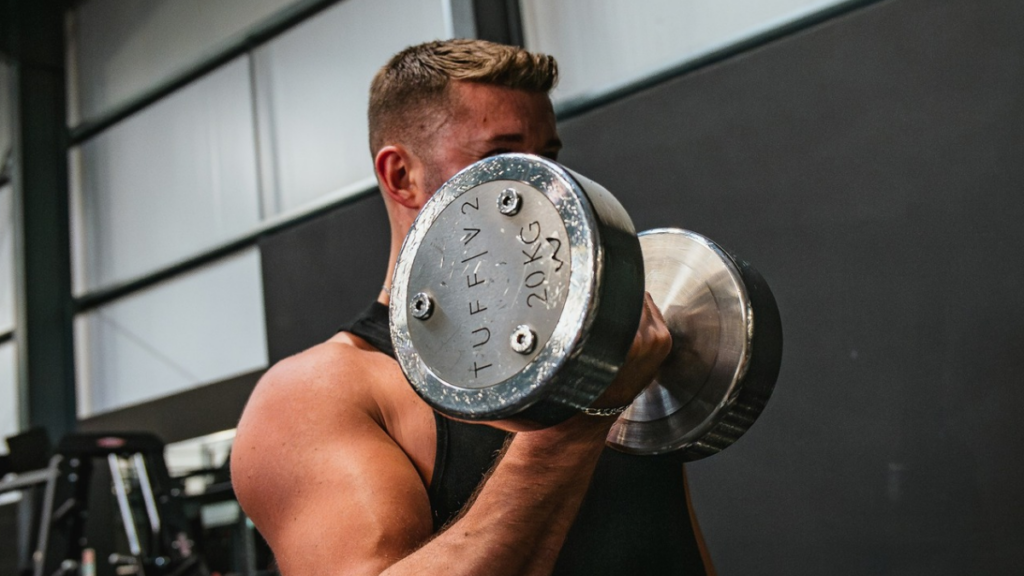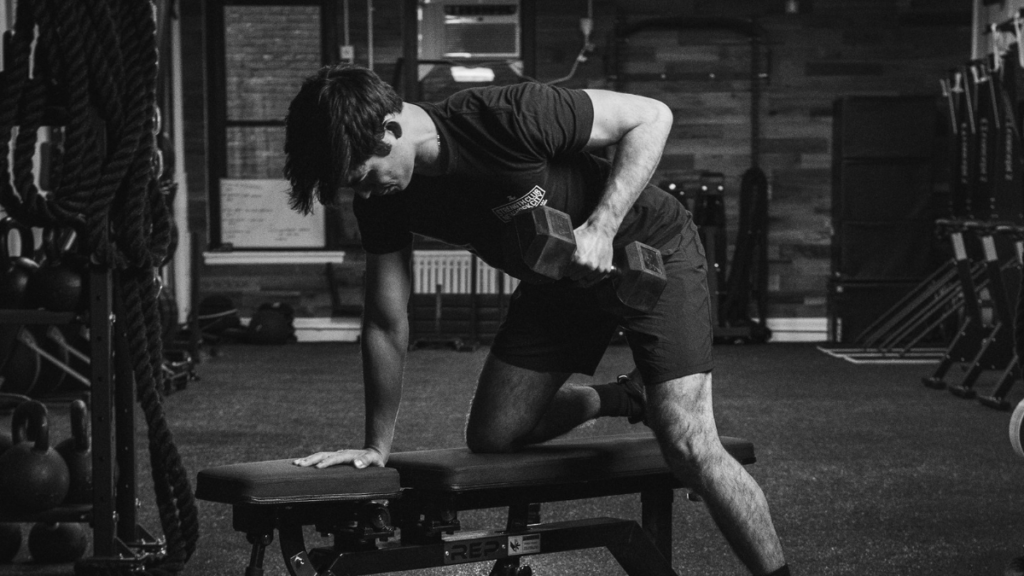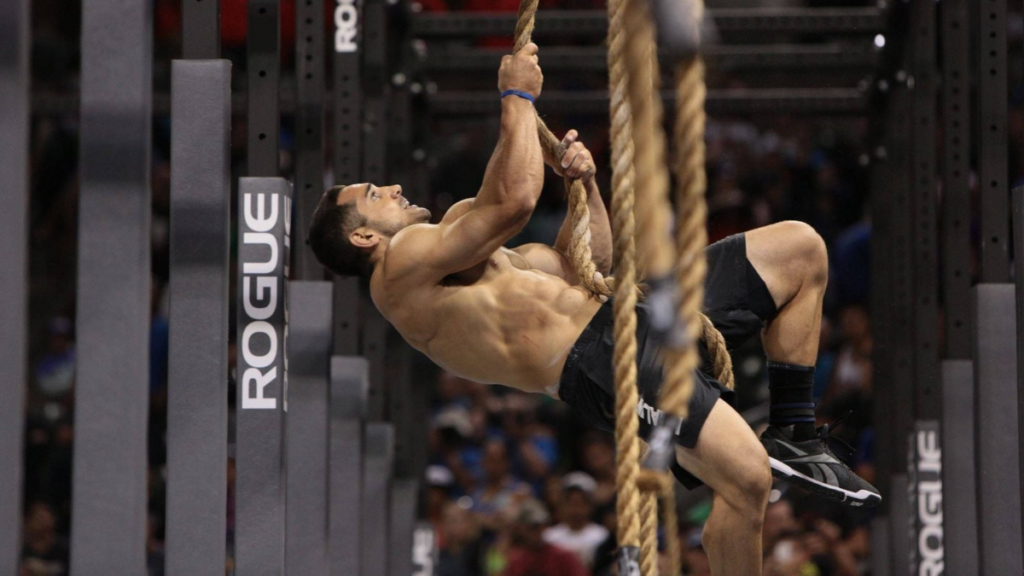


A wide, strong back comes from training several muscles and movement patterns. The latissimus dorsi, or lats, contribute to the broad shape of the back. The trapezius, rhomboids and rear shoulders help create upper back thickness, while the spinal erectors support the torso during lifting. Compound exercises work multiple joints and muscle groups at once, making them an efficient foundation for back training.
No single exercise builds every part of the back equally. Vertical pulls train the lats through shoulder movement, rows train the lats and upper back through horizontal pulling, and deadlifts challenge the muscles that support the torso and hips. These three movements cover different jobs your back performs, and they can be adjusted to suit your current strength and equipment.


1. Pull Ups or Lat Pulldowns
Pull ups and lat pulldowns are vertical pulling exercises that train the lats alongside the biceps, forearms and muscles that control the shoulder blades. Pull ups use your body weight as resistance. Lat pulldowns let you choose a manageable load, which can make it easier to learn the movement or keep adding resistance over time.
The lats help move the upper arm down and back toward the body. During a pull up, the arms travel from an overhead position toward the torso. In a pulldown, you create a similar action by pulling the bar toward your upper chest. Research comparing common back exercises has recorded lat activity during both pulldowns and rows, though muscle activity measured during one workout does not prove that an exercise will produce more long term growth than another.
How to perform the movement
For a pull up, take a secure grip on the bar and begin with your arms extended. Brace your trunk, then pull your elbows down toward your sides as you raise your chest toward the bar. Lower yourself under control until your arms are extended again. Avoid swinging your legs to create momentum, since that makes it harder to repeat the same movement consistently.
For a lat pulldown, sit with your thighs held comfortably under the pads and grip the bar just outside shoulder width. Lean back only slightly, then pull the bar toward your upper chest by driving your elbows down. Let the bar rise under control until your arms are extended without shrugging your shoulders toward your ears. Pull the bar in front of your head rather than behind your neck.
A very wide grip is not required to build wide lats. Use a grip that lets you move comfortably through a full range of motion and control the load. One small electromyography study found that pulldown and seated row variations activated the lats, but acute muscle activity readings should not be treated as a ranking of which variation builds the most muscle.
How to scale it
If you cannot yet complete a controlled pull up, use an assisted pull up machine, resistance band assistance or lat pulldowns. Choose a version that allows you to perform smooth repetitions without kicking or shortening the movement. As you get stronger, gradually reduce assistance or increase the pulldown weight.
For muscle growth, select a load that makes the final repetitions challenging while allowing good form. A moderate repetition range, such as 6 to 12 repetitions, is a practical starting point, but research suggests that a wider range of loads can build muscle when sets are sufficiently challenging. Rest long enough to maintain control and performance on your next set.
2. Bent Over Barbell Rows
The bent over barbell row is a horizontal pull that trains the lats, rhomboids, trapezius and rear shoulders. It also asks the spinal erectors and trunk muscles to hold your torso in position while you move the bar. This combination makes the row a useful choice for building upper back strength and thickness.
Rows complement vertical pulls because the direction of force is different. Instead of pulling from overhead, you draw the weight toward your torso. The elbows move behind the body, while the shoulder blades move toward each other. That coordinated action involves the muscles between the shoulder blades as well as the lats.
How to perform the movement
Stand with your feet about hip width apart and hold the bar just outside your legs. Push your hips back and bend your knees slightly until your torso is inclined forward. Keep your spine in a comfortable, stable position and let your arms hang beneath your shoulders. Pull the bar toward your lower ribs or upper abdomen, then lower it under control.
Keep the torso angle steady as you row. If your hips rise or your chest jerks upward on each repetition, the load may be too heavy to control. You do not need to exaggerate the squeeze of your shoulder blades or pull the bar into your chest. Focus on repeating a comfortable range of motion with your trunk braced.
How to adjust the row
Use an overhand grip around shoulder width as a starting point. A somewhat narrower grip may feel more natural for some lifters, while others may prefer a wider position. The best choice is one that lets you row without pain and maintain a consistent torso position.
If holding the bent over position limits your sets, try a chest supported row or a seated cable row. These still train horizontal pulling muscles while reducing the demand to keep your torso hinged forward. They are useful alternatives when your lower back is tired from other training or when you want to focus more of the effort on pulling.
3. Deadlifts
Deadlifts are best known as a whole body strength exercise, but they also challenge the muscles that support and extend the spine. The spinal erectors help resist unwanted movement in the torso, while the hips and legs produce much of the force that raises the bar. The upper back and lats help keep the bar close and the shoulders controlled during the lift.
A deadlift is not a direct substitute for a pull up or row when the goal is lat development. Its value in a back program is that it trains the posterior chain and trunk to produce and resist force under load. Reviews of deadlift electromyography studies report substantial activity in the erector spinae and other muscles involved in the lift, although the exact demands vary with technique and exercise variation.
How to perform the movement
Stand with the bar over the middle of your feet. Hinge at the hips and bend your knees enough to reach the bar, then grip it just outside your legs. Brace your trunk, bring your shoulders over or slightly in front of the bar, and keep it close as you push through the floor. Stand tall by extending your hips and knees together, then return the bar to the floor with control.
Start with a load that allows you to maintain your position from the first repetition to the last. Avoid jerking the bar from the floor or leaning backward at the top. Each repetition should begin from a stable setup. If the bar drifts forward, reset and bring it closer before lifting again.
Choosing a variation
A conventional deadlift is one option, but it is not the only one. A trap bar deadlift may be more comfortable for some lifters, while Romanian deadlifts emphasize a controlled hip hinge with less movement at the knees. Choose the version that fits your mobility, experience and training goals.
The Best 3 Twisting Core Exercises for Beginners
Deadlifts can create considerable fatigue, so they do not need to be performed for high repetitions or taken to failure. A few controlled sets of 3 to 6 repetitions can build strength. If your main goal is back muscle growth, prioritize quality pulling work and use deadlifts at a volume you can recover from.
How to Combine the Three Exercises
You can train these exercises in one back session or distribute them across the week. For example, start with pull ups or pulldowns, continue with rows, and finish with deadlifts if you have the energy and technique to perform them well. If deadlifts are a priority for your strength training, place them earlier in the session while you are fresh.
Begin with 2 to 4 working sets of each movement, adjusting the total to match your experience and recovery. Weekly training volume matters for muscle growth, but more work is not automatically better if it makes your technique deteriorate or prevents you from recovering. Add repetitions or a small amount of weight when you can complete all your planned sets with consistent form.

Train with controlled repetitions and leave a little room before technical failure, particularly on deadlifts. On pull ups, pulldowns and rows, sets can be taken closer to the point where another clean repetition is not possible. You do not have to use the same repetition range for every movement. Heavier loads can help develop strength, while moderate loads often make it easier to accumulate challenging repetitions.
A wider back also takes time to build. Keep your training consistent, record your loads and repetitions, and make gradual progress. The three exercises here provide a practical starting point because they train vertical pulling, horizontal pulling and loaded hip extension. Pair them with enough recovery and a sustainable training plan, and you will have a solid base for building a stronger back.
Key Takeaways
| Exercise | Main training emphasis | Practical starting point |
|---|---|---|
| Pull up or lat pulldown | Vertical pulling and lat training | 3 sets of 6 to 12 controlled repetitions |
| Bent over barbell row | Horizontal pulling and upper back training | 3 sets of 8 to 12 repetitions |
| Deadlift | Posterior chain and torso strength | 2 to 4 sets of 3 to 6 repetitions |
References
- Lehman, G.J., Buchan, D.D., Lundy, A., Myers, N. and Nalborczyk, A. (2004) ‘Variations in muscle activation levels during traditional latissimus dorsi weight training exercises: An experimental study’, Dynamic Medicine, 3(1), article 4.
- Schoenfeld, B.J., Ogborn, D. and Krieger, J.W. (2017) ‘Dose-response relationship between weekly resistance training volume and increases in muscle mass: A systematic review and meta-analysis’, Journal of Sports Sciences, 35(11), pp. 1073–1082.
- Schoenfeld, B.J., Grgic, J., Ogborn, D. and Krieger, J.W. (2017) ‘Strength and hypertrophy adaptations between low- vs. high-load resistance training: A systematic review and meta-analysis’, Journal of Strength and Conditioning Research, 31(12), pp. 3508–3523.
- Martín-Fuentes, I., Oliva-Lozano, J.M. and Muyor, J.M. (2020) ‘Electromyographic activity in deadlift exercise and its variants: A systematic review’, PLOS ONE, 15(2), e0229507.