

Turning 40 does not mean you need to choose between lifting weights and doing cardio. Both support health, and each trains parts of your body the other cannot fully replace. Strength training helps you build and maintain muscle, strength, and everyday physical ability. Cardio improves your heart and lungs and helps you sustain activity for longer.
If you have limited time, the best choice depends on what you currently do and what you want to improve. If you already walk, cycle, or run regularly but rarely lift, strength training may fill a bigger gap. If you lift consistently but spend most of the day sitting, aerobic activity may deserve more attention. For most adults over 40, a routine that includes both is the most useful goal.


Why Both Types of Exercise Matter After 40
Age alone does not make exercise less valuable. It does, however, make it useful to pay attention to more than one measure of fitness. Being able to climb stairs without getting winded matters, but so does having the strength to carry groceries, lift a suitcase, and get up from the floor.
Strength and aerobic fitness are different qualities. A brisk walk challenges your cardiovascular system, while a set of squats challenges your muscles against resistance. You can improve one without fully developing the other, which is why a balanced routine works better than treating either type of exercise as a substitute for all the rest.

The World Health Organization recommends that adults, including adults aged 40 to 64, aim for 150 to 300 minutes of moderate intensity aerobic activity each week, or 75 to 150 minutes of vigorous activity, or an equivalent combination. It also recommends muscle strengthening activities involving the major muscle groups on at least two days per week. These are population guidelines, not a pass or fail test. Doing some activity is useful even if you have not reached those targets yet.
What Strength Training Can Do for You
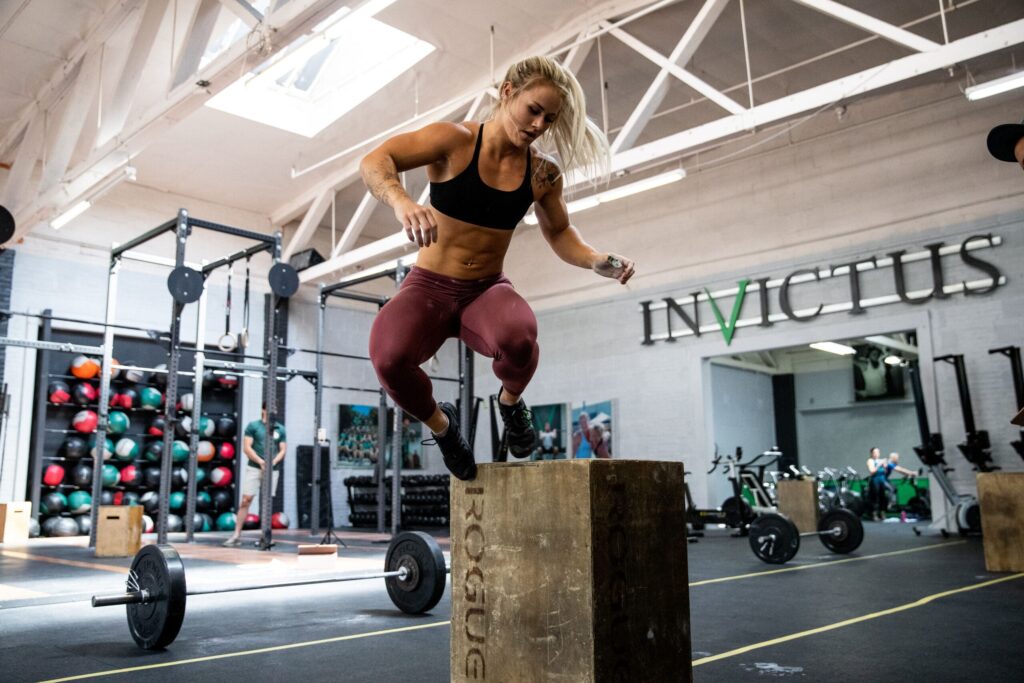
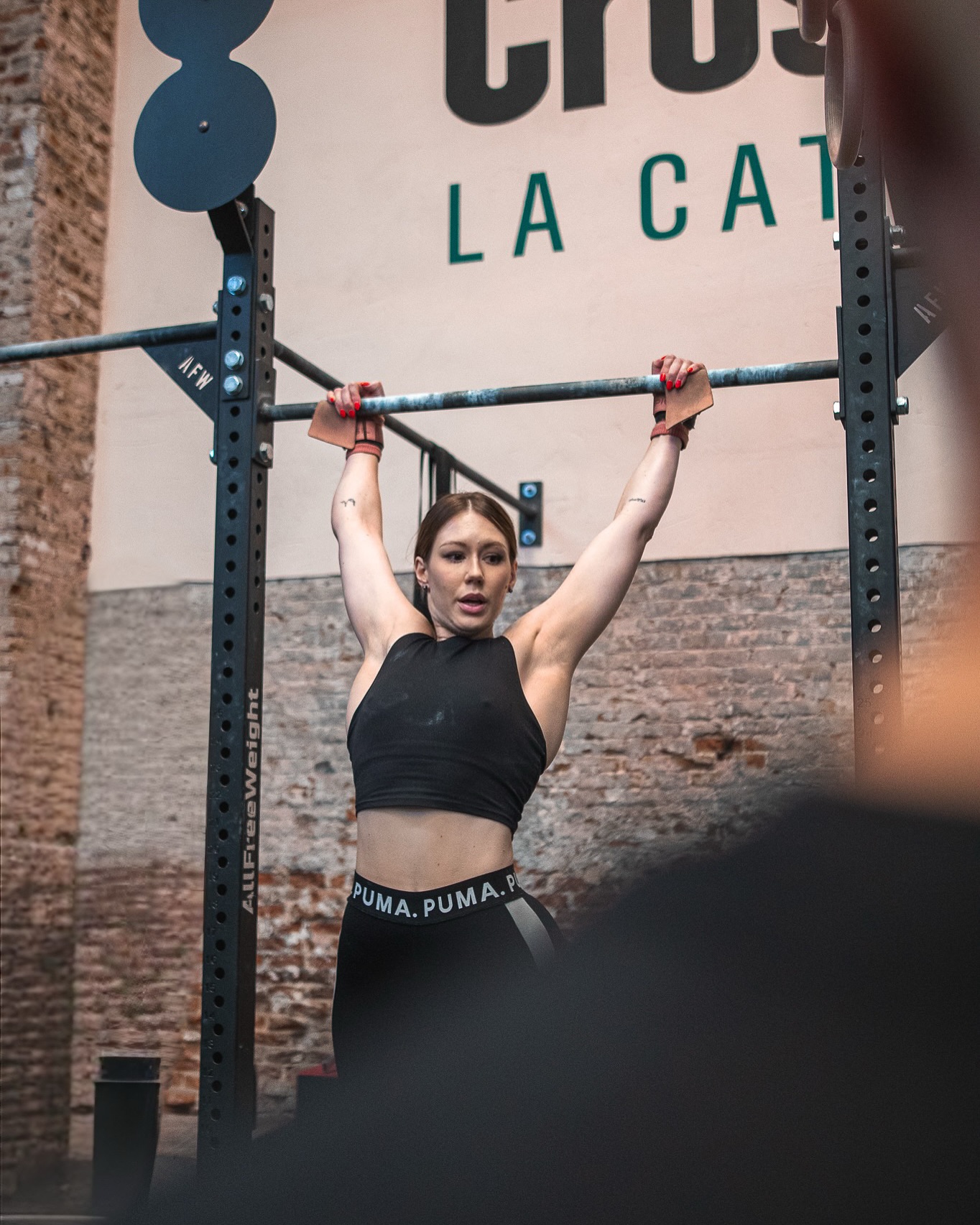
Strength training gives your muscles a reason to adapt. When you regularly lift weights, use resistance bands, or perform challenging bodyweight exercises, you can improve strength and build or maintain muscle. This is useful at any age, and it becomes particularly relevant when you want to preserve the capacity to do daily tasks as you get older.
Muscle loss and reduced strength are not inevitable consequences of turning 40. However, muscle and strength can decline with age, especially when activity levels fall or illness and other health problems limit movement. Progressive resistance training is an effective way to improve strength and physical function in older adults, including people with sarcopenia, a condition involving low muscle strength and muscle quantity. Research in older populations supports the value of resistance training, although individual results depend on factors such as training history, health, and the program being followed.
Strength training also gives you a practical way to measure progress. You might use a heavier dumbbell, perform more repetitions with the same weight, or complete a movement with better control. Progress does not have to mean lifting as heavily as possible. It can mean that a task which once felt difficult now feels manageable.
A well rounded program does not need to be complicated. It can include movements that train your legs, hips, back, chest, shoulders, and arms. Squats or sit to stands, hip hinges, presses, rows, and loaded carries are examples of patterns that can be adjusted to suit different abilities. The right version depends on your experience, equipment, and any pain or medical conditions you have.
Strength training should not be treated as a quick fix for every health concern. It does not replace aerobic exercise, and it does not guarantee that you will avoid injury, illness, or age related changes. Its value is that it directly develops a kind of fitness that walking or cycling alone cannot fully provide.
What Cardio Can Do for You
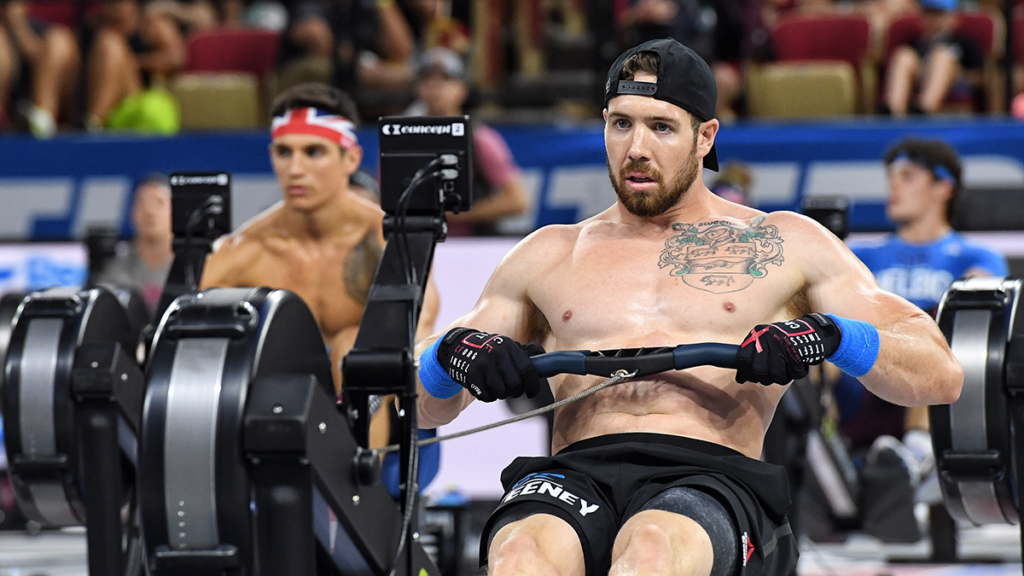
Cardio, also called aerobic exercise, challenges your heart and lungs over time. Walking briskly, jogging, cycling, swimming, dancing, and using an elliptical machine can all count, depending on how hard and how long you do them.
Regular aerobic activity improves cardiorespiratory fitness, or your ability to supply and use oxygen during sustained movement. This can make activities such as climbing hills, playing with children, or walking quickly feel easier. It also provides health benefits beyond exercise performance. Public health recommendations include aerobic activity because it supports cardiovascular and overall health.
Cardio can be adapted to almost any fitness level. A walk at a pace that makes conversation possible but slightly more difficult is moderate intensity for many people. If you are new to exercise or returning after a long break, shorter walks can be a sensible place to begin. You can build up the duration or pace gradually as your fitness improves.
Cardio does not need to mean hard running or exhausting intervals. Some people enjoy vigorous sessions, but others can meet their needs through walking, cycling, swimming, or other moderate activities. The best form is one you can do regularly and recover from.
Just as strength training does not develop cardiovascular fitness by itself, cardio does not provide the same progressive muscle loading as resistance exercise. A long walk can help your endurance and general activity level, but it is not a complete replacement for a program that challenges the major muscle groups.
Is One More Important Than the Other?
For most people over 40, neither strength training nor cardio is universally more important. They serve different purposes, and the most important one for you may be the one missing from your current routine.
If you already get regular aerobic activity but do little resistance training, adding two strength sessions each week may be a sensible priority. If you lift regularly but rarely walk, cycle, or do another aerobic activity, building up your cardio may address a clear gap. If you do neither consistently, start with an amount you can repeat and add the other type over time.
Research comparing combined training with aerobic or resistance training alone in middle aged and older adults suggests that doing both can improve cardiorespiratory fitness and muscular strength. In other words, you do not have to choose one training mode to make progress in the other. A review of mortality research has also found associations between resistance training and lower mortality risk, with the strongest association reported when resistance training was combined with aerobic exercise. These findings are based on population research and do not prove that exercise alone caused the differences.

The practical conclusion is straightforward: cardio and strength training complement one another. If your schedule is tight, focus first on making room for the activity you currently neglect, then work toward including both regularly.
How to Combine Strength Training and Cardio
A simple weekly routine could include two full body strength sessions and several bouts of walking, cycling, or another aerobic activity. The sessions do not all need to happen at a gym. A brisk walk can count toward your aerobic activity, while resistance bands or bodyweight exercises can provide a starting point for strength work.
For example, you could strength train on two nonconsecutive days and take a brisk walk on most other days. You could also combine a shorter cardio session and strength training on the same day if that fits your schedule. The best arrangement is one that leaves enough room for recovery and is realistic for your life.
If you are new to lifting, begin with manageable resistance and focus on learning the movements. As the exercises become more comfortable, gradually increase the resistance, repetitions, or difficulty. Avoid making every session a maximal effort. Consistency and gradual progression are more useful starting points than trying to prove your fitness in the first week.
For cardio, begin at a pace and duration you can recover from. If 30 minutes feels like too much, start with 10 or 15 minutes and add time gradually. You can divide activity into shorter sessions across the day if that helps you build a habit.
3 Best Glute Exercises for Beginners in The Gym
People with chronic conditions, persistent pain, or a long period of inactivity may need to adapt their plan. If you have concerns about whether a particular activity is appropriate, discuss it with a qualified health professional. Exercise should challenge you, but it should not require you to ignore pain or other warning signs.
The Bottom Line
After 40, strength training and cardio both deserve a place in your routine. Strength training develops muscle and strength, while cardio improves your capacity for sustained activity and supports cardiovascular fitness. One does not do the full job of the other.
If you can only make one change this week, choose the type of training you currently do least. Then build a routine that includes aerobic activity and at least two days of muscle strengthening each week. You do not need an extreme plan. Regular sessions that you can maintain are a better foundation than an ambitious routine you cannot sustain.
Key Takeaways
| Training type | Main role | Practical target |
|---|---|---|
| Strength training | Builds and maintains muscle, strength, and physical function | Train major muscle groups on at least two days each week |
| Cardio | Improves cardiorespiratory fitness and supports overall health | Aim for 150 to 300 minutes of moderate activity, or the vigorous equivalent, per week |
| Combined training | Develops both strength and aerobic fitness | Include both in a routine you can follow consistently |
| Starting point | Addresses the gap in your current routine | Begin with manageable sessions and build gradually |
References
- Bull, F.C. et al. (2020) ‘World Health Organization 2020 guidelines on physical activity and sedentary behaviour’, British Journal of Sports Medicine, 54(24), pp. 1451–1462.
- Markov, A., Hauser, L. and Chaabene, H. (2022) ‘Effects of concurrent strength and endurance training on measures of physical fitness in healthy middle aged and older adults: A systematic review with meta analysis’, Sports Medicine, 52, pp. 2037–2055.
- Saeidifard, F. et al. (2019) ‘The association of resistance training with mortality: A systematic review and meta analysis’, European Journal of Preventive Cardiology, 26(15), pp. 1647–1665.
- Shailendra, P. et al. (2022) ‘Resistance training and mortality risk: A systematic review and meta analysis’, American Journal of Preventive Medicine, 63(2), pp. 277–285.
- World Health Organization (2020) WHO guidelines on physical activity and sedentary behaviour. Geneva: World Health Organization.