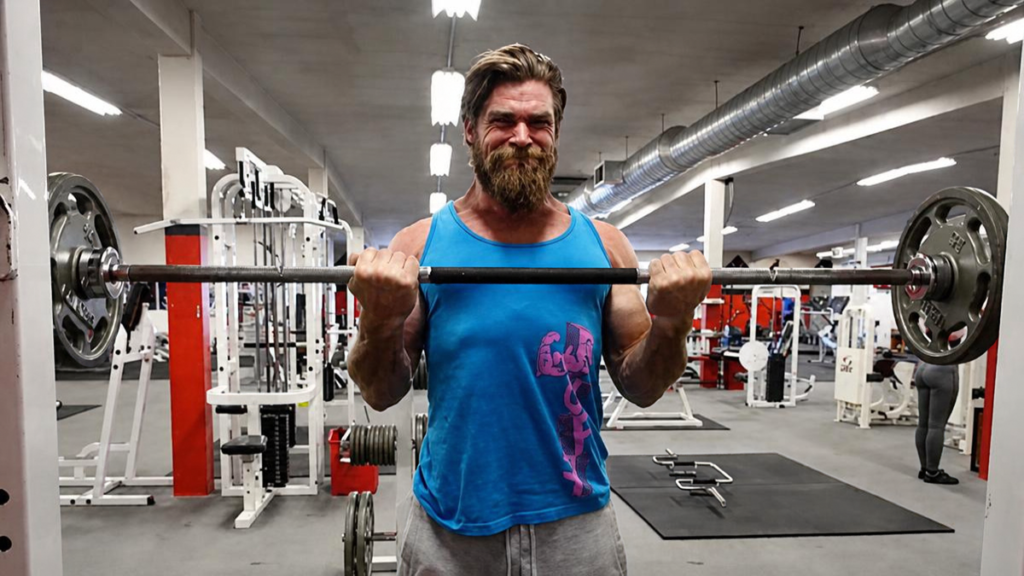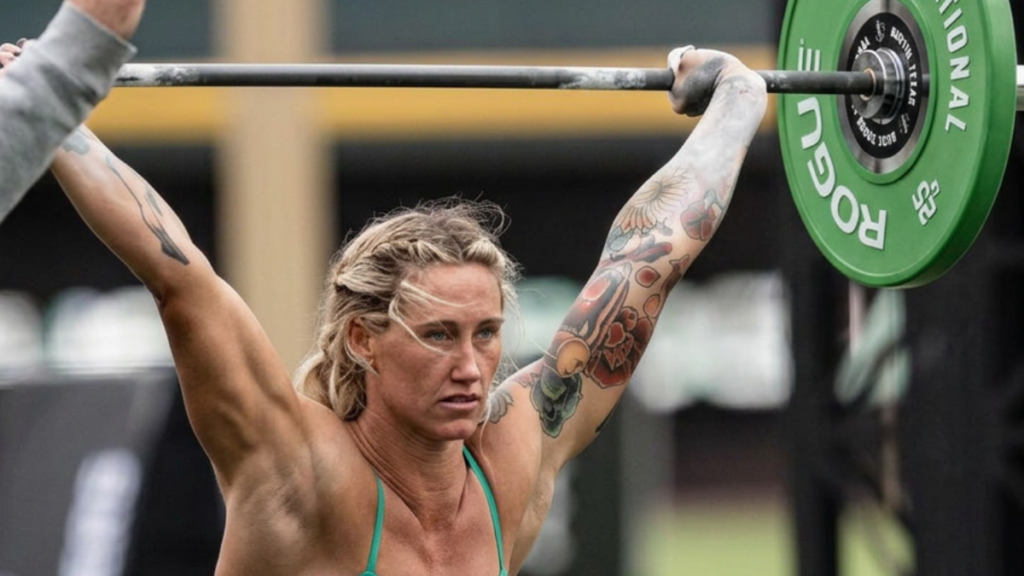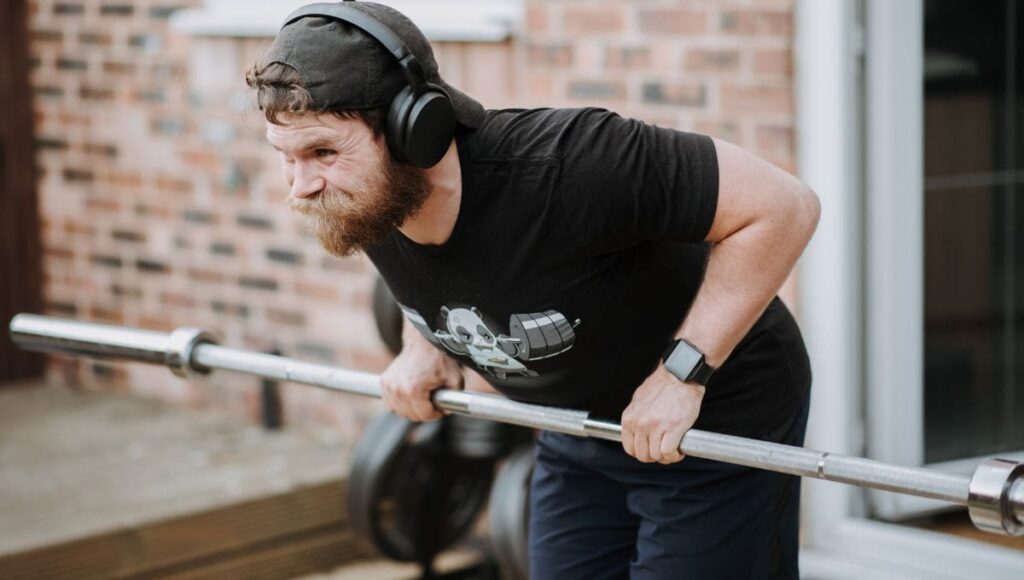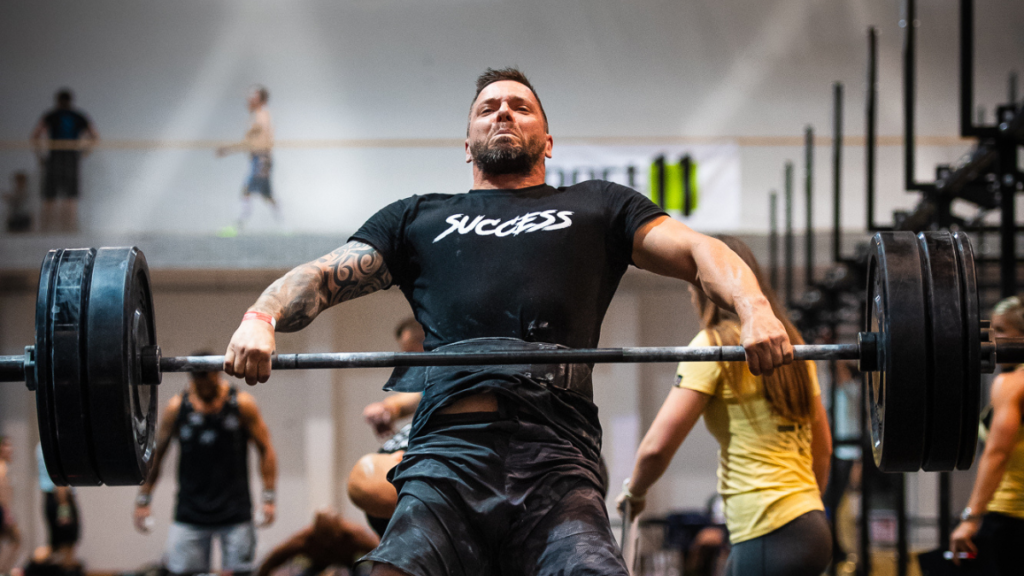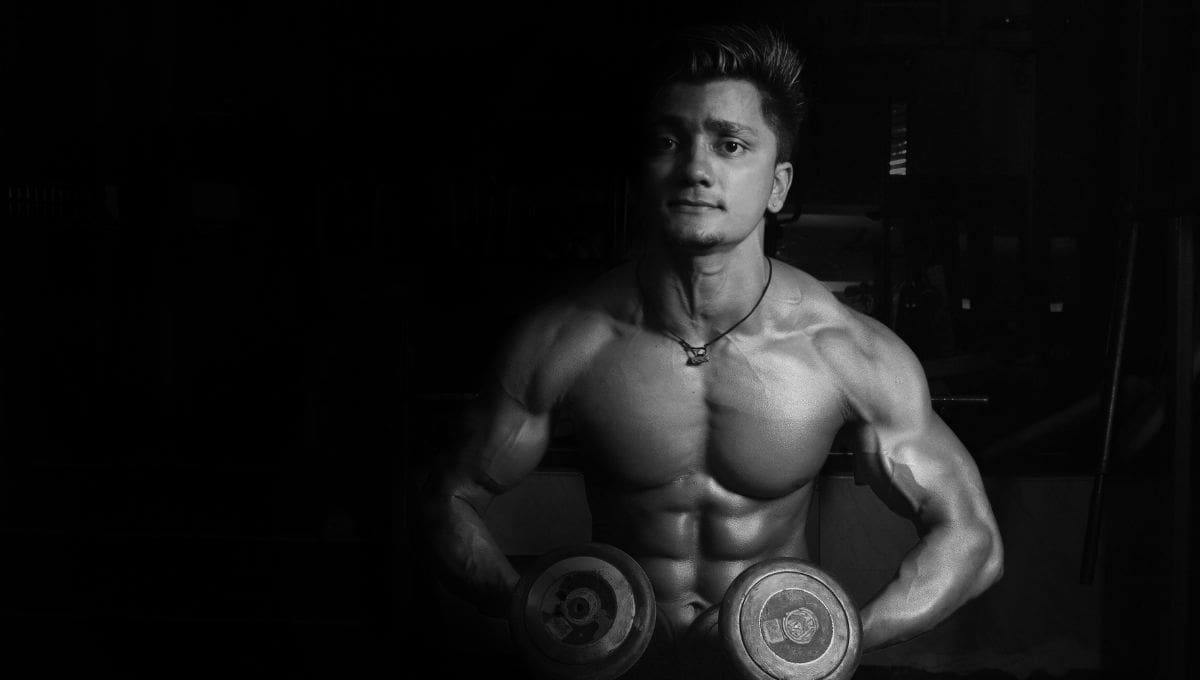


A lean, athletic torso is one of the most common fitness goals for beginners. It is not just about looking good in a T shirt or feeling more confident at the beach. Building a stronger upper body improves posture, supports everyday movement, reduces injury risk, and increases functional strength that carries over into sports and daily life.
Many people believe they need dozens of different exercises or expensive gym machines to achieve an impressive physique. Science tells a different story. Beginners make excellent progress by focusing on a handful of compound exercises that train multiple muscle groups at once. These movements create more muscle activation, burn more calories, and teach better movement patterns than endless isolation exercises.



While nutrition and overall body fat levels determine how defined your torso looks, resistance training is what builds the muscles underneath. Research consistently shows that progressive resistance training increases muscle mass, strength, and functional performance across all age groups.
If you are just starting your fitness journey, these three exercises provide one of the best returns on your time. Together they develop the chest, shoulders, back, arms, and core while helping create the broad shoulders and balanced upper body that many people associate with an athletic physique.
Why Compound Exercises Build Better Physiques
One of the biggest mistakes beginners make is spending too much time on small muscle groups. Endless biceps curls or crunches might feel productive, but they do not stimulate as much muscle growth or overall strength as large compound exercises.
Compound exercises involve several joints and multiple muscles working together. This increases total muscle recruitment, allows you to lift heavier loads over time, and creates a stronger hormonal and metabolic response to training.
Research has shown that beginners respond especially well to compound resistance training because it develops coordination while simultaneously increasing muscle size and strength. Multi joint exercises also improve functional movement patterns that translate into everyday activities.
Another major advantage is efficiency. Instead of performing six or seven separate exercises, beginners can build an excellent foundation with only a few carefully selected movements.
Exercise 1. Push Up
Why Push Ups Are One of the Best Beginner Exercises
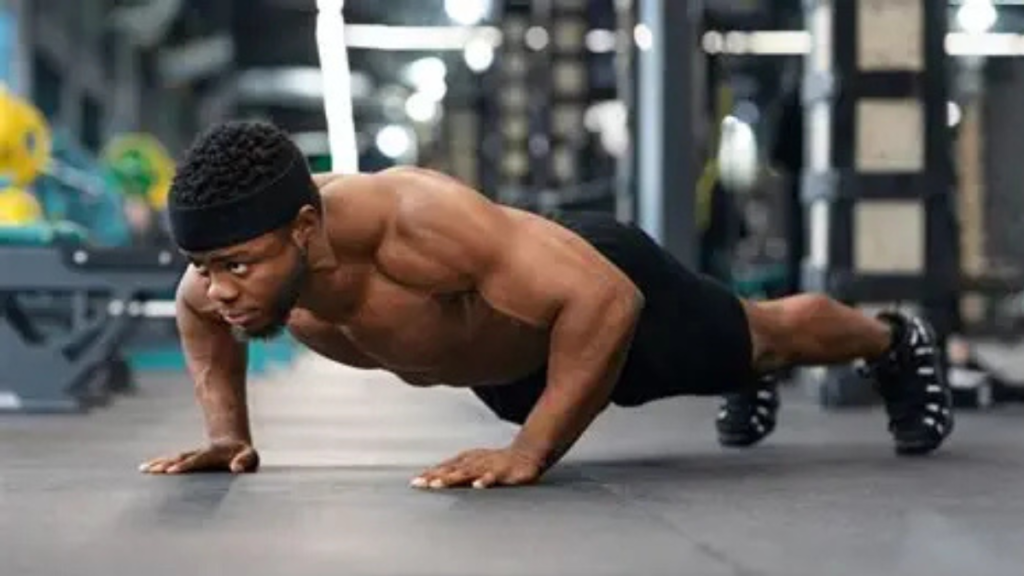
The humble push up remains one of the most effective bodyweight exercises ever studied. It develops the chest, shoulders, triceps, and core while teaching full body stability.
Electromyography studies show that standard push ups activate the pectoralis major and triceps at levels comparable to many traditional bench press variations when performed with proper technique. For beginners, they offer an excellent combination of strength development and joint friendly loading.
Unlike machine exercises, push ups require the body to stabilize itself throughout the movement. This improves shoulder stability and core activation while reinforcing proper movement mechanics.
Research has also found that upper body pushing strength is strongly associated with improvements in overall functional fitness and muscular endurance.
How to Perform the Push Up
Begin in a plank position with your hands slightly wider than shoulder width apart. Your body should form a straight line from your head to your heels.
Lower yourself by bending your elbows until your chest is close to the floor. Keep your elbows at roughly a forty five degree angle from your torso instead of flaring them straight out.
Press yourself back up until your arms are fully extended while maintaining a rigid core throughout the movement.
If standard push ups are too difficult, perform incline push ups using a bench or sturdy table. As your strength improves, gradually lower the height until you can perform them on the floor.
Muscles Developed
The push up primarily targets the chest muscles while heavily recruiting the anterior deltoids and triceps. The abdominals, obliques, lower back, and glutes work continuously to stabilize the body throughout every repetition.
Exercise 2. Pull Up or Assisted Pull Up
Why Vertical Pulling Is Essential
Many beginners focus heavily on pushing exercises while neglecting pulling movements. This creates muscular imbalances that can negatively affect posture and shoulder health.
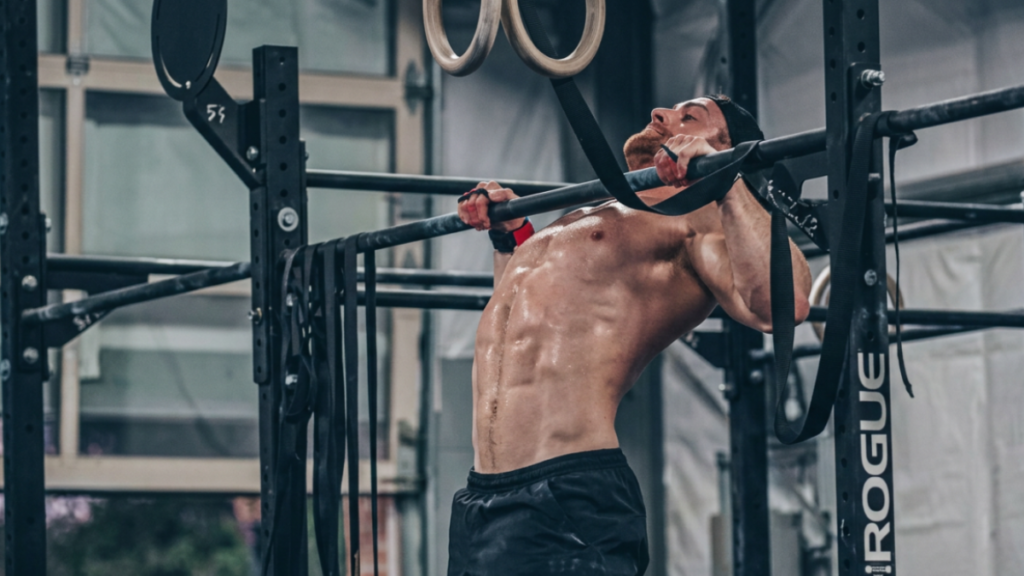
Pull ups are among the most effective exercises for building an athletic upper body because they strengthen the latissimus dorsi, rhomboids, trapezius, rear shoulders, biceps, and forearms simultaneously.
Strong back muscles create the appearance of a wider upper body and contribute significantly to the classic V shaped torso that many people find aesthetically appealing.
Electromyography research consistently demonstrates high activation of the latissimus dorsi during pull ups compared with many machine based alternatives.
For beginners who cannot yet perform a full pull up, assisted pull ups using resistance bands or an assisted pull up machine provide nearly identical movement patterns while allowing gradual progression.
How to Perform the Pull Up
- Grip the bar slightly wider than shoulder width with your palms facing away from you.
- Begin from a dead hang with your shoulders engaged rather than completely relaxed.
- Pull yourself upward by driving your elbows toward your ribs while keeping your chest lifted.
- Continue until your chin clears the bar, then lower yourself under control until your arms are fully extended again.
- Avoid swinging or using momentum.
- Controlled repetitions produce greater muscle activation and better long term progress.
Muscles Developed
The pull up primarily develops the latissimus dorsi while also strengthening the rhomboids, trapezius, biceps, brachialis, rear deltoids, forearms, and core stabilizers.
Exercise 3. Dumbbell Overhead Press
Why Overhead Pressing Creates Athletic Shoulders
Broad, well developed shoulders play a major role in creating an athletic looking torso. The overhead press is one of the best exercises for building shoulder strength while improving upper body coordination.
Unlike lateral raises or front raises, the overhead press trains multiple muscle groups together, including the shoulders, triceps, upper chest, and core.
Research examining shoulder muscle activation consistently finds high recruitment of the anterior and middle deltoids during overhead pressing movements. Standing variations also require significant trunk stabilization, making the exercise beneficial for overall athletic development.
Using dumbbells instead of a barbell provides another advantage for beginners because each arm works independently. This helps identify strength imbalances while allowing a more natural shoulder movement.
How to Perform the Dumbbell Overhead Press
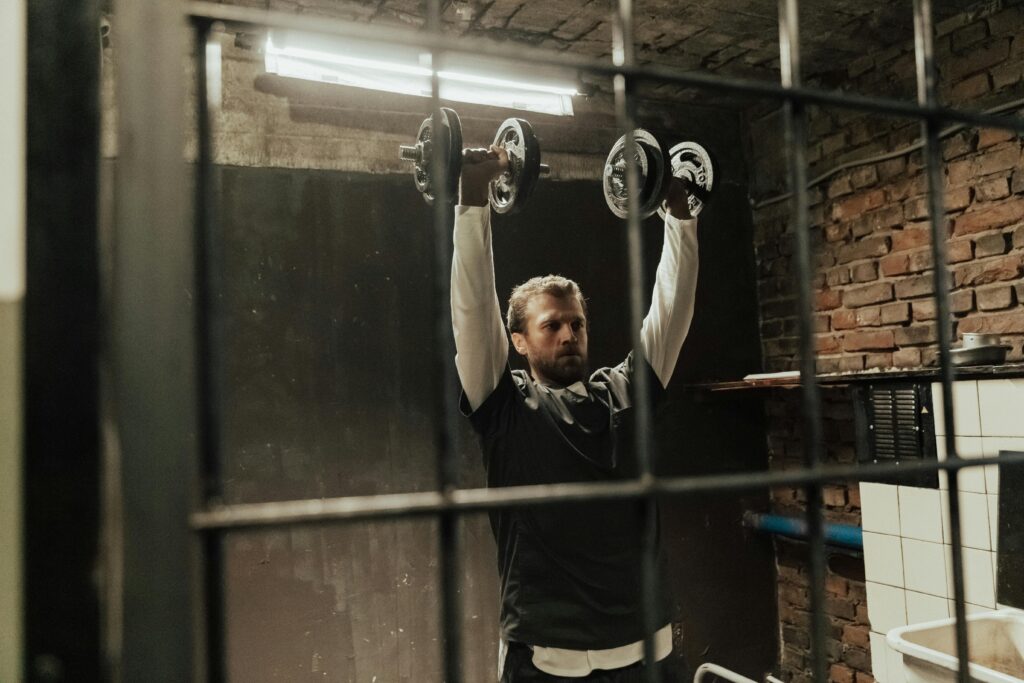
- Stand with your feet about shoulder width apart while holding a dumbbell in each hand at shoulder height.
- Brace your abdominal muscles before pressing the weights overhead.
- Press both dumbbells upward until your arms are fully extended without excessively arching your lower back.
- Lower the weights slowly back to shoulder level before beginning the next repetition.
- Choose a weight that allows controlled technique throughout every repetition.
Muscles Developed
The overhead press primarily targets the anterior and middle deltoids while also working the triceps, upper chest, trapezius, serratus anterior, and core stabilizers.
Why These Three Exercises Work So Well Together
Each exercise complements the others by emphasizing a different movement pattern.
- Push ups develop horizontal pushing strength and build the chest.
- Pull ups strengthen the upper back while improving posture and shoulder balance.
- The overhead press develops vertical pushing strength while building the shoulders that give the torso a broader appearance.
Together these exercises train nearly every major upper body muscle while promoting balanced muscular development. This balanced approach helps reduce injury risk while improving athletic performance.
Research consistently supports combining pushing and pulling exercises to improve muscular symmetry and shoulder function. Balanced programs also help beginners maintain better posture by strengthening the muscles responsible for retracting and stabilizing the shoulder blades.
Building Muscle Also Requires Progressive Overload
Simply repeating the same workout forever will eventually stop producing results. The principle of progressive overload states that muscles adapt only when they are challenged with gradually increasing demands.
This can be accomplished by increasing repetitions, adding weight, performing more challenging exercise variations, or improving technique. The American College of Sports Medicine recommends progressive resistance training using moderate loads performed two to three times per week for beginners seeking improvements in muscle size and strength.
Even small increases over time produce meaningful long term gains when combined with consistent training.
Common Beginner Mistakes
One of the most common mistakes is trying to perform too many different exercises. Consistency with a few effective movements almost always beats constantly changing workouts. Poor technique is another frequent issue. Beginners should prioritize controlled movement over lifting heavier weights. Proper form increases muscle activation while reducing unnecessary stress on the joints.
Many new lifters also underestimate the importance of recovery. Muscles grow between workouts rather than during them. Adequate sleep, sufficient protein intake, and rest days all contribute to better long term progress.
Finally, patience is essential. Research shows that noticeable strength improvements often occur within several weeks, while visible muscle growth develops gradually over months of consistent training.
Final Thoughts
Building a lean, athletic, and attractive torso does not require complicated training programs or endless hours in the gym. Beginners often achieve excellent results by mastering a few scientifically supported compound exercises.
Push ups strengthen the chest, shoulders, triceps, and core while developing upper body stability. Pull ups build a stronger back, improve posture, and create the appearance of a wider torso. Dumbbell overhead presses develop broad shoulders and powerful upper body strength that contributes to an athletic physique.
Combined with progressive overload, proper nutrition, and consistent training, these three exercises provide an outstanding foundation for long term success. Rather than chasing shortcuts or constantly searching for new routines, beginners should focus on improving these fundamental movements. The science is clear that mastering the basics remains one of the fastest and most effective paths toward a stronger, leaner, and more athletic body.
Key Takeaways
| Exercise | Primary Benefits | Main Muscles Trained |
|---|---|---|
| Push Up | Builds chest strength, improves core stability, enhances upper body endurance | Chest, triceps, shoulders, core |
| Pull Up or Assisted Pull Up | Develops back width, improves posture, increases pulling strength | Lats, rhomboids, traps, biceps, rear shoulders |
| Dumbbell Overhead Press | Builds broad shoulders, improves pressing strength, enhances stability | Deltoids, triceps, upper chest, core |
| Progressive Overload | Ensures continued muscle growth and strength gains | Entire body over time |
| Proper Nutrition | Supports muscle growth while reducing body fat | Whole body recovery and body composition |
References
- American College of Sports Medicine. (2009) ‘Progression Models in Resistance Training for Healthy Adults’, Medicine & Science in Sports & Exercise, 41(3), pp. 687 to 708.
- Contreras, B., Vigotsky, A.D., Schoenfeld, B.J., Beardsley, C. and Cronin, J. (2015) ‘A Comparison of Gluteus Maximus, Biceps Femoris, and Vastus Lateralis Electromyographic Activity in the Back Squat and Barbell Hip Thrust Exercises’, Journal of Applied Biomechanics, 31(6), pp. 452 to 458.
- Gentil, P., Soares, S. and Bottaro, M. (2015) ‘Single Versus Multi Joint Resistance Exercises: Effects on Muscle Strength and Hypertrophy’, Asian Journal of Sports Medicine, 6(2), e24057.
- Grgic, J., Schoenfeld, B.J. and Latella, C. (2020) ‘Resistance Training Intensity and Muscle Hypertrophy: A Review of Available Evidence’, Journal of Science and Medicine in Sport, 23(8), pp. 764 to 768.
- Schoenfeld, B.J. (2010) ‘The Mechanisms of Muscle Hypertrophy and Their Application to Resistance Training’, Journal of Strength and Conditioning Research, 24(10), pp. 2857 to 2872.
- Schoenfeld, B.J., Ogborn, D. and Krieger, J.W. (2017) ‘Dose Response Relationship Between Weekly Resistance Training Volume and Increases in Muscle Mass’, Journal of Sports Sciences, 35(11), pp. 1073 to 1082.