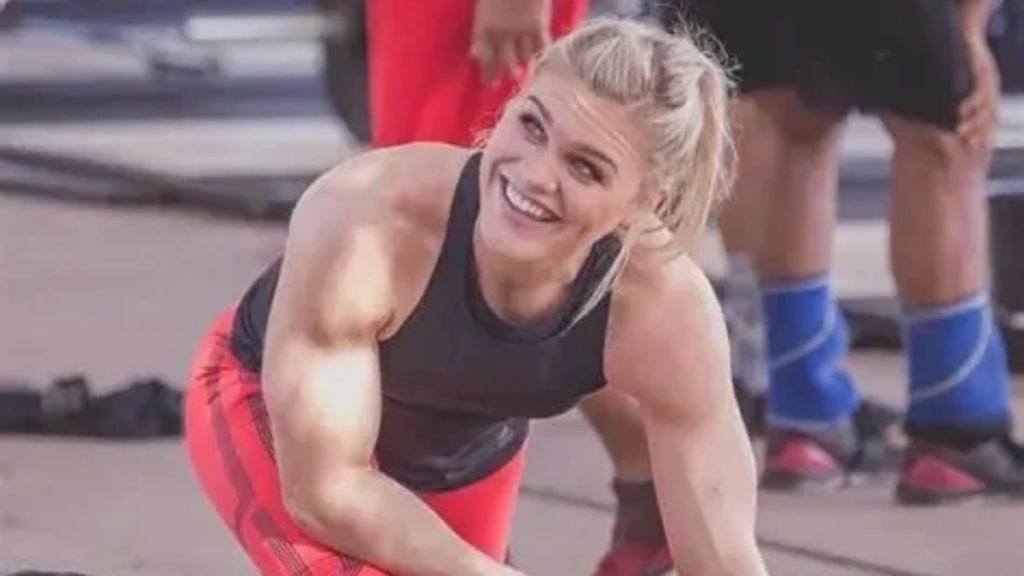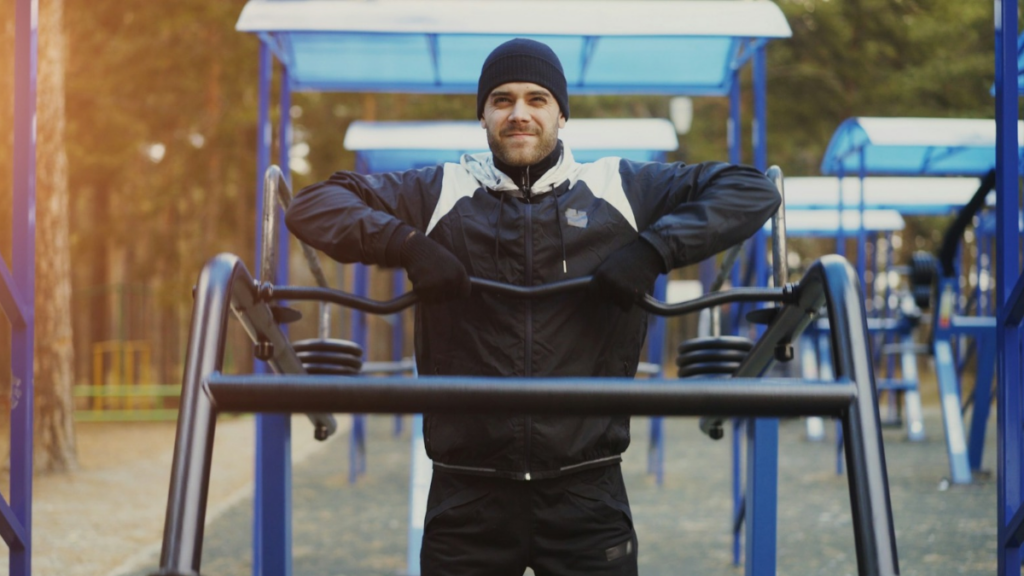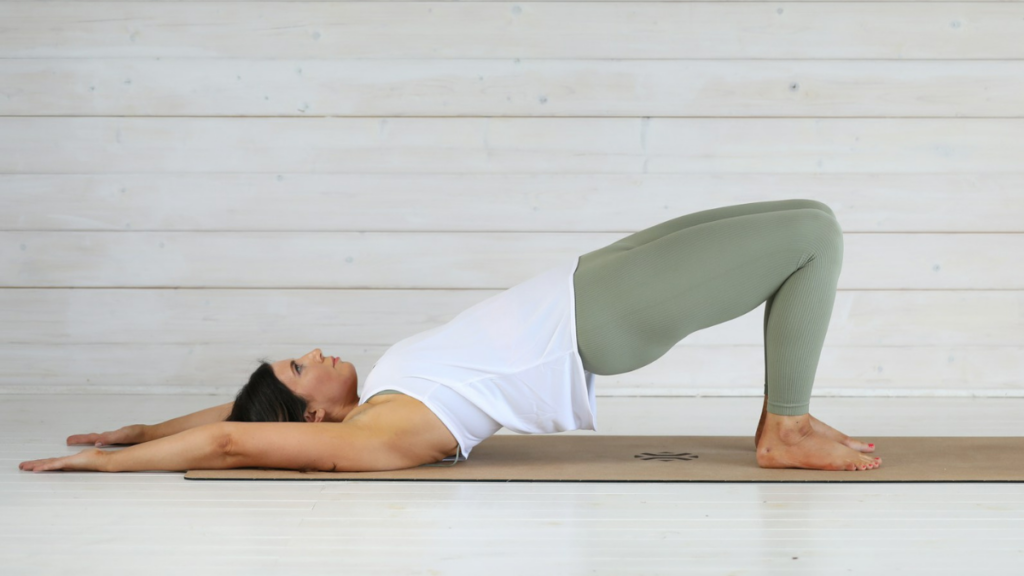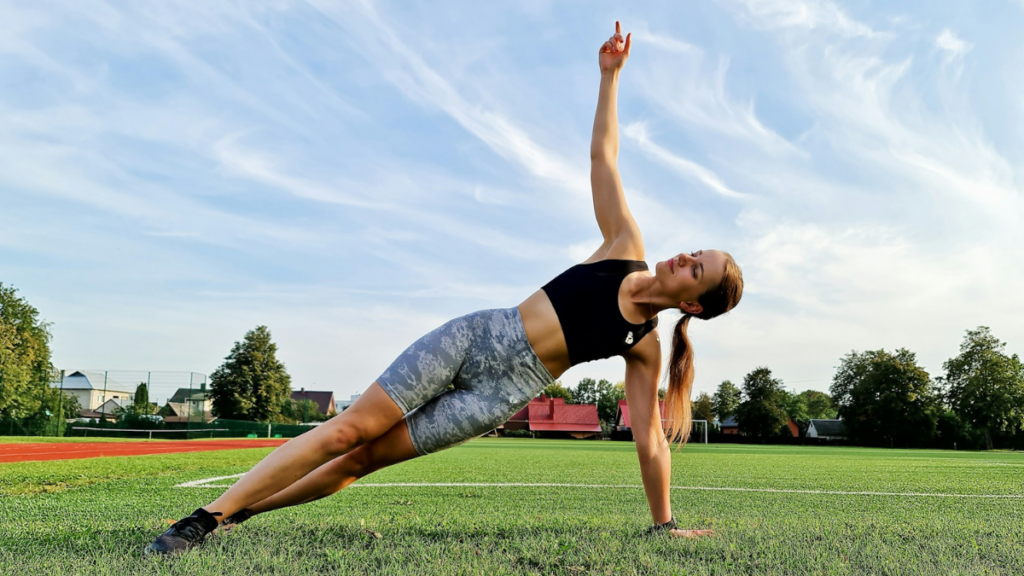


Calisthenics is often misunderstood. Many people think it is just “bodyweight training,” something basic, or a stepping stone before “real” strength work begins. The science tells a very different story.
Calisthenics is a legitimate, highly effective form of resistance training that can improve strength, muscle mass, bone density, cardiovascular health, mobility, coordination, and long-term injury resilience. When programmed correctly, it produces adaptations that rival—and in some cases exceed—those achieved with traditional gym-based training.


This article breaks down exactly why calisthenics works, using peer-reviewed research and established exercise science principles. No hype, no fluff—just evidence-based reasons why you should consider adding calisthenics to your training.
1. Calisthenics Builds Real Strength and Muscle
Strength Gains Are Not Limited to Weights
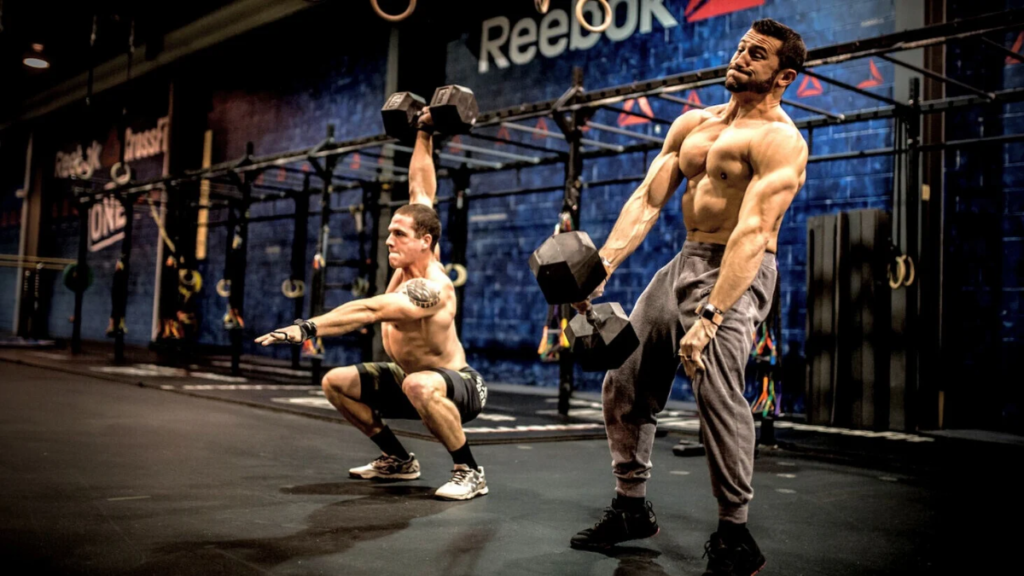
Strength is the ability to produce force against resistance. That resistance does not need to come from a barbell. Bodyweight movements such as push-ups, pull-ups, dips, squats, and handstand variations impose significant mechanical tension on muscles and joints.
Research shows that muscle hypertrophy and strength gains depend primarily on three factors: mechanical tension, metabolic stress, and muscle damage. Calisthenics can provide all three when exercises are progressed appropriately through leverage changes, unilateral loading, tempo manipulation, and increased volume.

A controlled trial comparing push-ups to bench press found similar improvements in upper-body strength and muscle thickness when total training volume was equated. This demonstrates that bodyweight exercises can stimulate comparable neuromuscular adaptations to traditional resistance training.
Progressive Overload Exists in Calisthenics
A common myth is that calisthenics lacks progressive overload. In reality, progression is achieved through:
– Increasing repetitions or sets
– Reducing rest intervals
– Slowing tempo
– Advancing leverage (e.g., knee push-ups to full push-ups to archer push-ups)
– Moving from bilateral to unilateral movements
– Increasing range of motion
Studies consistently show that progressive overload—not the external load itself—is what drives muscular adaptation.
2. It Improves Relative Strength and Athletic Performance
Bodyweight Strength Transfers Well to Sport
Relative strength—strength relative to body mass—is critical for athletic performance. Sprinting, jumping, climbing, throwing, and changing direction all require high force production without excessive bodyweight.
Calisthenics naturally emphasizes relative strength because you are constantly working against your own mass. This improves force-to-weight ratio, which has been shown to correlate strongly with sprint speed, vertical jump height, and agility.
Athletes with higher relative strength demonstrate superior performance in power-based movements even when absolute strength is lower than heavier athletes.
Neuromuscular Efficiency and Coordination
Many calisthenics movements are closed-chain exercises, meaning the hands or feet remain in contact with a surface while the body moves. Closed-chain exercises increase proprioceptive feedback, joint stability, and intermuscular coordination.
Research indicates that closed-chain training improves motor unit recruitment patterns and reduces energy leakage during movement, making athletes more efficient and resilient under load.
3. Calisthenics Is Joint-Friendly and Supports Long-Term Training
Reduced Joint Stress When Performed Correctly
Calisthenics allows for self-regulated loading. If fatigue sets in, the body naturally adjusts movement speed or range of motion, reducing excessive joint strain. This is different from fixed external loads, where poor technique under fatigue can increase injury risk.

Studies comparing injury rates between different resistance training modalities suggest that bodyweight and controlled resistance training produce lower rates of acute joint injury when volume and progression are managed appropriately.
Strengthening Tendons and Connective Tissue
Tendons adapt more slowly than muscles. Sudden increases in external load can overload connective tissue, increasing the risk of tendinopathy.
Calisthenics typically progresses more gradually, allowing tendons to adapt to increasing tension over time. Research on tendon remodeling shows that moderate, repeated loading with controlled tempo improves tendon stiffness and resilience.
This makes calisthenics particularly valuable for long-term joint health and sustainable training.
4. It Improves Mobility and Active Range of Motion
Strength Through Full Ranges of Motion
Mobility is not just flexibility. It is the ability to control movement through a joint’s full range of motion. Calisthenics trains strength and stability at end ranges, which is essential for injury prevention and movement quality.
Movements such as deep squats, lunges, hanging exercises, and handstand variations place joints under load at extended ranges. Research shows that strength training performed at long muscle lengths improves flexibility as effectively as static stretching, while also increasing strength.
Active Mobility Reduces Injury Risk
Active mobility—the ability to control joint positions under load—is strongly associated with reduced injury risk. Calisthenics naturally develops active mobility by requiring the muscles to stabilize joints dynamically.
Studies on athletic populations demonstrate that improved hip, shoulder, and ankle mobility correlates with lower rates of overuse injuries and improved performance outcomes.
5. Calisthenics Enhances Cardiovascular and Metabolic Health
High Energy Expenditure and Cardiovascular Demand
Calisthenics can be metabolically demanding, especially when exercises are performed in circuits or with minimal rest. Compound movements recruit large muscle groups, increasing heart rate and oxygen consumption.
Research comparing high-intensity bodyweight circuits to traditional aerobic exercise shows similar improvements in VO₂ max, insulin sensitivity, and lipid profiles.
This means calisthenics can simultaneously improve strength and cardiovascular fitness, making it an efficient training method.
Improved Insulin Sensitivity and Body Composition
Resistance training is known to improve glucose uptake and insulin sensitivity. Bodyweight training produces these benefits through increased muscle mass and enhanced metabolic activity.
Studies show that combining resistance and aerobic elements—something calisthenics naturally allows—produces superior improvements in body composition compared to either modality alone.
6. It Builds Core Strength and Postural Control
The Core Is Always Working
Unlike many machine-based exercises, calisthenics requires constant core engagement to stabilize the spine and transfer force between limbs.

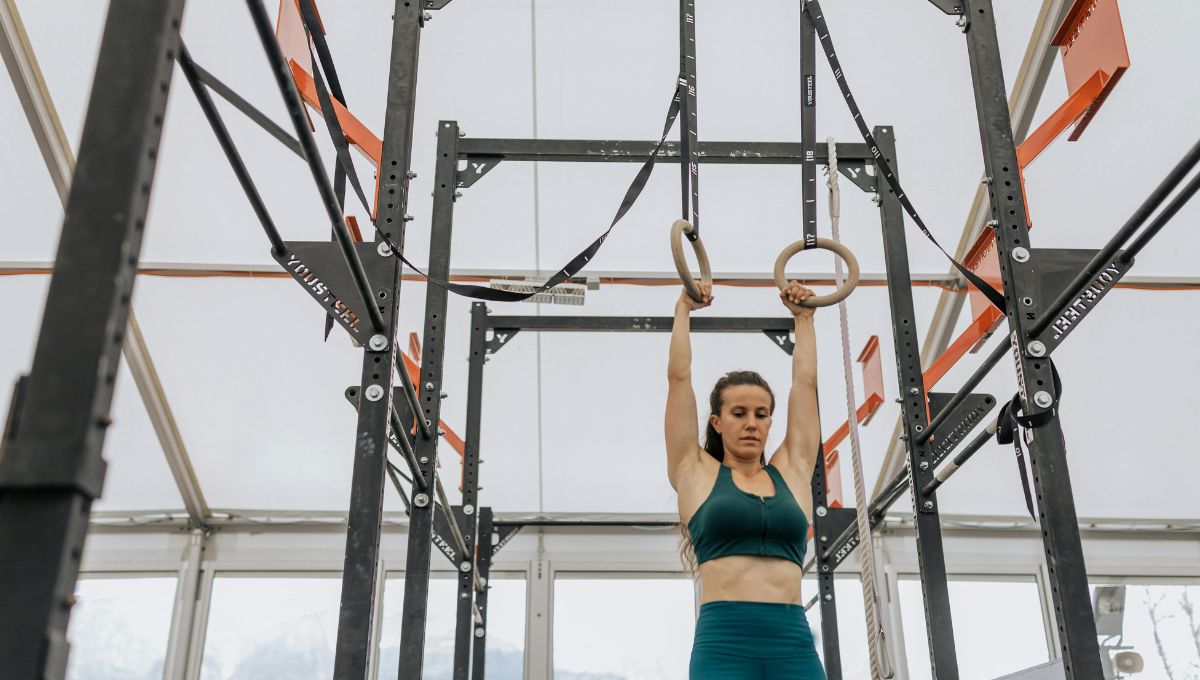
Exercises such as push-ups, pull-ups, planks, hanging leg raises, and single-leg movements place significant demands on the trunk musculature. Electromyography studies consistently show high activation of the rectus abdominis, obliques, and spinal stabilizers during these movements.
Improved Posture and Spinal Stability
Poor posture is often linked to weak deep core muscles and insufficient scapular control. Calisthenics strengthens these systems by demanding coordinated stabilization during movement.
Research suggests that integrated core training improves spinal stiffness, balance, and postural alignment, reducing the risk of lower back pain and movement compensations.
7. Calisthenics Is Accessible, Scalable, and Sustainable
Low Barrier to Entry
One of the strongest arguments for calisthenics is accessibility. No equipment is required to begin, making it easier to maintain consistency.
Consistency is the most important factor in long-term fitness outcomes. Studies consistently show that adherence predicts success more strongly than training modality.
Scalable for All Fitness Levels
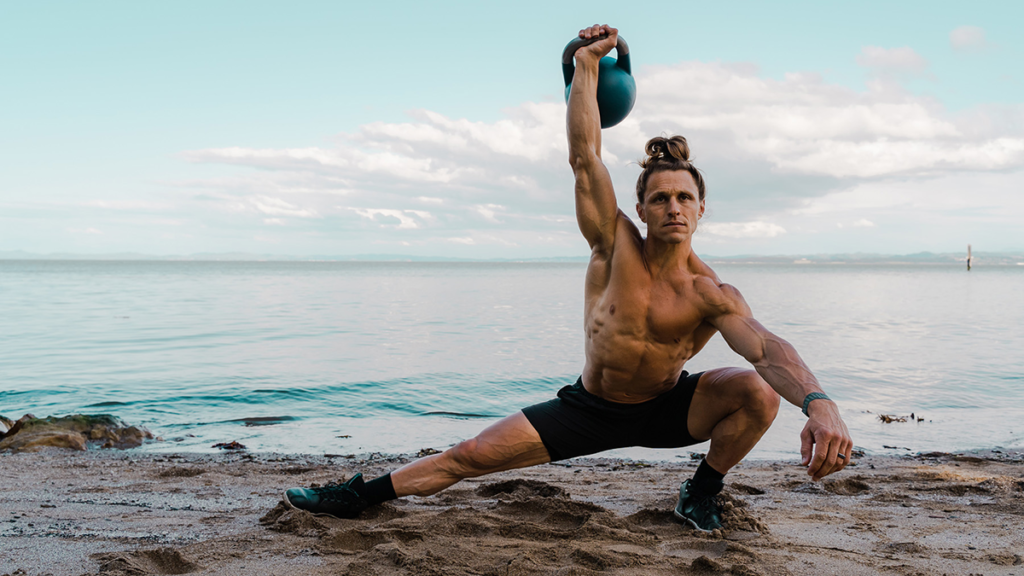
Calisthenics can be regressed or progressed infinitely. Beginners can start with wall push-ups and assisted squats, while advanced athletes can perform one-arm push-ups, muscle-ups, and planche variations.
This scalability ensures that training remains challenging without requiring constant increases in external load, reducing burnout and injury risk.
Long-Term Sustainability
Sustainable training is training you can do for decades. Calisthenics emphasizes movement quality, joint health, and progressive adaptation, making it ideal for lifelong fitness.
Longitudinal studies on physical activity show that maintaining strength, mobility, and cardiovascular fitness into older age significantly reduces all-cause mortality and improves quality of life.
Final Thoughts
Calisthenics is not a lesser form of training. It is a scientifically valid, adaptable, and highly effective method for building strength, muscle, mobility, and cardiovascular fitness.
When programmed with intent and progression, calisthenics can support athletic performance, long-term joint health, and sustainable physical development better than many conventional approaches.
If your goal is to move well, stay strong, and remain capable for life, calisthenics deserves a serious place in your training.
References
- Andersen, L.L., et al. (2014) ‘Effectiveness of traditional resistance training vs. bodyweight training on muscle strength and hypertrophy’, Journal of Strength and Conditioning Research, 28(7), pp. 1906–1913.
- Behm, D.G. and Colado, J.C. (2012) ‘The effectiveness of resistance training using unstable surfaces and devices for rehabilitation’, Sports Medicine, 42(5), pp. 365–386.
- Boone, J. and Bourgois, J. (2012) ‘The influence of relative strength on sprint performance’, Journal of Sports Sciences, 30(7), pp. 635–643.
- Franchi, M.V., Reeves, N.D. and Narici, M.V. (2017) ‘Skeletal muscle remodeling in response to eccentric vs. concentric loading’, Frontiers in Physiology, 8, pp. 447–459.
- Kibler, W.B., Press, J. and Sciascia, A. (2006) ‘The role of core stability in athletic function’, Sports Medicine, 36(3), pp. 189–198.