


In recent years, the connection between physical exercise and mental well-being has become increasingly clear.
While exercise is well-known for its physical health benefits—such as improved cardiovascular health, stronger muscles, and better weight management—its positive impact on mental health is equally significant. Engaging in regular physical activity has been shown to boost mood, reduce stress, enhance sleep quality, and improve overall psychological well-being.


The growing body of scientific research supports this link between exercise and happiness. Numerous studies have demonstrated that people who engage in regular physical activity experience lower levels of anxiety and depression, and higher levels of happiness and life satisfaction compared to those who lead sedentary lifestyles.
These findings are not just anecdotal; they are backed by rigorous scientific investigation across various disciplines, including psychology, neuroscience, and physiology.
In this article, we will explore five key scientific reasons behind why exercise makes you happier. First, we will delve into how exercise triggers the release of endorphins, often referred to as “feel-good” hormones.

Next, we will examine how physical activity reduces stress hormones, thereby alleviating feelings of stress and anxiety. We will also discuss how regular exercise improves sleep quality, which is crucial for maintaining a stable and positive mood. Furthermore, we will highlight how achieving fitness goals can boost self-esteem and confidence.
Finally, we will consider the social benefits of exercise, including the fostering of social connections and a sense of community.
By understanding these five scientific reasons, you will gain a deeper appreciation of how incorporating regular exercise into your routine can significantly enhance your mental well-being and overall happiness.
1. Release of Endorphins
Endorphins are neurotransmitters produced by the central nervous system and the pituitary gland. They are often referred to as the body’s natural painkillers or “feel-good” hormones because they can produce a feeling of euphoria, similar to the effects of opiates. When released, endorphins bind to opioid receptors in the brain, which helps to reduce pain and induce feelings of pleasure and well-being.
Physical exercise is one of the most effective ways to trigger the release of endorphins. During and after intense physical activity, the body responds to the increased physical stress by producing endorphins.
This is part of the body’s natural mechanism to alleviate the discomfort associated with exercise and to promote recovery. Activities such as running, swimming, cycling, and high-intensity interval training (HIIT) are particularly effective at stimulating endorphin release.
The impact of endorphins on mental health is profound. As natural mood lifters, endorphins play a significant role in reducing stress and enhancing mood. When endorphin levels are elevated, individuals often experience what is commonly known as a “runner’s high”—a state of euphoria and reduced anxiety that follows a prolonged period of aerobic exercise.
This euphoric feeling not only improves mood in the short term but can also contribute to a more positive outlook on life over time.
Numerous studies have highlighted the role of endorphins in mood enhancement. For instance, a study published in the journal Psychoneuroendocrinology found that participants who engaged in regular aerobic exercise reported significantly higher levels of endorphins and experienced greater reductions in symptoms of depression compared to those who did not exercise regularly.
Another study in the Journal of Sports Sciences demonstrated that high-intensity exercise led to a notable increase in endorphin levels, which was associated with improved mood and lower perceived stress levels.
One notable example of the endorphin effect is seen in the experience of marathon runners. Many runners report hitting a “wall” around the 20-mile mark, where they feel physically and mentally exhausted. However, pushing through this barrier often leads to a surge of endorphins, resulting in a second wind that enables them to finish the race with a sense of exhilaration and accomplishment.
In summary, endorphins play a critical role in the connection between exercise and happiness. By engaging in regular physical activity, you can harness the power of these natural mood lifters to reduce stress, alleviate pain, and enhance your overall sense of well-being.
2. Reduction of Stress Hormones
Stress hormones, particularly cortisol and adrenaline, play a significant role in the body’s response to stress. Cortisol, often referred to as the “stress hormone,” is produced by the adrenal glands and helps regulate various bodily functions, including metabolism and the immune response.
Adrenaline, another key stress hormone, is released by the adrenal glands in response to acute stress, triggering the “fight-or-flight” response characterized by increased heart rate, blood pressure, and energy supply.

While these hormones are essential for managing acute stress, chronic high levels can lead to a range of negative health outcomes, including anxiety, depression, cardiovascular diseases, and weakened immune function.
Regular physical activity has been shown to effectively reduce the levels of these stress hormones, thereby mitigating their adverse effects.
Engaging in regular exercise helps to modulate the production and release of cortisol and adrenaline.
During physical activity, the body experiences a temporary increase in these hormones, which is followed by a significant reduction post-exercise. This adaptive response helps the body better manage stress over time, as regular exercise improves the efficiency of the hypothalamic-pituitary-adrenal (HPA) axis—the central stress response system.
The physiological benefits of lower stress hormone levels are manifold. Reduced cortisol levels can lead to improved mood, better immune function, enhanced cognitive performance, and decreased risk of chronic diseases associated with prolonged stress.
Lower adrenaline levels help maintain cardiovascular health by preventing chronic hypertension and reducing the risk of heart-related issues.
Research consistently supports the correlation between regular exercise and stress reduction. A study published in the Journal of Endocrinology demonstrated that individuals who engaged in moderate to high-intensity exercise experienced significant reductions in cortisol levels compared to their sedentary counterparts.
Another study in the International Journal of Stress Management found that participants who incorporated regular aerobic exercise into their routines reported lower perceived stress and improved mood, attributed to the reduction in cortisol and adrenaline levels.
Moreover, a landmark study in the Journal of Applied Physiology highlighted the long-term benefits of exercise on stress hormone regulation. Participants who maintained a consistent exercise regimen over several months showed a more balanced HPA axis response, resulting in lower baseline cortisol levels and a more controlled reaction to stressors.
In practical terms, activities such as yoga, running, strength training, and even brisk walking have been found to effectively lower stress hormone levels. For instance, yoga combines physical movement with breath control and meditation, which collectively contribute to reducing cortisol levels and promoting relaxation.
In summary, regular physical activity is a powerful tool for reducing stress hormone levels. By lowering cortisol and adrenaline through consistent exercise, individuals can experience significant improvements in mood, stress resilience, and overall health. The scientific evidence strongly supports the role of exercise in managing stress and enhancing mental well-being.
3. Improvement in Sleep Quality
Sleep is fundamental to overall mental health and well-being. Quality sleep is crucial for cognitive function, emotional regulation, and physical health.
Insufficient or poor-quality sleep can lead to a range of negative outcomes, including increased stress, anxiety, depression, and impaired cognitive performance. Conversely, good sleep is associated with improved mood, better cognitive function, and enhanced overall health.
Regular exercise is one of the most effective natural ways to improve sleep quality. Physical activity promotes better sleep patterns and quality in several ways. Firstly, exercise increases the duration of slow-wave sleep, also known as deep sleep, which is the most restorative phase of the sleep cycle. During deep sleep, the body repairs tissues, builds muscle, and strengthens the immune system.
Secondly, exercise helps regulate the circadian rhythm, the body’s internal clock that dictates sleep-wake cycles. Engaging in physical activity, particularly outdoor exercise, exposes the body to natural light, which helps synchronize the circadian rhythm and promotes a healthy sleep-wake cycle. Additionally, the increase in body temperature during exercise, followed by a post-exercise drop, can facilitate the onset of sleep.
Furthermore, regular exercise reduces symptoms of insomnia and sleep apnea. It helps to decrease the time it takes to fall asleep (sleep latency) and can enhance sleep efficiency, meaning more time spent in restful sleep rather than lying awake in bed.
The relationship between good sleep and mood stability is well-documented. Adequate sleep is essential for emotional regulation and mental resilience. When sleep quality is poor, individuals are more likely to experience mood swings, irritability, and symptoms of anxiety and depression. Conversely, good sleep contributes to a more stable and positive mood, reducing the likelihood of mental health issues.
Scientific evidence strongly supports the link between regular exercise and improved sleep. A study published in the Journal of Sleep Research found that individuals who engaged in moderate to vigorous exercise for at least 150 minutes per week reported significant improvements in sleep quality and daytime alertness. Another study in the American Journal of Lifestyle Medicine showed that participants who maintained a regular exercise routine experienced fewer symptoms of insomnia and reported better overall sleep quality.
Moreover, a comprehensive review in the journal Sleep Medicine Reviews concluded that exercise has a beneficial impact on various sleep parameters, including sleep onset latency, total sleep time, and sleep efficiency.
The review highlighted that both aerobic and resistance exercises positively affect sleep, with aerobic exercise showing a slightly more significant impact.
Practical examples of exercise promoting better sleep include activities such as walking, running, cycling, and yoga. Yoga, in particular, combines physical movement with breath control and relaxation techniques, which can significantly improve sleep quality by reducing stress and promoting relaxation.

In summary, regular exercise is a powerful tool for enhancing sleep quality. By promoting deeper sleep, regulating the circadian rhythm, and reducing insomnia symptoms, exercise helps ensure that individuals get the restorative sleep necessary for optimal mental health.
The scientific evidence overwhelmingly supports the role of physical activity in improving sleep, thereby contributing to better mood stability and overall well-being.
4. Boost in Self-Esteem and Confidence
Regular exercise is not only beneficial for physical health but also plays a significant role in enhancing self-esteem and confidence. Achieving fitness goals, whether they are small milestones or significant accomplishments, can profoundly impact one’s self-perception and overall sense of worth.
One of the primary ways exercise boosts self-esteem is through the achievement of fitness goals. Setting and reaching personal fitness objectives—such as running a certain distance, lifting a specific weight, or improving flexibility—provides a sense of accomplishment and progress.
These achievements serve as tangible evidence of one’s capabilities and perseverance, which in turn fosters a positive self-image and greater confidence.
The psychological benefits of improved physical appearance and strength are also considerable. Regular exercise can lead to physical changes such as weight loss, increased muscle tone, and improved posture, which contribute to a more favorable self-image.
Feeling physically stronger and more capable can enhance body confidence and reduce feelings of insecurity. Additionally, the process of working towards a healthier physique reinforces a positive self-narrative of taking active steps to care for one’s body.
Various exercise activities are particularly effective at boosting self-esteem. For instance:
- Strength Training: Lifting weights and building muscle can significantly enhance body confidence and self-perception of strength and power.
- Running and Cardiovascular Activities: Completing running milestones, such as a 5K or marathon, provides a strong sense of achievement and resilience.
- Yoga and Pilates: These practices not only improve physical flexibility and strength but also promote mindfulness and body awareness, contributing to a positive self-view.
- Team Sports: Participating in sports fosters a sense of camaraderie, belonging, and collective achievement, which can boost self-esteem.
Scientific studies provide robust evidence supporting the positive effects of exercise on self-perception.
For example, a study published in the Journal of Health Psychology found that individuals who engaged in regular physical activity reported higher levels of self-esteem and body satisfaction compared to those who were inactive. The study highlighted that even moderate exercise can lead to significant improvements in self-worth.
Another study in the International Journal of Behavioral Nutrition and Physical Activity examined the relationship between exercise and self-esteem in adolescents. It found that regular physical activity was associated with higher self-esteem and lower levels of anxiety and depression.
The researchers concluded that exercise interventions could be an effective strategy for improving mental health and self-perception in young people.
Furthermore, research published in Psychology of Sport and Exercise demonstrated that women who participated in a 12-week strength training program experienced significant increases in self-esteem and body image. The study emphasized that the sense of mastery and physical empowerment gained through strength training played a crucial role in enhancing self-perception.
In practical terms, individuals can enhance their self-esteem by setting realistic and incremental fitness goals, tracking their progress, and celebrating their achievements. Joining a supportive community, such as a fitness class or sports team, can also provide encouragement and a sense of belonging, further boosting confidence.
In summary, regular exercise is a powerful tool for enhancing self-esteem and confidence. Achieving fitness goals, experiencing physical improvements, and engaging in supportive exercise communities all contribute to a more positive self-image and greater overall well-being.
The scientific evidence consistently supports the role of exercise in fostering self-worth and confidence, highlighting its importance for mental health.
5. Social Interaction and Community Building
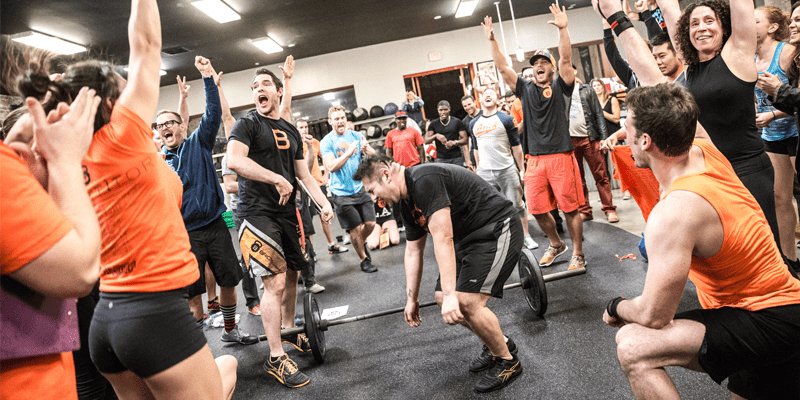
Engaging in group exercises, sports, and fitness classes plays a crucial role in fostering social connections, which are vital for mental well-being.

These activities provide opportunities for individuals to meet new people, form friendships, and develop a sense of belonging within a community. The social aspect of exercise is often as beneficial as the physical activity itself, contributing significantly to overall happiness and mental health.
Group exercises, such as aerobics, yoga classes, and boot camps, create environments where individuals can interact, share experiences, and support each other. Participating in sports, whether team sports like soccer or basketball or individual sports practiced in group settings like tennis or running clubs, also encourages camaraderie and teamwork.
Fitness classes often foster a sense of community as participants work towards common goals, celebrate each other’s achievements, and provide mutual encouragement.
The importance of social support and a sense of community for mental well-being cannot be overstated. Humans are inherently social creatures, and social connections are crucial for emotional support, stress reduction, and overall mental health. A supportive community can provide a buffer against stress and anxiety, offering a network of individuals who understand and share similar experiences.
This sense of belonging can enhance self-esteem, reduce feelings of loneliness, and contribute to a more positive outlook on life.
Exercise provides numerous opportunities to build and strengthen social bonds. For example:
- Joining a Running Club: Participating in a local running group can provide motivation, accountability, and companionship. Members often share training tips, celebrate milestones, and support each other during races.
- Team Sports: Playing on a sports team fosters teamwork and cooperation. The shared experiences of training, competing, and achieving goals together build strong, lasting friendships.
- Fitness Classes: Regularly attending a fitness class creates a routine where participants often see the same faces, leading to the formation of friendships and a supportive environment.
- Outdoor Group Activities: Activities like hiking, cycling, or even group dance sessions allow for social interaction in a relaxed, enjoyable setting.
Research consistently highlights the psychological benefits of social interaction through exercise.
A study published in the American Journal of Health Promotion found that individuals who engaged in group physical activities reported higher levels of social connectedness and lower levels of stress compared to those who exercised alone.
The study emphasized that the social aspect of group exercise contributed significantly to these mental health benefits.
Another study in the Journal of Sport and Exercise Psychology demonstrated that team sports participation was associated with improved mental health outcomes, including lower levels of anxiety and depression. The researchers attributed these benefits to the social support and sense of community provided by team sports environments.
Moreover, a review published in The Lancet Psychiatry concluded that individuals who participated in group physical activities experienced greater improvements in mental health than those who engaged in solitary exercise. The review highlighted that social interaction during exercise played a crucial role in enhancing overall well-being.
In practical terms, individuals can enhance their mental well-being by seeking out group exercise opportunities that align with their interests. Whether through joining a sports team, participating in fitness classes, or engaging in community-based physical activities, the social connections formed through these activities can provide significant psychological benefits.
In summary, group exercises, sports, and fitness classes are powerful tools for fostering social connections and building a sense of community.
The social support and sense of belonging gained from these activities are essential for mental well-being, reducing stress, and enhancing overall happiness. The scientific evidence strongly supports the role of social interaction in the psychological benefits of exercise, highlighting the importance of community in promoting mental health.
Conclusion
Incorporating regular exercise into your lifestyle offers a multitude of benefits beyond physical health, significantly enhancing mental well-being and happiness. The scientific reasons behind why exercise makes you happier are compelling and well-supported by research.
From the release of endorphins that lift your mood to the reduction of stress hormones like cortisol and adrenaline, exercise helps create a more balanced and resilient mental state.
Improving sleep quality through regular physical activity ensures that your body and mind receive the restorative rest needed for emotional stability and cognitive function.
Achieving fitness goals boosts self-esteem and confidence, fostering a positive self-image and a sense of accomplishment. Moreover, the social interaction and community building inherent in group exercises and sports provide essential support, camaraderie, and a sense of belonging that further enhance mental health.

By understanding and embracing these five scientific reasons, you can harness the power of exercise to not only improve your physical health but also to foster a happier, more fulfilled life.
Whether it’s through running, strength training, yoga, or team sports, finding an activity that you enjoy can make a significant difference in your overall well-being. Start today by incorporating regular physical activity into your routine and experience the profound benefits it can bring to your mental and emotional health.