

Achieving fitness goals can be daunting, especially with the plethora of information available. Whether you’re aiming to lose belly fat, build muscle, or simply improve overall health, the right strategy is crucial. For women, understanding the impact of the menstrual cycle on fitness and diet can provide a significant advantage. Hormonal fluctuations throughout the cycle affect metabolism, energy levels, and cravings, influencing how women should approach their workout routines and dietary choices.
The information for this article is largely based on a video shared by the insight and expertise of doctor Mike Diamonds. Dr Mike Diamonds is a medical doctor who is now an online fitness and health coach and a YouTuber. He has close to a million subscribers on his channel and he usually uses his own body transformation as an example of how to help people become their better selves. He is also the creator of the website Sculpt by Science.


This comprehensive guide further delves into five simple steps to help women lose belly fat, build muscle, and understand the intricate relationship between their menstrual cycle and fitness journey.
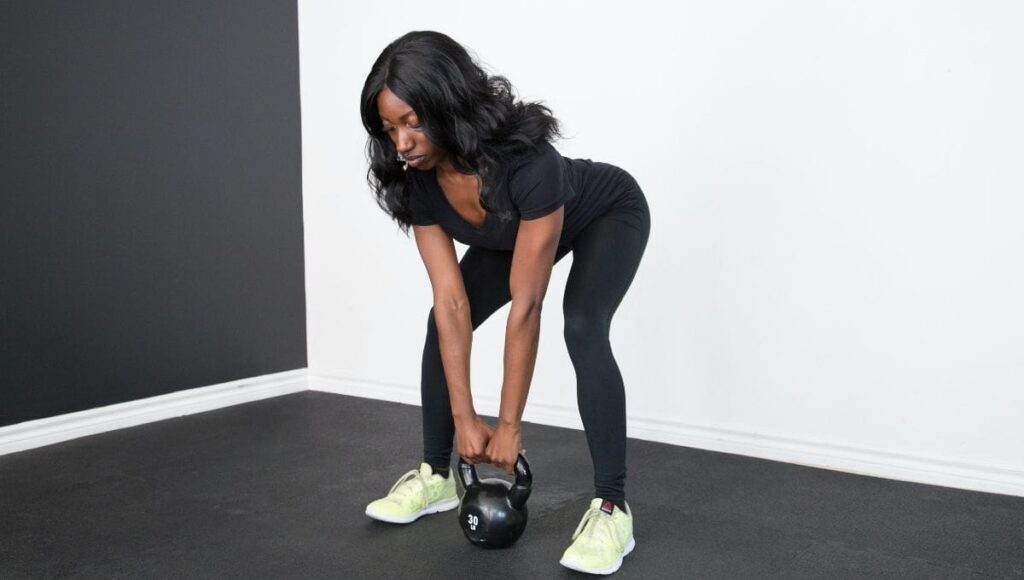
Table of Contents
Understanding Your Menstrual Cycle
The Hormonal Phases
The menstrual cycle is divided into four phases: menstruation, the follicular phase, ovulation, and the luteal phase. Each phase has distinct hormonal changes that impact energy levels, metabolism, and mood.
- Menstruation (Days 1-5): This phase marks the shedding of the uterine lining, leading to lower levels of oestrogen and progesterone. Energy levels might be lower, and it’s a good time for lighter, restorative activities such as yoga or walking.
- Follicular Phase (Days 6-14): Oestrogen levels begin to rise, peaking just before ovulation. This phase is ideal for high-intensity workouts and strength training due to increased energy and improved recovery times.
- Ovulation (Day 14): Oestrogen peaks and testosterone levels rise, making it a prime time for intense workouts. Energy and strength are at their highest, making it the perfect period for personal bests.
- Luteal Phase (Days 15-28): Progesterone levels rise, leading to potential increases in body temperature and metabolic rate. However, energy levels may fluctuate, and cravings can become more pronounced. Moderate-intensity workouts and balanced nutrition are key during this phase.
Women Athletes: A Guide to Menstrual Cycle, Hormonal Changes and Proper Recovery
Hormonal Influences on Fitness
The interplay between hormones such as oestrogen, progesterone, and testosterone significantly impacts how women should approach their fitness routines. During the follicular phase, high oestrogen levels enhance insulin sensitivity and muscle recovery, making it an optimal time for high-intensity interval training (HIIT) and heavy lifting. Conversely, the luteal phase’s higher progesterone levels can lead to water retention and decreased energy, suggesting a shift towards lower intensity workouts and increased focus on nutrition.
Five Simple Steps to Lose Belly Fat and Build Muscle
Step 1: Tailor Your Workouts to Your Cycle
Understanding the hormonal phases of your cycle can help you optimise your workouts. During the follicular phase, focus on strength training and HIIT. In the luteal phase, shift to moderate-intensity workouts and incorporate more rest days to account for lower energy levels.
Follicular Phase Workouts:
- Strength Training: Focus on compound movements such as squats, deadlifts, and bench presses. These exercises engage multiple muscle groups and can lead to significant strength gains.
- HIIT: Incorporate exercises like sprints, burpees, and kettlebell swings. These high-intensity workouts are effective for burning fat and building muscle.
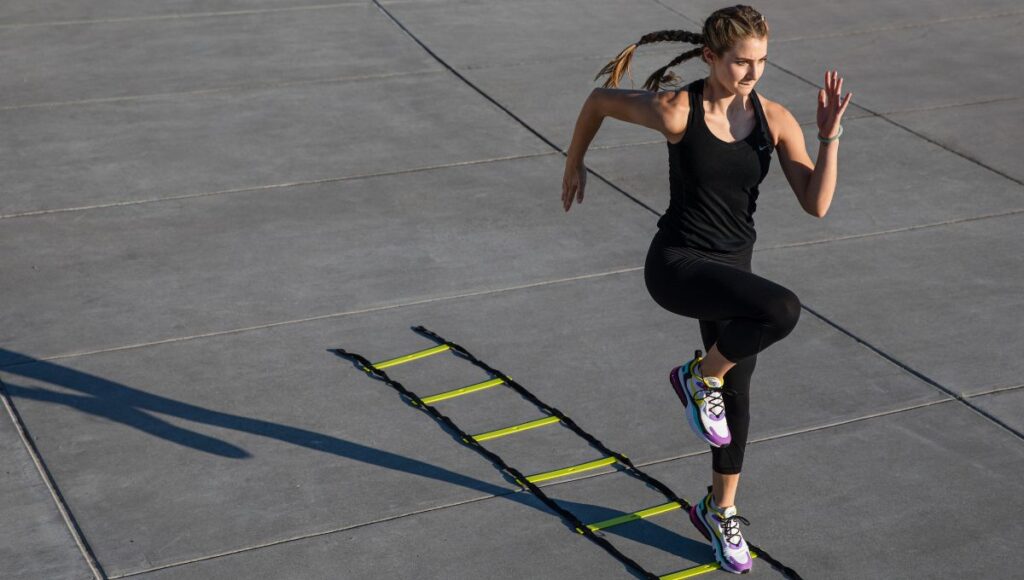
How to Do HIIT Cardio to Get To 10% Body Fat
Luteal Phase Workouts:
- Moderate-Intensity Cardio: Activities like cycling, swimming, or brisk walking can help maintain fitness without overexertion.
- Yoga and Pilates: These low-impact exercises can help improve flexibility and reduce stress, which is particularly beneficial during the luteal phase.
Step 2: Optimise Your Nutrition
Nutrition plays a pivotal role in managing hormonal fluctuations and achieving fitness goals.
During the Follicular Phase:
- Increase Protein Intake: Higher oestrogen levels enhance muscle protein synthesis, making this phase ideal for consuming more protein-rich foods such as lean meats, fish, tofu, and legumes.
- Carbohydrates for Energy: Include complex carbohydrates like quinoa, sweet potatoes, and whole grains to fuel intense workouts.
During the Luteal Phase:
- Healthy Fats: Incorporate sources of healthy fats such as avocados, nuts, and seeds. These can help manage cravings and provide sustained energy.
- Magnesium-Rich Foods: Foods like dark chocolate, spinach, and bananas can help alleviate PMS symptoms and reduce bloating.
Step 3: Manage Stress and Sleep

Stress and lack of sleep can disrupt hormonal balance, leading to increased fat storage and muscle breakdown. Incorporate stress-management techniques such as mindfulness, meditation, and adequate rest into your routine. Aim for 7-9 hours of quality sleep per night to support recovery and overall well-being.
Influence of the Menstrual Cycle on Programming for Performance-Based CrossFit Athletes
Step 4: Hydration and Supplementation
Staying hydrated is crucial for overall health and can help reduce water retention and bloating, particularly during the luteal phase. Aim to drink at least 2-3 litres of water daily. Consider supplements such as omega-3 fatty acids, vitamin D, and magnesium to support hormonal balance and reduce inflammation.
Step 5: Track Your Progress and Adjust Accordingly
Regularly monitor your progress through methods such as journaling, fitness apps, or consultations with a fitness coach. Adjust your workouts and nutrition based on how your body responds during different phases of your cycle. This personalised approach ensures you stay on track towards your fitness goals.
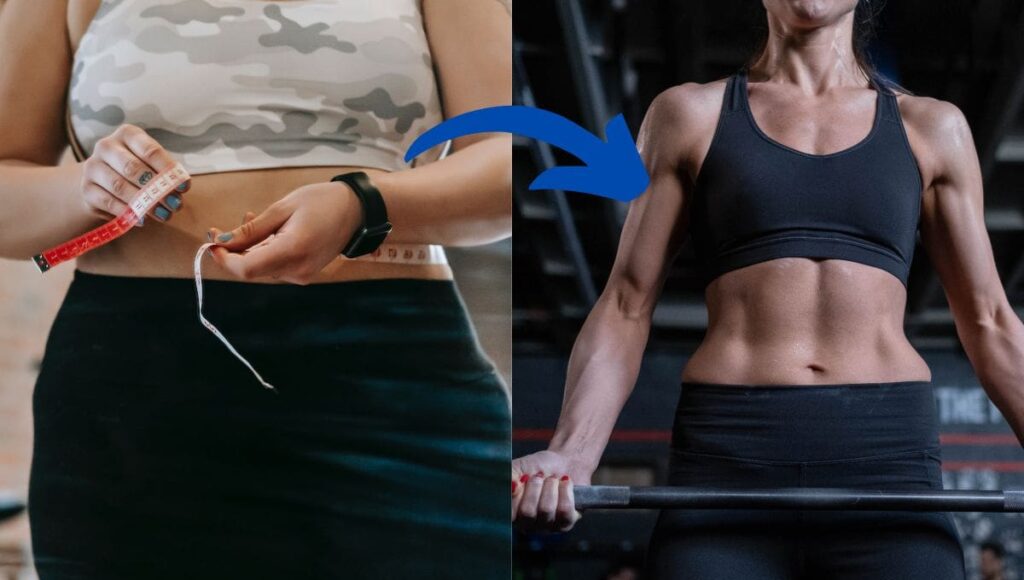
Understanding the impact of the menstrual cycle on fitness can empower women to tailor their workouts and nutrition for optimal results. By aligning exercise routines with hormonal fluctuations, incorporating balanced nutrition, and managing stress and sleep, women can effectively lose belly fat and build muscle.
By applying these five simple steps, women can achieve their fitness goals while respecting their body’s natural rhythms. This holistic approach not only promotes physical health but also enhances mental and emotional well-being, making the journey to fitness both effective and enjoyable.
Remember, consistency and listening to your body are key to achieving long-term fitness success. Embrace these strategies, and watch your fitness journey transform.
Read More: Why Men and Women Must Train Differently