

If you’ve built a solid foundation with push-ups, pull-ups, dips, planks, and bodyweight squats, you’re probably starting to feel the limits of basic calisthenics. Strength gains slow down. Muscle growth plateaus. Skills feel repetitive.
The solution is not random complexity. It’s intelligent progression.


Research consistently shows that progressive overload—gradually increasing mechanical tension, training volume, or complexity—is essential for continued strength and hypertrophy (Schoenfeld, 2010; Kraemer and Ratamess, 2004). In calisthenics, that overload often comes from unilateral loading, increased lever arms, instability, and higher force production demands.
Below are five harder calisthenics exercises that challenge intermediate athletes in meaningful, science-backed ways. Each movement increases joint torque, motor unit recruitment, and neuromuscular demand while still being accessible with smart progression.
1. Archer Push-Up
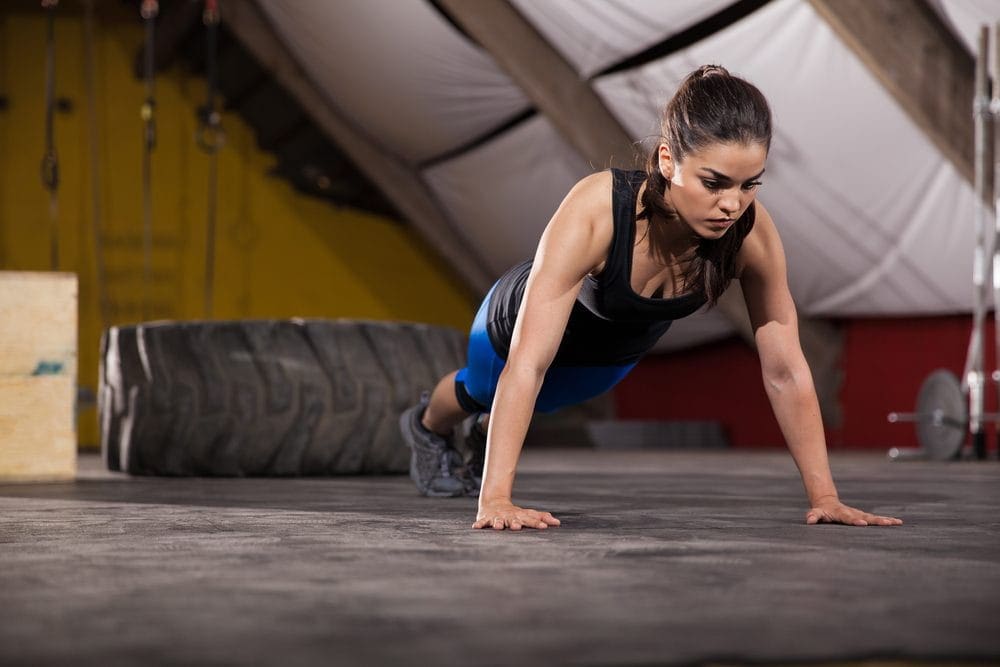
The archer push-up bridges the gap between standard push-ups and full one-arm push-ups. It shifts the majority of bodyweight onto one side, dramatically increasing unilateral pressing strength demands.
Why It’s Harder
A standard push-up distributes load evenly across both arms. In an archer push-up, one arm performs most of the pressing while the other assists minimally. This creates:
- Increased unilateral force production
- Greater core anti-rotation demand
- Higher shoulder stabilization requirements
When load is shifted to one limb, muscle activation increases due to higher relative intensity. Studies show that unilateral exercises can increase core muscle activation compared to bilateral versions because of rotational torque demands (Behm et al., 2010; Saeterbakken and Fimland, 2013).
You also increase mechanical tension, which is one of the primary drivers of hypertrophy (Schoenfeld, 2010).
Muscles Worked
- Pectoralis major
- Anterior deltoid
- Triceps brachii
- Serratus anterior
- Obliques and transverse abdominis
How to Perform It
- Start in a wide push-up position.
- Shift your weight to one side.
- Lower toward the working arm while keeping the opposite arm mostly straight.
- Push back up and alternate sides.
Programming
3–4 sets of 5–8 reps per side.
Rest 90–120 seconds between sets.
Progression: Slow eccentrics (3–4 seconds down) increase time under tension, which is associated with greater hypertrophic signaling (Schoenfeld, 2010).
2. Pistol Squat
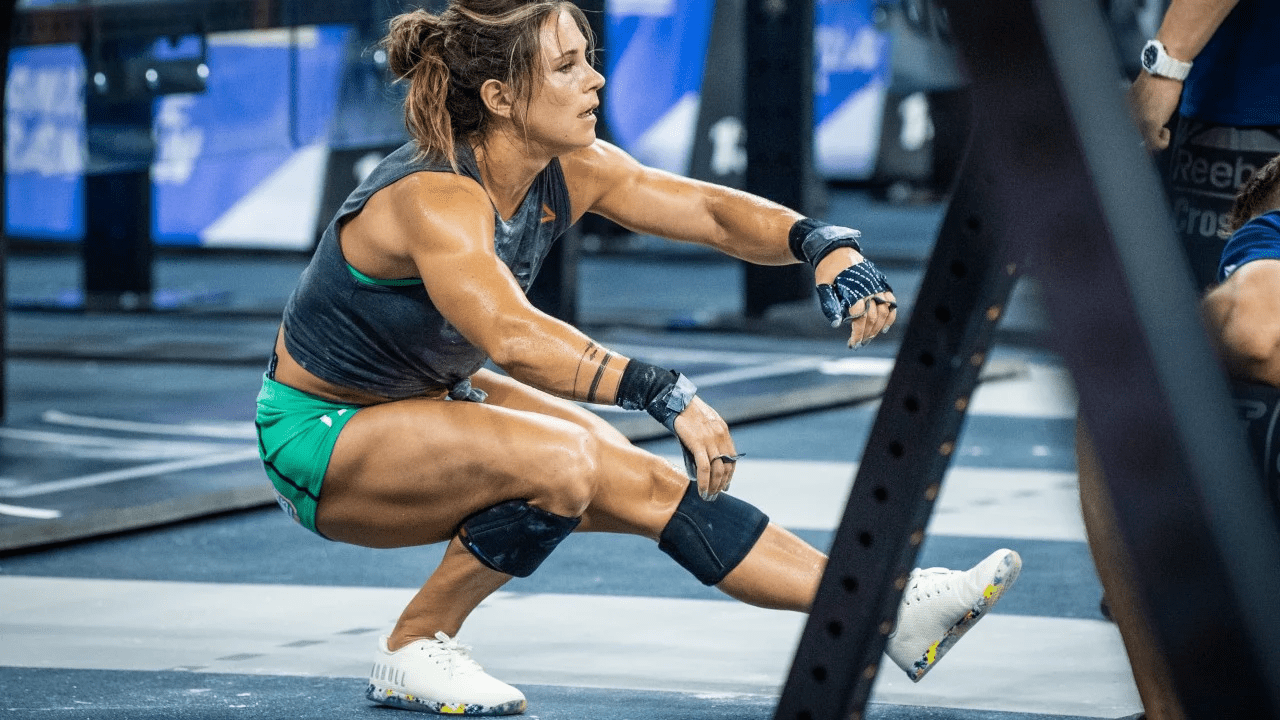
The pistol squat is a single-leg squat performed to full depth while the opposite leg is extended forward. It demands strength, mobility, balance, and control.

Why It’s Harder
A bilateral squat distributes load across both legs. A pistol squat forces one limb to handle nearly the entire body mass.
Unilateral lower-body exercises increase relative load per limb and require greater stabilization from the hip abductors and core. Research shows that single-leg training can improve balance and neuromuscular coordination while maintaining similar strength gains compared to bilateral training (McCurdy et al., 2005).
Additionally, deep knee flexion increases quadriceps activation and glute engagement when performed with proper mechanics (Escamilla et al., 2001).
Muscles Worked
- Quadriceps
- Gluteus maximus
- Gluteus medius
- Hamstrings
- Calves
- Core stabilizers
How to Perform It
- Stand on one leg.
- Extend the other leg straight in front.
- Lower under control until your hamstring contacts your calf.
- Drive through the midfoot to stand.
Key Technical Focus
- Maintain neutral spine.
- Keep knee tracking over toes.
- Control the eccentric phase.
Programming
3–5 sets of 4–6 reps per leg.
If mobility limits depth, use a box to control range of motion. Gradually reduce box height over time.
3. Front Lever Progressions
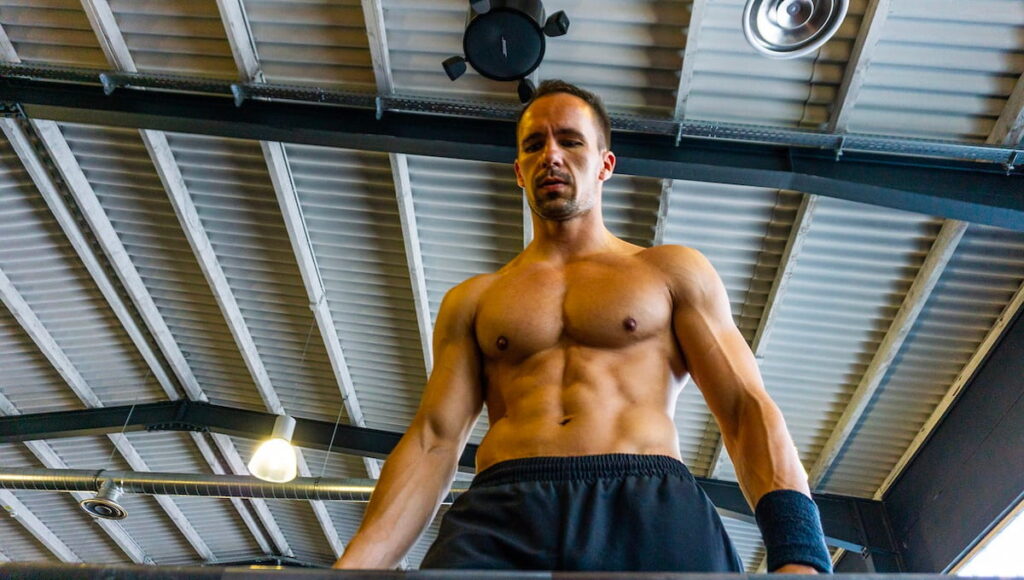
The front lever is one of the most demanding straight-arm strength skills in calisthenics. It requires holding your body horizontally while hanging from a bar.
Why It’s Harder
The front lever dramatically increases shoulder extension torque. The longer the lever (your body), the greater the force required at the shoulder joint.
Torque increases as the distance between the center of mass and pivot point increases. This is basic biomechanics. By extending your legs, you lengthen the lever arm and multiply the required force output.
Isometric training at long muscle lengths can increase strength at specific joint angles and improve tendon stiffness (Oranchuk et al., 2019; Kubo et al., 2006).
Muscles Worked
- Latissimus dorsi
- Teres major
- Posterior deltoids
- Core (especially rectus abdominis and obliques)
- Glutes
Progression Steps
- Tuck front lever
- Advanced tuck
- One-leg extended
- Straddle
- Full front lever
Each step increases lever length and torque demand.
How to Program It
4–6 sets of 8–15 second holds.
Isometric durations between 6–20 seconds have been shown to improve maximal voluntary contraction when trained consistently (Oranchuk et al., 2019).
4. Handstand Push-Up (Wall or Free)
The handstand push-up shifts vertical pressing into a bodyweight format. It mimics overhead pressing while demanding balance and shoulder stability.
Why It’s Harder
Unlike push-ups, the handstand push-up loads the shoulders in near full flexion. This increases anterior deltoid and triceps demand significantly.

Electromyography (EMG) research shows that vertical pressing movements produce high anterior deltoid activation and triceps involvement (Saeterbakken et al., 2013). When inverted, the core must also stabilize against spinal extension.
Additionally, inverted training increases proprioceptive challenge and requires enhanced neuromuscular coordination (Behm and Colado, 2012).
Muscles Worked
- Anterior deltoid
- Triceps
- Upper chest
- Upper trapezius
- Core stabilizers
How to Perform (Wall Version)
- Kick into a wall-supported handstand.
- Lower head under control to lightly touch floor.
- Press back to full elbow extension.
Programming
3–5 sets of 3–8 reps.
If full range is too difficult, elevate hands on parallettes to increase depth gradually.
5. Nordic Hamstring Curl
This is one of the most powerful bodyweight posterior chain builders available.
Why It’s Harder
The Nordic curl heavily overloads the hamstrings in the eccentric phase. Eccentric training produces high mechanical tension and is strongly associated with hypertrophy and strength gains (Douglas et al., 2017).
More importantly, eccentric hamstring strengthening significantly reduces hamstring injury risk. Large systematic reviews show that Nordic hamstring training can reduce hamstring injuries by up to 50–70% (van Dyk et al., 2019).
This exercise challenges knee flexor strength without external load.
Muscles Worked
- Biceps femoris
- Semitendinosus
- Semimembranosus
- Gluteus maximus (secondary)
How to Perform
- Kneel with ankles secured.
- Keep hips extended.
- Slowly lower forward under control.
- Catch yourself with hands if necessary.
- Push lightly to assist return.
Programming
3–4 sets of 4–6 controlled eccentrics.
Tempo: 3–5 seconds down.
Why These Movements Work: The Science of Progression
To continue progressing beyond beginner calisthenics, three physiological principles matter:
1. Mechanical Tension
Mechanical tension is the primary driver of muscle growth (Schoenfeld, 2010). Increasing lever length (front lever), unilateral loading (pistol squat), or vertical force production (handstand push-up) raises tension without added weights.
2. Motor Unit Recruitment
Higher force demands require recruitment of larger motor units, including fast-twitch fibers (Henneman, 1957). Harder calisthenics exercises increase relative intensity, improving neuromuscular efficiency.
3. Eccentric Overload
Nordic curls emphasize eccentric contraction, which produces greater force per unit of energy and stimulates muscle remodeling (Douglas et al., 2017).
Programming for Intermediate Athletes
A simple weekly split could look like:
Upper Body:
- Archer Push-Ups
- Handstand Push-Ups
- Front Lever Holds
Lower Body:
- Pistol Squats
- Nordic Hamstring Curls
Volume guidelines align with evidence suggesting 10–20 weekly sets per muscle group for hypertrophy (Schoenfeld et al., 2017).
Rest intervals of 1–2 minutes are effective for hypertrophy, while 2–3 minutes may improve strength output (Grgic et al., 2017).
Train each movement 2 times per week for optimal adaptation.
Recovery and Injury Prevention
As intensity rises, so does joint stress.
Research shows gradual load progression reduces injury risk compared to rapid spikes in training volume (Gabbett, 2016). Increase difficulty gradually:
- Extend lever length slowly.
- Increase hold duration incrementally.
- Add reps before advancing progressions.
Adequate protein intake also supports muscle repair. Meta-analyses suggest ~1.6 g/kg/day optimizes muscle growth in resistance-trained individuals (Morton et al., 2018).
Sleep remains critical for hormonal regulation and muscle recovery (Dattilo et al., 2011).
Final Thoughts
Intermediate calisthenics athletes don’t need complexity. They need smarter mechanical challenges.
The archer push-up builds unilateral pressing strength.
The pistol squat develops lower-body control and balance.
The front lever builds elite-level pulling and core strength.
The handstand push-up improves vertical pressing power.
The Nordic curl bulletproofs the hamstrings.
Each exercise increases force demands, lever length, or eccentric stress—three proven drivers of adaptation.
Master these movements with patience, progressive overload, and consistent volume. That’s how you move from intermediate to advanced without adding a single weight plate.
Key Takeaways
| Exercise | Primary Benefit | Main Muscles | Why It’s Effective | Programming |
|---|---|---|---|---|
| Archer Push-Up | Unilateral upper-body strength | Chest, triceps, core | Increases unilateral load and core anti-rotation demand | 3–4 x 5–8 per side |
| Pistol Squat | Single-leg strength and balance | Quads, glutes | Raises per-leg mechanical tension | 3–5 x 4–6 per leg |
| Front Lever | Straight-arm pulling strength | Lats, core | Lengthened lever increases torque | 4–6 x 8–15 sec holds |
| Handstand Push-Up | Vertical pressing strength | Shoulders, triceps | High anterior deltoid activation | 3–5 x 3–8 reps |
| Nordic Curl | Hamstring strength and injury prevention | Hamstrings | High eccentric overload | 3–4 x 4–6 reps |
Bibliography
- Behm, D.G. and Colado, J.C. (2012) ‘The effectiveness of resistance training using unstable surfaces and devices for rehabilitation’, International Journal of Sports Physical Therapy, 7(2), pp. 226–241.
- Behm, D.G., Drinkwater, E.J., Willardson, J.M. and Cowley, P.M. (2010) ‘The use of instability to train the core musculature’, Applied Physiology, Nutrition, and Metabolism, 35(1), pp. 91–108.
- Dattilo, M. et al. (2011) ‘Sleep and muscle recovery’, Sports Medicine, 41(10), pp. 861–868.
- Douglas, J., Pearson, S., Ross, A. and McGuigan, M. (2017) ‘Eccentric exercise: Physiological characteristics and acute responses’, Sports Medicine, 47(4), pp. 663–675.
- Escamilla, R.F. et al. (2001) ‘A three-dimensional biomechanical analysis of the squat’, Medicine & Science in Sports & Exercise, 33(6), pp. 984–998.
- Gabbett, T.J. (2016) ‘The training-injury prevention paradox’, British Journal of Sports Medicine, 50(5), pp. 273–280.
- Grgic, J. et al. (2017) ‘Effects of rest interval duration in resistance training on measures of muscular strength’, Sports Medicine, 47(1), pp. 137–151.
- Henneman, E. (1957) ‘Relation between size of neurons and their susceptibility to discharge’, Science, 126(3287), pp. 1345–1347.
- Kraemer, W.J. and Ratamess, N.A. (2004) ‘Fundamentals of resistance training’, Medicine & Science in Sports & Exercise, 36(4), pp. 674–688.