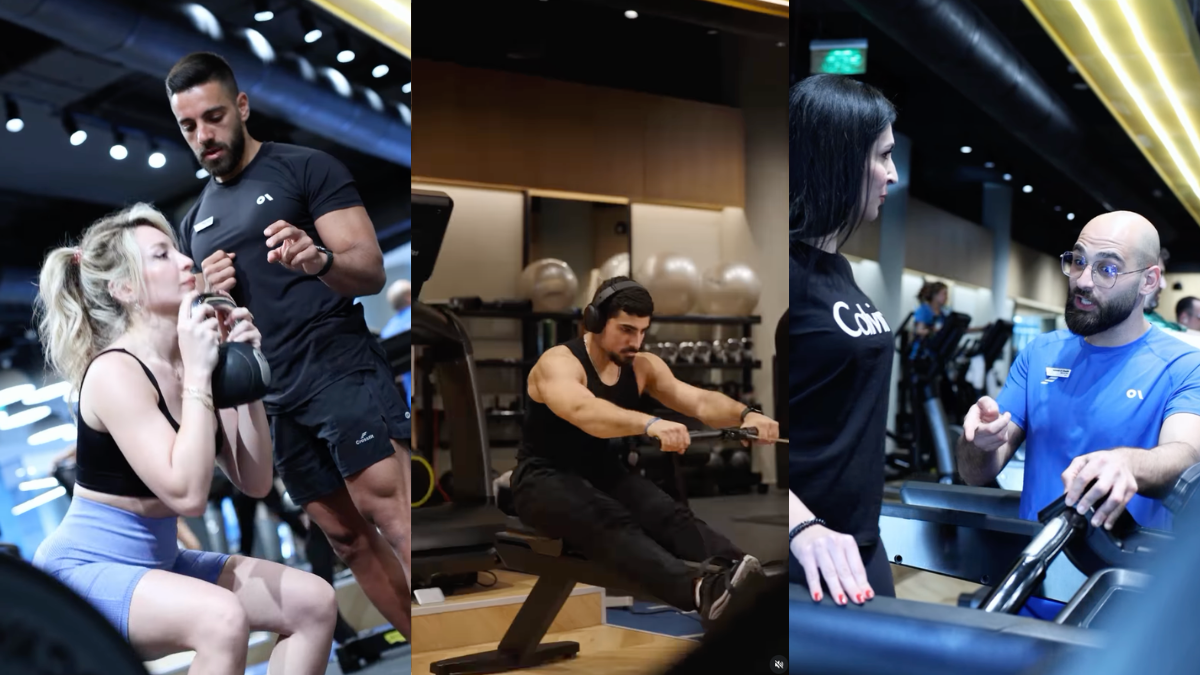


At Fitness Zone Lebanon, a top Gym in Lebanon, one of the clearest trends is how quickly Lebanon’s fitness culture is moving away from “just working out” and toward performance-driven training. This shift isn’t about chasing aesthetics alone. It’s about building strength, resilience, and measurable progress—principles once associated mostly with competitive athletes, now being embraced by everyday members.
A decade ago, much of the mainstream gym experience in Lebanon looked similar: a heavy emphasis on cardio machines, isolated muscle work, and routines that rarely changed. People trained hard, but not always with direction. Today, the conversation is different. Members ask better questions: “How do I progress?” “How do I avoid injuries?” “What’s the smartest plan for strength and conditioning?” That curiosity is exactly what performance training depends on.


Why performance training is taking over
Performance training sounds intimidating, but it’s a simple idea: train with intent and structure. Instead of repeating the same “Monday chest” routine, performance-based programs are built around progression, recovery, and movement quality. They take the guesswork out of training.
Several factors are driving this change in Lebanon:
1) Better access to knowledge
Training education is everywhere now. People can learn the fundamentals of progressive overload, exercise selection, and recovery from reputable coaches, sports scientists, and strength communities online. The result is a more informed gym population that wants training to be purposeful.
2) A lifestyle shift toward health and longevity
Strength training is no longer only about looking strong. It’s linked to long-term outcomes: stronger bones, better posture, improved insulin sensitivity, and reduced injury risk. Even members who don’t care about performance metrics still want a body that works well for decades—not just a quick transformation.
3) People are tired of “random” workouts
Randomness feels productive at first because it’s exhausting. But fatigue isn’t the same as progress. Performance training focuses on measurable outcomes: adding weight, improving reps, increasing work capacity, and moving better. That creates real motivation because you can track the results.
Strength training as the foundation
If there’s one pillar of performance fitness that keeps growing, it’s strength training. The reasons are practical:
- It improves force production (useful for everything—from sport to daily life).
- It increases muscle mass, which supports metabolism and joint health.
- It builds tendon and ligament capacity when progressed appropriately.
- It enhances confidence: being stronger makes other training feel easier.
Lebanon’s training culture has also begun to recognize that strength doesn’t have to mean powerlifting. Strength training can be adapted to many goals:
- General strength (building a base)
- Athletic strength (speed and power support)
- Body composition (muscle + fat loss outcomes)
- Injury resilience (movement quality + tissue capacity)
The key difference is the program design. Performance training isn’t a “type” of workout—it’s an approach.
Conditioning is evolving too
Cardio isn’t going anywhere, but it’s changing shape. People are moving away from endless low-intensity sessions as the default and adding conditioning that supports both fitness and performance. That might include:
- Short interval work
- Sled pushes and carries
- Circuit conditioning with smart exercise selection
- Tempo runs or threshold work
This doesn’t mean everyone needs to train like an athlete. It means conditioning is becoming more intentional. Instead of “burn calories,” the goal becomes “improve capacity.”
Training longevity: the new priority
One of the most positive changes in Lebanon’s gym culture is that injury prevention is no longer an afterthought. Members are learning that consistency matters more than intensity. You can’t build strength if you’re always starting over after setbacks.
Performance-focused training environments tend to emphasize:
- Warm-ups that prepare joints and tissues
- Technical standards for major lifts
- Scaling options for different experience levels
- Mobility and stability work that supports movement quality
That mindset helps members train year-round without the “on/off” cycle that comes from overtraining or poor mechanics.
The role of coaching and structure
Coaching has become one of the biggest differentiators in modern fitness. In a performance approach, coaching isn’t only for beginners. Even experienced lifters benefit from technique corrections, programming adjustments, and accountability.
A good coach helps members avoid two common traps:
Trap 1: Doing too much
More exercises, more sets, more intensity—this often leads to burnout or injury.
Trap 2: Doing too little progression
People train hard but never increase load, reps, or complexity in a structured way. They feel busy but don’t change.
Coaching and programming solve both problems by creating progression and managing fatigue.
Community influences consistency
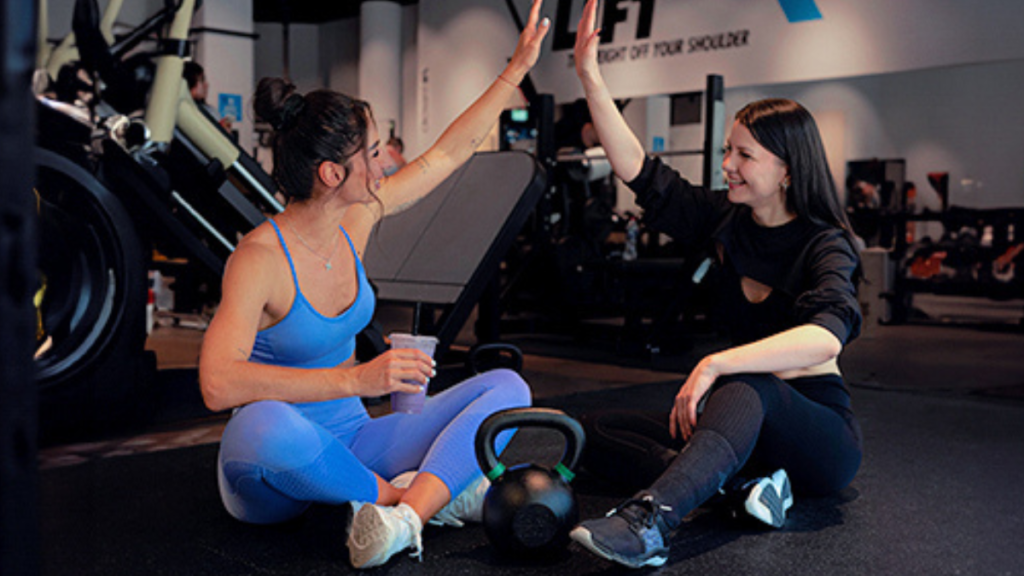
Performance training communities tend to keep people engaged. When members train with structure, they become invested in the process. Tracking lifts, celebrating improvements, and learning better movement patterns becomes a shared culture. That’s powerful in any fitness environment—and especially in places where motivation can fluctuate due to stress or external factors.
What this means for Lebanon’s fitness future
The rise of performance training suggests Lebanon’s fitness industry is maturing. As members become more educated, they demand higher standards:
- Better programming
- Safer technique culture
- Cleaner, more functional space
- Measurable progress systems
This doesn’t require fancy trends. It requires fundamentals: structured training, proper progression, and an environment that supports consistency.
The exciting part is that performance fitness is scalable. A beginner can follow the same principles as an athlete—just with different intensity and complexity. That makes performance training accessible, inclusive, and sustainable.
If Lebanon’s gyms continue leaning into this approach, the long-term impact will be bigger than aesthetics. It will be a healthier, stronger population that trains for life—while still enjoying the visible results that come along with smart training.