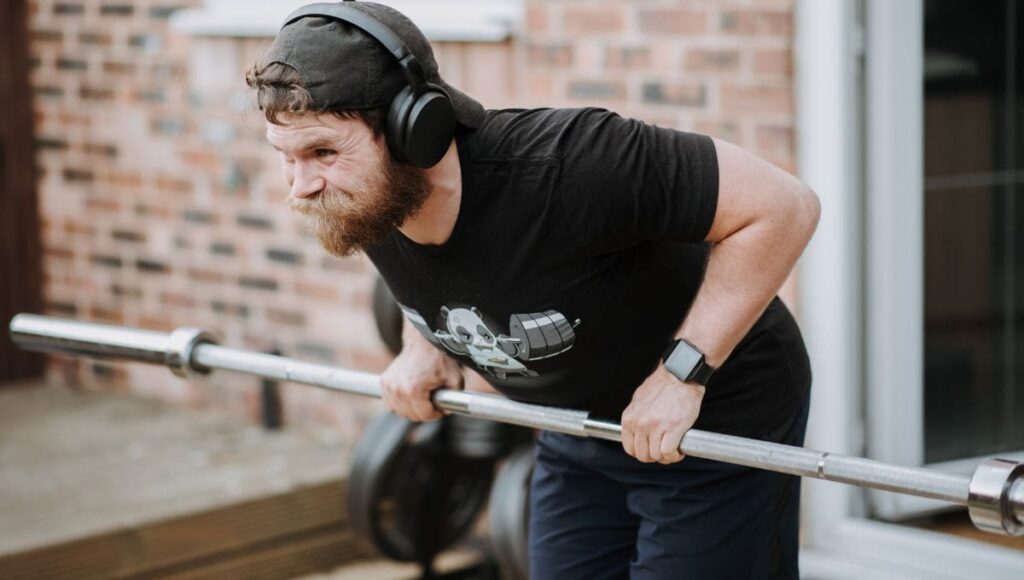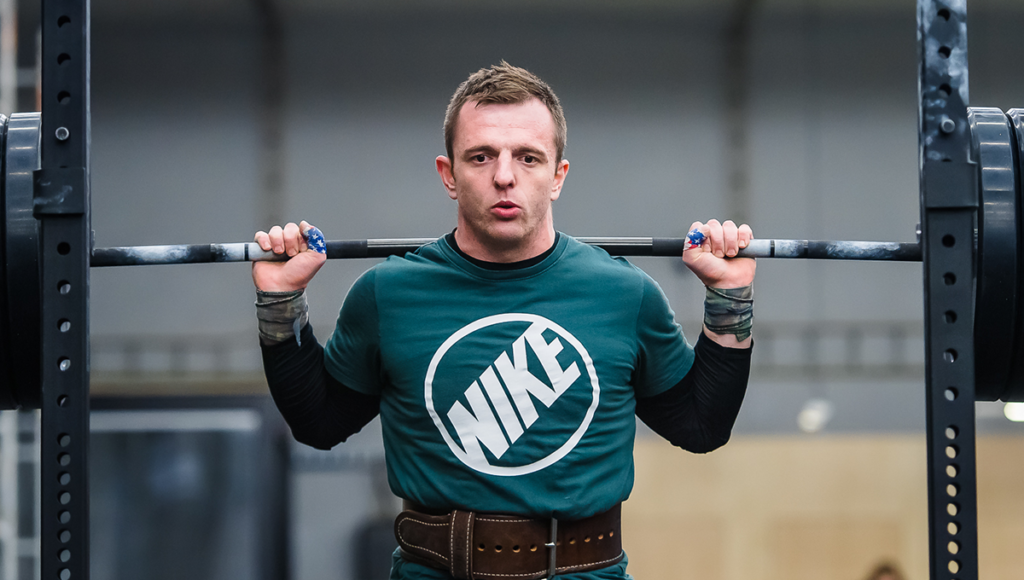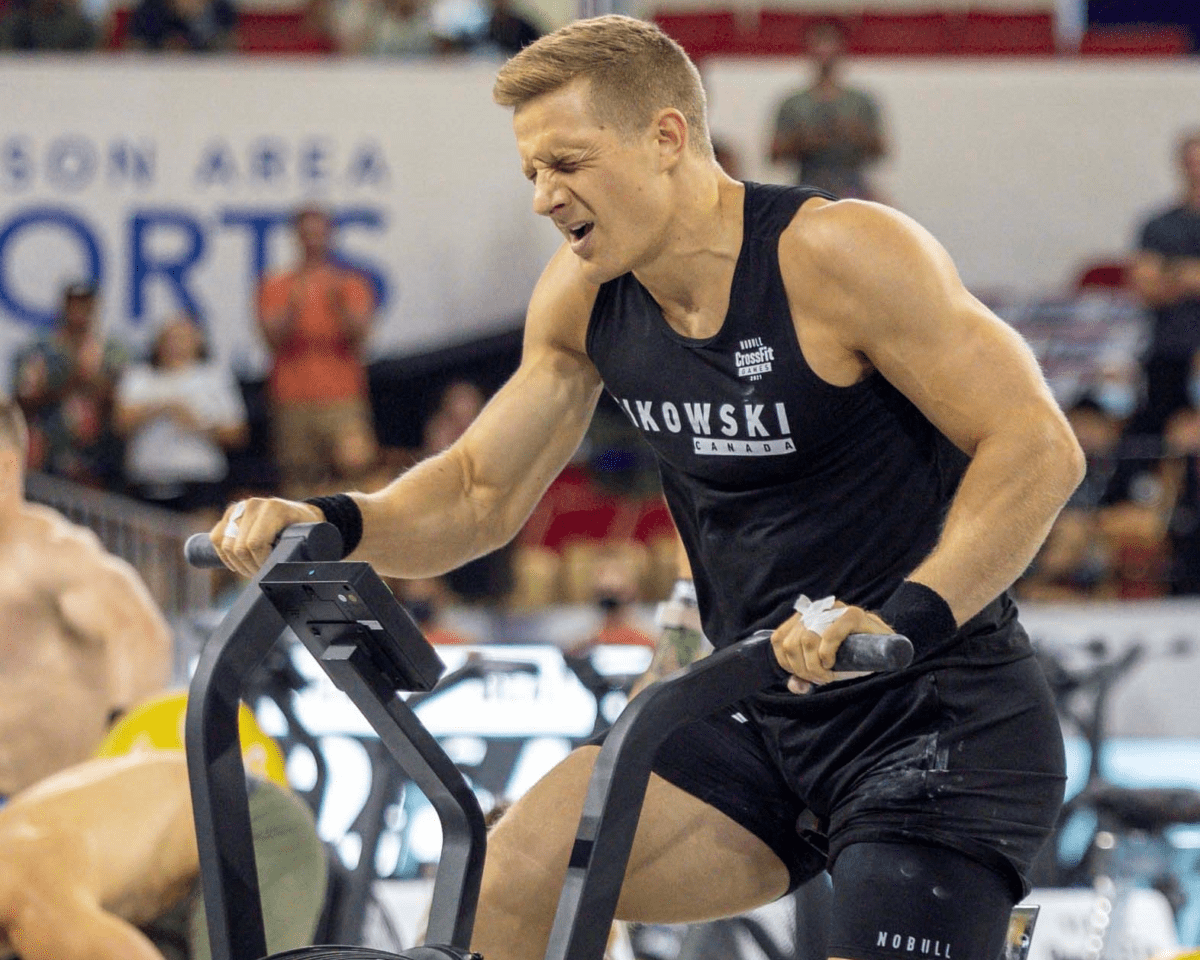


Modern professionals often feel trapped between two competing goals. They want to stay fit, but they also face demanding schedules that limit the time they can spend exercising. Meetings, commuting, family responsibilities, and digital overload reduce the hours available for structured training. As a result, many people assume they must choose between strength training and cardiovascular fitness.
Hybrid training solves this problem.


Hybrid training refers to the strategic combination of strength and endurance training within the same program. The goal is to improve multiple physical qualities without sacrificing efficiency. Instead of separating strength days and cardio days across long training weeks, hybrid methods integrate both in smart, science backed ways.
Research shows that combining resistance and endurance training can improve muscular strength, aerobic capacity, metabolic health, and overall physical performance. When programmed correctly, hybrid training can deliver broad fitness benefits in less time than traditional single modality programs.
For busy professionals, this approach offers a powerful solution. By using efficient training structures, it becomes possible to build strength, improve cardiovascular health, and support long term wellbeing in short training sessions.

Below are three highly effective hybrid training hacks that maximize results while respecting tight schedules. Each method is supported by scientific research and practical coaching experience.
Why Hybrid Training Works for Busy Professionals
Before diving into the hacks, it is important to understand why hybrid training is so effective.
Traditional training models often separate resistance training and aerobic exercise. Bodybuilders prioritize muscle hypertrophy, runners focus on endurance, and many gym programs split strength and cardio across multiple days.
This separation works well for athletes with large training windows. However, it is inefficient for people with limited time. Hybrid training compresses multiple training stimuli into shorter sessions while maintaining quality.
The Science of Concurrent Training
Hybrid training is often described in the research as concurrent training, meaning resistance and endurance work performed within the same training program.
Early studies raised concerns about the so called interference effect, where endurance training might reduce strength gains. However, modern research shows that this effect is largely dependent on programming choices such as exercise order, volume, and intensity.
Well designed concurrent training programs can improve both strength and endurance simultaneously. Several studies show that individuals can gain muscle, increase maximal strength, and improve VO2 max within the same program. For professionals who need efficiency, this means a single well structured session can deliver multiple benefits.
Time Efficiency and Metabolic Benefits
Hybrid training also improves metabolic health.
Resistance training stimulates muscle growth and improves glucose metabolism. Aerobic training improves cardiovascular function and increases mitochondrial density. Combining the two enhances insulin sensitivity, cardiovascular capacity, and overall energy expenditure.
This combination is particularly valuable for professionals who spend long hours sitting.
Long periods of sedentary work are associated with increased risk of metabolic disease, cardiovascular disease, and reduced physical function. Regular hybrid training sessions can counteract these risks by stimulating multiple physiological systems at once.

The key is choosing training structures that deliver the biggest return on time. The following three strategies accomplish exactly that.
Hack 1: Pair Strength Sets With Cardio Bursts
One of the most efficient hybrid training methods is pairing resistance exercises with short bursts of cardiovascular work.
This approach turns traditional rest periods into productive training time. Instead of resting passively between sets of strength exercises, you perform a short burst of cardio. The cardio interval elevates heart rate and improves aerobic conditioning while the primary strength movement still drives muscle development.
This structure dramatically increases training density without significantly extending session length.
How It Works
A simple structure looks like this:
- Perform a set of strength training.
- Immediately perform 30 to 60 seconds of moderate to high intensity cardio.
- Rest briefly if needed.
- Repeat for several rounds.
The strength exercise remains the primary driver of muscular adaptation. The cardio burst maintains elevated heart rate and stimulates the cardiovascular system. Because the cardio intervals are short, they do not significantly compromise strength output when properly programmed.
Example Session Structure
Squat: 5 repetitions
Bike sprint: 30 seconds
Bench press: 6 repetitions
Rowing machine: 30 seconds
Deadlift: 5 repetitions
Jump rope: 30 seconds
Each pair can be repeated three to four times.
In a 30 to 40 minute session, you accumulate a large volume of both strength and cardiovascular work.
Why This Works Physiologically
This strategy exploits a concept called training density. Training density refers to the amount of work performed per unit of time. Higher training density increases metabolic demand and cardiovascular stress without requiring longer sessions.

Studies on circuit training and hybrid resistance protocols show that combining strength exercises with short cardiovascular intervals can significantly increase oxygen consumption and caloric expenditure compared to traditional resistance training. At the same time, heavy compound movements preserve the mechanical tension required for strength development.
Practical Tips
- Choose cardio movements that do not directly fatigue the muscles used in the strength exercise. For example, cycling after squats is better than jumping lunges.
- Keep cardio bursts short. Thirty to forty seconds is ideal.
- Prioritize good lifting technique. The strength movement should always remain high quality.
- This structure allows busy professionals to complete a complete hybrid workout in under 40 minutes.
Hack 2: Use High Intensity Interval Training With Compound Lifts
High intensity interval training, often called HIIT, is one of the most time efficient ways to improve cardiovascular fitness. When combined with compound strength exercises, it becomes a powerful hybrid training method.
HIIT involves short bursts of near maximal effort followed by brief recovery periods. These intervals stimulate significant improvements in aerobic and anaerobic capacity.

Research consistently shows that HIIT can produce similar improvements in VO2 max compared with traditional endurance training despite requiring significantly less time. For busy professionals, this efficiency is extremely valuable.
The Hybrid HIIT Structure
Instead of performing intervals on a treadmill or bike, hybrid HIIT integrates compound strength exercises directly into the interval structure.
Each interval includes a powerful strength movement performed at moderate load for controlled repetitions.
This approach stimulates both muscular and cardiovascular systems simultaneously.
Sample Hybrid HIIT Session
Minute 1
Kettlebell swings for 20 seconds
Rest for 40 seconds
Minute 2
Goblet squats for 20 seconds
Rest for 40 seconds
Minute 3
Push ups for 20 seconds
Rest for 40 seconds
Minute 4
Dumbbell rows for 20 seconds
Rest for 40 seconds
Repeat this cycle for five rounds.
The entire session takes only 20 minutes but provides significant training stimulus.
Why It Is So Effective
HIIT produces large increases in oxygen consumption during and after exercise. This phenomenon, known as excess post exercise oxygen consumption, increases caloric expenditure even after the workout ends.
At the same time, compound strength movements recruit large muscle groups and generate mechanical tension, which is essential for muscle maintenance and development.

Studies comparing HIIT with moderate intensity endurance training show similar improvements in aerobic capacity despite far shorter training durations. Additional research demonstrates that resistance based HIIT can increase muscular strength and power while improving cardiovascular fitness.
This dual benefit makes it ideal for professionals who cannot spend hours in the gym.
Programming Guidelines
- Choose compound movements that recruit multiple muscle groups.
- Keep loads moderate so technique remains strong under fatigue.
- Limit sessions to 20 to 30 minutes to maintain high intensity.
- Two to three hybrid HIIT sessions per week are sufficient for significant improvements in cardiovascular fitness.
Hack 3: Use the Strength First Hybrid Model
One of the most effective ways to combine strength and endurance training is the strength first hybrid model. In this approach, resistance training occurs first in the workout, followed by shorter endurance work.
This structure is supported by research on concurrent training and minimizes the risk that endurance exercise will reduce strength performance.
Why Exercise Order Matters
Strength training requires high levels of neuromuscular coordination and force production. If athletes perform long endurance sessions first, fatigue can reduce their ability to lift heavy loads effectively.
Performing strength work first ensures maximal quality during the most neurologically demanding portion of the workout. After strength training, cardiovascular work can be added without significantly reducing endurance benefits. Studies comparing exercise order show that performing resistance training before endurance work produces superior strength gains compared with the reverse order.
Practical Hybrid Structure
A typical session might look like this.
Strength phase
Back squat: 4 sets of 5 repetitions
Bench press: 4 sets of 6 repetitions
Pull ups: 3 sets of 8 repetitions
Endurance phase
10 minute rowing interval session
Or
15 minute incline treadmill walk
Or
8 rounds of 30 second bike sprints
The total session length remains under 50 minutes but delivers both strength and cardiovascular stimulus.
Why This Works
Strength training stimulates muscle protein synthesis and neuromuscular adaptation. Endurance work that follows improves cardiovascular capacity and metabolic conditioning.
Performing endurance work after strength training may also increase fat oxidation because muscle glycogen stores are partially depleted during the lifting phase. This makes the endurance segment metabolically demanding even when relatively short.
Ideal Weekly Structure
Busy professionals can use a simple weekly template.
Day 1
Strength first hybrid session
Day 2
Rest or light activity
Day 3
Hybrid HIIT session
Day 4
Rest
Day 5
Strength first hybrid session
This structure produces meaningful strength and endurance improvements with only three structured workouts per week.
Recovery and Nutrition for Hybrid Training
Efficient training still requires recovery. Hybrid programs place demands on multiple physiological systems. Muscles, cardiovascular systems, and the nervous system all need time to adapt.
Busy professionals should prioritize three key recovery factors.
Sleep
- Sleep is essential for muscle recovery, hormonal balance, and cognitive performance.
- Research consistently shows that inadequate sleep reduces strength performance, endurance capacity, and recovery from training.
- Aim for seven to nine hours of sleep per night whenever possible.
Protein Intake

- Resistance training increases muscle protein turnover.
- Adequate protein intake supports muscle repair and adaptation.
- Most active adults benefit from daily protein intake between 1.6 and 2.2 grams per kilogram of body weight.
Hydration
- Even mild dehydration can impair endurance performance and reduce cognitive function.
- Busy professionals often overlook hydration during workdays.
- Maintaining consistent fluid intake throughout the day supports both training performance and recovery.
The Long Term Benefits of Hybrid Training
Hybrid training does more than improve physical performance. It supports long term health, productivity, and resilience. Regular exercise improves cognitive performance, mood, and stress management. These benefits are particularly important for professionals managing demanding workloads.
Hybrid training also helps maintain muscle mass and cardiovascular health with age. Muscle loss and declining aerobic capacity are major contributors to age related health problems. Programs that address both qualities simultaneously help preserve long term physical function.
For professionals balancing career success with personal health, hybrid training offers an efficient and sustainable solution. Instead of choosing between lifting weights or doing cardio, the smartest approach is to integrate both. When programmed intelligently, hybrid training allows busy individuals to build strength, improve endurance, and protect long term health without spending hours in the gym.
Conclusion
Time constraints are one of the biggest barriers to consistent exercise for working professionals. Hybrid training solves this challenge by combining strength and endurance work into efficient sessions that deliver multiple fitness benefits simultaneously.
By pairing strength sets with cardio bursts, integrating compound lifts into HIIT intervals, and prioritizing strength work before endurance training, busy professionals can dramatically increase the efficiency of their workouts.
These strategies allow individuals to build strength, improve cardiovascular fitness, and support long term health even when training time is limited. Consistency, intelligent programming, and proper recovery remain the foundation of success.
With the right approach, even the busiest schedule can support meaningful physical progress.
References
• Baar, K., 2014. Using molecular biology to maximize concurrent training. Sports Medicine, 44(S2), pp.117 to 125.
• Boutcher, S.H., 2011. High intensity intermittent exercise and fat loss. Journal of Obesity, 2011, pp.1 to 10.
• Coffey, V.G. and Hawley, J.A., 2017. Concurrent exercise training. Sports Medicine, 47(S2), pp.103 to 118.
• Fyfe, J.J., Bishop, D.J. and Stepto, N.K., 2014. Interference between concurrent resistance and endurance exercise. Sports Medicine, 44(6), pp.743 to 762.
• Gibala, M.J., Little, J.P., Macdonald, M.J. and Hawley, J.A., 2012. Physiological adaptations to low volume high intensity interval training. Journal of Physiology, 590(5), pp.1077 to 1084.
• Grgic, J., Schoenfeld, B.J., Skrepnik, M., Davies, T.B. and Mikulic, P., 2018. Effects of resistance training performed to repetition failure or non failure on muscular strength and hypertrophy. Journal of Sport and Health Science, 10(2), pp.202 to 210.
• Wilson, J.M., Marin, P.J., Rhea, M.R., Wilson, S.M., Loenneke, J.P. and Anderson, J.C., 2012. Concurrent training. Journal of Strength and Conditioning Research, 26(8), pp.2293 to 2307.