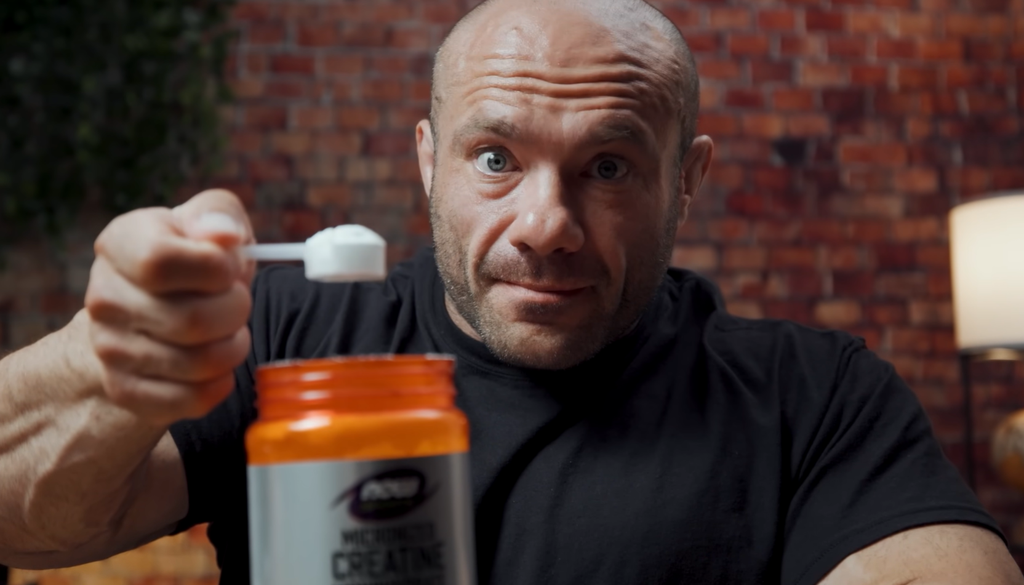
Creatine is one of the most researched and effective supplements in sports nutrition. It has been studied for decades, tested across different populations, and consistently shown to improve strength, power, muscle mass, and even cognitive function. Despite this, many people still fail to get the full benefits from it.
Creatine is not complicated, but small errors in how you use it can limit results or even make you think it is not working at all. This article breaks down three of the most common creatine mistakes that are quietly killing your gains, explains the science behind each one, and shows you exactly how to fix them.


Understanding How Creatine Works
Before diving into the mistakes, it helps to understand what creatine actually does.
Creatine is a naturally occurring compound stored primarily in your muscles as phosphocreatine. Its main role is to help regenerate adenosine triphosphate, or ATP, which is the primary energy source for short bursts of high intensity activity such as sprinting or lifting weights. When you supplement with creatine, you increase your muscle creatine stores. This leads to:
- Improved strength and power output
- Increased training volume
- Faster recovery between sets
- Greater long term muscle growth
Studies consistently show that creatine supplementation can increase strength by about 5 to 15 percent and lean body mass by 1 to 2 kilograms over several weeks of training. However, these benefits depend on how well your muscles are saturated with creatine and how consistently you use it. This is where most people go wrong.

Mistake 1: Not Taking Enough Creatine Consistently
The Problem
One of the biggest mistakes is underdosing creatine or taking it inconsistently. Many people take creatine sporadically, skip days, or use doses that are too low to fully saturate their muscles. As a result, they never reach the levels needed to see meaningful performance benefits.
Creatine works through accumulation. It is not a stimulant or a pre workout that gives an immediate effect. If your muscle stores are not fully saturated, you will not experience its full benefits.
The Science
Muscle creatine stores have a natural limit. Once this limit is reached, additional creatine is simply excreted. Research shows that a daily intake of 3 to 5 grams is sufficient to maintain full saturation after an initial loading phase or over a longer period without loading.
A typical omnivorous diet provides about 1 to 2 grams of creatine per day, which is not enough to maximize stores. Supplementation increases total muscle creatine content by about 20 to 40 percent.
Without consistent intake, these elevated levels gradually decline. Studies show that creatine stores return to baseline within about 4 to 6 weeks after stopping supplementation.
Why It Kills Your Gains
If your muscles are not fully saturated:
- You produce less ATP during high intensity exercise
- Your training volume decreases
- You recover slower between sets
- Muscle growth is reduced over time
In simple terms, you are leaving performance and muscle gains on the table.
The Fix
To maximize creatine benefits:
- Take 3 to 5 grams of creatine monohydrate every day
- Do not skip days, even on rest days
- Be patient, as saturation can take 3 to 4 weeks without loading
Optional loading strategy:
- Take 20 grams per day split into 4 doses for 5 to 7 days
- Then switch to 3 to 5 grams daily
Both approaches work, but consistency matters more than speed.
Mistake 2: Timing and Absorption Errors
The Problem
Another common mistake is misunderstanding when and how to take creatine for optimal absorption. Some people overcomplicate timing, while others ignore factors that can improve creatine uptake into muscle cells. While timing is not the most critical factor, poor habits around intake can still reduce effectiveness.

The Science
Creatine uptake into muscle cells is influenced by insulin. When insulin levels rise, creatine transport into muscles increases. Research shows that combining creatine with carbohydrates or carbohydrates plus protein can significantly enhance creatine retention compared to taking it alone.
For example, one study found that pairing creatine with a high carbohydrate intake increased muscle creatine accumulation by up to 60 percent. Another important factor is blood flow. Post workout periods are associated with increased blood flow to muscles, which may improve creatine delivery.
However, evidence comparing pre workout versus post workout timing is mixed. Some studies suggest slightly greater benefits when taken after training, likely due to improved nutrient uptake and muscle sensitivity.
Why It Kills Your Gains
Poor timing or absorption habits can lead to:
- Reduced creatine uptake into muscle
- Slower saturation of muscle stores
- Less effective training sessions over time
Even small differences in uptake can compound over weeks and months of training.
The Fix
To optimize creatine absorption:
- Take creatine with a meal containing carbohydrates and protein
- Post workout is a practical and effective time
- Stay consistent with your routine rather than chasing perfect timing
Simple example:
- Mix 5 grams of creatine into a post workout shake with protein and carbs
- Or take it with a regular meal if you train at different times
Avoid overthinking it. Consistency and pairing with nutrients matter more than exact timing.
Mistake 3: Not Drinking Enough Water
The Problem
Creatine increases water content inside muscle cells. This is part of how it supports muscle growth and performance. However, many people fail to increase their water intake accordingly. This can lead to dehydration, reduced performance, and discomfort.
The Science
Creatine draws water into muscle cells through osmotic effects. This process, known as cell volumization, is associated with increased protein synthesis and reduced protein breakdown. Studies show that intracellular hydration plays a role in anabolic signaling, meaning that properly hydrated muscle cells are more likely to grow.

However, if overall hydration is insufficient, the body struggles to maintain fluid balance. This can negatively affect performance, thermoregulation, and recovery. Contrary to common myths, creatine does not cause dehydration when proper fluid intake is maintained. In fact, research shows that creatine may improve hydration status during exercise in some conditions.
Why It Kills Your Gains
Inadequate hydration can:
- Reduce strength and endurance
- Increase fatigue during workouts
- Impair recovery
- Cause cramping or discomfort
All of these factors directly impact training quality and muscle growth.
The Fix
To stay properly hydrated while using creatine:
- Drink at least 2.5 to 3.5 liters of water per day
- Increase intake if you sweat heavily or train in hot environments
- Monitor urine color as a simple hydration indicator
Practical tips:
- Drink water consistently throughout the day, not just during workouts
- Add electrolytes if you train intensely or for long durations
Proper hydration supports both performance and the effectiveness of creatine.
Additional Factors That Influence Creatine Effectiveness
While the three mistakes above are the most common, several additional factors can influence how well creatine works.
Type of Creatine
Creatine monohydrate is the most studied and effective form. Other forms such as creatine ethyl ester or buffered creatine have not shown superior results. Stick with creatine monohydrate. It is effective, safe, and cost efficient.
Training Quality
Creatine enhances training capacity, but it does not replace hard work. If your training program lacks progressive overload, proper intensity, or sufficient volume, creatine will not magically build muscle.
Diet
Creatine works best when combined with:
- Adequate protein intake
- Sufficient calories to support muscle growth
- Balanced macronutrient intake
Low calorie diets can limit the muscle building effects of creatine.
Individual Response
Some people respond better to creatine than others. This is often due to baseline creatine levels in muscle. Vegetarians and individuals with lower dietary creatine intake tend to see greater benefits from supplementation.
Safety and Long Term Use
Creatine is one of the safest supplements available. Extensive research shows no harmful effects on kidney or liver function in healthy individuals when taken at recommended doses.
Long term studies lasting several years confirm its safety profile. Common myths include:
- Creatine damages kidneys
- Creatine causes dehydration
- Creatine leads to fat gain
None of these claims are supported by scientific evidence in healthy populations.
Putting It All Together
Creatine is simple, but small mistakes can reduce its effectiveness. To maximize your gains:
- Take 3 to 5 grams daily without skipping
- Pair it with meals for better absorption
- Stay properly hydrated
- Train hard and eat enough to support muscle growth
When used correctly, creatine is one of the most powerful tools you can add to your routine.
References
- Buford, T.W., Kreider, R.B., Stout, J.R., Greenwood, M., Campbell, B., Spano, M., Ziegenfuss, T., Lopez, H., Landis, J., Antonio, J. and International Society of Sports Nutrition (2007). International Society of Sports Nutrition position stand: creatine supplementation and exercise. Journal of the International Society of Sports Nutrition, 4(1), p.6.
- Branch, J.D. (2003). Effect of creatine supplementation on body composition and performance: a meta analysis. International Journal of Sport Nutrition and Exercise Metabolism, 13(2), pp.198 to 226.
- Green, A.L., Hultman, E., Macdonald, I.A., Sewell, D.A. and Greenhaff, P.L. (1996). Carbohydrate ingestion augments skeletal muscle creatine accumulation during creatine supplementation in humans. American Journal of Physiology, 271(5), pp.E821 to E826.