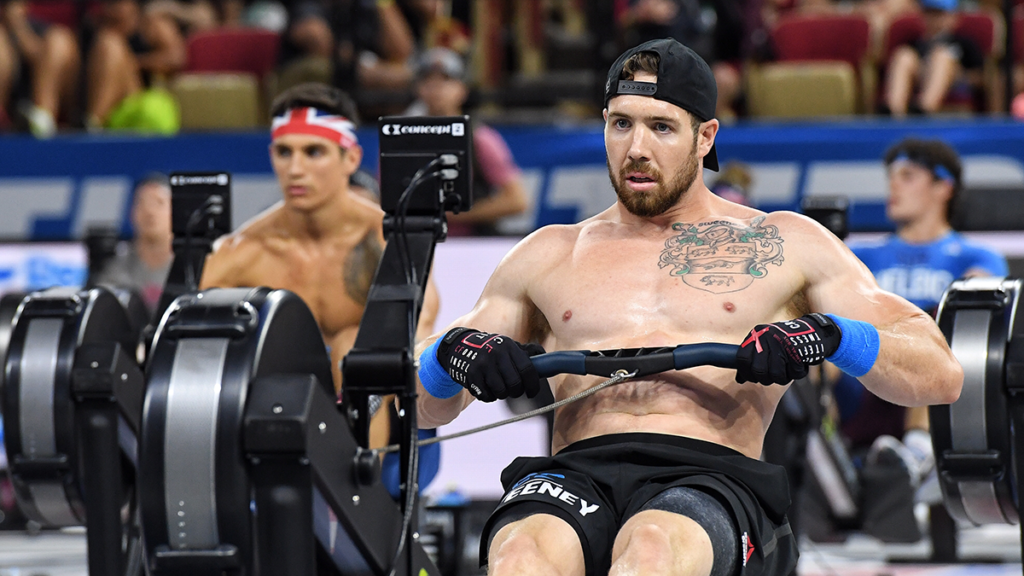


Cardio has a complicated reputation in the fitness world. Some people treat it as essential for health and performance, while others avoid it entirely out of fear that it will destroy their hard earned muscle. The truth sits somewhere in the middle. Cardio can support recovery, improve conditioning, and even help body composition. But certain mistakes can absolutely interfere with muscle growth.
This article breaks down three common cardio mistakes that can sabotage hypertrophy. Each point is backed by scientific evidence and explained in a way that is easy to apply in your training. If your goal is to build or maintain muscle while staying lean and athletic, these are the mistakes you need to avoid.


Understanding the Interference Effect
Before diving into the mistakes, it is important to understand a key concept known as the interference effect. This refers to the idea that endurance training and strength training can compete with each other at a molecular level.
Resistance training primarily activates pathways related to muscle protein synthesis, especially the mTOR pathway. Endurance training activates AMPK, which is linked to energy regulation and mitochondrial adaptations. When done improperly, endurance work can blunt the signaling needed for muscle growth.

Research shows that combining high volumes of endurance training with strength training can reduce strength and hypertrophy gains compared to strength training alone. However, the degree of interference depends on how cardio is programmed. This means cardio itself is not the problem. The way you use it is what matters.
Mistake 1: Doing Too Much Steady State Cardio
Why It Hurts Muscle Growth
Steady state cardio, especially at moderate intensity for long durations, is one of the biggest culprits when it comes to limiting muscle gains. This type of cardio is often performed for 30 to 90 minutes at a consistent pace, such as jogging or cycling.
The issue is not just calorie burn. It is the cumulative stress it places on your body. High volumes of steady state cardio increase AMPK activation, which can suppress mTOR signaling. This reduces muscle protein synthesis, making it harder to build or even maintain muscle mass.
In addition, long cardio sessions increase cortisol levels. Chronic elevation of cortisol is associated with muscle breakdown and reduced recovery capacity. There is also a simple energy balance problem. Muscle growth requires a caloric surplus or at least sufficient energy intake. Excessive cardio can create a large energy deficit, making it difficult to support hypertrophy.
What the Science Says
Studies comparing resistance training alone versus concurrent training show that high volumes of endurance work can impair muscle growth. This effect is more pronounced when the endurance work is long duration and frequent.
Research also suggests that the type of cardio matters. Cycling tends to interfere less with strength gains than running, likely due to lower eccentric muscle damage.
Better Approach
You do not need to eliminate steady state cardio entirely. You just need to control it. Here is how to use it without killing your gains:
• Limit sessions to 20 to 40 minutes
• Keep intensity low to moderate
• Perform it on rest days or after lifting
• Avoid doing it every day
If your primary goal is hypertrophy, think of steady state cardio as a tool for health and recovery, not as the main driver of fat loss.
Mistake 2: Doing Cardio Before Lifting
Why Timing Matters
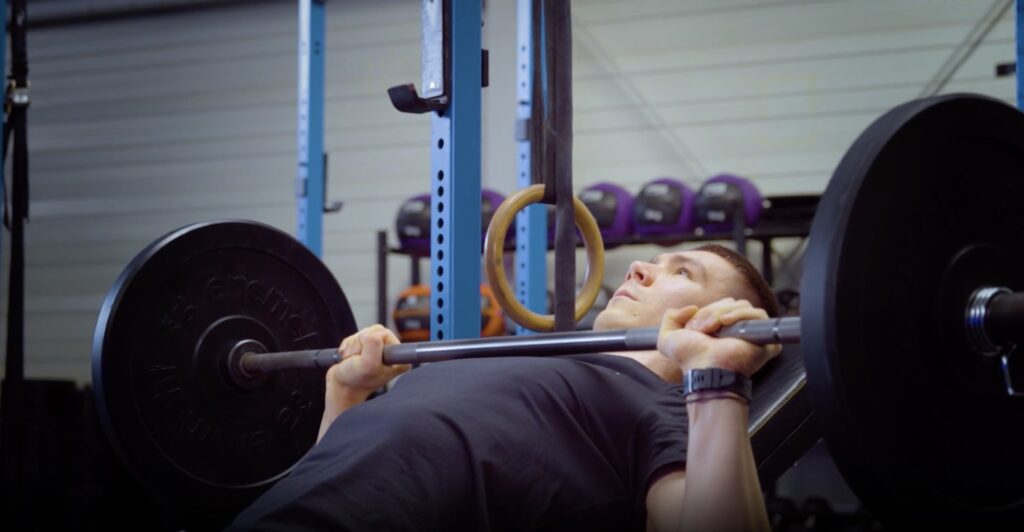
The order in which you perform cardio and resistance training has a direct impact on performance and muscle growth. When you do cardio first, you create fatigue that reduces your ability to produce force during your lifting session. This leads to fewer reps, lower loads, and reduced training volume.
Since mechanical tension and training volume are key drivers of hypertrophy, anything that reduces your performance in the gym will limit muscle growth. There is also a neural component. Cardio, especially endurance work, can reduce motor unit recruitment and decrease the efficiency of muscle contractions during subsequent strength training.
What the Science Says
Research consistently shows that performing endurance exercise before resistance training reduces strength performance. This leads to lower total work output in the resistance training session.
Over time, this reduction in training quality can translate into smaller gains in muscle size and strength.
Studies on concurrent training also show that separating cardio and lifting sessions by several hours improves outcomes compared to doing them back to back.
Better Approach
If your goal is to build muscle, prioritize your lifting.
Here are better options for structuring your training:
• Lift weights first, then do cardio
• Separate cardio and lifting by at least 6 hours if possible
• Perform cardio on different days than heavy lifting sessions
If you must do both in one session, keep cardio short and low intensity after your workout. This simple change can significantly improve your training quality and long term results.
Mistake 3: Using the Wrong Type of Cardio
Not All Cardio Is Equal
Many people think of cardio as one category, but different forms of cardio have very different effects on the body. Long duration endurance work is the most likely to interfere with muscle growth. High intensity interval training, or HIIT, has a different profile.
HIIT involves short bursts of intense effort followed by recovery periods. This type of training can improve cardiovascular fitness with less total time and less overall volume. It also appears to have less of a negative impact on muscle growth compared to traditional endurance training. However, even HIIT can become problematic if overused.
What the Science Says
Research shows that HIIT can improve aerobic capacity while preserving muscle mass. In some cases, it may even support hypertrophy when combined with resistance training.
This is likely due to lower overall training volume and different molecular signaling compared to steady state cardio. However, excessive HIIT can still increase fatigue, reduce recovery, and impair performance in the gym. The key is moderation and smart programming.
Better Approach
Choose cardio methods that align with your goals. For most people trying to build muscle, the following approach works well:
• Use HIIT 1 to 3 times per week
• Keep sessions short, around 10 to 20 minutes
• Combine with low intensity steady state cardio if needed
• Avoid excessive total cardio volume
You can also choose lower impact options such as cycling, rowing, or incline walking to reduce muscle damage. The goal is to improve conditioning without compromising recovery.
Additional Factors That Influence Cardio and Muscle Growth
Nutrition
Even perfectly programmed cardio can interfere with muscle growth if your nutrition is not aligned with your goals. To support hypertrophy while doing cardio:
• Eat enough total calories
• Prioritize protein intake
• Time carbohydrates around training
Protein intake is especially important. Research suggests that higher protein intake can help preserve lean mass during periods of increased energy expenditure.
Recovery
Cardio adds to your overall training load. If you are not recovering properly, your muscle growth will suffer. Pay attention to:
• Sleep quality and duration
• Rest days
• Signs of overtraining
Balancing cardio and resistance training requires managing total stress, not just individual workouts.
Training Status
Beginners are less likely to experience interference compared to advanced lifters. As you become more trained, your body becomes more sensitive to competing adaptations. This means advanced athletes need to be more precise with their programming.
How to Combine Cardio and Strength Training Effectively
If your goal is to build muscle while staying conditioned, here is a practical framework:
Weekly Structure Example
• 3 to 5 strength training sessions
• 2 to 3 cardio sessions
• At least 1 full rest day
Cardio Guidelines
• Keep total weekly cardio volume moderate
• Prioritize HIIT or low intensity cardio
• Avoid long duration endurance sessions

Scheduling Tips
• Lift weights before cardio when done on the same day
• Separate sessions when possible
• Place cardio on lighter training days
This approach allows you to get the benefits of both training styles without excessive interference.
Common Myths About Cardio and Muscle Loss
Myth 1: Cardio Burns Muscle Directly
Cardio does not directly burn muscle. Muscle loss occurs when energy intake is insufficient and recovery is poor.
Myth 2: You Should Avoid Cardio Completely
Avoiding cardio entirely is not necessary and can actually harm your health and performance.
Myth 3: More Cardio Equals Faster Fat Loss
Excessive cardio can lead to fatigue, increased hunger, and reduced muscle mass. Fat loss is more effectively managed through a combination of diet and moderate activity.
Final Thoughts
Cardio is not the enemy of muscle growth. Poor programming is. By avoiding excessive steady state cardio, prioritizing your lifting sessions, and choosing the right type of cardio, you can build muscle while improving your conditioning.
The key is balance. When used correctly, cardio can enhance your overall fitness without compromising your gains. Take a strategic approach, listen to your body, and adjust based on your goals.
Key Takeaways
| Mistake | Why It Hurts Gains | Better Approach |
|---|---|---|
| Too much steady state cardio | Suppresses muscle growth signaling and increases fatigue | Limit duration and frequency, keep intensity moderate |
| Doing cardio before lifting | Reduces strength and training performance | Lift first or separate sessions |
| Wrong type of cardio | High volume endurance work interferes more with hypertrophy | Use HIIT and low impact cardio strategically |
| Poor nutrition | Insufficient calories and protein limit growth | Eat enough and prioritize protein |
| Inadequate recovery | Excess fatigue reduces adaptation | Focus on sleep and rest days |
References
• Coffey, V.G. and Hawley, J.A. (2017). Concurrent exercise training: do opposites distract. Journal of Physiology, 595(9), pp.2883 to 2896.
• Fyfe, J.J., Bishop, D.J. and Stepto, N.K. (2014). Interference between concurrent resistance and endurance exercise: molecular bases and the role of individual training variables. Sports Medicine, 44(6), pp.743 to 762.
• Wilson, J.M., Marin, P.J., Rhea, M.R., Wilson, S.M., Loenneke, J.P. and Anderson, J.C. (2012). Concurrent training: a meta analysis examining interference of aerobic and resistance exercises. Journal of Strength and Conditioning Research, 26(8), pp.2293 to 2307.
• Murach, K.A. and Bagley, J.R. (2016). Skeletal muscle hypertrophy with concurrent exercise training: contrary evidence for an interference effect. Sports Medicine, 46(8), pp.1029 to 1039.
• Lundberg, T.R., Fernandez-Gonzalo, R., Gustafsson, T. and Tesch, P.A. (2013). Aerobic exercise does not compromise muscle hypertrophy response to short term resistance training. Journal of Applied Physiology, 114(1), pp.81 to 89.
• Gibala, M.J., Little, J.P., Macdonald, M.J. and Hawley, J.A. (2012). Physiological adaptations to low volume, high intensity interval training in health and disease. Journal of Physiology, 590(5), pp.1077 to 1084.