Walking into a workout feeling flat is one of the fastest ways to limit performance. Strength, power, endurance, and even coordination all depend on having readily available energy. The good news is that you can influence your energy levels within minutes to hours through smart nutrition and timing.
This article breaks down ten quick fix energy sources that are backed by science and practical for real world use. Each option is explained in clear terms so you can decide what works best for your training style and schedule.


Why Fast Energy Matters for Training
Your body relies on adenosine triphosphate, or ATP, to fuel muscle contractions. ATP is constantly regenerated using three main systems. The phosphagen system supports short explosive efforts. Glycolysis breaks down carbohydrates for moderate intensity work. Oxidative metabolism supports longer duration efforts using carbohydrates and fats.
When you train hard, especially with resistance training or high intensity intervals, your body leans heavily on carbohydrates and the phosphagen system. If energy availability is low, performance drops. Research shows that carbohydrate availability directly affects exercise capacity and power output, particularly during high intensity work. Low glycogen levels are linked with early fatigue and reduced training volume.
Quick fix energy sources work by rapidly increasing blood glucose, enhancing nervous system stimulation, or improving metabolic efficiency. The right choice depends on your goals, timing, and tolerance.
1. Fast Digesting Carbohydrates

What They Do
Fast digesting carbohydrates raise blood glucose quickly, providing immediate fuel for working muscles. This supports glycolysis, which is critical for lifting weights and performing intense intervals.
Examples
- White rice
- Bananas
- White bread
- Rice cakes
- Sports drinks
Science Behind It
Carbohydrate ingestion before and during exercise improves performance by maintaining blood glucose and sparing muscle glycogen. Studies show that consuming carbohydrates shortly before exercise enhances endurance and high intensity performance. Rapidly absorbed carbs are especially useful when training within a short time frame after eating.
How to Use
Consume 20 to 40 grams of fast carbs 30 to 60 minutes before training. If you are training immediately, a sports drink or banana can provide quick fuel.
2. Caffeine

What It Does
Caffeine stimulates the central nervous system, increases alertness, and reduces perceived effort. It can also enhance fat oxidation and improve neuromuscular function.
Science Behind It
Caffeine consistently improves strength, endurance, and power output across a wide range of activities. It works by blocking adenosine receptors in the brain, which reduces fatigue signals. Research shows improvements in both aerobic and anaerobic performance.
How to Use
Take 3 to 6 milligrams per kilogram of body weight about 30 to 60 minutes before training. Start at the lower end to assess tolerance.
3. Creatine
What It Does
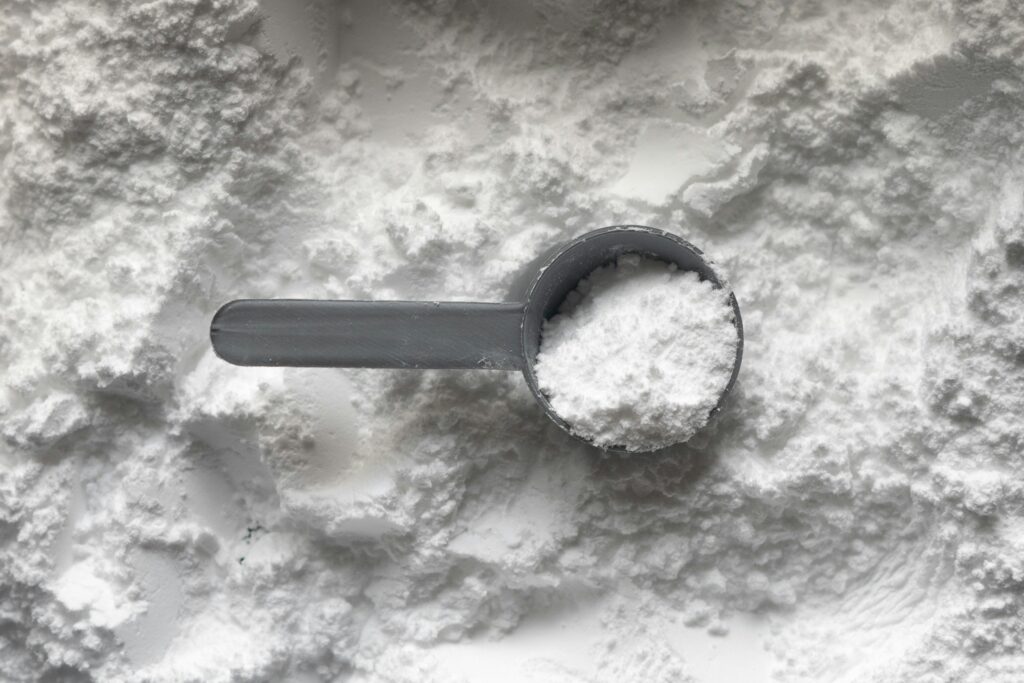
Creatine increases phosphocreatine stores in muscle, which helps regenerate ATP during short bursts of high intensity exercise.
Science Behind It
Creatine supplementation improves strength, power, and lean body mass. It is one of the most studied and effective supplements for high intensity training. Increased phosphocreatine availability allows for more rapid ATP resynthesis.
How to Use
While creatine is not an acute stimulant, it supports quick energy production during training. Take 3 to 5 grams daily to maintain elevated muscle stores.
4. Beetroot Juice and Nitrates
What They Do
Dietary nitrates improve blood flow and oxygen delivery to muscles by increasing nitric oxide production.
Science Behind It
Nitrate supplementation has been shown to improve exercise efficiency and endurance performance. It reduces the oxygen cost of exercise, meaning you can do more work with less effort.
How to Use
Consume beetroot juice or nitrate rich foods 2 to 3 hours before training for best effects.
5. Simple Sugars During Training
What They Do
Consuming carbohydrates during training helps maintain blood glucose levels and delay fatigue.
Science Behind It
Ingesting carbohydrates during prolonged or high intensity exercise improves performance and reduces fatigue. Even mouth rinsing with carbohydrate solutions has been shown to activate brain regions associated with reward and motor control.
How to Use
Sip on a sports drink or consume 30 to 60 grams of carbohydrates per hour during longer sessions.
6. Beta Alanine
What It Does
Beta alanine increases muscle carnosine levels, which helps buffer acid buildup during intense exercise.
Science Behind It
Higher carnosine levels improve performance in high intensity efforts lasting one to four minutes. This includes many gym based activities such as circuits and hypertrophy training.
How to Use
Take 2 to 5 grams daily. Like creatine, it works through chronic supplementation rather than immediate effects.
7. Electrolytes
What They Do
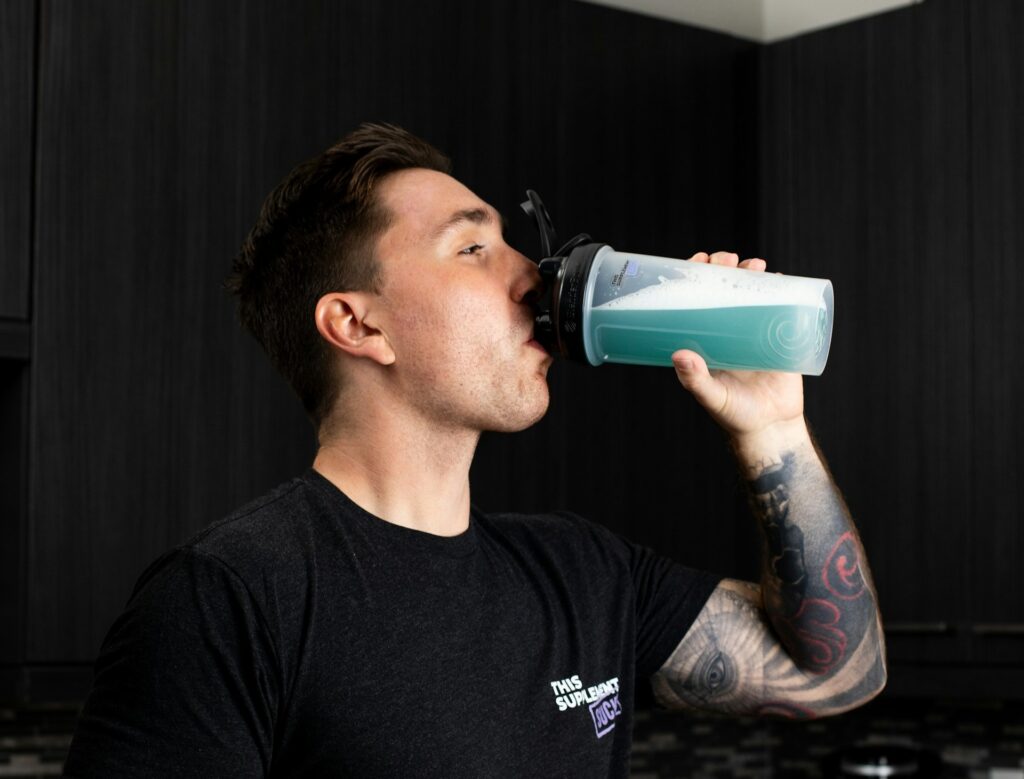
Electrolytes support hydration, nerve function, and muscle contraction. Even mild dehydration can impair performance.
Science Behind It
Fluid and electrolyte balance is critical for maintaining performance. Sodium helps retain fluid and supports nerve signaling. Research shows that dehydration as low as two percent body weight can reduce strength and endurance.
How to Use
Add electrolytes to water, especially during longer or sweat heavy sessions.
8. B Vitamins
What They Do
B vitamins play a key role in energy metabolism by helping convert food into usable energy.
Science Behind It
Deficiencies in B vitamins can impair energy production and lead to fatigue. While supplementation does not boost energy beyond normal levels in well nourished individuals, it supports optimal metabolic function.
How to Use
Ensure adequate intake through diet or a balanced supplement, especially if your diet is restrictive.
9. Medium Chain Triglycerides
What They Do
Medium chain triglycerides, or MCTs, are rapidly absorbed fats that can be used as a quick energy source.
Science Behind It
MCTs are metabolized differently from long chain fats and can be rapidly oxidized for energy. Some studies suggest they may support endurance performance, though results are mixed.

How to Use
Add small amounts, such as 5 to 10 grams, to a pre workout meal or drink. Avoid large doses to prevent digestive discomfort.
10. Protein with Carbohydrates
What It Does
Combining protein with carbohydrates supports energy availability and reduces muscle breakdown.
Science Behind It
Protein can enhance glycogen storage when consumed with carbohydrates. It also supports muscle repair and recovery. Some studies suggest that combining protein and carbs improves endurance compared to carbs alone.
How to Use
Consume a balanced snack such as yogurt with fruit or a protein shake with a banana 30 to 90 minutes before training.
Putting It All Together
The best approach depends on your training style and timing. For early morning workouts, a combination of caffeine and fast carbs works well. For longer sessions, adding intra workout carbohydrates and electrolytes can sustain performance. Supplements like creatine and beta alanine provide a foundation for high intensity work when used consistently.
Consistency matters more than any single quick fix. These strategies are most effective when combined with a balanced diet, proper hydration, and adequate sleep.
Practical Pre Workout Combinations
Here are a few simple combinations you can use depending on your schedule:
Short Notice Workout
- Banana
- Coffee
- Water with electrolytes
Strength Session
- White rice or rice cakes
- Protein shake
- Creatine
Endurance or Long Session
- Sports drink
- Electrolytes
- Beetroot juice
High Intensity Training
- Fast carbs
- Caffeine
- Beta alanine
Common Mistakes to Avoid
- Relying only on stimulants without proper nutrition
- Skipping carbohydrates before high intensity training
- Overusing supplements without consistent diet
- Ignoring hydration and electrolytes
- Trying too many new strategies at once
Final Thoughts
Quick fix energy sources can make a noticeable difference in your workouts when used correctly. The key is understanding how each option works and applying it based on your needs. Whether you need a rapid boost before a lift or sustained energy during a long session, these strategies are grounded in science and practical for everyday training.
Consistency, timing, and individual response are what determine success. Test these options, track your performance, and refine your approach over time.
References
• Burke, L.M., Hawley, J.A., Wong, S.H.S. and Jeukendrup, A.E., 2011. Carbohydrates for training and competition. Journal of Sports Sciences, 29(sup1), pp.S17 to S27.
• Spriet, L.L., 2014. Exercise and sport performance with low doses of caffeine. Sports Medicine, 44(2), pp.175 to 184.
• Kreider, R.B., Kalman, D.S., Antonio, J., Ziegenfuss, T.N., Wildman, R., Collins, R., Candow, D.G., Kleiner, S.M., Almada, A.L. and Lopez, H.L., 2017. International Society of Sports Nutrition position stand on creatine supplementation. Journal of the International Society of Sports Nutrition, 14(1), p.18.
• Jones, A.M., 2014. Dietary nitrate supplementation and exercise performance. Sports Medicine, 44(1), pp.35 to 45.
• Jeukendrup, A.E., 2014. A step towards personalized sports nutrition. Sports Medicine, 44(1), pp.25 to 33.
• Hobson, R.M., Saunders, B., Ball, G., Harris, R.C. and Sale, C., 2012. Effects of beta alanine supplementation on exercise performance. Amino Acids, 43(1), pp.25 to 37.