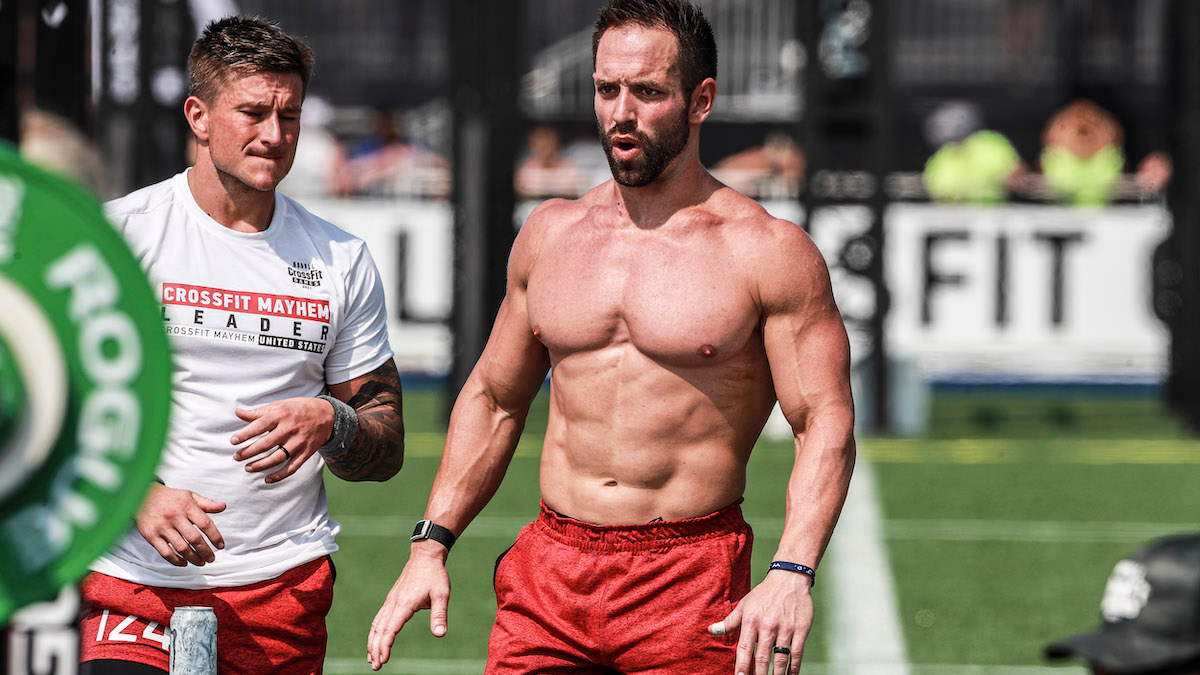


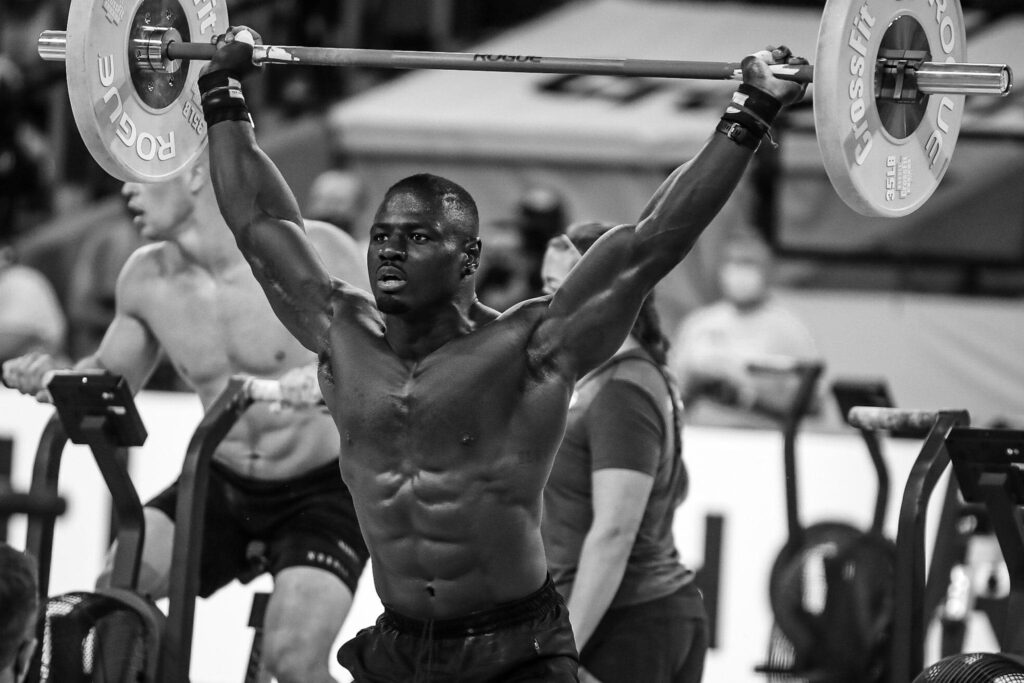
A well developed V shaped torso is one of the most recognizable markers of strength and athleticism. Broad shoulders that taper down into a narrow waist create a silhouette that signals power, health, and physical competence. This look is not just about aesthetics. It reflects balanced muscular development, low body fat, and smart training choices.
The good news is that building a V shape is not reserved for genetic outliers. While bone structure plays a role, training, nutrition, and lifestyle choices have a much larger impact than most people think. Science gives us a clear roadmap for maximizing shoulder width, lat development, and waist control.


This article breaks down five evidence based hacks that will help you build a more impressive V shaped torso. Each section explains not just what to do, but why it works, so you can apply it with confidence.
Understanding the V Shape
Before jumping into the hacks, it helps to understand what creates the V shape visually. The torso looks wider at the top and narrower at the bottom when three factors are in place:
- Well developed deltoid muscles, especially the lateral head
- Thick and wide latissimus dorsi muscles
- A relatively small waist circumference, often driven by low body fat
Muscle hypertrophy and fat distribution are the main drivers of this look. Resistance training increases muscle cross sectional area, while energy balance and diet regulate body fat levels. Together, these determine your overall silhouette.
The Role of Genetics
Genetics influence clavicle width, muscle insertions, and fat distribution patterns. However, research shows that resistance training can significantly increase muscle size regardless of genetic background, especially in beginners and intermediates. You cannot change your bone structure, but you can dramatically enhance how your physique looks by maximizing the muscles that contribute to width and minimizing unnecessary fat around the waist.
Hack 1: Prioritize Lateral Deltoid Hypertrophy
If you want broader shoulders, your lateral deltoids need to grow. These muscles sit on the outer part of your shoulders and create that capped look that expands your upper body width.
Why It Works
Muscle hypertrophy occurs when mechanical tension, metabolic stress, and muscle damage stimulate protein synthesis. Studies consistently show that higher training volumes within a recoverable range lead to greater hypertrophy.
The lateral deltoid responds particularly well to moderate to high repetition ranges and controlled movements. Unlike some larger muscle groups, it is less involved in heavy compound lifts, so it requires direct isolation work.
Best Exercises for Lateral Delts
Focus on movements that isolate the lateral head with minimal involvement from the front delts or traps:
- Dumbbell lateral raises
- Cable lateral raises
- Machine shoulder abduction
- Leaning lateral raises for increased range of motion
Using cables instead of dumbbells can provide more consistent tension throughout the movement, which has been shown to enhance muscle activation.
Training Strategy
To maximize growth:
- Train lateral delts two to four times per week
- Use moderate loads with 10 to 20 repetitions per set
- Focus on slow, controlled eccentrics
- Avoid swinging the weights
Volume matters. Research suggests that 10 to 20 sets per muscle group per week is effective for hypertrophy in trained individuals.
Common Mistakes
Many lifters go too heavy on lateral raises and end up using momentum. This shifts the load away from the target muscle. Keeping the weight moderate and the movement strict is more effective.
Hack 2: Build Wide Lats with Smart Pulling Mechanics
Your lats are the second major contributor to the V shape. They create the illusion of width by flaring out from your upper body.
Why It Works
The latissimus dorsi is a large muscle that spans from your mid back to your upper arm. When developed, it adds significant width to your torso. Research on muscle activation shows that exercises emphasizing shoulder adduction and extension are key for targeting the lats. Proper technique is crucial, as many people unintentionally shift the work to the arms or upper back.

Best Lat Building Exercises
Effective lat focused movements include:
- Pull ups and chin ups
- Lat pulldowns with a shoulder width or slightly wider grip
- Single arm cable pulldowns
- Straight arm pulldowns
- Chest supported rows with a focus on elbow path
The key is to drive your elbows down and back rather than simply pulling with your hands.
Technique Tips
- Think about pulling with your elbows, not your hands
- Keep your chest lifted and shoulders depressed
- Avoid excessive leaning or momentum
- Use a full range of motion
Studies using electromyography show that technique adjustments can significantly change which muscles are activated during pulling exercises.
Training Strategy
For optimal lat growth:
- Train lats two to three times per week
- Combine vertical and horizontal pulling movements
- Use a mix of heavy sets and higher repetition sets
- Focus on mind muscle connection
Consistency and progressive overload are essential. Gradually increasing weight, reps, or total volume over time drives adaptation.
Hack 3: Keep Your Waist Tight Through Body Fat Control
A small waist enhances the contrast between your shoulders and hips. Even with well developed muscles, excess body fat can obscure the V shape.
Why It Works
Fat accumulation around the abdomen increases waist circumference. Reducing body fat through a caloric deficit leads to a smaller waist and improved muscle definition. Research shows that sustained energy deficits lead to fat loss, while resistance training helps preserve lean muscle mass during dieting.
Nutrition Principles
To reduce body fat:
- Maintain a slight caloric deficit
- Prioritize protein intake to preserve muscle
- Focus on whole, nutrient dense foods
- Monitor portion sizes and total intake
Protein intake of around 1.6 to 2.2 grams per kilogram of body weight has been shown to support muscle retention during fat loss.
Cardio and Energy Expenditure
Cardio can support fat loss by increasing energy expenditure. Both steady state and high intensity interval training are effective. High intensity interval training may be more time efficient, while steady state cardio can be easier to recover from. The best approach is the one you can maintain consistently.

Avoid Overdoing Abdominal Hypertrophy
Training your core is important, but excessive hypertrophy of the obliques can increase waist thickness. Focus on stability based core exercises such as planks and anti rotation movements rather than heavy side bending.
Hack 4: Improve Posture and Scapular Control
Posture has a major impact on how your physique looks. Even well developed muscles can appear smaller if your posture is poor.
Why It Works
Good posture positions your shoulders back and down, allowing your chest and lats to appear wider. Poor posture, such as rounded shoulders, reduces visible width and can make your waist appear larger. Research in biomechanics shows that scapular positioning affects muscle activation and joint mechanics during upper body exercises.
Key Muscles for Posture
- Lower trapezius
- Rhomboids
- Serratus anterior
Strengthening these muscles helps maintain proper shoulder positioning.
Corrective Exercises
Include the following in your routine:
- Face pulls
- Band pull aparts
- Y raises
- Scapular push ups
These exercises improve scapular stability and reinforce good movement patterns.
Daily Habits
Posture is not just about training. Daily habits matter:
- Avoid prolonged slouching
- Adjust your workstation for proper alignment
- Take breaks from sitting
- Practice standing tall with shoulders back
Over time, these habits can significantly improve how your physique looks.
Hack 5: Use Progressive Overload with Strategic Volume
Building a V shaped torso requires consistent progression. Without it, your muscles have no reason to grow.
Why It Works
Progressive overload refers to gradually increasing the demands placed on your muscles. This can be done by increasing weight, repetitions, sets, or training frequency. Research shows that progressive overload is a fundamental principle of strength and hypertrophy training.
How to Apply It
- Track your workouts
- Aim to improve performance over time
- Increase volume or intensity gradually
- Allow adequate recovery
Volume is a key driver of hypertrophy, but more is not always better. There is an optimal range, and exceeding it can lead to fatigue and reduced progress.
Periodization
Organizing your training into phases can improve results:
- Accumulation phases with higher volume
- Intensification phases with heavier loads
- Deload weeks for recovery
This approach helps manage fatigue and maintain long term progress.
Recovery Matters
Muscles grow during recovery, not during training. Key recovery factors include:
- Sleep of at least seven hours per night
- Adequate protein intake
- Managing stress levels
Poor recovery can limit your ability to apply progressive overload effectively.
Putting It All Together
Building a V shaped torso requires a combination of targeted muscle development and body composition management. No single hack works in isolation. The real results come from applying all five strategies consistently.
Weekly Training Example
A simple structure might look like this:
- Day 1: Upper body with emphasis on shoulders and lats
- Day 2: Lower body
- Day 3: Rest or light cardio
- Day 4: Upper body with different variations
- Day 5: Full body or accessory work
- Day 6: Cardio and core
- Day 7: Rest
This allows you to hit key muscle groups multiple times per week while allowing recovery.
Key Points Summary
- Build lateral delts to increase shoulder width
- Train lats with proper technique for maximum activation
- Reduce body fat to create a smaller waist
- Improve posture to enhance visual width
- Apply progressive overload consistently
Final Thoughts
An impressive V shaped torso is the result of smart training, disciplined nutrition, and attention to detail. While it takes time, the process is straightforward when guided by evidence.
Focus on what you can control. Train hard, recover well, and stay consistent. Over time, your physique will reflect your effort.
Bibliography
- American College of Sports Medicine (2009) ‘Progression models in resistance training for healthy adults’, Medicine and Science in Sports and Exercise, 41(3), pp. 687 to 708.
- Brad Schoenfeld, B. (2010) ‘The mechanisms of muscle hypertrophy and their application to resistance training’, Journal of Strength and Conditioning Research, 24(10), pp. 2857 to 2872.
- Schoenfeld, B., Ogborn, D. and Krieger, J. (2017) ‘Dose response relationship between weekly resistance training volume and increases in muscle mass’, Journal of Sports Sciences, 35(11), pp. 1073 to 1082.
- Morton, R. et al. (2018) ‘Protein intake to maximize whole body anabolism during resistance training’, British Journal of Sports Medicine, 52(6), pp. 376 to 384.
- Helms, E. et al. (2014) ‘Evidence based recommendations for natural bodybuilding contest preparation’, Journal of the International Society of Sports Nutrition, 11(1), pp. 20.
- Wackerhage, H. et al. (2019) ‘Stimuli and sensors that initiate skeletal muscle hypertrophy following resistance exercise’, Journal of Applied Physiology, 126(1), pp. 30 to 43.