

Getting lean, strong, and athletic while juggling work, family, and limited free time can feel unrealistic. But it is not. The key is efficiency. You do not need endless gym sessions or complicated programs. You need the right exercises, performed with intent, backed by science, and structured to deliver maximum results in minimal time.
This article breaks down five of the most effective exercises for busy dads who want to get shredded. These movements are chosen because they deliver a high return on time investment. They build muscle, burn fat, and improve overall fitness using compound patterns that stimulate the most muscle mass at once.


Why Busy Dads Need Efficient Training
Time is your biggest constraint. Research consistently shows that adherence is the most important factor in long term fitness success. If a program is too time consuming, you will not stick with it.
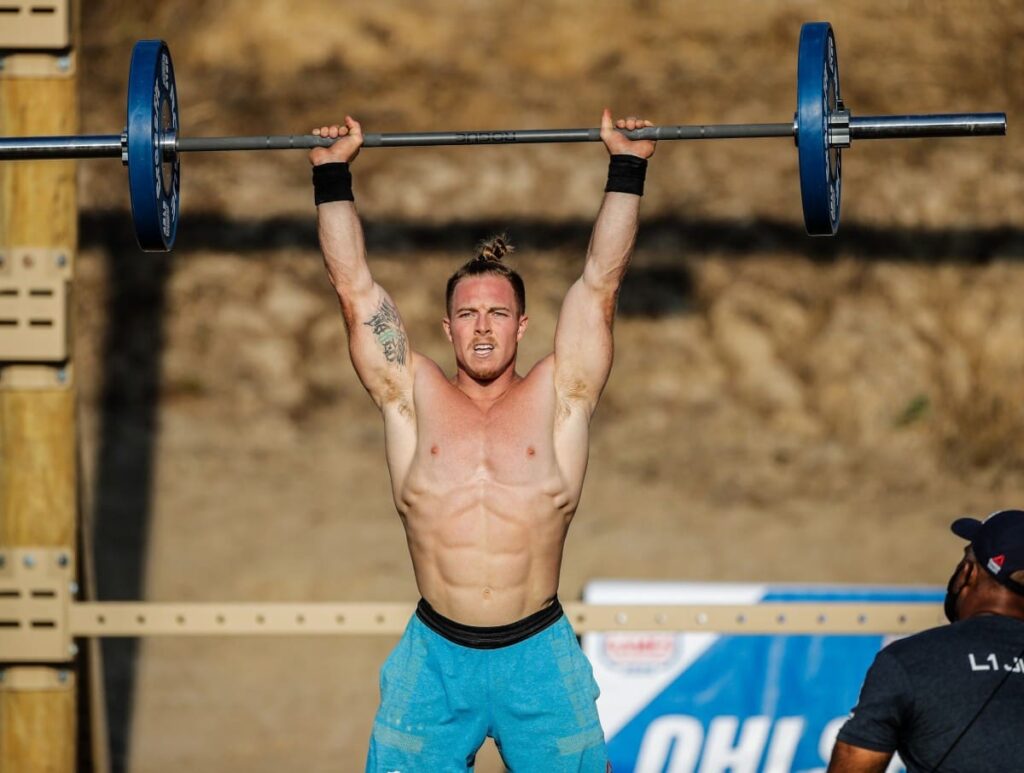
Short, high quality training sessions can be just as effective as longer workouts when intensity and exercise selection are optimized. Resistance training combined with high effort has been shown to improve muscle mass, strength, and body composition even with limited training frequency. Compound movements that recruit multiple joints and muscle groups simultaneously are especially effective. They increase energy expenditure, elevate hormonal responses, and create a stronger stimulus for muscle growth compared to isolation exercises.
High intensity training also increases post exercise oxygen consumption, meaning your body continues to burn calories after the workout is done. With that in mind, here are the five best exercises to build a lean, muscular physique with limited time.
1. Squats
Why Squats Work
Squats are one of the most powerful full body exercises you can perform. They primarily target the quadriceps, hamstrings, and glutes, but also engage the core, lower back, and even the upper body for stabilization. Research shows that multi joint lower body exercises like squats produce significant increases in testosterone and growth hormone. These hormonal responses support muscle growth and fat loss.
Squats also have a high metabolic cost. Because they recruit large muscle groups, they burn more calories both during and after the workout.
How to Perform Squats
Stand with your feet shoulder width apart. Keep your chest up and your core tight. Lower your body by bending your hips and knees at the same time. Go as low as your mobility allows while maintaining a neutral spine. Drive through your heels to return to standing. Focus on control rather than speed. Quality reps matter more than quantity.
Time Efficient Approach
If you are short on time, perform squats in a high intensity format:
- 3 to 5 sets
- 5 to 10 repetitions
- 60 to 90 seconds rest
This approach builds strength and muscle while keeping workouts short.
2. Deadlifts
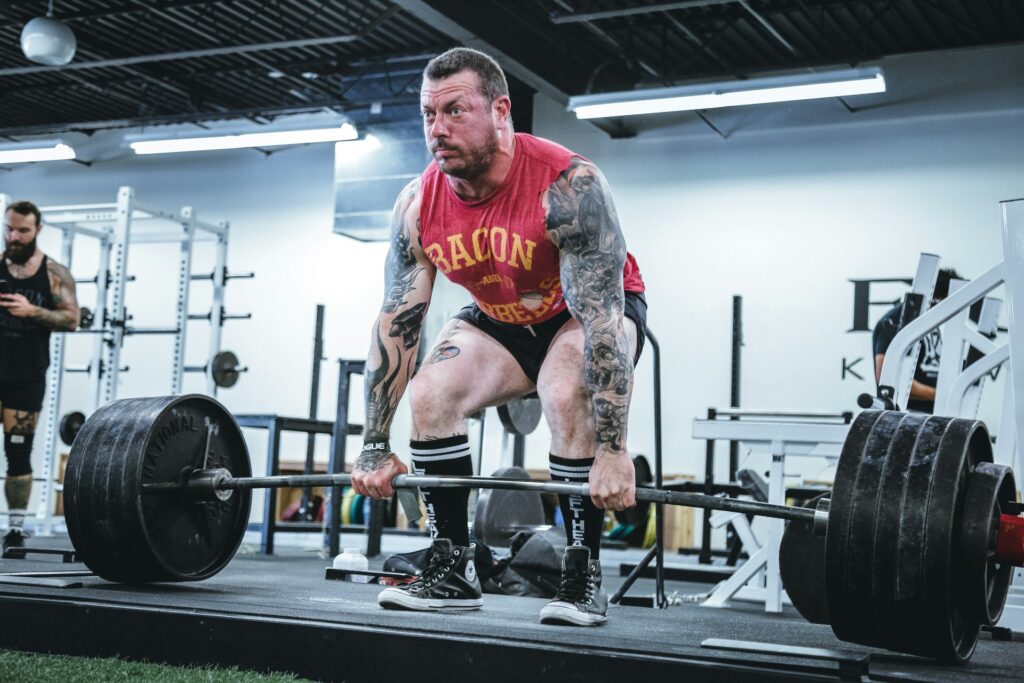
Why Deadlifts Work
Deadlifts are another compound powerhouse. They target the posterior chain, including the glutes, hamstrings, and lower back, while also engaging the core, traps, and forearms. Training the posterior chain is essential for both aesthetics and function. Strong glutes and hamstrings improve posture, reduce injury risk, and enhance overall strength.
Deadlifts also demand high neural activation, meaning they train your nervous system to recruit more muscle fibers. This leads to greater strength gains and improved performance. Studies show that heavy resistance training involving large muscle groups leads to significant improvements in lean body mass and metabolic rate.
How to Perform Deadlifts
Stand with your feet hip width apart. Position the bar over your midfoot. Bend at your hips and knees to grip the bar. Keep your back flat and your chest up. Drive through your heels and extend your hips to lift the bar. Avoid rounding your back. Keep the movement controlled and deliberate.
Time Efficient Approach
Deadlifts can be taxing, so keep volume moderate:
- 3 to 4 sets
- 4 to 8 repetitions
- 90 seconds rest
This is enough to stimulate growth without excessive fatigue.
3. Pull Ups
Why Pull Ups Work
Pull ups are one of the best upper body exercises for building a strong, defined back. They target the latissimus dorsi, rhomboids, and biceps while also engaging the core.
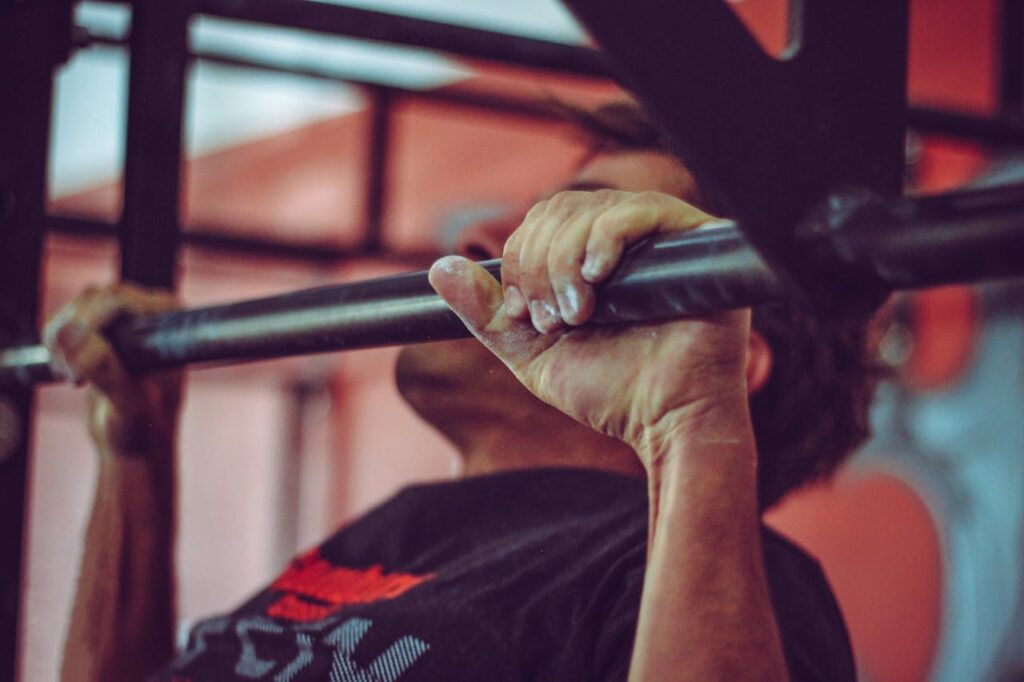
A well developed back creates the V shape that many men associate with a shredded physique. Pull ups are particularly effective because they use your body weight, making them accessible and scalable. Research shows that bodyweight training can be just as effective as traditional resistance training for improving strength and muscle mass when performed at sufficient intensity.
How to Perform Pull Ups
Grab a bar with an overhand grip. Hang with your arms fully extended. Pull your chest toward the bar by driving your elbows down and back. Lower yourself under control. If you cannot perform a full pull up yet, use resistance bands or assisted machines.
Time Efficient Approach
Use a simple progression:
- 3 to 5 sets
- As many repetitions as possible
- 60 seconds rest
This approach builds strength quickly and improves endurance.
4. Push Ups
Why Push Ups Work
Push ups are a versatile and effective exercise for the chest, shoulders, and triceps. They also engage the core and promote stability. One major advantage of push ups is accessibility. You can perform them anywhere, making them ideal for busy schedules.
Research comparing push ups to bench press shows similar muscle activation when intensity is matched. This makes push ups a practical alternative when gym access is limited. Push ups also allow for easy progression by adjusting hand position, tempo, or elevation.

How to Perform Push Ups
Start in a plank position with your hands slightly wider than shoulder width. Keep your body in a straight line. Lower your chest toward the ground while keeping your elbows at a slight angle. Push back up to the starting position. Maintain control throughout the movement.
Time Efficient Approach
Use push ups in circuits or supersets:
- 3 to 4 sets
- 10 to 20 repetitions
- 45 to 60 seconds rest
This keeps intensity high and saves time.
5. Kettlebell Swings
Why Kettlebell Swings Work
Kettlebell swings are a dynamic exercise that combines strength and cardio. They primarily target the glutes and hamstrings while also elevating heart rate. This makes them ideal for fat loss. High intensity movements like swings increase calorie burn and improve cardiovascular fitness simultaneously.
Research on high intensity interval training shows significant reductions in body fat and improvements in metabolic health with short, intense sessions. Kettlebell swings also improve power and explosiveness, which carry over to other lifts and daily activities.
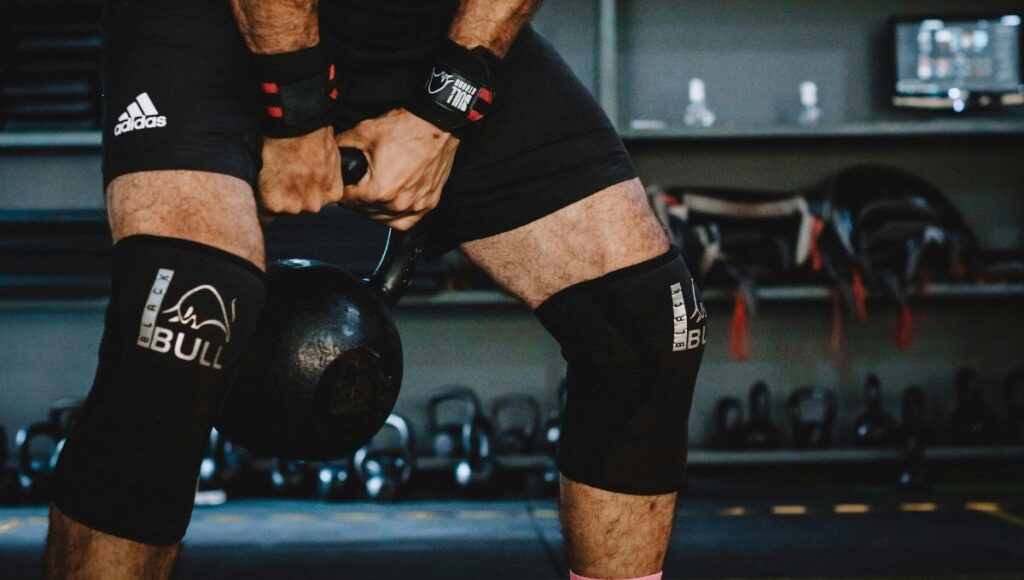
How to Perform Kettlebell Swings
Stand with your feet shoulder width apart. Hold a kettlebell with both hands. Hinge at your hips and swing the kettlebell back between your legs. Drive your hips forward to swing it to chest height. The movement should come from your hips, not your arms.
Time Efficient Approach
Use interval training:
- 20 seconds work
- 40 seconds rest
- 8 to 12 rounds
This takes less than 15 minutes and delivers powerful results.
How to Combine These Exercises Into a Simple Routine
You do not need complicated programming. A simple full body routine performed three times per week is enough.
Sample Weekly Plan
Day 1:
- Squats
- Push ups
- Pull ups
Day 2:
- Deadlifts
- Kettlebell swings
- Push ups
Day 3:
- Squats
- Pull ups
- Kettlebell swings
Each session should last 30 to 40 minutes. Focus on intensity, proper form, and consistency.
Nutrition Matters Just as Much
Exercise alone will not get you shredded. Nutrition plays a critical role. To lose fat while maintaining muscle:
- Prioritize protein intake
- Maintain a slight calorie deficit
- Focus on whole, minimally processed foods
High protein diets have been shown to support fat loss while preserving lean muscle mass. They also help control appetite, which is crucial for busy individuals who may rely on convenience foods.
Recovery and Sleep
Sleep is often overlooked, but it is essential for fat loss and muscle growth. Lack of sleep disrupts hormones that regulate hunger and metabolism. It also reduces recovery and performance. Aim for 7 to 8 hours of quality sleep per night whenever possible.
Consistency Beats Perfection
The biggest mistake most busy dads make is trying to do too much at once. The goal is not perfection. It is consistency. Short, focused workouts performed regularly will outperform sporadic long sessions every time.
Stick to the basics. Train hard. Eat well. Recover properly. That is how you get shredded without sacrificing your time or your sanity.
References
- American College of Sports Medicine (2009). Progression models in resistance training for healthy adults. Medicine and Science in Sports and Exercise, 41(3), 687 to 708.
- Burd, N.A., Andrews, R.J., West, D.W.D., Little, J.P., Cochran, A.J.R., Hector, A.J., Cashaback, J.G.A. and Phillips, S.M. (2012). Muscle time under tension during resistance exercise stimulates differential muscle protein sub fraction synthesis. Journal of Physiology, 590(2), 351 to 362.
- Gibala, M.J., Little, J.P., Macdonald, M.J. and Hawley, J.A. (2012). Physiological adaptations to low volume, high intensity interval training in health and disease. Journal of Physiology, 590(5), 1077 to 1084.
- Schoenfeld, B.J. (2010). The mechanisms of muscle hypertrophy and their application to resistance training. Journal of Strength and Conditioning Research, 24(10), 2857 to 2872.