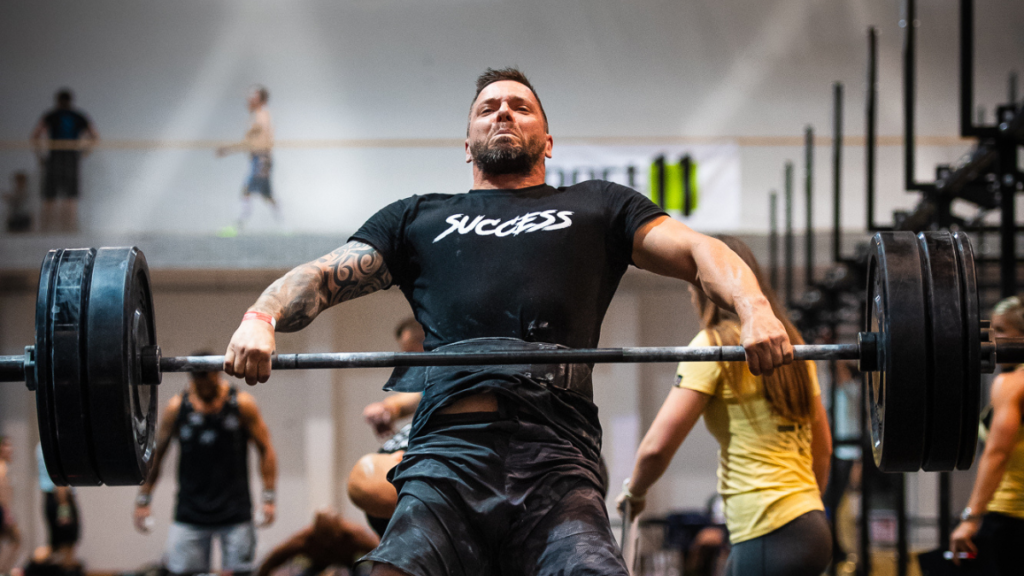


Building a muscular upper body is one of the most common goals in fitness. Broad shoulders, a strong chest, and well-developed arms are not just aesthetic markers. They are also linked to improved strength, better posture, and enhanced athletic performance. The good news is that you do not need dozens of exercises to achieve this. A small number of well-chosen movements can deliver outstanding results when performed correctly and consistently.
This article focuses on three of the most effective upper body exercises supported by scientific research. These movements stimulate large amounts of muscle mass, allow for progressive overload, and produce measurable gains in strength and hypertrophy. You will also learn how to perform them properly, why they work, and how to structure them into a simple program.


Why Focus on Compound Exercises?
Before diving into the exercises, it is important to understand why compound movements dominate this list. Compound exercises involve multiple joints and muscle groups working together. This leads to higher muscle activation, greater hormonal responses, and more efficient training sessions.
Research consistently shows that multi joint movements produce greater increases in strength and muscle mass compared to isolation exercises. They also allow heavier loads to be lifted, which is a key driver of hypertrophy. Mechanical tension is widely recognized as the primary factor behind muscle growth, and compound lifts are the most efficient way to generate it.
Additionally, compound exercises improve coordination, balance, and functional strength. This means the benefits extend beyond the gym into daily life and sports performance.
Exercise 1: Barbell Bench Press

Why the Bench Press Works
The barbell bench press is one of the most studied and widely used exercises for upper body development. It primarily targets the pectoralis major, but also heavily recruits the anterior deltoids and triceps.
Electromyography studies show that the bench press produces high levels of activation in the chest muscles, especially when performed with proper technique. It also allows for significant load progression, which is essential for long term muscle growth.
The horizontal pressing motion trains pushing strength and builds a thick, powerful chest. This contributes not only to aesthetics but also to improved performance in many athletic movements.
How to Perform the Bench Press
Lie flat on a bench with your feet firmly planted on the floor. Grip the bar slightly wider than shoulder width. Lower the bar under control until it touches your chest, then press it back up until your arms are fully extended.
Key technique points include:
• Keep your shoulder blades retracted to protect your shoulders
• Maintain a slight arch in your lower back
• Lower the bar with control rather than dropping it
• Drive through your feet to create stability
Scientific Benefits
Heavy resistance training like the bench press has been shown to significantly increase muscle cross sectional area. Studies also show that moderate to high training volumes produce greater hypertrophy compared to low volume programs.
The bench press also stimulates the release of anabolic hormones such as testosterone and growth hormone. While these hormonal spikes are temporary, they contribute to an environment that supports muscle growth.
Programming Tips
To maximize results, train the bench press two to three times per week. Use a mix of rep ranges:
• 4 to 6 reps for strength
• 8 to 12 reps for hypertrophy
• 12 to 15 reps for endurance and metabolic stress
Progressively increase the weight over time while maintaining proper form.
Exercise 2: Pull Ups
Why Pull Ups Are Essential
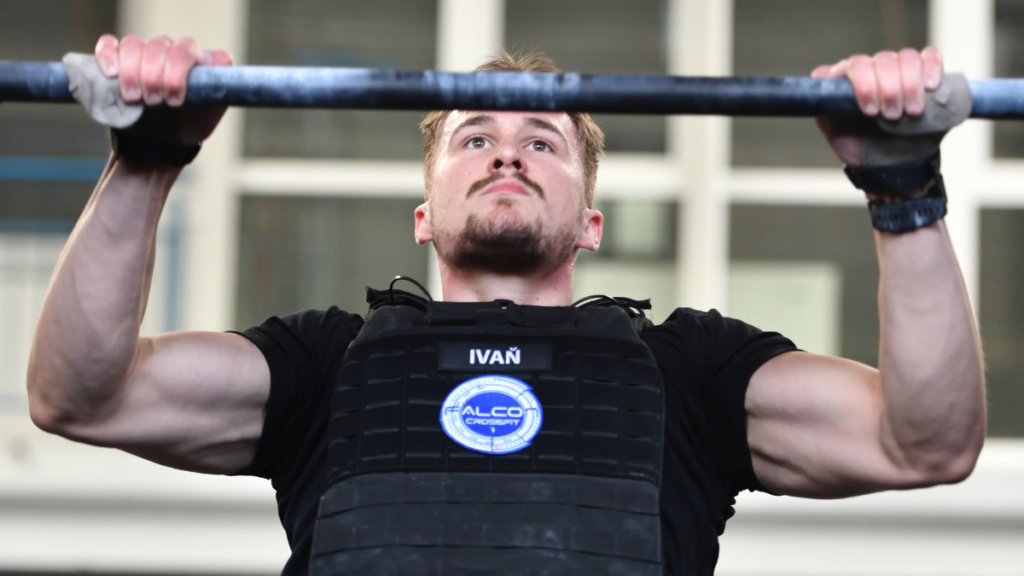
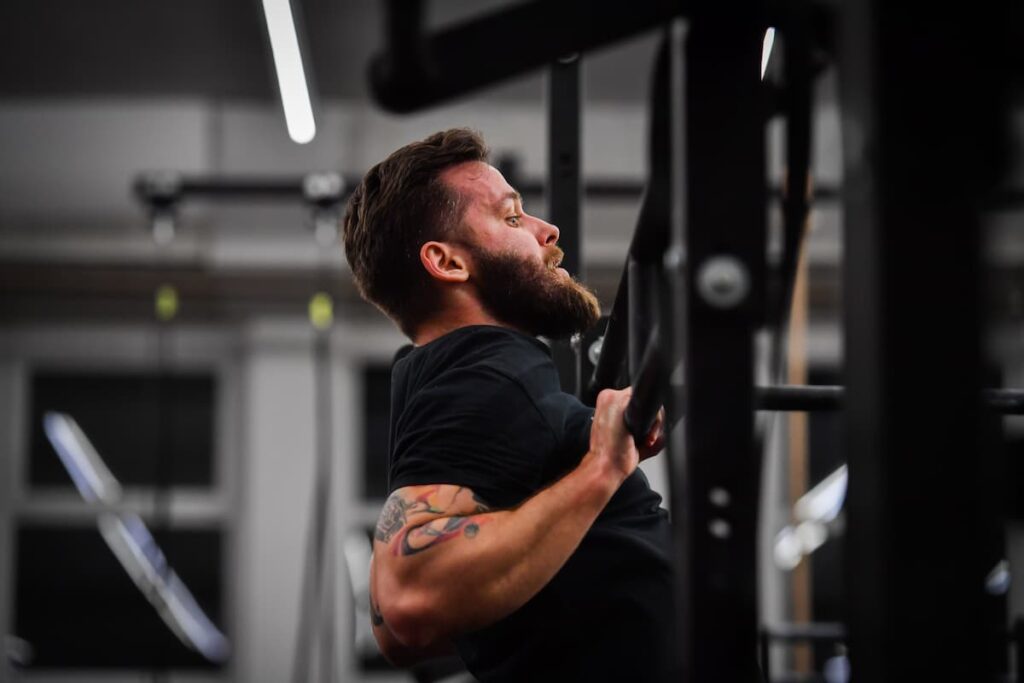
Pull ups are one of the best exercises for building a wide and muscular back. They primarily target the latissimus dorsi, which is responsible for the V shape that many people aim for. They also engage the biceps, rhomboids, and trapezius muscles.
Unlike many machine based exercises, pull ups require you to lift your entire body weight. This creates a high level of mechanical tension and muscle activation.
Research shows that vertical pulling movements like pull ups produce strong activation in the lats and upper back. This makes them essential for balanced upper body development.
How to Perform Pull Ups
Grab a bar with a grip slightly wider than shoulder width. Hang with your arms fully extended. Pull your body up until your chin clears the bar, then lower yourself back down under control.
Key technique points include:
• Avoid swinging or using momentum
• Keep your core tight throughout the movement
• Focus on pulling with your back rather than your arms
• Lower slowly to maximize muscle engagement
Scientific Benefits
Studies on resistance training consistently show that bodyweight exercises can be just as effective as weighted exercises when intensity is sufficient. Pull ups provide a scalable challenge. Beginners can use assistance bands, while advanced trainees can add weight.
Pull ups also improve relative strength, which is the ability to move your body through space. This is an important aspect of overall fitness and athleticism.
Additionally, training the back muscles helps counteract the effects of prolonged sitting and poor posture. Strengthening the upper back can reduce the risk of shoulder injuries and improve alignment.
Programming Tips
Perform pull ups two to three times per week. If you cannot complete a full repetition, start with assisted versions or negative reps.
Suggested structure:
• 3 to 5 sets per session
• 6 to 12 reps depending on ability
• Add weight once you can perform more than 12 reps comfortably
Consistency is key. Progress may be slow at first, but the long term benefits are significant.
Exercise 3: Overhead Press

Why the Overhead Press Matters
The overhead press is one of the best exercises for building strong and muscular shoulders. It primarily targets the deltoids, but also engages the triceps, upper chest, and core.
Unlike the bench press, which emphasizes horizontal pushing, the overhead press trains vertical pushing strength. This provides a more complete development of the upper body.
Research shows that shoulder activation is particularly high during overhead pressing movements. This makes it an essential exercise for building round and defined shoulders.
How to Perform the Overhead Press
Stand with your feet shoulder width apart and hold a barbell at shoulder height. Press the bar upward until your arms are fully extended, then lower it back down under control.
Key technique points include:
• Keep your core braced to protect your lower back
• Avoid leaning back excessively
• Press the bar in a straight line overhead
• Keep your elbows slightly in front of the bar at the start
Scientific Benefits
Resistance training involving the shoulders has been shown to increase muscle size and strength significantly when performed consistently. The overhead press also improves stability and coordination.
Because it requires full body tension, the overhead press engages the core more than many other upper body exercises. This leads to additional strength benefits beyond just the shoulders.
Studies also indicate that training with free weights leads to greater activation of stabilizing muscles compared to machines. This makes the overhead press a highly functional movement.
Programming Tips
Train the overhead press one to two times per week. It is more demanding on the shoulders, so recovery is important.
Suggested approach:
• 3 to 4 sets per session
• 5 to 10 reps per set
• Focus on controlled movement and proper form
Gradually increase the weight as your strength improves.
How to Combine These Exercises into a Simple Program
A well structured program does not need to be complicated. These three exercises can form the foundation of an effective upper body routine.
Sample Weekly Plan
Day 1:
• Bench press
• Pull ups
• Overhead press
Day 2:
• Rest or lower body training
Day 3:
• Bench press variation
• Pull ups
• Overhead press
Day 4:
• Rest
Day 5:
• Repeat Day 1
This structure allows each muscle group to be trained multiple times per week, which has been shown to be more effective for hypertrophy than once weekly training.
Key Principles for Muscle Growth
Progressive Overload
Progressive overload means gradually increasing the demands placed on your muscles. This can be done by adding weight, increasing reps, or improving technique.
Without progressive overload, muscle growth will stall.
Training Volume
Volume refers to the total amount of work performed. Research shows that higher training volumes lead to greater hypertrophy, up to a point. Aim for 10 to 20 sets per muscle group per week.

Recovery
Muscles grow during recovery, not during training. Adequate sleep and nutrition are essential for maximizing results.
Nutrition
Protein intake plays a crucial role in muscle growth. Studies suggest that consuming around 1.6 to 2.2 grams of protein per kilogram of body weight is optimal for hypertrophy.
Carbohydrates are also important, as they provide the energy needed for intense training sessions.
Common Mistakes to Avoid
Even with the best exercises, mistakes can limit your progress.
Poor Technique
Using incorrect form reduces muscle activation and increases injury risk. Focus on mastering technique before increasing weight.
Lack of Consistency
Results come from consistent effort over time. Missing workouts or frequently changing programs will slow progress.
Ignoring Recovery
Overtraining can lead to fatigue and decreased performance. Make sure to include rest days and prioritize sleep.
Not Tracking Progress
Keeping track of your workouts helps ensure that you are progressing over time. This can be as simple as recording weights and reps.
Final Thoughts
Building a muscular upper body does not require endless exercises or complicated routines. The barbell bench press, pull ups, and overhead press provide a powerful combination that targets all major upper body muscles.
These exercises are supported by scientific research and have stood the test of time. When combined with proper programming, nutrition, and recovery, they can deliver impressive results.
Focus on consistency, gradually increase the challenge, and prioritize good technique. If you do this, you will be well on your way to building a strong and muscular upper body for summer 2026.
References
• American College of Sports Medicine (2009). Progression models in resistance training for healthy adults. Medicine and Science in Sports and Exercise, 41(3), pp. 687 to 708.
• Schoenfeld, B.J. (2010). The mechanisms of muscle hypertrophy and their application to resistance training. Journal of Strength and Conditioning Research, 24(10), pp. 2857 to 2872.
• Schoenfeld, B.J. (2016). Science and development of muscle hypertrophy. Human Kinetics.
• Wernbom, M., Augustsson, J. and Thomee, R. (2007). The influence of frequency, intensity, volume and mode of strength training on whole muscle cross sectional area in humans. Sports Medicine, 37(3), pp. 225 to 264.