

Building a clearly defined six pack is not just about doing endless sit ups. Visible abs are the result of two key factors working together. First, you need well developed abdominal muscles. Second, you need low enough body fat for those muscles to show. While nutrition and overall training determine fat loss, targeted ab training plays a crucial role in muscle development, thickness, and definition.
Isolation exercises are especially valuable because they allow you to focus on specific abdominal functions like spinal flexion, posterior pelvic tilt, and anti extension. When performed correctly and progressively overloaded, these movements can significantly increase abdominal muscle hypertrophy.


Understanding the Abdominal Muscles
Before diving into the exercises, it helps to understand what you are actually training.
The Rectus Abdominis
The rectus abdominis is the muscle most people think of when they talk about a six pack. It runs vertically from the rib cage to the pelvis. Its main functions are:
- Spinal flexion
- Posterior pelvic tilt
- Stabilization of the torso
The segmented appearance comes from tendinous intersections, but you cannot isolate upper and lower abs completely. However, you can bias certain portions depending on movement patterns.

Supporting Muscles
While the rectus abdominis is the star, other muscles contribute:
- Obliques assist with rotation and lateral flexion
- Transverse abdominis stabilizes the core and increases intra abdominal pressure
Effective isolation exercises target the rectus abdominis while minimizing compensation from the hip flexors.
Why Isolation Exercises Matter
Compound lifts like squats and deadlifts do engage the core, but they do not provide sufficient stimulus for maximal abdominal hypertrophy. Research shows that direct abdominal training increases muscle thickness beyond what compound lifts alone can achieve. Isolation exercises allow you to:
- Train abs through a full range of motion
- Apply progressive overload more effectively
- Improve mind muscle connection
- Reduce reliance on hip flexors
Electromyography studies consistently show higher activation of the rectus abdominis during controlled spinal flexion movements compared to static stabilization alone.
The 3 Best Isolation Exercises
These three exercises stand out because they maximize tension on the rectus abdominis, minimize cheating, and allow for progression.
1. Cable Crunch
Why It Works
The cable crunch is one of the most effective ab exercises because it allows for heavy loading and consistent tension throughout the movement. Unlike bodyweight crunches, the resistance curve matches the strength curve of the abs more closely.
Studies using electromyography have shown that weighted crunch variations produce higher activation levels than unweighted versions, especially when performed with proper spinal flexion.
How to Perform It
- Set a rope attachment on a high pulley
- Kneel down and hold the rope at head level
- Keep your hips stable throughout the movement
- Flex your spine by bringing your rib cage toward your pelvis
- Avoid pulling with your arms
- Slowly return to the starting position under control
Key Technique Cues
- Think about curling your spine, not hinging at the hips
- Keep your lower back slightly rounded
- Exhale as you crunch down
- Control the eccentric phase
Programming Tips
- 3 to 4 sets
- 10 to 15 reps
- Use a challenging weight
- Focus on slow tempo
Common Mistakes
- Using momentum instead of muscle
- Letting the hips flex excessively
- Pulling with the arms
- Cutting the range of motion short
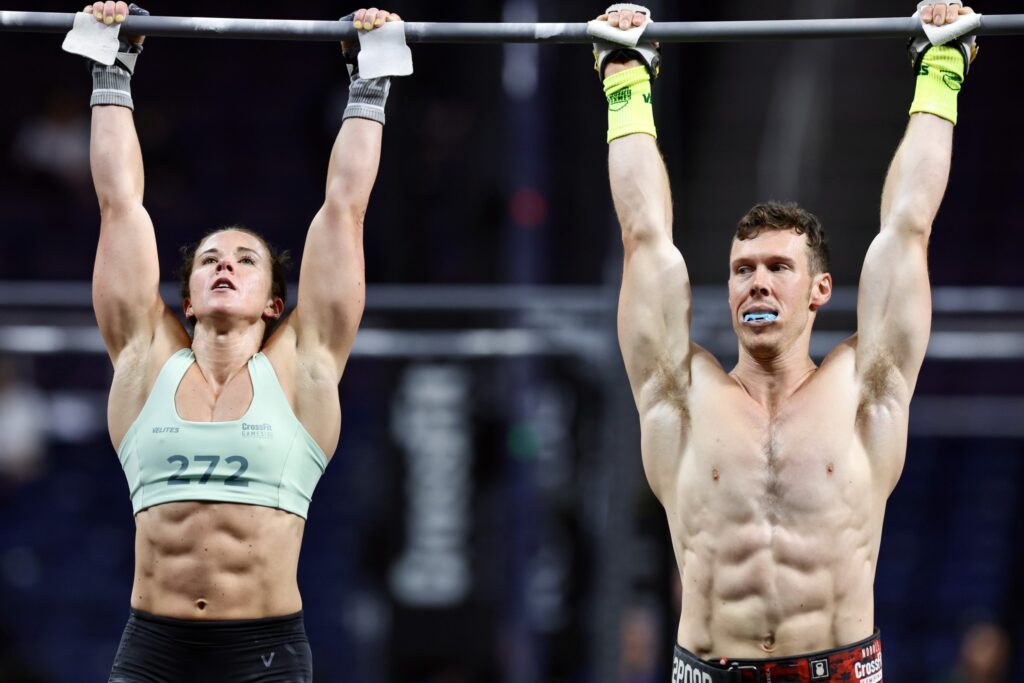
2. Hanging Leg Raise
Why It Works
The hanging leg raise targets the lower portion of the rectus abdominis more effectively due to the involvement of posterior pelvic tilt. While many people think it is a hip flexor exercise, proper execution shifts the emphasis to the abs.
Research indicates that exercises involving pelvic tilt generate greater activation of the lower abdominal region compared to simple hip flexion movements.
How to Perform It
- Hang from a pull up bar with a firm grip
- Keep your legs straight or slightly bent
- Raise your legs by curling your pelvis upward
- Focus on lifting your hips toward your chest
- Lower your legs slowly under control
Key Technique Cues
- Initiate movement from the pelvis, not the legs
- Avoid swinging
- Keep tension throughout the movement
- Control both lifting and lowering
Programming Tips
- 3 to 4 sets
- 8 to 12 reps
- Add ankle weights or slow tempo for progression
Common Mistakes
- Swinging the body
- Using momentum
- Only lifting legs without pelvic tilt
- Losing control on the descent
3. Ab Wheel Rollout
Why It Works
The ab wheel rollout is a powerful anti extension exercise that creates high tension across the entire abdominal wall. It challenges the abs to resist spinal extension, which is a critical function often overlooked in traditional ab training.
Research shows that anti extension exercises produce high levels of core activation, particularly in the rectus abdominis and transverse abdominis.
How to Perform It
- Start on your knees with the ab wheel in front of you
- Keep your core tight and glutes engaged
- Roll the wheel forward slowly
- Extend as far as you can without losing spinal alignment
- Pull yourself back to the starting position
Key Technique Cues
- Keep your spine neutral
- Do not let your lower back sag
- Move slowly and deliberately
- Maintain full body tension
Programming Tips
- 3 to 4 sets
- 6 to 10 reps
- Progress by increasing range of motion
Common Mistakes
- Arching the lower back
- Going too far too soon
- Losing core tension
- Rushing the movement
How to Train for a Jacked Six Pack
Isolation exercises alone are not enough. You need a structured approach.
Progressive Overload
Muscle growth requires increasing demands over time. You can progress by:
- Adding weight
- Increasing reps
- Slowing tempo
- Improving technique
Training Frequency
Training abs 2 to 4 times per week is effective for most people. Research suggests that higher frequency can improve hypertrophy when volume is controlled.
Volume Guidelines
- 10 to 20 total sets per week
- Spread across multiple sessions
- Balance intensity and recovery
Mind Muscle Connection
Focusing on the contraction improves activation. Studies show that internal focus cues can increase muscle engagement during resistance training.
Nutrition and Body Fat
Even the strongest abs will not show if body fat is too high.
Body Fat Levels for Visible Abs
- Men: around 10 to 15 percent
- Women: around 18 to 22 percent
These ranges vary by genetics and fat distribution.
Calorie Balance
To reveal abs, you need a calorie deficit. To build them, you need sufficient protein and energy.
Protein Intake
- Around 1.6 to 2.2 grams per kilogram of body weight
- Supports muscle growth and retention
Recovery and Consistency
Muscle growth happens during recovery, not just training.
Sleep
- Aim for 7 to 9 hours per night
- Sleep deprivation reduces muscle recovery and performance
Rest Days
- Allow muscles to recover
- Avoid overtraining the abs daily with high intensity
Sample Weekly Ab Routine
Here is a simple structure using the three exercises:
Day 1:
- Cable Crunch 4 sets of 12
- Hanging Leg Raise 3 sets of 10
Day 2:
- Ab Wheel Rollout 4 sets of 8
- Cable Crunch 3 sets of 15
Day 3:
- Hanging Leg Raise 4 sets of 12
- Ab Wheel Rollout 3 sets of 10
Summary of Key Points
- Isolation exercises are essential for maximal ab hypertrophy
- Cable crunch allows heavy loading and strong contraction
- Hanging leg raise emphasizes lower abs through pelvic tilt
- Ab wheel rollout builds anti extension strength
- Progressive overload is critical for growth
- Nutrition determines visibility of abs
Bibliography
- Escamilla, R.F., McTaggart, M.S., Fricklas, E.J., DeWitt, R., Kelleher, P., Taylor, M.K. and Moorman, C.T. (2010). An electromyographic analysis of commercial and common abdominal exercises. Journal of Orthopaedic and Sports Physical Therapy, 40(2), pp. 45 to 57.
- Schoenfeld, B.J. (2010). The mechanisms of muscle hypertrophy and their application to resistance training. Journal of Strength and Conditioning Research, 24(10), pp. 2857 to 2872.
- Clark, D.R., Lambert, M.I. and Hunter, A.M. (2019). Muscle activation in the core during various exercises. European Journal of Sport Science, 19(7), pp. 1 to 10.
- Hibbs, A.E., Thompson, K.G., French, D., Wrigley, A. and Spears, I. (2008). Optimizing performance by improving core stability and core strength. Sports Medicine, 38(12), pp. 995 to 1008.
- Schoenfeld, B.J., Ogborn, D. and Krieger, J.W. (2016). Effects of resistance training frequency on measures of muscle hypertrophy. Sports Medicine, 46(11), pp. 1689 to 1697.