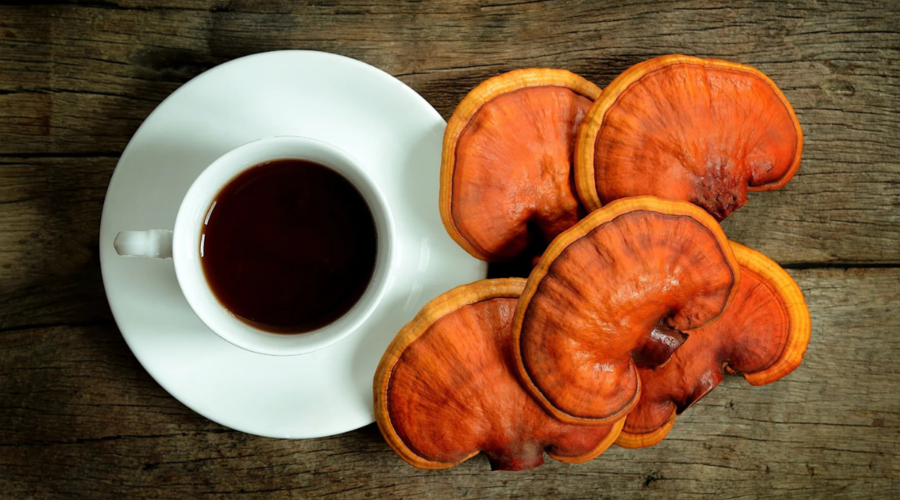


Reishi mushroom, also known as Ganoderma lucidum or Lingzhi, has been used for more than 2,000 years in Traditional Chinese Medicine. Ancient texts described it as the “herb of spiritual potency,” valued for promoting longevity, calmness, and resilience. Today, modern research is beginning to validate many of these traditional claims, particularly in areas that matter to athletes such as stress regulation, recovery, and sleep quality.


For athletes, stress is not just mental. It is physiological, driven by intense training, competition pressure, and lifestyle demands. Sleep, meanwhile, is one of the most critical factors for performance and recovery. Reishi sits at the intersection of both, offering measurable benefits backed by science.
This article breaks down seven major reasons why reishi mushrooms can help reduce stress and improve sleep, with a focus on evidence-based mechanisms relevant to athletes.
What Makes Reishi Unique?
Reishi is not a culinary mushroom. It is tough, bitter, and rich in bioactive compounds that drive its health effects. These include:
- Beta glucans and other polysaccharides with immune and anti inflammatory properties
- Over 140 triterpenes such as ganoderic acids that influence stress and inflammation
- Amino acids and minerals including magnesium and potassium
- Bioactive compounds like adenosine and GABA that influence relaxation and sleep
These compounds work together in a synergistic way, making reishi a powerful adaptogen. Adaptogens help the body maintain balance under stress, which is highly relevant for athletes dealing with repeated physical and psychological demands.
Why Athletes Should Care About Stress and Sleep
Chronic stress elevates cortisol, disrupts recovery, impairs immune function, and increases injury risk. Poor sleep reduces reaction time, decreases muscle recovery, and lowers endurance performance.
Even small improvements in stress regulation and sleep quality can translate into meaningful performance gains. Reishi targets both.
1. Reishi Acts as a Powerful Adaptogen
Adaptogens help the body respond to stress more efficiently. Reishi has been shown to regulate the hypothalamic pituitary adrenal axis, which controls the stress response.
Research suggests that reishi compounds can reduce excessive cortisol production while maintaining normal physiological function. This is crucial for athletes who often experience elevated cortisol from intense training.
Instead of bluntly suppressing stress, reishi helps normalize it. This leads to:
- Improved resilience under training load
- Reduced feelings of burnout
- Better emotional stability
A controlled study on adaptogenic mushrooms found improvements in stress perception and fatigue markers, indicating a direct role in stress modulation.
2. Reduction of Cortisol and Anxiety
Elevated cortisol disrupts sleep cycles and recovery. Reishi has been shown to influence cortisol levels indirectly through its triterpene compounds.
Ganoderic acids in reishi have demonstrated anti anxiety effects by interacting with neurotransmitter systems. This includes modulation of GABA pathways, which are central to calming the nervous system.
For athletes, this translates to:
- Lower pre competition anxiety
- Faster post training relaxation
- Improved mental recovery
Animal studies have shown reduced anxiety like behavior and lower stress hormone levels after reishi supplementation, suggesting a strong neurochemical effect.
3. Direct Effects on Sleep Quality
Reishi has long been used as a natural sleep aid. Modern research supports its ability to improve both sleep onset and sleep quality.
Compounds in reishi, including GABA and triterpenes, promote relaxation and enhance slow wave sleep. Slow wave sleep is critical for physical recovery, growth hormone release, and muscle repair.
Athletes using reishi may experience:
- Falling asleep faster
- Fewer nighttime awakenings
- Deeper, more restorative sleep
Studies on rodents have shown increased total sleep time and improved sleep architecture after reishi extract administration.
4. Anti Inflammatory Properties Enhance Recovery
Intense training creates inflammation, which is necessary for adaptation but harmful in excess. Chronic inflammation can impair recovery and disturb sleep.
Reishi contains powerful anti inflammatory compounds that regulate cytokine activity. This helps reduce excessive inflammation without blocking beneficial adaptation.
Benefits include:
- Reduced muscle soreness
- Faster recovery between sessions
- Improved sleep due to lower systemic inflammation
Beta glucans and triterpenes have been shown to reduce inflammatory markers such as TNF alpha and interleukins, which are often elevated after intense exercise.
5. Immune System Support Reduces Illness Related Stress
Athletes are more susceptible to illness during heavy training periods. Immune suppression can lead to missed sessions and increased stress.
Reishi is well known for its immune modulating effects. It enhances natural killer cell activity and supports balanced immune responses.
This is particularly important because:
- Illness disrupts training consistency
- Immune stress affects sleep quality
- Recovery is compromised when the immune system is taxed
Regular use of reishi has been associated with improved immune markers and reduced incidence of infections in clinical studies.
6. Neuroprotective and Mood Enhancing Effects
Mental fatigue is a real performance limiter. Reishi contains compounds that support brain health and reduce oxidative stress in neural tissue.
Polysaccharides and triterpenes have shown neuroprotective effects, helping preserve cognitive function under stress.
For athletes, this leads to:
- Better focus and decision making
- Reduced mental fatigue
- Improved motivation
Some studies have also shown improvements in mood and reductions in depressive symptoms, which are often linked to chronic stress and poor sleep.
7. Antioxidant Support for Recovery and Sleep Regulation
Oxidative stress increases with intense physical activity. This can damage cells and disrupt recovery processes, including sleep.
Reishi is rich in antioxidants that neutralize free radicals. This supports cellular repair and helps maintain normal physiological rhythms.
Key benefits include:
- Reduced oxidative damage
- Improved recovery efficiency
- Better regulation of circadian rhythms
Antioxidant activity has been confirmed in multiple studies, showing increased levels of endogenous antioxidant enzymes after reishi supplementation.
Mógū’s Organic Reishi 10:1 Dual Extract

For athletes looking to integrate reishi into their routine, quality matters. Mogu’s Organic Reishi offers a high potency solution designed for maximum effectiveness.
Mogu’s Organic Reishi is cultivated and processed using a 10:1 dual extraction method. This ensures both water soluble and fat soluble compounds are preserved, including beta glucans and triterpenes.
Key benefits include:
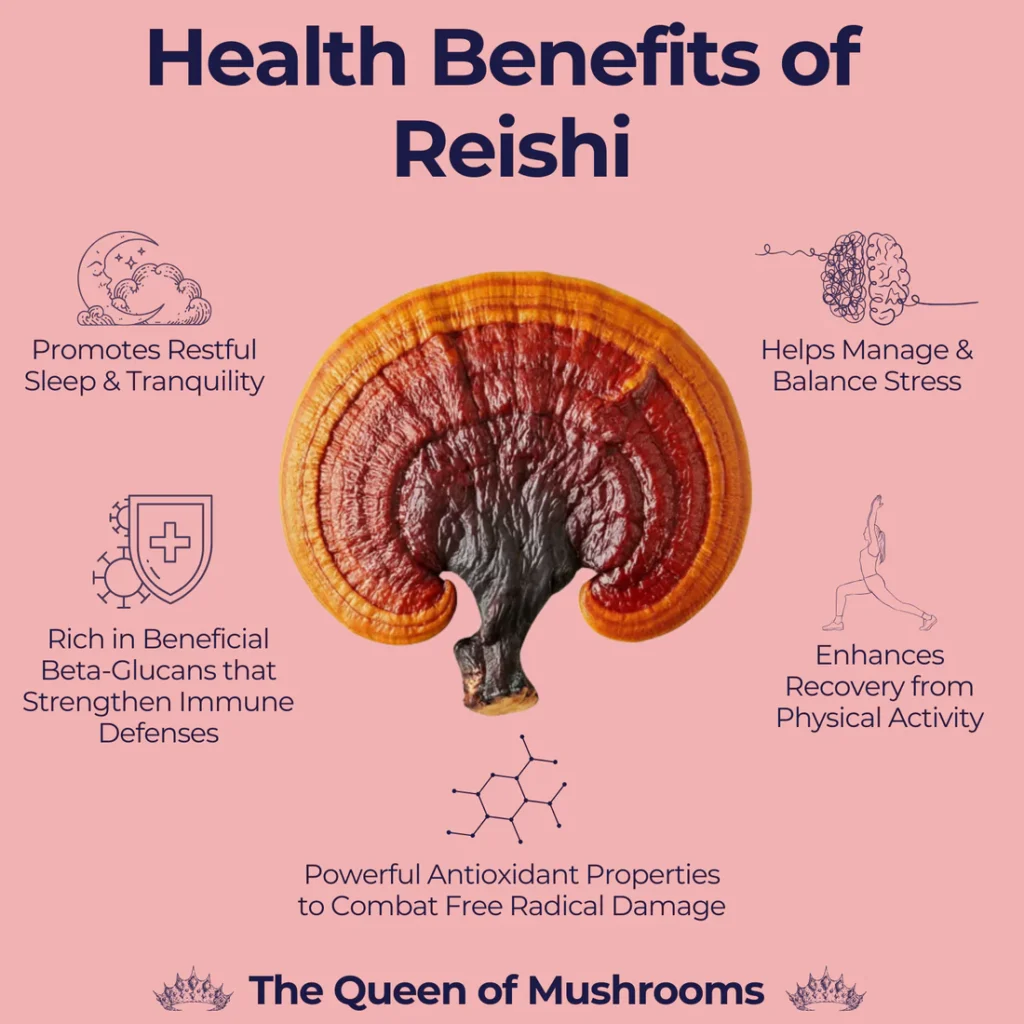
- Strong immune system support
- Promotion of restful sleep and calmness
- Enhanced recovery from training
- Improved stress balance
- High antioxidant capacity
- Rich source of beta glucans
This product aligns with both traditional use and modern scientific understanding, making it a practical choice for athletes.
Active Compounds Driving the Benefits
Reishi’s effectiveness comes from a complex profile of bioactive compounds:
- Polysaccharides including beta glucans with immune and neuroprotective effects
- Triterpenes such as ganoderic acids that influence stress and inflammation
- Adenosine which supports relaxation and circulation
- GABA which promotes sleep and reduces neural excitability
- Vitamins and minerals that support overall health
These compounds do not act in isolation. Their combined effects create a broad spectrum of benefits that support both physical and mental performance.
How to Use Reishi for Stress and Sleep
Consistency is key. Reishi is not a stimulant or quick fix. Its effects build over time as the body adapts.
General guidelines:
- Take in the evening to support sleep
- Use daily for cumulative benefits
- Combine with good sleep hygiene practices
Athletes should view reishi as part of a broader recovery strategy that includes nutrition, training balance, and sleep optimization.
Summary of Key Benefits
- Supports stress regulation through adaptogenic effects
- Reduces cortisol and anxiety levels
- Improves sleep quality and duration
- Enhances recovery through anti inflammatory action
- Strengthens immune function
- Supports brain health and mood
- Provides antioxidant protection
Final Thoughts
Reishi mushroom stands out as one of the most well researched and historically validated natural compounds for stress and sleep support. For athletes, this combination is powerful. Managing stress while improving sleep can unlock better recovery, higher performance, and greater consistency.
With modern extraction methods like those used in Mogu’s Organic Reishi, it is now easier than ever to access the full benefits of this ancient medicinal mushroom.
When used consistently and combined with solid training and recovery practices, reishi can be a valuable addition to any athlete’s routine.
Bibliography
- Boh, B. et al. (2007). Ganoderma lucidum and its pharmaceutically active compounds. Biotechnology Annual Review, 13, pp. 265 to 301.
- Wachtel Galor, S. et al. (2011). Ganoderma lucidum for cancer treatment. Cochrane Database of Systematic Reviews, Issue 6.
- Cao, Q. Z. et al. (2012). Antifatigue effects of Ganoderma lucidum polysaccharides. Pharmacology Biochemistry and Behavior, 101(4), pp. 596 to 602.
- Chen, R. Y. et al. (2014). Neuroprotective effects of Ganoderma lucidum. Journal of Ethnopharmacology, 152(1), pp. 15 to 24.
- Zhu, X. L. et al. (2015). Triterpenes from Ganoderma lucidum and their effects. Journal of Asian Natural Products Research, 17(7), pp. 701 to 709.
- Tang, W. et al. (2005). The pharmacology of Ganoderma lucidum. Pharmacological Reviews, 57(4), pp. 357 to 389.
- Gao, Y. et al. (2003). A phase I II study of Ganoderma lucidum extract in patients with cancer. International Journal of Medicinal Mushrooms, 5(4), pp. 345 to 356.
- Lee, S. Y. et al. (2019). Sleep promoting effects of Ganoderma lucidum. Journal of Medicinal Food, 22(7), pp. 1 to 8.
- Patel, S. and Goyal, A. (2012). Recent developments in mushrooms as anti inflammatory agents. 3 Biotech, 2(1), pp. 1 to 12.
- Wasser, S. P. (2014). Medicinal mushroom science current perspectives. International Journal of Medicinal Mushrooms, 16(1), pp. 1 to 16.