

Running is often treated as the default answer for improving conditioning, burning fat, and getting fit. But plenty of people hate running. Some find it boring. Others struggle with joint pain, shin splints, or repetitive stress injuries. Many simply do not enjoy spending 30 to 60 minutes jogging at the same pace.
The good news is that you do not need to run to build impressive conditioning, improve cardiovascular health, or get leaner. In fact, some non running methods may deliver equal or even better results in less time while preserving muscle mass and reducing repetitive impact stress.



Three of the most effective alternatives are High Intensity Interval Training, Tabata training, and kettlebell conditioning. These methods challenge both the cardiovascular and muscular systems at the same time. They are efficient, scalable, and backed by a large body of scientific evidence.
Why Traditional Running Is Not the Only Conditioning Option
Steady state running improves aerobic fitness and cardiovascular health. There is no question about that. But it also has limitations.
Long duration running can place repetitive stress on the knees, ankles, hips, and lower back. For heavier athletes, strength athletes, or people with mobility restrictions, running may feel uncomfortable or unsustainable. Traditional jogging is also relatively inefficient from a time perspective. Many people simply do not have the schedule or motivation for long cardio sessions several times per week.
Conditioning is not tied to one movement pattern. The human body adapts to stress. Any training style that elevates heart rate, challenges oxygen delivery, and improves energy system efficiency can improve conditioning.
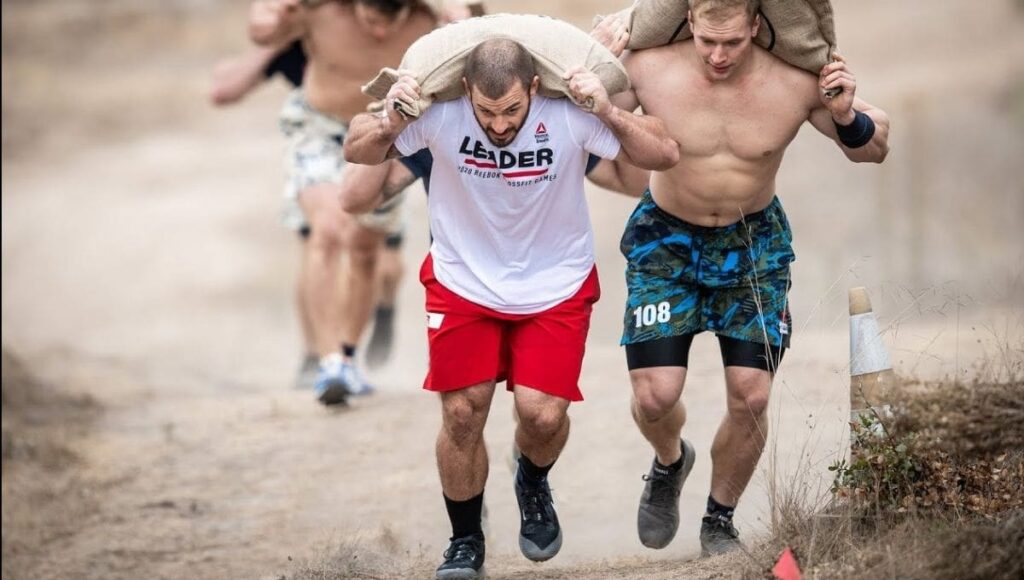
Research consistently shows that interval based training can produce similar or greater cardiovascular improvements compared to traditional endurance exercise while requiring far less time. The key is intensity and structure.
What Makes Conditioning Effective?
Good conditioning training improves your body’s ability to:
- Deliver oxygen to working muscles
- Produce energy efficiently
- Recover quickly between efforts
- Sustain power output under fatigue
- Improve cardiovascular health
- Enhance metabolic flexibility
Effective conditioning also preserves muscle mass and improves athleticism instead of simply burning calories. The three methods below work because they combine muscular effort with cardiovascular demand. That combination creates a large training effect in a relatively short period of time.
Method 1: HIIT
What Is HIIT?
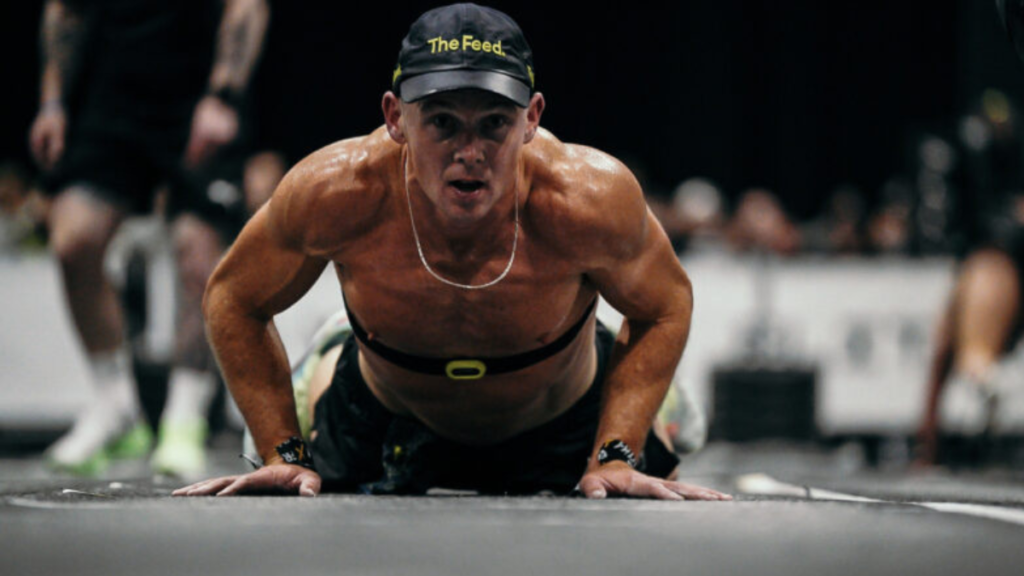
High Intensity Interval Training, commonly known as HIIT, alternates short bursts of hard effort with periods of recovery or lower intensity movement.
A typical HIIT session might involve:
- 30 seconds of hard effort
- 60 seconds of recovery
- Repeated for 10 to 20 rounds
The work intervals are intentionally demanding. During the hard periods, effort should feel close to maximum sustainable intensity.
HIIT can be performed with almost any exercise:
- Assault bike
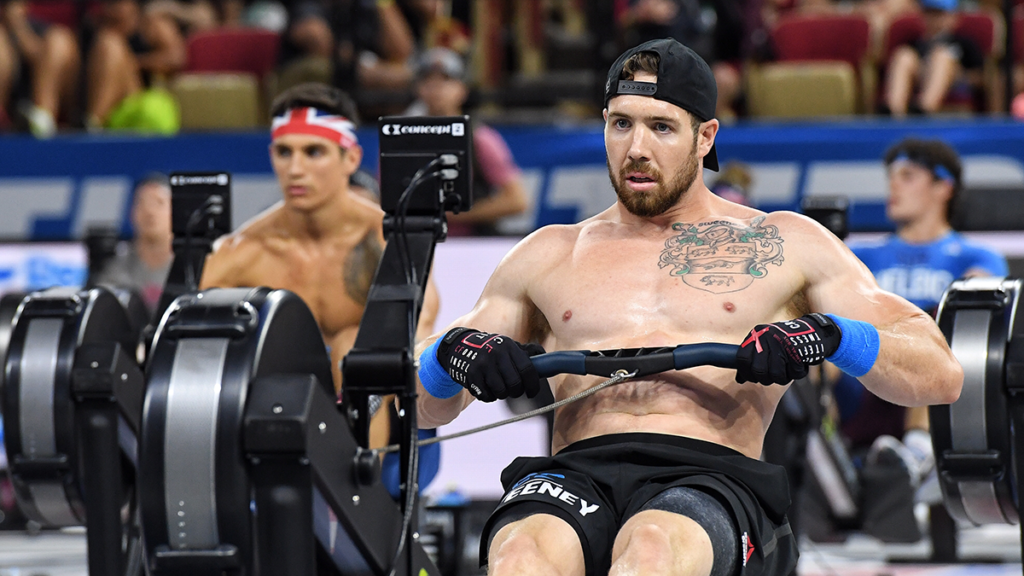
- Rowing machine
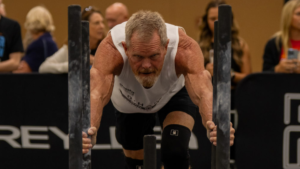
- Sled pushes
- Jump rope
- Bodyweight circuits
- Battle ropes
- Burpees
- Cycling
- Swimming
One of the reasons HIIT works so well is that it trains both aerobic and anaerobic energy systems simultaneously.
Why HIIT Works So Well
HIIT creates rapid cardiovascular adaptations because it repeatedly pushes the heart and lungs close to their functional limits. Research has shown that HIIT can significantly improve VO2 max, which is one of the strongest markers of cardiovascular fitness and longevity.
During intense intervals, the body demands large amounts of oxygen. Over time, this forces the cardiovascular system to become more efficient at oxygen delivery and utilization. HIIT also improves insulin sensitivity, mitochondrial density, and metabolic health.
Another major benefit is time efficiency. Multiple studies have demonstrated that short HIIT sessions can produce conditioning gains similar to much longer moderate intensity cardio sessions.
HIIT and Fat Loss
HIIT is popular for fat loss because it burns calories both during and after training. The intense nature of interval work increases excess post exercise oxygen consumption, commonly called the afterburn effect. This means the body continues using additional energy after the session ends.
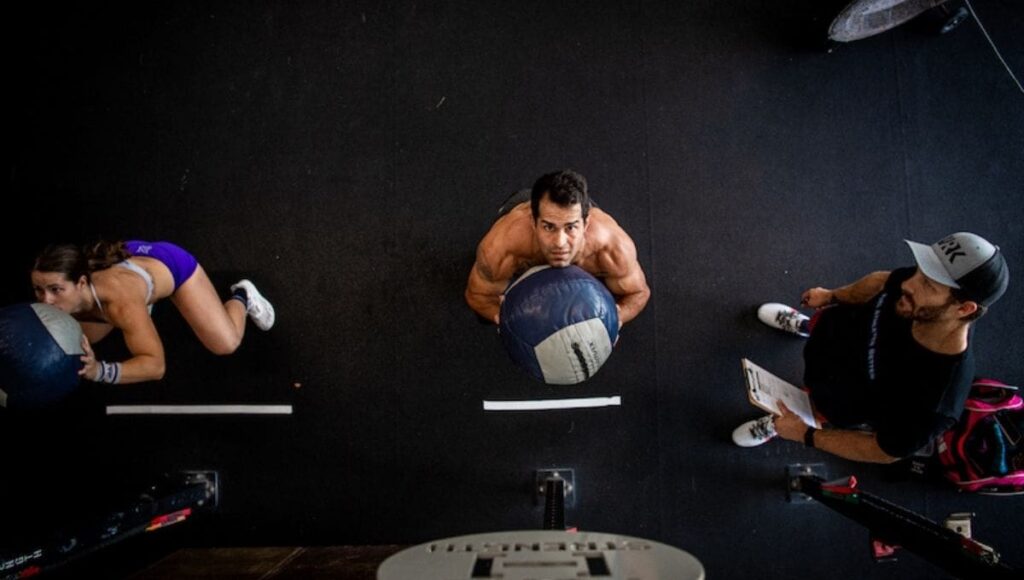
HIIT may also help preserve lean muscle mass better than long duration cardio because the training involves higher force production and muscular recruitment. That matters because muscle tissue supports metabolic health and athletic performance.
Beginner HIIT Workout
If you are new to HIIT, start simple. Try this beginner friendly circuit:
- 20 seconds hard effort
- 40 seconds easy pace
- Repeat for 10 rounds
Exercises:
- Stationary bike sprint
- Rowing machine
- Fast bodyweight squats
- Jump rope
The goal is not to destroy yourself. Consistency matters more than all out exhaustion.
Advanced HIIT Workout
For more experienced trainees:
- 40 seconds work
- 20 seconds recovery
- Repeat for 15 to 20 rounds
Exercises:
- Burpees
- Air bike
- Kettlebell swings
- Sled pushes
- Battle ropes
This style of training rapidly elevates heart rate and challenges recovery capacity.
Method 2: Tabata
What Is Tabata Training?
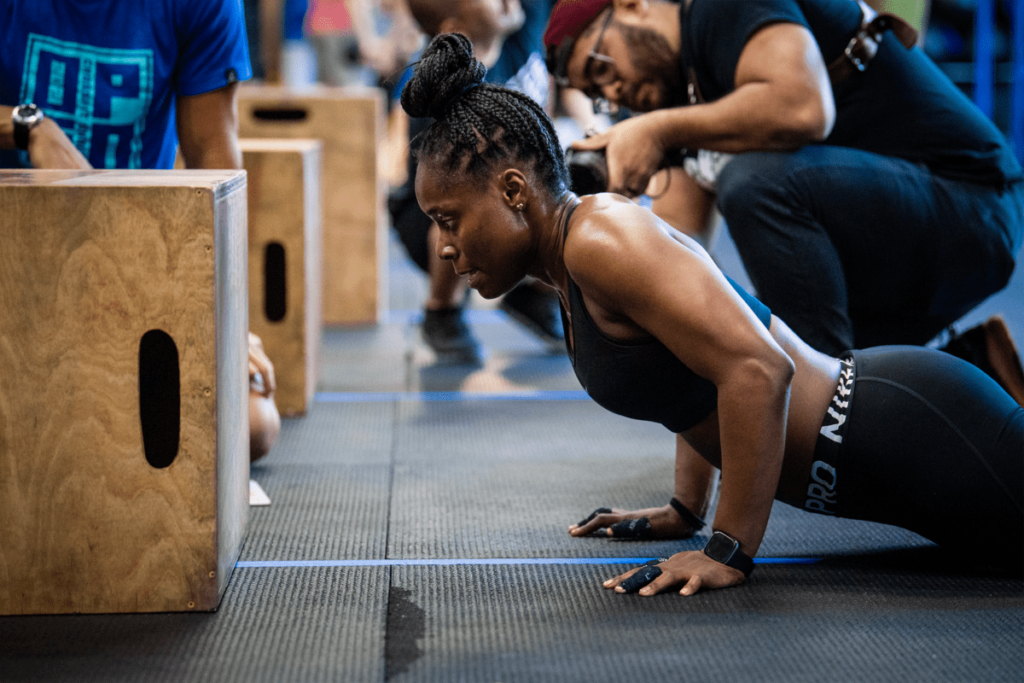
Tabata is a specific form of interval training developed by Japanese researcher Dr. Izumi Tabata. The classic Tabata protocol involves:
- 20 seconds all out effort
- 10 seconds rest
- Repeated for 8 rounds
The entire session lasts just four minutes. That sounds easy on paper. In practice, true Tabata training is brutally demanding. The original research compared moderate steady state endurance training with high intensity intervals and found remarkable improvements in both aerobic and anaerobic fitness in the interval group.
Why Tabata Is So Effective
Tabata works because it compresses extremely high intensity work into short periods with minimal rest. The short recovery windows force the cardiovascular system to adapt rapidly. A properly executed Tabata session creates:
- High heart rate exposure
- Large oxygen demand
- Significant lactate accumulation
- Strong metabolic stress
This combination stimulates improvements in cardiovascular fitness and work capacity.
The Science Behind Tabata
One reason Tabata training gained worldwide popularity is because the research behind it was so compelling. Participants using the Tabata protocol improved both aerobic capacity and anaerobic performance more effectively than the moderate endurance training group.This is important because many traditional cardio methods mainly target aerobic fitness. Tabata style intervals train the body to tolerate and recover from intense effort while still improving endurance capacity.
Best Exercises for Tabata
Not every exercise works well for Tabata.
The ideal movement should:
- Elevate heart rate quickly
- Be technically simple under fatigue
- Allow maximal effort safely
Good options include:
- Air bike sprints
- Rowing
- Kettlebell swings
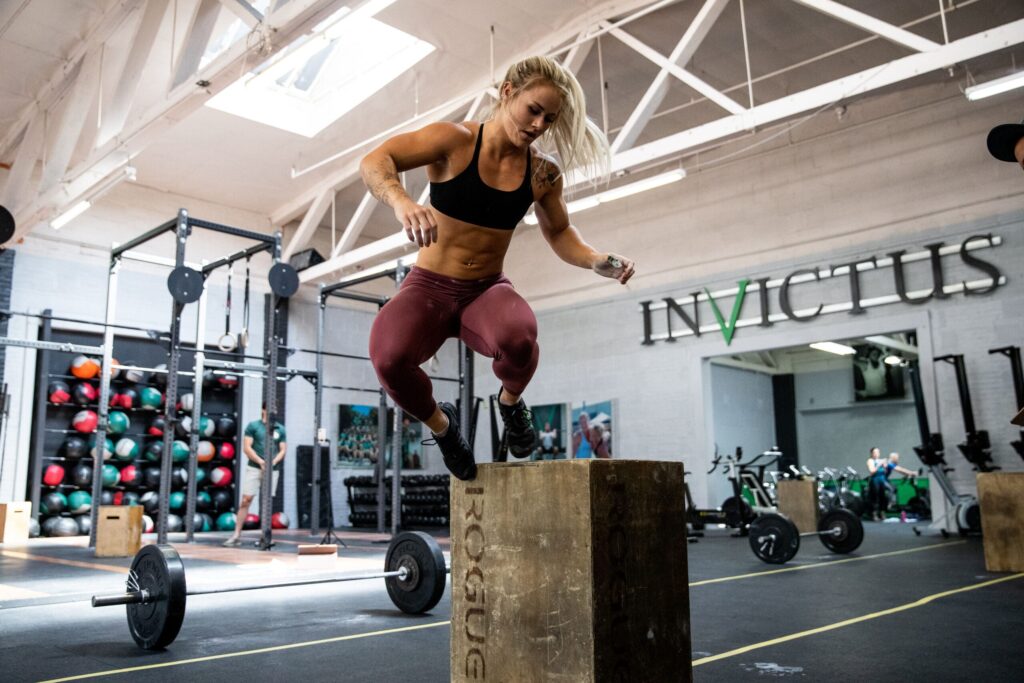
- Jump squats
- Burpees
- Mountain climbers
- Thrusters
- Ski erg
Heavy barbell lifts are generally a poor choice because fatigue can compromise technique.
Sample Tabata Workouts
Beginner Tabata
Exercise: Bodyweight squats
Protocol:
- 20 seconds work
- 10 seconds rest
- 8 rounds
Total time:
4 minutes
Rest for two minutes afterward. Then repeat with another exercise if desired.
Intermediate Tabata
Exercises:
- Kettlebell swings
- Burpees
Protocol:
- 20 seconds work
- 10 seconds rest
- 8 rounds per exercise
Rest two minutes between movements.
Method 3: Kettlebell Conditioning
Why Kettlebells Are Amazing for Conditioning
Kettlebell training occupies a unique space between strength and conditioning. Unlike many traditional cardio methods, kettlebell work trains:
- Cardiovascular endurance
- Muscular endurance
- Grip strength
- Hip power
- Core stability
- Coordination
Kettlebell movements are dynamic and continuous, which drives heart rate upward quickly while simultaneously challenging multiple muscle groups. This creates a huge metabolic demand.
The Science Behind Kettlebell Conditioning
Research on kettlebell training shows impressive effects on aerobic capacity, power output, and overall conditioning. One study sponsored by the American Council on Exercise found that kettlebell workouts produced heart rate and oxygen consumption responses similar to high intensity running. That means kettlebell training can function as both strength work and cardio simultaneously. Kettlebell circuits also produce relatively low impact stress compared to running while still generating significant conditioning benefits.
Best Kettlebell Exercises for Conditioning

Some kettlebell movements are especially effective for conditioning.
Kettlebell Swings
The swing is one of the most effective conditioning exercises ever created. It trains:
- Posterior chain strength
- Hip explosiveness
- Grip endurance
- Cardiovascular fitness
Swings rapidly elevate heart rate without requiring complex technique once learned properly.
Kettlebell Clean and Press
This movement combines power, coordination, and upper body endurance. It challenges nearly every major muscle group while heavily taxing the cardiovascular system.
Kettlebell Snatch
The snatch is one of the most advanced kettlebell conditioning exercises. It develops:
- Power endurance
- Shoulder stability
- Grip strength
- Anaerobic conditioning
Goblet Squats
Goblet squats train the lower body while reinforcing posture and core control. When performed in high repetition circuits, they become surprisingly demanding from a conditioning standpoint.
Beginner Kettlebell Conditioning Workout
Perform the following circuit:
- 15 kettlebell swings
- 10 goblet squats
- 10 push ups
- Rest 60 seconds
Repeat for 5 rounds. This combination elevates heart rate while training the entire body.
Advanced Kettlebell Conditioning Workout
Perform:
- 20 swings
- 10 clean and press per arm
- 15 goblet squats
- 10 snatches per arm
Rest 90 seconds.
Repeat for 4 to 6 rounds. This session delivers a brutal conditioning effect while also improving strength endurance.
Why Kettlebell Work Feels Different From Running
Traditional running mainly challenges the cardiovascular system through repetitive lower body movement. Kettlebell training spreads the workload across the entire body. That full body demand creates high oxygen requirements and substantial calorie expenditure. Many people also find kettlebell training mentally engaging because it involves skill, coordination, and varied movement patterns.
Which Conditioning Method Is Best?
There is no universal winner. The best conditioning method is the one you can perform consistently and progressively. However, each method has unique strengths.
HIIT Is Best For:
- General fat loss
- Time efficiency
- Athletic conditioning
- Beginners and advanced trainees
- Variety
Tabata Is Best For:
- Extremely short workouts
- Improving high intensity work capacity
- Advanced conditioning
- Mental toughness
Kettlebell Conditioning Is Best For:
- Full body fitness
- Building strength and endurance together
- Preserving muscle mass
- Low impact conditioning
- Athletic performance
Final Thoughts
Running is only one tool for conditioning. It is not mandatory for fat loss, endurance, or cardiovascular fitness. HIIT, Tabata, and kettlebell conditioning offer highly effective alternatives that can save time, reduce repetitive impact, and keep training mentally engaging.
These methods challenge the body differently than traditional cardio. They build fitness through intensity, muscular involvement, and metabolic demand. Most importantly, they work. If you hate running, stop forcing yourself to do something you dread. There are smarter and more enjoyable ways to get conditioned. Train hard, recover well, and choose methods you can sustain long term.
Key Takeaways
| Method | Main Benefit | Best For | Typical Workout Length | Difficulty Level |
|---|---|---|---|---|
| HIIT | Fast cardiovascular improvements | Fat loss and athletic fitness | 15 to 30 minutes | Moderate to High |
| Tabata | Maximum intensity conditioning | Advanced work capacity | 4 to 20 minutes | High |
| Kettlebell Conditioning | Strength plus cardio | Full body fitness | 20 to 40 minutes | Moderate to High |
| HIIT | Improves VO2 max and calorie burn | Busy schedules | Short sessions | Scalable |
| Tabata | Trains aerobic and anaerobic systems | Experienced trainees | Extremely time efficient | Very demanding |
| Kettlebell Training | Low impact conditioning | Joint friendly fitness | Versatile workouts | Skill dependent |
References
- American Council on Exercise (2010) ‘ACE-sponsored research: Kettlebells kick butt’, ACE Fitness Matters, 17(4), pp. 6 to 9.
- Boutcher, S.H. (2011) ‘High-intensity intermittent exercise and fat loss’, Journal of Obesity, 2011, pp. 1 to 10.
- Gibala, M.J., Little, J.P., MacDonald, M.J. and Hawley, J.A. (2012) ‘Physiological adaptations to low-volume, high-intensity interval training in health and disease’, The Journal of Physiology, 590(5), pp. 1077 to 1084.
- Laursen, P.B. and Jenkins, D.G. (2002) ‘The scientific basis for high-intensity interval training’, Sports Medicine, 32(1), pp. 53 to 73.
- MacInnis, M.J. and Gibala, M.J. (2017) ‘Physiological adaptations to interval training and the role of exercise intensity’, The Journal of Physiology, 595(9), pp. 2915 to 2930.
- Nybo, L., Sundstrup, E., Jakobsen, M.D., Mohr, M., Hornstrup, T., Simonsen, L., Bülow, J., Randers, M.B., Nielsen, J.J., Aagaard, P. and Krustrup, P. (2010) ‘High-intensity training versus traditional exercise interventions for promoting health’, Medicine & Science in Sports & Exercise, 42(10), pp. 1951 to 1958.