

Strong shoulders are important for almost every upper body movement. Whether you want to press heavier weights, improve posture, build muscle, or reduce injury risk, shoulder training matters. Many beginners focus only on bilateral exercises such as barbell presses or machine work. While these movements are useful, unilateral exercises deserve much more attention.
Unilateral training means working one side of the body at a time. This style of training improves muscular balance, coordination, stability, and shoulder control. It can also help beginners develop better movement patterns before progressing to heavier bilateral lifts.


The shoulder joint is highly mobile, but that mobility comes with a cost. Compared to joints like the hip, the shoulder is less stable and more vulnerable to injury. Proper exercise selection is essential, especially for beginners who are still learning how to move efficiently under load.
Research consistently shows that unilateral resistance training can improve muscular activation, reduce asymmetries, and enhance neuromuscular coordination. For beginners, this often translates into safer and more effective progress. This article breaks down the three best unilateral shoulder exercises for beginners, explains why they work, and shows how to perform them correctly.
Why Unilateral Shoulder Training Matters
Before diving into the exercises, it helps to understand why unilateral training is so effective. Many people naturally favor one side of the body. Over time, this creates muscular imbalances that can affect posture, movement quality, and strength development. Bilateral exercises can sometimes hide these imbalances because the stronger side compensates for the weaker side.
Want to Bench Press 100kg / 220lbs? Here Are 4 Numbers You Need to Hit First
Unilateral training exposes weaknesses and forces each shoulder to work independently.
Benefits include:
• Improved shoulder stability
• Better muscular symmetry
• Enhanced coordination
• Increased core activation
• Reduced injury risk
• Better mind muscle connection
• Improved movement efficiency
Studies show unilateral resistance training increases stabilizer muscle recruitment compared to bilateral movements. This is particularly important for the shoulder because stabilizing muscles such as the rotator cuff play a major role in shoulder health.
Another major advantage for beginners is learning control. Beginners often struggle with maintaining proper joint positioning during pressing or raising movements. Unilateral exercises slow things down and improve body awareness.
Want to Deadlift 200kg? Here are 4 Numbers You Need to Hit First
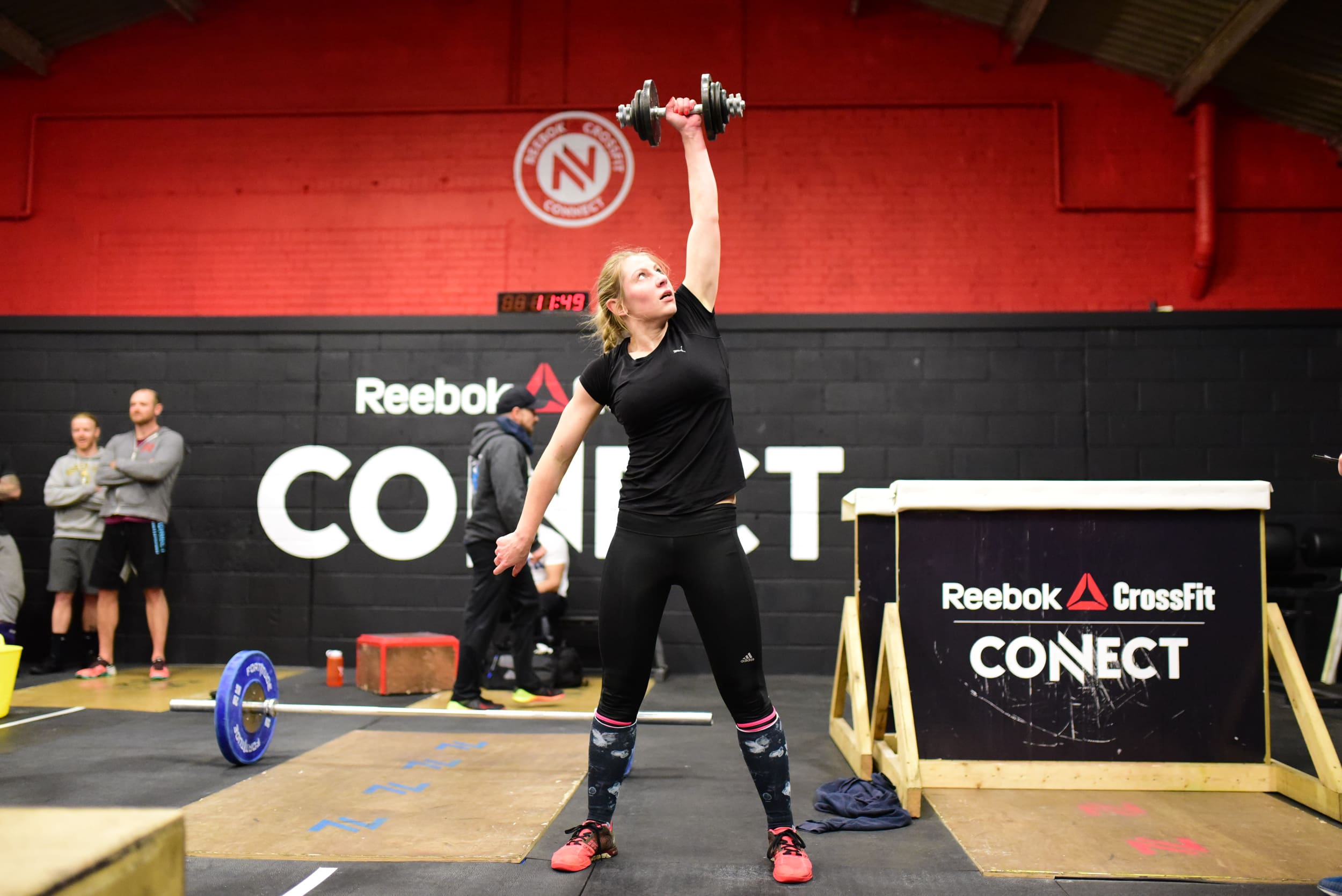
1. Single Arm Dumbbell Shoulder Press
The single arm dumbbell shoulder press is one of the best beginner shoulder exercises because it builds strength, coordination, and stability all at once. Unlike bilateral overhead pressing, the unilateral version forces the core and shoulder stabilizers to work harder to maintain alignment.

Why It Works
Research shows overhead pressing movements effectively activate the anterior and lateral deltoids. Using one arm increases instability demands, which improves neuromuscular coordination and core engagement.
When pressing with one arm, the torso naturally wants to lean or rotate. The body must resist this movement, creating additional stability work through the trunk and shoulder complex. This exercise teaches beginners how to press overhead safely while developing balanced shoulder strength.
Muscles Worked
Primary muscles:
• Anterior deltoid
• Lateral deltoid
• Triceps
Secondary muscles:
• Rotator cuff
• Upper trapezius
• Obliques
• Core stabilizers
How to Perform the Single Arm Dumbbell Shoulder Press
- Sit on a bench with back support or stand tall with feet shoulder width apart.
- Hold a dumbbell at shoulder height with the palm facing forward.
- Brace the core and keep the ribs down.
- Press the dumbbell overhead until the arm is fully extended.
- Lower the weight slowly back to shoulder height.
- Repeat for all reps before switching sides.
Best Rep Range for Beginners
For muscle growth and shoulder control:
• 3 to 4 sets
• 8 to 12 reps per arm
Beginner Progression
Once the seated version feels comfortable, progress to standing presses. Standing variations increase core demands and overall coordination.
2. Single Arm Dumbbell Lateral Raise
The single arm dumbbell lateral raise is one of the most effective exercises for building shoulder width and strengthening the lateral deltoid. Many beginners perform bilateral lateral raises poorly because momentum and compensation patterns are difficult to control. Training one arm at a time improves focus and technique.
Why It Works
Electromyography studies consistently show lateral raises strongly activate the middle deltoid. The unilateral version allows beginners to concentrate fully on shoulder positioning and movement quality. It also helps identify strength differences between sides.

This exercise is especially useful because the lateral deltoid often receives insufficient direct stimulation during pressing movements alone.
How to Perform the Single Arm Dumbbell Lateral Raise
- Stand tall holding a dumbbell in one hand.
- Keep a slight bend in the elbow.
- Raise the arm sideways until it reaches shoulder height.
- Pause briefly at the top.
- Lower the weight slowly under control.
- Complete all reps before switching arms.
Best Rep Range for Beginners
Lateral raises respond well to moderate and higher rep ranges.
• 3 sets
• 10 to 15 reps per arm
Beginner Progression
Once technique improves, pauses and slower eccentrics can increase difficulty without adding excessive load.
3. Single Arm Landmine Press
The single arm landmine press is one of the most beginner friendly shoulder exercises available. Unlike strict overhead pressing, the angled pressing path reduces stress on the shoulder joint while still building strength and muscle. For beginners with limited shoulder mobility or previous discomfort during overhead movements, this exercise is often ideal.
Why It Works
The landmine press combines pressing strength with shoulder stability in a joint friendly pattern. Research on angled pressing movements suggests they reduce shoulder impingement risk while maintaining high anterior deltoid activation. The arc of the landmine press allows natural scapular movement, which is important for long term shoulder health.
How to Perform the Single Arm Landmine Press
- Place one end of a barbell into a landmine attachment or secure corner.
- Hold the free end with one hand at shoulder height.
- Stand with feet shoulder width apart.
- Brace the core and keep the chest tall.
- Press the bar upward and slightly forward.
- Lower under control back to the starting position.
Best Rep Range for Beginners
• 3 to 4 sets
• 8 to 12 reps per arm
Beginner Progression
As strength improves, the exercise can be performed from half kneeling positions to increase core demands.
How Unilateral Exercises Improve Shoulder Health
Shoulder injuries are extremely common in both athletes and general gym populations. Many issues stem from poor movement mechanics, muscular imbalances, and weak stabilizers. Unilateral training addresses all three problems.
Improved Scapular Control
Healthy shoulder movement depends heavily on proper scapular mechanics. Exercises like the landmine press encourage coordinated shoulder blade movement, reducing stress on the joint.

Better Rotator Cuff Activation
Stabilization demands increase rotator cuff recruitment during unilateral exercises. Research shows shoulder stability exercises can improve joint function and reduce pain risk.
Reduced Strength Imbalances
Even small asymmetries can increase injury risk over time. Training one side independently helps ensure equal development.
The Importance of Progressive Overload
To build stronger shoulders, exercises must gradually become more challenging. Progressive overload can include:
• Increasing weight
• Adding repetitions
• Improving tempo control
• Increasing training volume
• Reducing rest periods slightly
Beginners should prioritize technique before chasing heavier weights. Research consistently shows proper exercise execution is critical for maximizing hypertrophy and minimizing injury risk.
Sample Beginner Shoulder Workout
Here is a simple unilateral shoulder workout for beginners.
Workout A
- Single Arm Dumbbell Shoulder Press
3 sets x 10 reps per arm - Single Arm Dumbbell Lateral Raise
3 sets x 12 reps per arm - Single Arm Landmine Press
3 sets x 10 reps per arm
Rest 60 to 90 seconds between sets.
Focus on:
• Controlled tempo
• Full range of motion
• Proper posture
• Consistent breathing
Final Thoughts
The best shoulder exercises for beginners are not necessarily the most complicated or the heaviest. Simple unilateral exercises often provide superior results because they improve stability, balance, coordination, and muscular control simultaneously.
The single arm dumbbell shoulder press builds foundational pressing strength and stability. The single arm lateral raise develops shoulder width and isolation strength. The single arm landmine press offers a joint friendly pressing variation that reinforces healthy mechanics. Together, these three exercises create an excellent foundation for long term shoulder development. Beginners who focus on quality movement, progressive overload, and consistency will build stronger and healthier shoulders while reducing injury risk.
Key Takeaways
| Exercise | Main Benefit | Primary Muscles | Best Rep Range |
|---|---|---|---|
| Single Arm Dumbbell Shoulder Press | Builds pressing strength and stability | Anterior deltoid, lateral deltoid, triceps | 8 to 12 reps |
| Single Arm Dumbbell Lateral Raise | Improves shoulder width and isolation | Lateral deltoid | 10 to 15 reps |
| Single Arm Landmine Press | Joint friendly strength development | Anterior deltoid, upper chest, triceps | 8 to 12 reps |
| Unilateral Training Overall | Improves balance, coordination, and stability | Shoulder stabilizers and core | Moderate volume works best |
| Beginner Recommendation | Train shoulders twice weekly | Focus on control and consistency | 3 to 4 sets per exercise |
References
• Andersen, V., Fimland, M.S., Mo, D.A., Iversen, V.M., Vederhus, T., Rockland Hellebø, L., Nordaune, K.I., and Saeterbakken, A.H. (2014) ‘Electromyographic comparison of barbell deadlift, hex bar deadlift, and hip thrust exercises’, Journal of Strength and Conditioning Research, 28(7), pp. 1985 to 1991.
• Behm, D.G. and Colado, J.C. (2012) ‘The effectiveness of resistance training using unstable surfaces and devices for rehabilitation’, International Journal of Sports Physical Therapy, 7(2), pp. 226 to 241.
• Blais, L., Trilles, F., and Lacouture, P. (2007) ‘Three dimensional shoulder girdle kinematics during arm elevation’, Journal of Applied Biomechanics, 23(4), pp. 300 to 309.
• Escamilla, R.F., Yamashiro, K., Paulos, L., and Andrews, J.R. (2009) ‘Shoulder muscle activity and function in common shoulder rehabilitation exercises’, Sports Medicine, 39(8), pp. 663 to 685.