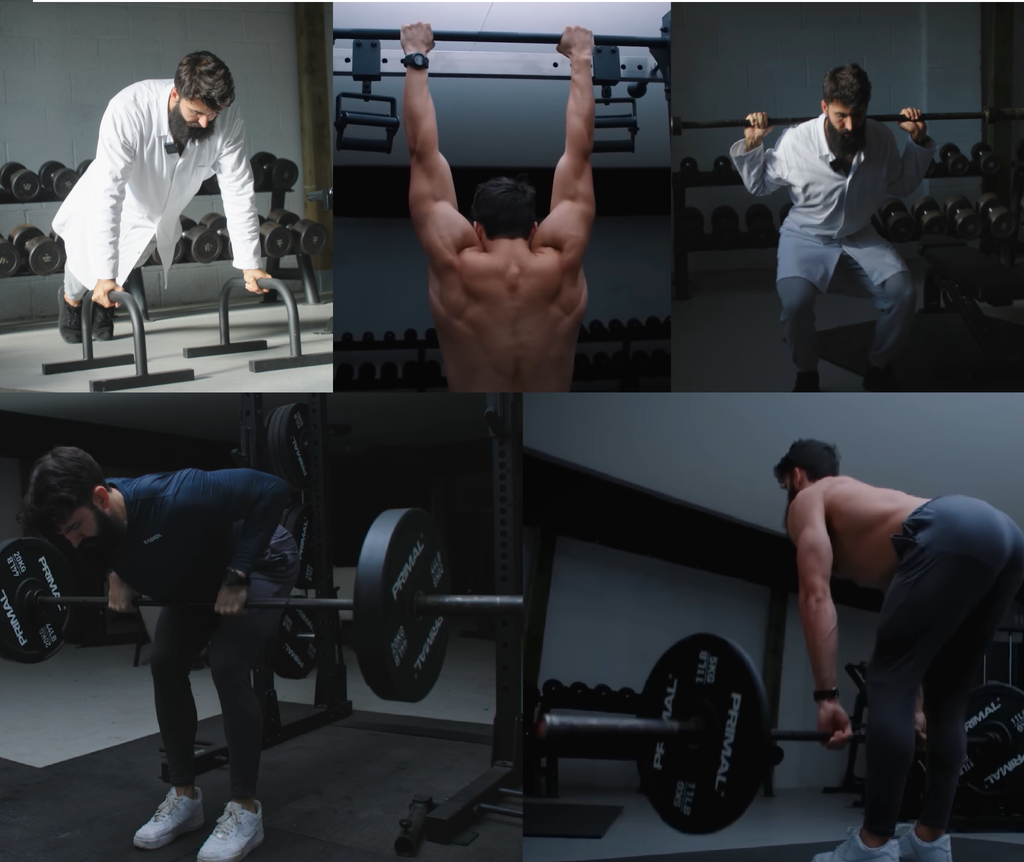


Looking younger is not only about reducing wrinkles or keeping body fat under control. Youthful appearance is strongly linked to muscle mass, posture, movement quality, skin health, energy levels, and overall physical function. Many of the visual signs that people associate with aging are actually connected to changes in body composition and physical performance.
As people get older, they naturally lose muscle mass, bone density, cardiovascular fitness, and mobility. This process can affect the way they stand, walk, and move. It can also influence skin quality, body fat distribution, and facial appearance. The good news is that exercise is one of the most effective tools available for slowing many of these age related changes.


Research consistently shows that regular physical activity can improve body composition, support healthy skin aging, preserve muscle mass, increase mitochondrial function, improve posture, and enhance overall vitality. Some forms of exercise may even influence biological markers associated with aging itself.

The goal is not to chase unrealistic anti aging promises. No exercise can stop the clock. However, certain movements can help maintain the physical traits most commonly associated with youthfulness. They can help you look stronger, stand taller, move better, and maintain a healthier appearance as the years go by.
Here are five of the best exercises to help you look younger, along with the science behind why they work.
Why Exercise Influences How Young You Look
Before looking at specific exercises, it is important to understand why movement has such a powerful effect on appearance.
One of the most significant changes that occurs with aging is sarcopenia, which is the gradual loss of muscle mass and strength. Muscle helps support posture, joint stability, and metabolic health. When muscle declines, people often develop a frailer appearance and experience reductions in physical function.
Exercise also helps regulate body fat. Excess fat accumulation, especially around the abdomen, is associated with increased inflammation and a greater risk of chronic disease. Maintaining a healthy body composition often contributes to a leaner and more youthful look.
Cardiovascular exercise improves blood flow throughout the body, including the skin. Better circulation supports nutrient delivery and may contribute to healthier skin appearance.
Physical activity can also improve insulin sensitivity, mitochondrial function, and hormonal health. These factors influence energy levels, recovery, and overall vitality. Research has even found links between regular exercise and longer telomeres, structures associated with cellular aging. While the relationship is complex, the findings suggest that exercise may help support healthier aging at the cellular level.
The following exercises combine strength, cardiovascular fitness, mobility, and functional movement. Together they address many of the factors that influence youthful appearance.
1. Squats

Why Squats Help You Look Younger
If there were a single exercise that could be described as a fountain of youth movement, the squat would be a strong contender.
Squats train some of the largest muscles in the human body, including the quadriceps, glutes, hamstrings, and core. Maintaining muscle mass in these areas is crucial because lower body strength is strongly associated with physical function and independence as people age.
A well developed lower body contributes to a more athletic physique, improved posture, and greater mobility. Strong legs also help people move with confidence and stability, traits that are often associated with youthfulness.
Squats increase mechanical loading on bones, which helps support bone density. Age related declines in bone density can contribute to changes in posture and body structure over time. Resistance training exercises such as squats help counteract these effects. Another major benefit is metabolic health. Large compound exercises require substantial energy expenditure and stimulate muscle growth. More muscle mass helps support resting metabolic rate, making it easier to maintain a healthy body composition.
How Squats Affect Posture and Appearance
Many people begin to develop a forward leaning posture as they age. Weak glutes and lower body muscles often contribute to this problem. Squats strengthen the muscles that help maintain upright alignment. Improved posture can instantly create a younger appearance. Standing tall with proper spinal positioning changes how a person looks and moves.
Squats also improve movement quality. The ability to sit down, stand up, climb stairs, and move efficiently is strongly linked to healthy aging.
How to Perform Them
Bodyweight squats are an excellent starting point. More advanced trainees can use barbells, dumbbells, kettlebells, or safety squat bars. Focus on maintaining a neutral spine, controlling the descent, and driving through the feet during the ascent.
Consistency matters more than extreme loading. Performing squats regularly over months and years provides the greatest benefit.
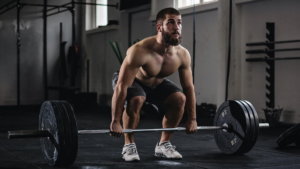
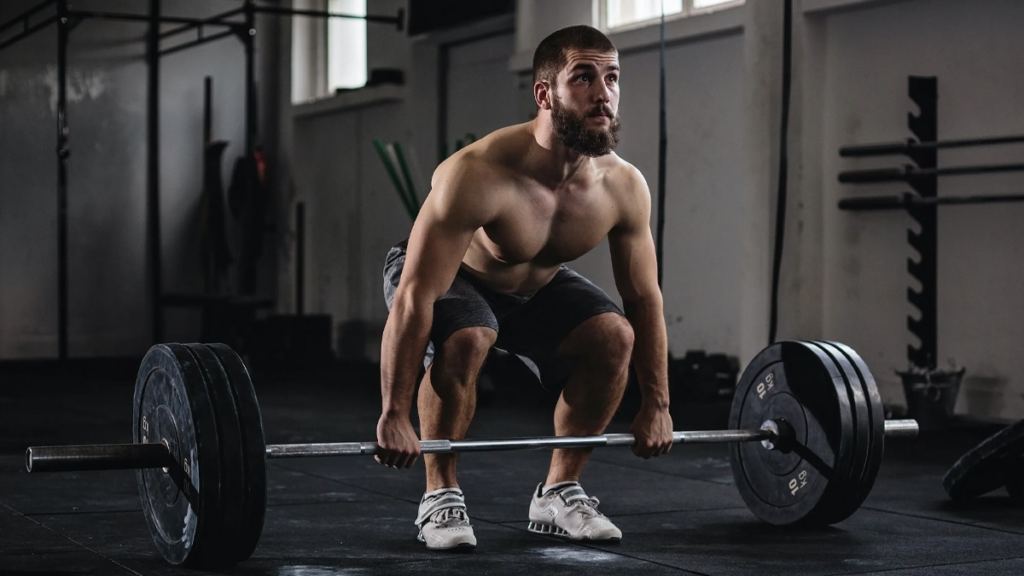
2. Deadlifts
Why Deadlifts Help You Look Younger
Deadlifts train the posterior chain, including the glutes, hamstrings, spinal erectors, upper back, and core. One of the hallmarks of aging is the gradual loss of strength in these muscles. This can contribute to poor posture, reduced mobility, and an older appearance.
Deadlifts help preserve total body strength while promoting muscle development across multiple regions simultaneously. They also improve functional movement patterns that are essential for daily life.
The exercise strengthens the muscles responsible for maintaining an upright posture. This is particularly important because rounded shoulders and a hunched upper back are commonly associated with aging.
The Youthful Benefits of Strength
Strength is increasingly recognized as one of the most important predictors of healthy aging. Research shows that greater muscular strength is associated with lower mortality risk, improved physical function, and better long term health outcomes.
From a visual perspective, maintaining strength often means maintaining muscle mass. Muscle contributes to shape, structure, and firmness throughout the body. Individuals who continue strength training throughout adulthood frequently retain a more athletic appearance compared to sedentary peers.
How to Perform Them
Conventional deadlifts, trap bar deadlifts, Romanian deadlifts, and kettlebell deadlifts can all be effective. For most people, proper technique is far more important than lifting maximal loads. Focus on maintaining a stable spine, engaging the core, and generating force through the hips.
3. Sprint Intervals
Why Sprinting Helps You Look Younger
High intensity interval training has become one of the most studied exercise methods in modern sports science. Sprint intervals involve short bursts of very intense effort followed by recovery periods. These workouts can be performed on a track, bike, rowing machine, air bike, or other equipment.
Research demonstrates that high intensity intervals improve cardiovascular fitness, insulin sensitivity, mitochondrial function, and body composition.
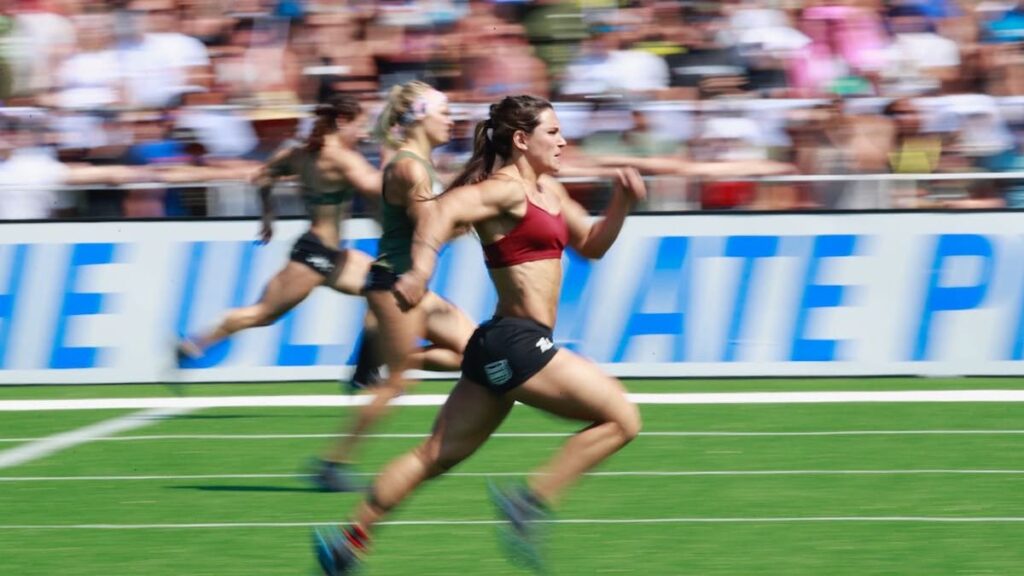
One reason sprinting contributes to a younger appearance is its effect on muscle preservation. Traditional endurance exercise is beneficial, but sprinting also stimulates fast twitch muscle fibers that tend to decline with age.
Maintaining these fibers helps preserve power, athleticism, and movement quality.
The Connection Between Mitochondria and Aging
Mitochondria are often described as the powerhouses of cells because they generate energy. Age related declines in mitochondrial function are associated with reduced physical performance and metabolic health.
Studies have shown that high intensity interval training can improve mitochondrial capacity, even in older adults. This improvement supports better energy production and physical function.
When people maintain higher energy levels and physical performance, they often display many of the characteristics associated with youthfulness.
Body Composition Benefits
Sprint intervals are extremely effective for improving body composition. They increase calorie expenditure, support fat loss, and help maintain lean muscle mass. Lower levels of excess body fat often contribute to a healthier and more youthful appearance.
How to Perform Them
A simple approach is to perform 20 to 30 seconds of hard effort followed by 60 to 90 seconds of recovery. Beginners should start conservatively and gradually increase intensity as fitness improves.
4. Brisk Walking
Why Walking Deserves a Place on This List
Walking may not seem as exciting as squats or sprint intervals, but it is one of the most powerful tools for healthy aging. Research consistently shows that regular walking improves cardiovascular health, metabolic function, mobility, and longevity.
Walking is accessible, sustainable, and easy to recover from. Unlike many intense exercise modalities, it can be performed frequently without creating excessive fatigue.
Walking and Biological Aging
Several studies have linked higher levels of physical activity, including walking, with healthier aging markers. Walking helps regulate blood sugar, reduce inflammation, improve circulation, and support heart health. Inflammation plays a major role in many age related processes. Chronic low grade inflammation is associated with cardiovascular disease, metabolic dysfunction, and accelerated aging. Regular walking helps counter these effects.
Walking and Facial Appearance
Healthy circulation is important for skin health. Exercise increases blood flow and supports the delivery of oxygen and nutrients throughout the body. Researchers have found that aerobic exercise can positively influence skin structure and may contribute to healthier skin aging.
Although walking is not a cosmetic treatment, the cumulative effects of improved circulation, metabolic health, and body composition can influence overall appearance.

How to Perform It
Aim for a pace that elevates heart rate while still allowing conversation. Many experts recommend accumulating at least 150 minutes of moderate intensity activity per week. Walking outdoors may provide additional psychological benefits through exposure to natural environments.
5. Pull Ups and Rowing Movements
Why Upper Body Posture Matters
Aging often affects posture long before people notice significant physical decline. Hours spent sitting, working at computers, and looking at phones can contribute to rounded shoulders and forward head posture. These changes can create an older appearance regardless of actual age.
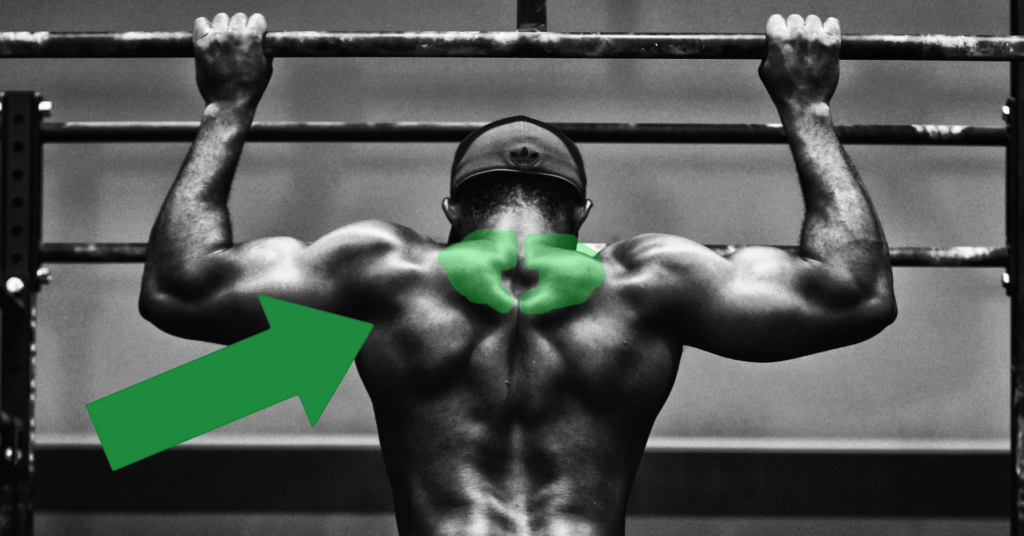
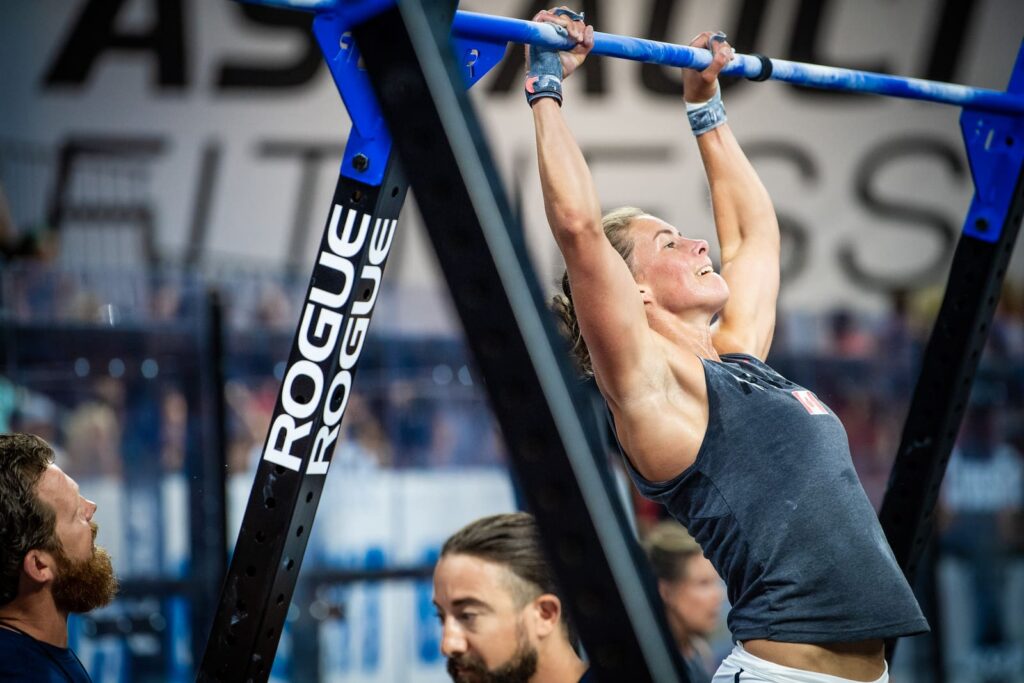
Pull ups and rowing exercises strengthen the upper back muscles that help maintain proper alignment. Strong upper back muscles support shoulder positioning and contribute to a taller, more confident posture.
Building a Youthful Frame
The muscles of the upper back, including the trapezius, rhomboids, and latissimus dorsi, play a major role in appearance. When these muscles are developed and strong, they help create a broader, more athletic silhouette.
Resistance training studies consistently demonstrate improvements in body composition and physical function across a wide range of age groups. The visual impact of stronger upper back musculature is often substantial because posture changes can be immediately noticeable.
Additional Functional Benefits
Pulling exercises improve shoulder health and movement quality. Maintaining upper body strength supports everyday activities and reduces the risk of functional decline. People who move efficiently and confidently often appear younger because movement quality is one of the strongest visual indicators of biological age.
How to Perform Them
- Pull ups are highly effective but challenging for beginners.
- Assisted pull ups, resistance band variations, and lat pulldowns can help build strength progressively.
- Rowing exercises can be performed with barbells, dumbbells, cables, resistance bands, or machines.
- Focus on controlled movement and full range of motion.
How Often Should You Train?
For most healthy adults, a balanced weekly routine might include strength training two to four times per week, cardiovascular training two to three times per week, and regular walking throughout the week.
The exact program should match individual fitness levels, goals, and recovery capacity. Consistency matters far more than perfection. The benefits associated with youthful appearance come from years of regular movement rather than short periods of extreme effort.
Even modest amounts of exercise performed consistently can produce meaningful improvements in strength, fitness, posture, and overall appearance.
Final Thoughts
Looking younger is not about chasing cosmetic shortcuts. It is largely about preserving the physical qualities that people naturally associate with youth.
Muscle mass, strength, posture, cardiovascular fitness, mobility, and healthy body composition all play major roles in how people look and feel as they age. Squats, deadlifts, sprint intervals, brisk walking, and pulling exercises represent some of the most effective tools for maintaining these qualities.
Each exercise addresses different aspects of aging, from muscle preservation and bone health to cardiovascular fitness and posture. Together they create a powerful strategy for maintaining a strong, energetic, and youthful appearance.
While no exercise can stop aging completely, the scientific evidence is clear that regular physical activity can significantly slow many of the changes that contribute to an older appearance. The result is not simply looking younger. It is moving better, feeling stronger, and maintaining physical vitality for years to come.
Key Takeaways
| Exercise | Primary Benefit | How It Supports a Younger Appearance |
|---|---|---|
| Squats | Builds lower body strength and muscle mass | Improves posture, mobility, and body composition |
| Deadlifts | Strengthens the posterior chain | Supports upright posture and total body strength |
| Sprint Intervals | Improves cardiovascular fitness and mitochondrial function | Helps preserve athleticism and reduce excess body fat |
| Brisk Walking | Enhances circulation and metabolic health | Supports healthy aging and skin health |
| Pull Ups and Rows | Strengthens the upper back and shoulders | Improves posture and creates a more athletic physique |
References
• Booth, F.W., Roberts, C.K. and Laye, M.J. (2012) ‘Lack of exercise is a major cause of chronic diseases’, Comprehensive Physiology, 2(2), pp. 1143 to 1211.
• Chodzko Zajko, W.J., Proctor, D.N., Fiatarone Singh, M.A., Minson, C.T., Nigg, C.R., Salem, G.J. and Skinner, J.S. (2009) ‘Exercise and physical activity for older adults’, Medicine & Science in Sports & Exercise, 41(7), pp. 1510 to 1530.
• Garber, C.E., Blissmer, B., Deschenes, M.R., Franklin, B.A., Lamonte, M.J., Lee, I.M., Nieman, D.C. and Swain, D.P. (2011) ‘Quantity and quality of exercise for developing and maintaining cardiorespiratory, musculoskeletal, and neuromotor fitness in apparently healthy adults’, Medicine & Science in Sports & Exercise, 43(7), pp. 1334 to 1359.
• Giallauria, F., Acampa, W., Ricci, F., Vitelli, A., Torella, G., Lucci, R., Del Forno, D., Assante, R., Rengo, G., Leosco, D. and Vigorito, C. (2016) ‘Effects of exercise training started within 2 weeks after acute myocardial infarction on myocardial perfusion and left ventricular function’, European Journal of Preventive Cardiology, 23(18), pp. 1949 to 1956.
• Holloszy, J.O. (2005) ‘Exercise induced increase in muscle insulin sensitivity’, Journal of Applied Physiology, 99(1), pp. 338 to 343.
• Kujala, U.M. (2018) ‘Is physical activity a cause of longevity? It is not as straightforward as some would believe’, Sports Medicine, 48(7), pp. 1495 to 1503.
• Lee, I.M., Shiroma, E.J., Lobelo, F., Puska, P., Blair, S.N. and Katzmarzyk, P.T. (2012) ‘Effect of physical inactivity on major non communicable diseases worldwide’, The Lancet, 380(9838), pp. 219 to 229.