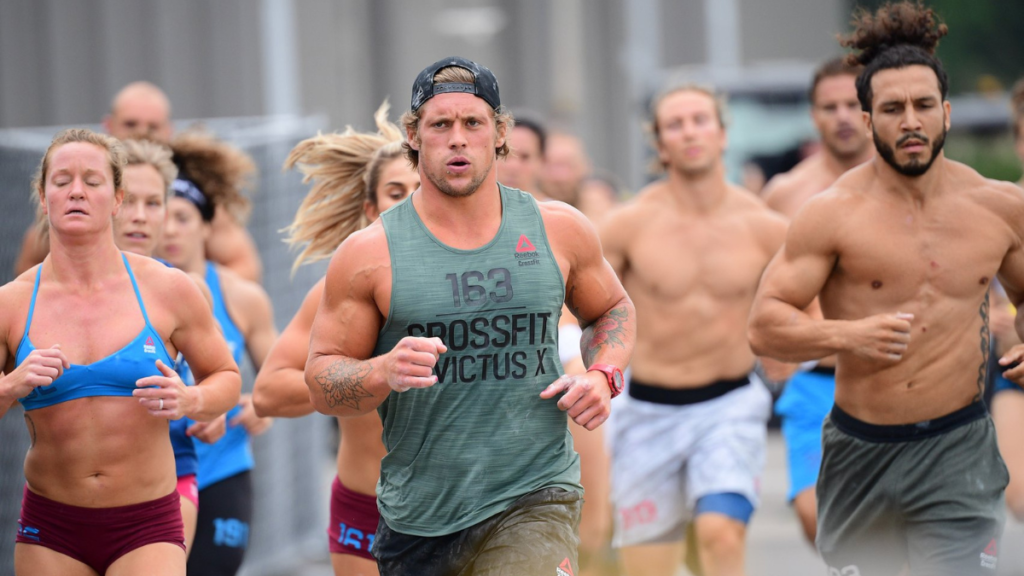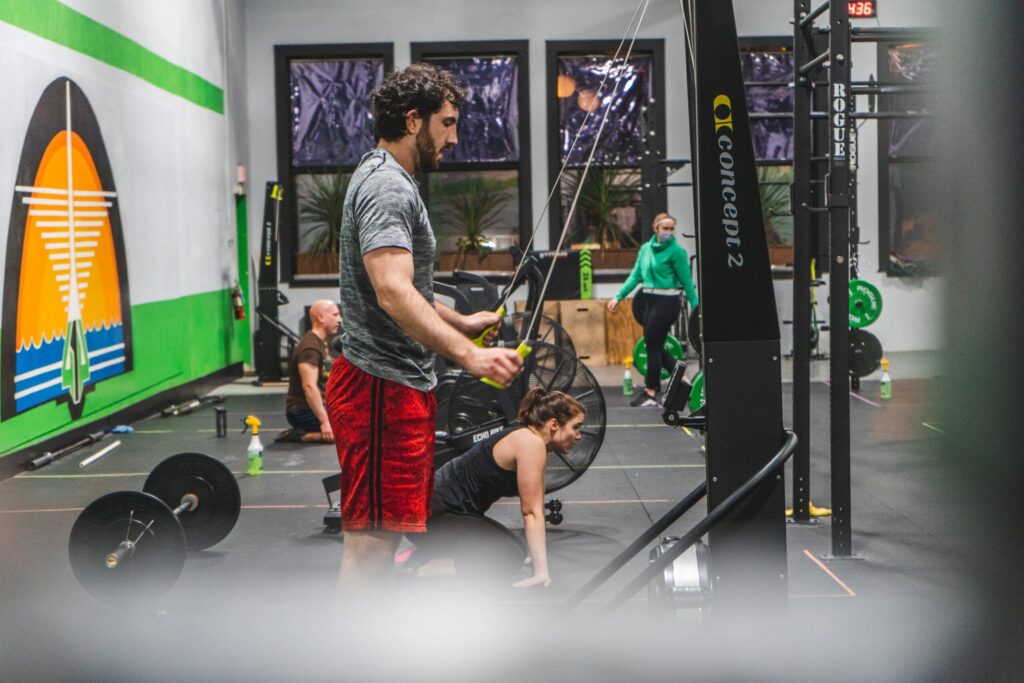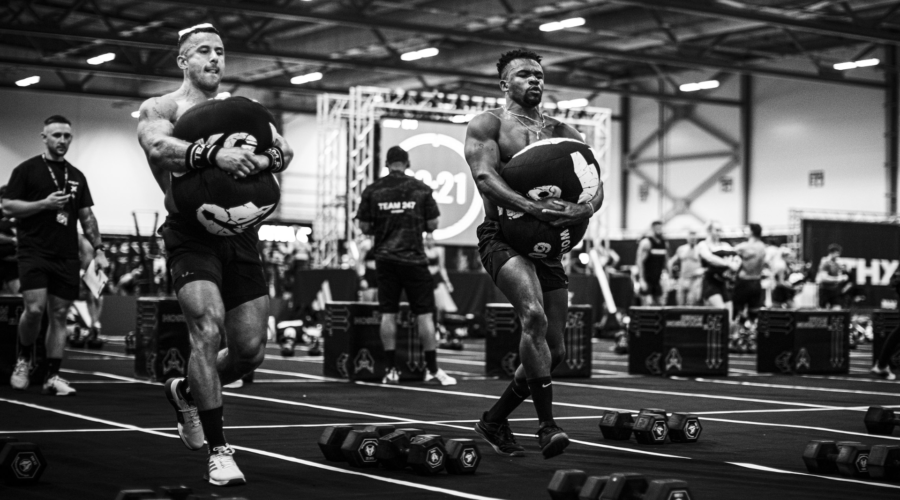


For a while, competitive fitness seemed to be moving in one clear direction: heavier bars, higher-skill gymnastics, shorter windows and less room for mistakes. The best athletes still needed an engine, of course. Nobody gets anywhere near the CrossFit Games without one. But culturally, endurance stopped feeling like the main character. Strength numbers, handstand walks, ring muscle-ups and barbell cycling took over the highlight reel, while the ability to work for a long time under fatigue became something people assumed was already there.
Now that assumption is being tested again.


Return of The Engine
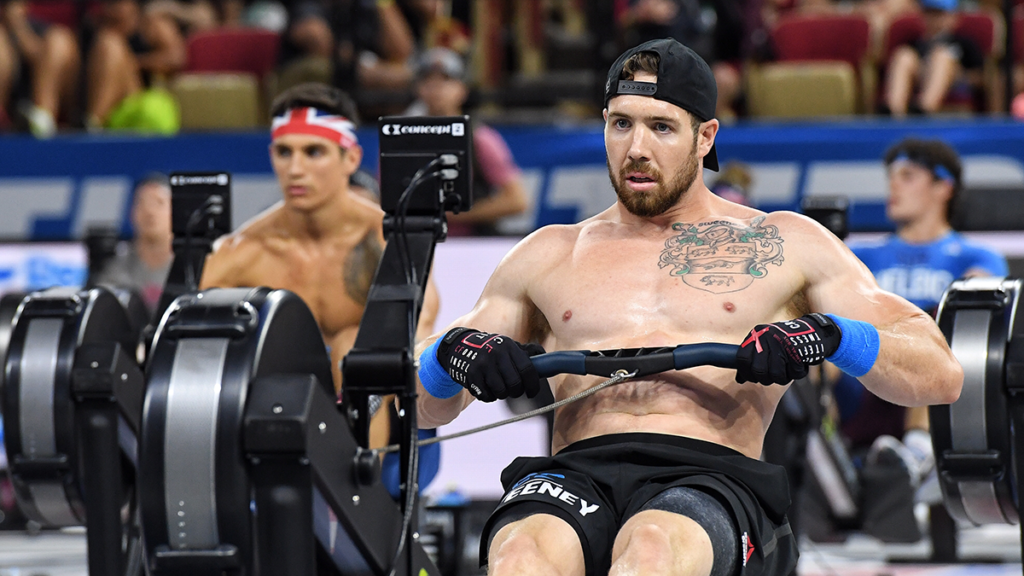
Across the 2026 CrossFit Semifinals season, long workouts have started to matter again in a very practical way: they are changing leaderboards. Copa Sur opened with Move Max, a 25-minute capped test built around carries, double-unders, toes-to-bars and a long Echo Bike buy-in, while MAD Fitness Festival introduced Madx Stamina, a first-day workout that mixed running, SkiErg, rowing and 75 burpees over a log.
These were not simply aerobic pieces placed between heavier or more technical tests; they were designed to expose who could keep moving, make decisions and preserve mechanics once fatigue had already taken over.

That distinction matters because this was happening inside the qualification system itself. These were Semifinals workouts, sitting at the last stop before the CrossFit Games, where a bad event can cost an athlete a season. When long tests begin to influence that stage of competition, endurance stops being a nostalgic talking point and becomes part of the selection process. There is also something familiar about it.
Strip away the bigger venues, the livestreams and the deeper talent pool, and the question starts to sound a lot like the one CrossFit was asking in its earliest years.
To understand why that feels significant, it helps to go back to the first stretch of the CrossFit Games, particularly 2007 to 2009, when the sport was still rough around the edges and the tests often leaned heavily on broad work capacity rather than polished specialization. Those early editions had a different texture from the modern sport.
Athletes were not just asked to lift or sprint, they were asked to keep moving through awkward combinations, longer efforts and unknown formats, with far less certainty about what was coming next. The original appeal was brutally simple: who could do more work across broad time domains and still look like an athlete at the end?
CrossFit and Endurance
That question never disappeared from CrossFit, but it did become less romantic. As the sport professionalized, the skill ceiling exploded. Athletes became stronger, sharper and more technical. Programming had to keep pace with fields that could move loads once considered outrageous, then go upside down, cycle gymnastics and manage complex standards under pressure. The sport improved, but something shifted in the way people talked about fitness. The engine became assumed rather than celebrated.
The current season is reminding everyone that assumptions are dangerous.
A long event exposes things that a short workout can hide. You can fake pace for four minutes, survive a bad strategy if the clock is short enough, or get bailed out by horsepower, talent or one exceptional movement. In a 20-to-30-minute test, there is much less room to disguise poor breathing, sloppy transitions, weak midline endurance or panic. The athlete has to keep making decisions while the body is getting worse, and that is a very different skill from simply attacking a short piece and hoping the clock saves you.
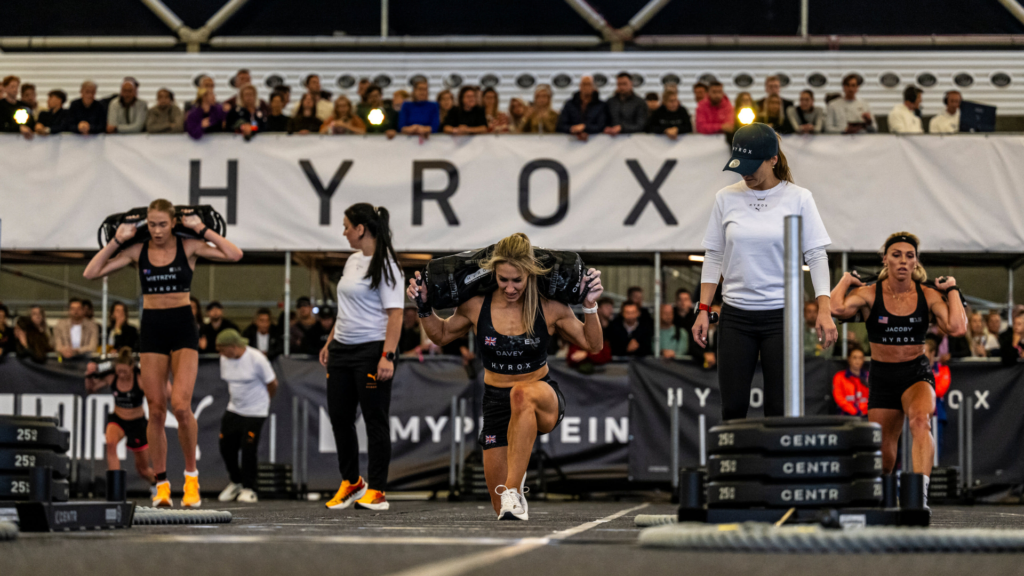
The same appetite is visible outside CrossFit, although the story there is slightly different. HYROX has grown into one of the clearest examples of the endurance-functional crossover, using a format that is easy to understand: eight kilometers of running, split by eight workout stations. It is long, measurable and repeatable, which gives it a very different appeal from competitions built around constantly varied tests and high-skill movements. Its rise does not explain CrossFit programming on its own, but it does show that the wider fitness market is paying attention to stamina again.
That wider shift matters because endurance gives athletes a kind of feedback that is hard to fake. A long test tells you whether your pacing was honest, whether your breathing held, whether your grip survived, whether your transitions were disciplined and whether your movement still looked efficient when the easy part was over. For recreational athletes, that can be more satisfying than chasing a single technical breakthrough. For elite athletes, it can be more punishing than a max lift, because there is rarely one dramatic moment to save the score.
For the serious CrossFit athlete, this is not about choosing cardio over strength. The new endurance trend is not a return to slow, single-modality training, nor is it a rejection of the technical direction the sport has taken. It is fatigue layered with skill. Move Max was not just an Echo Bike piece; it had toes-to-bars and double-unders wrapped around loaded carries. Madx Stamina was not just running; it included machines, burpees and awkward movement under heat and pressure. The point is not who can jog the longest. The point is who can keep producing usable work when the system is already compromised.
That is why the engine is becoming valuable again. In a deep field, everyone is strong. Everyone has spent time upside down. Everyone can do the movements that once separated the elite from the rest. The difference often appears later, when the grip is fading, breathing is ragged and the athlete still has to make the next rep look clean enough to count.
There is also a cultural piece, but it is less about labels and more about trust. Endurance rewards the kind of preparation that cannot be compressed into a few heroic training clips. It belongs to the athlete who can repeat good sessions for months, manage fatigue, respect pacing and still show up when the work is plain rather than spectacular. In a sport that often celebrates the visible peak, long tests bring attention back to the base underneath it.
Are CrossFit Semifinals Still Regional, or Has the Sport Outgrown the Regional Model?
So is this comeback legitimate? It certainly looks that way. Semifinals programming is giving long tests meaningful weight. Hybrid events are growing because athletes want clear, demanding and measurable challenges. Recreational competitors are gravitating toward formats that reward stamina and structure, while elite athletes are being reminded that strength without durability has a ceiling.
The sport is not going back to 2007, and it would be a mistake to pretend that it is. The field is too advanced, the programming too layered and the athletes too complete. What does seem to be happening, though, is a recovery of one of functional fitness’s original instincts.
Fitness was never supposed to be about one great lift, one perfect skill or one fast sprint. It was supposed to answer a harder question: when everyone is tired, who is still working?