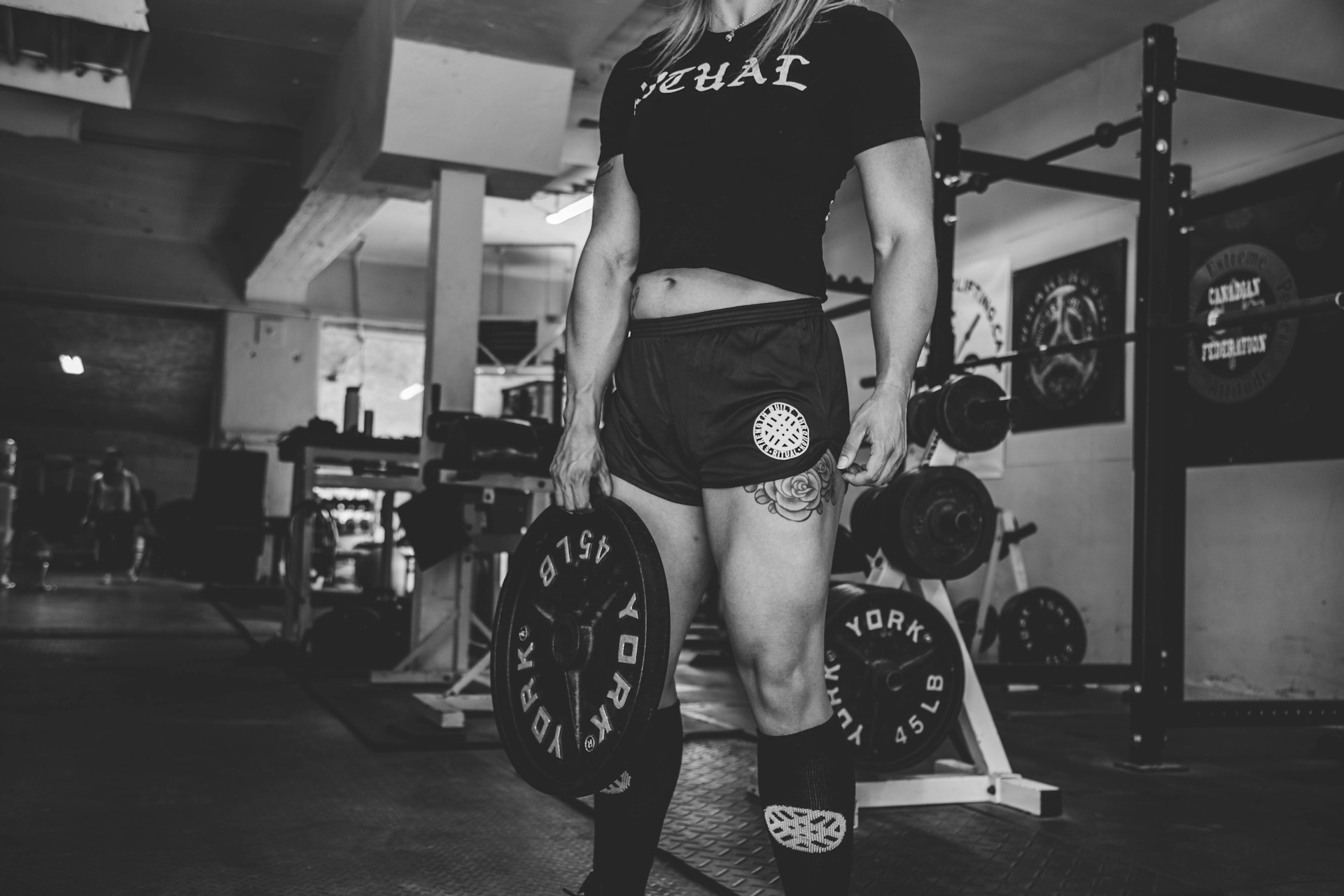


Walk into almost any commercial gym and you will see plenty of back squats, front squats, and leg presses. What you are less likely to see is someone straddling a barbell, gripping it between their legs, and standing up with one foot in front of the other. This unusual lift is the Jefferson squat, sometimes called the Jefferson lift.
At first glance, it looks awkward. However, athletes, strength coaches, and experienced lifters have been using variations of the movement for decades to develop lower body strength, improve hip mobility, and challenge the body in ways that traditional bilateral squats cannot.


The question is whether the Jefferson squat deserves more attention. Is it actually one of the best lower body exercises for building athletic legs, or is it simply an old school curiosity?
The answer lies somewhere in the middle. Scientific evidence suggests the Jefferson squat offers several unique benefits that can complement a well designed strength program. It is unlikely to replace conventional squats for maximal strength development, but it may fill important gaps that other exercises leave behind.
What Is the Jefferson Squat?
The Jefferson squat is a barbell squat performed with the lifter standing over the bar rather than behind it. One foot is placed in front of the bar while the other remains behind it. The athlete squats down, grips the bar with both hands, braces the torso, and stands up.
Unlike conventional squats, the load is positioned between the legs instead of across the shoulders. This changes how forces travel through the hips, knees, spine, and trunk.
The exercise combines elements of a squat, deadlift, and rotational stability drill. While the lift appears asymmetrical, experienced lifters typically alternate which foot is forward to ensure balanced development.
Why Athletic Performance Depends on More Than Strong Legs
Athletic movement rarely occurs perfectly straight ahead. Running, sprinting, jumping, changing direction, tackling, throwing, and even climbing stairs require the body to create and resist rotational forces while producing high levels of force through one leg at a time.
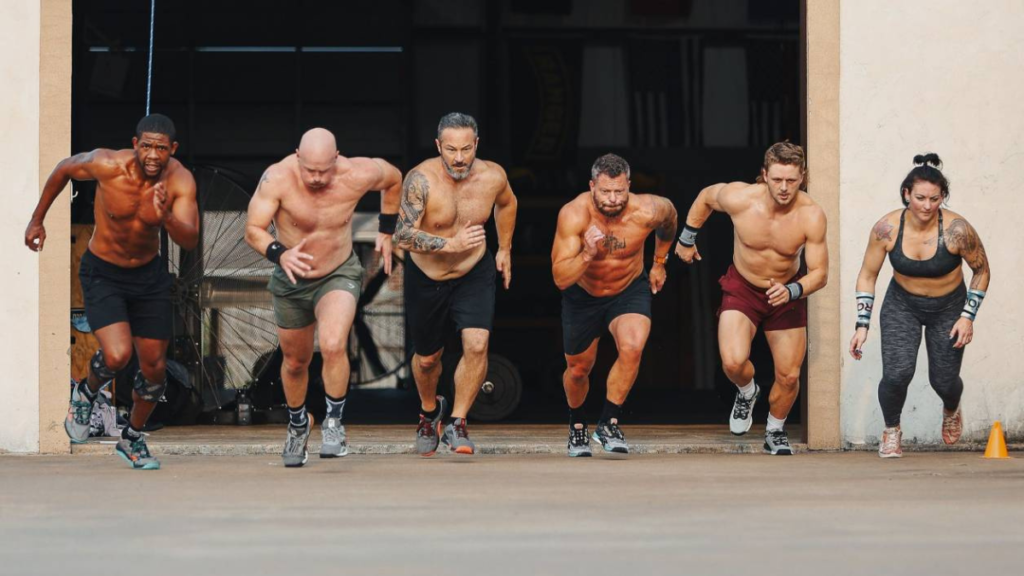
Research consistently shows that athletic performance depends on several physical qualities working together, including maximal strength, rate of force development, balance, mobility, coordination, and trunk stability.
Traditional bilateral squats remain excellent for building lower body strength, but they primarily challenge movement in the sagittal plane. Many sports require athletes to control motion across multiple planes simultaneously.
The Jefferson squat introduces rotational demands while still allowing substantial loading. This makes it an interesting option for athletes seeking more transferable strength.
Muscles Worked During the Jefferson Squat
The Jefferson squat recruits nearly every major muscle in the lower body and trunk. Primary muscles include the quadriceps, gluteus maximus, hamstrings, adductor magnus, and calves. The trunk works especially hard. The obliques, transverse abdominis, rectus abdominis, spinal erectors, quadratus lumborum, and deep stabilizing muscles all contribute to maintaining posture throughout the lift.
The upper back also becomes heavily involved. The traps, rhomboids, and latissimus dorsi stabilize the shoulders while maintaining tension through the arms.
Because the feet remain staggered, each hip contributes differently throughout the lift. This creates unique muscular demands compared to symmetrical squatting patterns.
How the Jefferson Squat Differs From Traditional Squats
Lower Spinal Loading
One of the biggest differences involves spinal compression.
Back squats place the load directly on the shoulders, creating significant compressive forces through the spine. While healthy spines tolerate these forces well when technique is sound, some athletes with shoulder issues or limited mobility struggle to hold the bar comfortably.
3 Best Beginner Exercises for a Wider Back Without Pull-Ups
The Jefferson squat positions the weight below the center of mass. This reduces direct axial loading while still allowing substantial resistance.
That does not mean it is easier on the back. The trunk must actively resist rotational forces throughout the movement, creating significant muscular work for the spinal stabilizers.
Increased Rotational Stability
During every repetition, the body naturally wants to rotate toward one side. The core muscles must prevent this unwanted motion.
Research on trunk stability consistently demonstrates that resisting movement often activates stabilizing muscles more effectively than simply producing movement. Exercises that challenge anti rotation improve coordination between the abdominal muscles and spinal stabilizers. The Jefferson squat essentially combines lower body strength training with anti rotational core training.
Greater Hip Mobility Demands
The staggered stance requires each hip to move through slightly different ranges of motion.
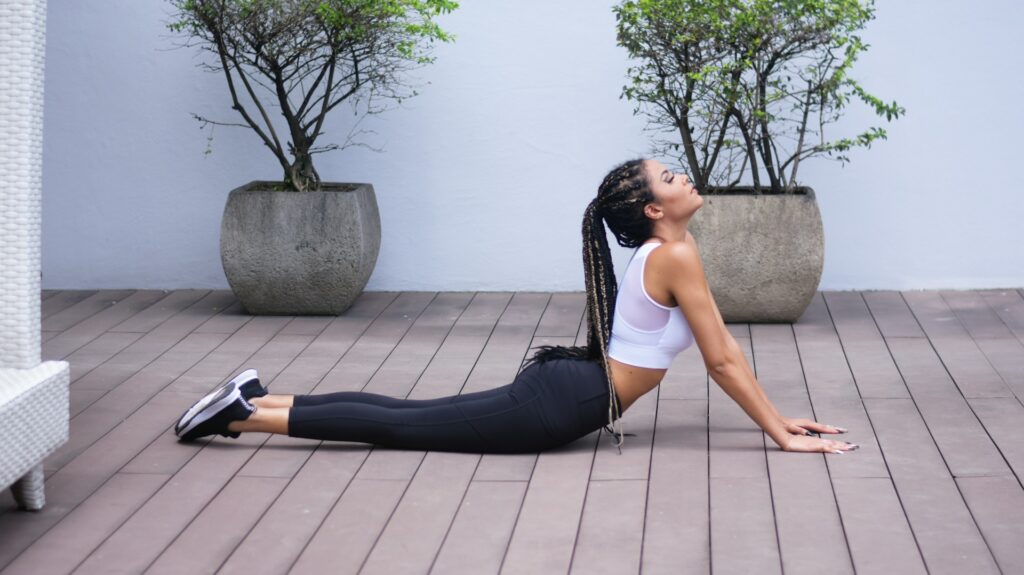
Many athletes naturally develop differences in hip mobility over time. Alternating foot position during Jefferson squats exposes these asymmetries while encouraging balanced movement patterns.
Improved hip mobility has been associated with more efficient movement mechanics and reduced injury risk during athletic activities.
Can the Jefferson Squat Build Muscle?
Absolutely. Muscle growth depends primarily on mechanical tension, sufficient training volume, and progressive overload rather than the specific exercise performed. Research on resistance training consistently shows that multiple exercises can produce similar hypertrophy when training effort and volume are matched.
The Jefferson squat provides significant tension to the quadriceps and glutes while also challenging the adductors, muscles that often receive less direct attention during conventional squats.
The adductor magnus deserves special mention because it acts as a powerful hip extensor during deep squatting movements. Studies have shown high activation of this muscle during loaded squats, making it an important contributor to lower body strength and size. Because the Jefferson squat also requires substantial stabilization, many lifters report greater muscular fatigue throughout the trunk compared with traditional squats.
Can It Improve Athletic Performance?
Force Production
Maximal strength remains one of the strongest predictors of sprinting, jumping, and overall athletic performance. Research has repeatedly shown strong relationships between squat strength and vertical jump height, sprint speed, and change of direction ability. The Jefferson squat allows athletes to build lower body strength while introducing more sport specific stabilization demands.
Unilateral Coordination
Although both feet remain on the floor, the staggered stance shifts loading unevenly across the legs. This creates greater coordination demands than symmetrical squatting. Most sporting movements involve one leg contributing more force than the other. Training with staggered positions may improve neuromuscular coordination that transfers to running and cutting.
Balance and Body Awareness
Maintaining balance throughout the lift requires constant adjustments from the ankles, hips, knees, and trunk. Improved proprioception helps athletes control movement more efficiently under changing conditions.
Studies examining balance training show improvements in motor control, joint stability, and movement efficiency, particularly when exercises challenge stability while producing force.
How to Perform the Jefferson Squat Correctly
- Stand over the center of the bar with one foot in front and one behind.
- Point both feet slightly outward while maintaining comfortable hip alignment.
- Squat down by bending the knees and hips together.
- Grip the bar with one hand facing forward and the other facing backward.
- Brace the abdominal muscles before lifting.
- Drive evenly through both feet while keeping the chest tall and resisting any twisting motion.
- Stand fully upright before lowering the bar under control.
- After completing the desired repetitions, switch foot positions and repeat the same number of repetitions.
- Using relatively light weights while learning technique allows proper movement patterns to develop before progressing.
Common Mistakes
The most common mistake involves allowing the torso to rotate during the lift. The objective is to resist rotation rather than rotate with the load.
Another frequent mistake is placing the feet too far apart. An excessively long stance often reduces power production while increasing stress on the hips. Some lifters also rely too heavily on one leg, turning the movement into an awkward split squat.
Balanced force production should come from both legs throughout the repetition. Rounding the back should also be avoided. The spine should remain neutral while the hips and knees produce the movement.
Who Should Use the Jefferson Squat?
The Jefferson squat works particularly well for athletes involved in field sports, combat sports, rugby, football, basketball, tennis, and functional fitness. It can also benefit experienced recreational lifters seeking exercise variety without sacrificing lower body loading.
Individuals with shoulder limitations may appreciate avoiding the uncomfortable bar position required during back squats. However, complete beginners should first master conventional squat and deadlift mechanics before progressing to more technically demanding variations. Powerlifters focused solely on maximizing squat numbers will usually achieve greater sport specific benefits from conventional squats.
Is the Jefferson Squat the Perfect Lower Body Exercise?
Probably not. There is no single perfect exercise. Traditional back squats remain one of the most effective tools for developing maximal lower body strength. Front squats offer superior upright posture and quadriceps emphasis. Split squats excel for unilateral development.
The Jefferson squat occupies its own valuable niche. It combines strength, stability, mobility, balance, coordination, grip strength, and anti rotational core training within one movement. Scientific evidence supports many of the physical qualities it develops, even though direct research specifically examining the Jefferson squat remains limited.
For athletes who need strength that transfers beyond straight line lifting, the Jefferson squat can become an excellent addition to a comprehensive training program. It may never replace conventional squats, but it can make you stronger, more resilient, and better prepared for the unpredictable demands of real world athletic movement.
Key Takeaways
| Topic | Key Takeaway |
|---|---|
| Main benefit | Builds lower body strength while improving rotational stability and coordination |
| Primary muscles | Quadriceps, glutes, hamstrings, adductors, core, spinal erectors, upper back and grip |
| Athletic value | Challenges balance, anti rotational strength, and multi planar stability |
| Hypertrophy potential | Effective for muscle growth when progressively overloaded |
| Best for | Athletes, experienced lifters, and individuals with shoulder mobility limitations |
| Main limitation | Cannot usually be loaded as heavily as conventional back squats |
| Technique focus | Maintain a neutral spine, resist torso rotation, and alternate lead legs |
| Overall verdict | An excellent accessory lift that complements rather than replaces traditional squats |
References
- Behm, D.G., Drinkwater, E.J., Willardson, J.M. and Cowley, P.M. (2010). Canadian Journal of Applied Physiology. The use of instability to train the core musculature.
- Behm, D.G. and Anderson, K. (2006). Sports Medicine. The role of instability with resistance training.
- Escamilla, R.F. (2001). Medicine and Science in Sports and Exercise. Knee biomechanics of the dynamic squat exercise.
- Haff, G.G. and Triplett, N.T. (2016). Essentials of Strength Training and Conditioning. Human Kinetics.
- McGill, S.M. (2010). Strength and Conditioning Journal. Core training evidence translating to better performance and injury prevention.
- Schoenfeld, B.J. (2010). Journal of Strength and Conditioning Research. The mechanisms of muscle hypertrophy and their application to resistance training.
- Schoenfeld, B.J., Ogborn, D. and Krieger, J.W. (2017). Journal of Strength and Conditioning Research. Dose response relationship between weekly resistance training volume and increases in muscle mass.
- Suchomel, T.J., Nimphius, S. and Stone, M.H. (2016). Sports Medicine. The importance of muscular strength in athletic performance.