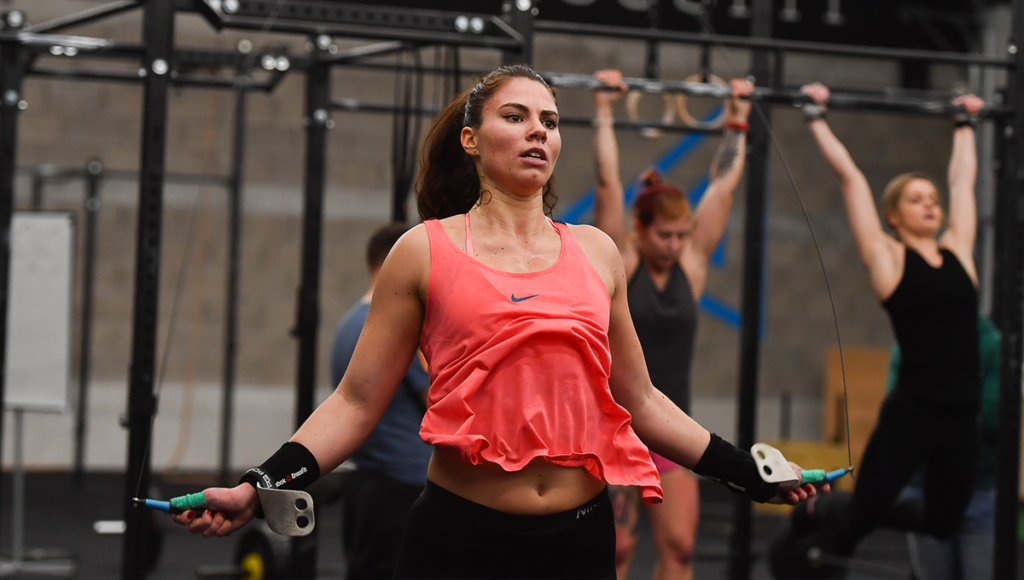


You train consistently, eat well, and push yourself through challenging workouts. Yet some days everything feels unusually difficult. Your pace drops, your heart rate climbs faster than expected, and even familiar exercises seem more exhausting than they should. Many people assume they simply had a bad day, did not sleep enough, or are losing fitness.
However, experts say there is another explanation that often goes unnoticed. You may be starting your workout already dehydrated.


New research suggests this mistake is far more common than most people realize. Scientists found that nearly half of athletes arrived at training sessions already dehydrated, placing themselves at a disadvantage before exercise had even begun. That means many people are making their workouts harder without changing the intensity, duration, or type of training they perform.
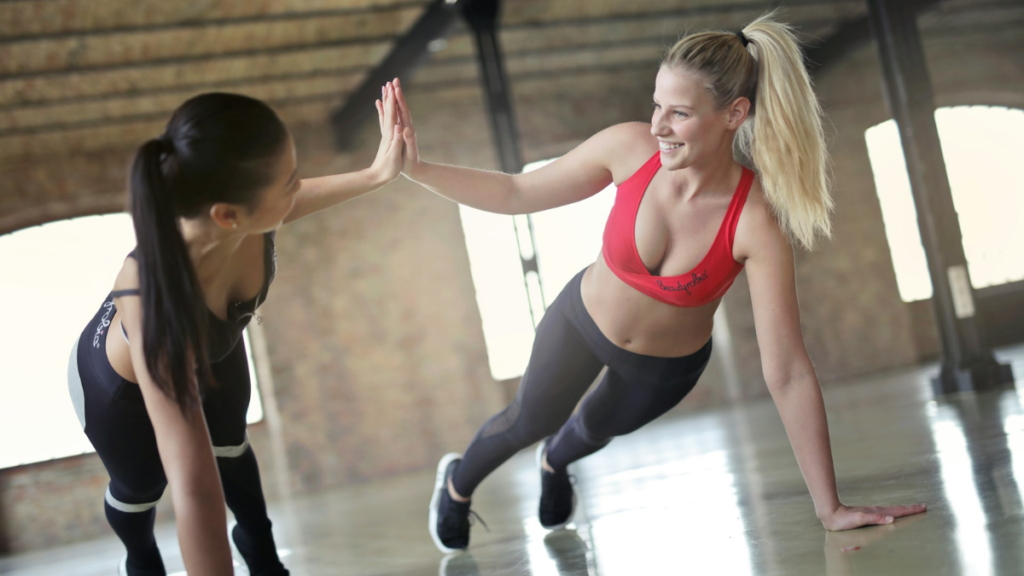
Hydration is about much more than preventing thirst. Water plays a central role in temperature regulation, blood circulation, nutrient transport, and muscle function. Even relatively small losses in body water can reduce physical performance and increase perceived effort.
The latest research also highlights another important issue. Hydration recommendations have traditionally been based on studies involving men, despite growing evidence that women often have different hydration and electrolyte needs. Researchers are now developing more personalized hydration strategies that better account for body size, sweat rate, and physiology.
Here is what the science says about why dehydration makes exercise feel harder and what you can do to avoid it.
Why Starting Hydrated Matters
Your body depends on water to support nearly every system involved in exercise. Blood plasma is largely composed of water, allowing oxygen and nutrients to reach working muscles while removing waste products such as carbon dioxide and metabolic byproducts.
When you begin exercising in a dehydrated state, blood volume is reduced. Your cardiovascular system has to work harder to deliver oxygen throughout the body. As a result, heart rate increases more quickly, perceived exertion rises, and maintaining the same exercise intensity becomes more difficult.

Research consistently shows that dehydration equivalent to approximately 2 percent of body mass can significantly impair endurance performance, increase cardiovascular strain, and reduce exercise capacity. Although highly trained athletes may tolerate some fluid loss better than recreational exercisers, the physiological challenges remain similar.
This means hydration is not simply something to address after training. It begins long before the warm up.
The New Findings That Caught Experts’ Attention
One of the most striking findings comes from Gatorade’s first Body of Science study, which examined hydration and nutrition habits in more than 500 women participating in sports including basketball, soccer, and ice hockey.
Researchers discovered that 43 percent of participants arrived at workouts already dehydrated. In other words, nearly half of the athletes started practice with an avoidable physiological disadvantage.
The study also revealed several additional nutrition challenges. More than half of participants did not consume enough carbohydrates during exercise, while exactly half consumed none at all. Participants also replaced only about 20 percent of their sodium losses during practice, substantially below the approximately 50 percent replacement recommended by the Gatorade Sports Science Institute for prolonged exercise.
These findings suggest that hydration and fueling problems often occur together, potentially magnifying fatigue and reducing training quality. The research is especially important because women remain underrepresented in sports science. According to the investigators, only about 6 percent of sports science research has focused exclusively on women, limiting the evidence used to develop hydration and nutrition recommendations.
To address this gap, researchers developed individualized sweat rate calculations and updated hydration guidance that better reflected differences in body size and physiology.
How Dehydration Makes Exercise Feel Harder
Your Heart Has to Work Harder
One of the earliest effects of dehydration is reduced plasma volume. With less circulating fluid available, your heart must pump faster to maintain blood flow to active muscles. This phenomenon, known as cardiovascular drift, causes heart rate to climb during prolonged exercise even when your pace remains unchanged.
This is one reason runners often notice their heart rate steadily increasing during hot weather despite maintaining a comfortable speed. The result is a workout that simply feels harder.
Your Body Struggles to Stay Cool
Sweating is the body’s primary cooling mechanism. As sweat evaporates from the skin, it removes heat and helps maintain a safe internal temperature. However, if fluid losses are not replaced, sweat production gradually decreases.

Reduced sweating limits heat dissipation, allowing core temperature to rise more quickly. This increases fatigue, reduces endurance, and raises the risk of heat related illness. Even in moderate temperatures, inadequate hydration can impair thermoregulation enough to reduce performance.
Muscles Become Less Efficient
Muscle contraction depends on precise fluid balance inside and outside muscle cells. Water helps transport nutrients, remove waste products, and maintain electrolyte balance. Sodium, potassium, calcium, and magnesium all play important roles in muscle contraction and nerve signaling.
Although dehydration does not automatically cause muscle cramps, insufficient fluid and electrolyte replacement may contribute to impaired muscle function in some individuals, particularly during prolonged exercise involving heavy sweat losses.
Your Brain Feels the Effects Too
Hydration affects mental performance as much as physical performance. Research has shown that mild dehydration can impair concentration, reaction time, mood, and decision making. Athletes may become less focused, slower to react, and more likely to make tactical mistakes.
Many people also report higher ratings of perceived exertion when dehydrated. In simple terms, the same workout feels significantly harder even if objective performance changes only slightly.
Why Sweat Rates Differ So Much
One reason hydration advice has evolved is that people lose dramatically different amounts of sweat.
Some individuals lose less than half a liter per hour during moderate exercise, while others may lose more than two liters per hour under hot conditions. Sweat rate depends on numerous factors including body size, exercise intensity, environmental temperature, humidity, clothing, fitness level, and genetics.
Women also often differ from men in sweat production, body composition, and thermoregulation. Hormonal fluctuations across the menstrual cycle and during menopause may further influence hydration needs in some individuals. Because of these differences, generalized hydration advice may not work equally well for everyone.
The latest research emphasizes individualized hydration plans based on actual sweat losses rather than one size fits all recommendations.
How to Estimate Your Sweat Loss
Sports scientists often estimate sweat rate using a simple before and after exercise body weight measurement.
Weigh yourself immediately before exercise wearing minimal clothing. After completing your workout, towel off sweat and weigh yourself again under similar conditions. Any reduction in body weight primarily reflects fluid loss, assuming bathroom visits and fluid intake during exercise are taken into account.

Over multiple training sessions, this method provides a practical estimate of your personal sweat rate and helps guide more accurate fluid replacement. While laboratory testing provides greater precision, body weight tracking offers a useful starting point for most recreational exercisers.
Hydration Is Not Just About Water
Water replaces fluid losses, but prolonged exercise also results in substantial electrolyte losses through sweat.
Sodium is the primary electrolyte lost during sweating and plays an essential role in maintaining fluid balance, nerve function, and muscle contraction. During shorter workouts lasting less than about one hour, water is usually sufficient for most healthy individuals.
Longer sessions, particularly those involving heavy sweating or hot environments, may benefit from beverages containing sodium and carbohydrates. Carbohydrates serve two important purposes. They provide fuel for working muscles while also improving fluid absorption through the small intestine.
This combination explains why sports drinks are generally more effective than plain water during prolonged endurance exercise.
Thirst Is Helpful but Not Perfect
Many people rely entirely on thirst to decide when to drink. While thirst is an important biological signal, it does not always develop early enough to prevent dehydration during strenuous exercise. Research shows that people can lose meaningful amounts of body water before feeling strongly thirsty, particularly during high intensity activity.
This does not mean everyone should drink excessively. In fact, overhydration can also be dangerous because it may dilute blood sodium levels and lead to exercise associated hyponatremia.
The goal is not to drink as much as possible but to replace fluid losses appropriately based on exercise duration, sweat rate, and environmental conditions.
Practical Strategies to Stay Hydrated
The simplest strategy is to begin every workout well hydrated rather than trying to catch up afterward.
Drinking fluids regularly throughout the day supports normal hydration status before training begins. Urine that appears pale yellow generally indicates adequate hydration for most healthy individuals, although medications, supplements, and certain foods can alter urine color. During longer workouts, drinking according to thirst while considering personal sweat rate is often an effective approach for recreational athletes.
5 Perfect Exercises for Every Beginner that Wants Stronger Shoulders
After exercise, replacing both fluid and sodium losses helps restore hydration more efficiently. Consuming meals containing sodium alongside beverages usually supports recovery without requiring specialized products.
Athletes who regularly complete long endurance events or train in extreme heat may benefit from more structured hydration plans developed with sports nutrition professionals.
The Bigger Picture for Women’s Sports Science
The recent Body of Science research also highlights an important issue extending beyond hydration itself. For decades, sports science has relied heavily on male participants, leading to recommendations that may not always reflect the needs of women athletes.
Differences in body composition, hormone fluctuations, sweat rates, and electrolyte balance all have the potential to influence optimal hydration and fueling strategies. Researchers are increasingly recognizing the importance of developing evidence based recommendations that account for these physiological differences rather than assuming identical responses across populations.
As more women are included in high quality sports science research, hydration guidance is likely to become increasingly individualized and more effective.
The Bottom Line
If your workouts feel harder than expected despite consistent training, dehydration may be one of the first factors worth considering.
The latest evidence suggests many athletes begin exercise already dehydrated, placing unnecessary stress on their cardiovascular system, impairing temperature regulation, increasing fatigue, and making every session feel more demanding.
The solution is not simply drinking more water during exercise. Instead, it involves arriving at training already hydrated, replacing fluids according to individual sweat losses, and considering electrolyte and carbohydrate needs during longer or more demanding sessions.
As sports science continues moving toward personalized hydration recommendations, one message remains remarkably consistent. Starting a workout well hydrated is one of the simplest and most effective ways to support better performance, improve comfort, and get more from every training session.
Key Takeaways
| Topic | Key Message |
|---|---|
| Main mistake | Beginning exercise already dehydrated can make workouts feel significantly harder. |
| New research | Forty three percent of women in the Body of Science study arrived at workouts already dehydrated. |
| Performance effects | Dehydration increases heart rate, fatigue, perceived effort, and heat strain. |
| Individual differences | Sweat rates vary widely, making personalized hydration strategies more effective than universal advice. |
| Electrolytes | Sodium replacement becomes increasingly important during prolonged exercise with heavy sweating. |
| Women’s research | Women remain underrepresented in sports science, highlighting the need for more individualized hydration guidance. |
| Practical advice | Stay hydrated throughout the day, monitor sweat losses, and replace fluids appropriately after exercise. |
References
- American College of Sports Medicine. (2007) Exercise and Fluid Replacement. Medicine & Science in Sports & Exercise, 39(2), pp. 377 to 390.
- Armstrong, L.E., Costill, D.L. and Fink, W.J. (1985) Influence of diuretic induced dehydration on competitive running performance. Medicine & Science in Sports & Exercise, 17(4), pp. 456 to 461.
- Casa, D.J., Clarkson, P.M. and Roberts, W.O. (2005) American College of Sports Medicine Roundtable on Hydration and Physical Activity. Current Sports Medicine Reports, 4(3), pp. 115 to 127.
- Cheuvront, S.N. and Kenefick, R.W. (2014) Dehydration: Physiology, Assessment, and Performance Effects. Comprehensive Physiology, 4(1), pp. 257 to 285.
- Gatorade. (2026) Body of Science Study Reveals Disparities in Women’s Hydration and Nutrition Patterns. Corporate research report.
- Gatorade Sports Science Institute. (2024) Hydration and Electrolyte Replacement Guidelines. Technical guidance document.
- Sawka, M.N., Burke, L.M., Eichner, E.R., Maughan, R.J., Montain, S.J. and Stachenfeld, N.S. (2007) American College of Sports Medicine Position Stand: Exercise and Fluid Replacement. Medicine & Science in Sports & Exercise, 39(2), pp. 377 to 390.
- Shirreffs, S.M. and Sawka, M.N. (2011) Fluid and Electrolyte Needs for Training, Competition, and Recovery. Journal of Sports Sciences, 29(S1), pp. S39 to S46.
- Stachenfeld, N.S. (2014) The Interrelationship of Research on Hydration and Women’s Health. Nutrition Reviews, 72(S2), pp. 73 to 81.