

Building noticeable full body muscle mass does not require secret exercises, complicated supplements, or spending every waking hour in the gym. It requires consistently giving your muscles a reason to adapt, then providing enough food, protein, sleep, and recovery for that adaptation to happen.
Muscle growth, also called hypertrophy, is a gradual process. Resistance training creates the stimulus, while nutrition and recovery support the repair and growth of muscle tissue afterward. The most successful approach is usually not the most extreme one. It is the plan you can execute progressively for months.


These ten evidence based strategies will help you build more muscle across your chest, back, shoulders, arms, legs, and core.
1. Prioritize Big Compound Exercises
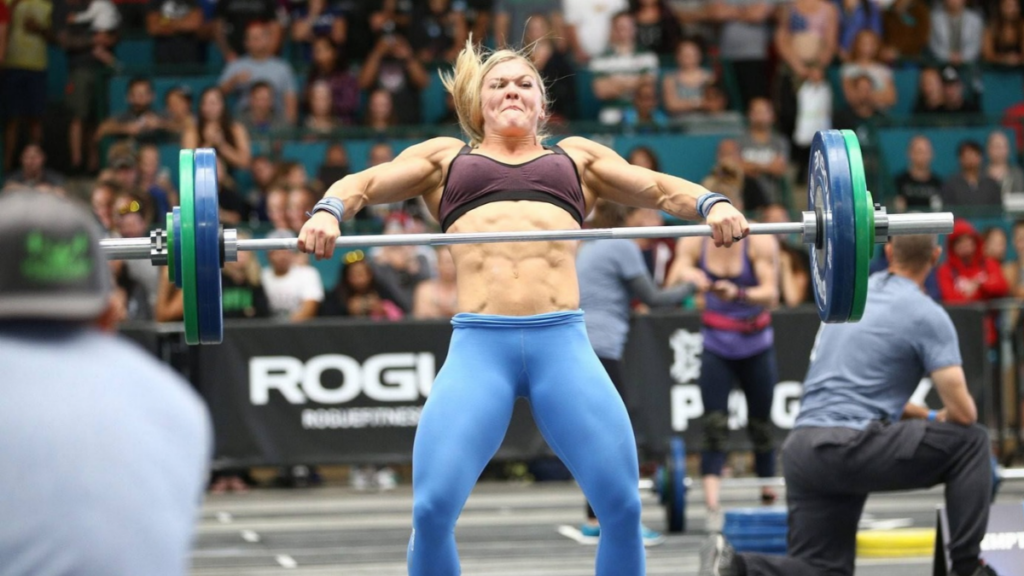
Compound exercises train several muscle groups and joints in one movement. Squats, presses, rows, pull ups, deadlifts, lunges, and loaded carries allow you to place a large amount of muscle under meaningful tension efficiently.
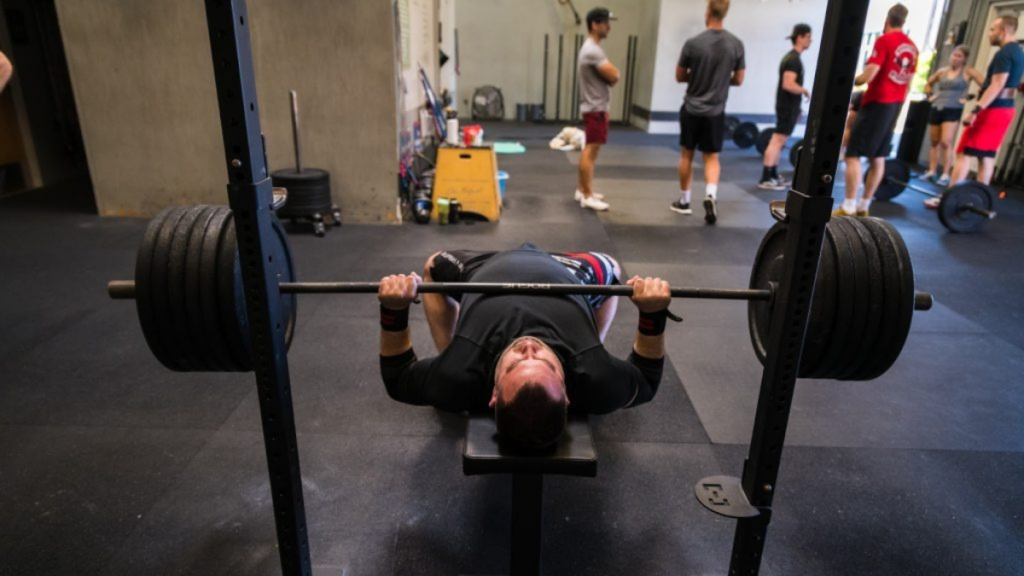
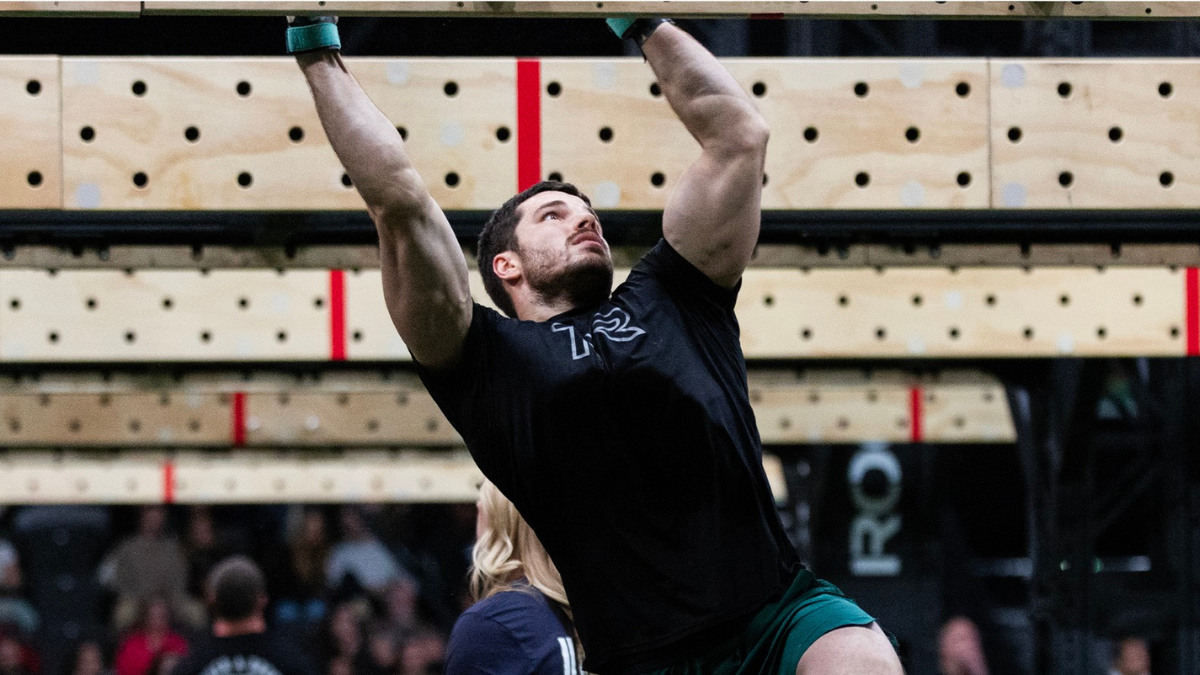
A barbell squat, for example, challenges the quadriceps, glutes, adductors, spinal erectors, and trunk. A bench press trains the chest, front shoulders, and triceps. Pulling movements such as rows and pull ups build the lats, upper back, biceps, and forearms. These exercises are useful because they make it easier to accumulate productive training volume for the entire body.

This does not mean isolation exercises are unnecessary. Curls, lateral raises, leg curls, triceps extensions, and calf raises are valuable for giving smaller muscles direct work. However, compound lifts should form the foundation of a muscle building plan because they provide a strong return on the time and energy you invest.
Build Each Session Around Key Movement Patterns
Aim to include a squat or leg press pattern, a hip hinge or hamstring focused movement, a horizontal press, a vertical press, a horizontal pull, and a vertical pull during your training week. This gives every major muscle group a clear opportunity to grow.
Choose exercises that feel stable, comfortable, and repeatable. You do not need to force yourself to use a barbell if dumbbells, machines, cables, or bodyweight variations let you train hard with better technique.
2. Train Every Muscle Group Often Enough
A muscle can grow from being trained once per week, but spreading weekly work across two or more sessions is often more practical. It allows you to perform high quality sets without allowing fatigue to destroy your technique or effort during a single marathon workout.
For most people, training each major muscle group two times per week is a useful starting point. You might use three full body sessions per week, four upper and lower body sessions, or a push, pull, and legs structure repeated over six days. The best split is the one that fits your schedule and lets you recover.
Strict Press vs Push Press – Which is Better for Stronger Shoulders?
Frequency itself is not magic. Your total number of challenging weekly sets remains the most important variable. Still, dividing those sets over multiple sessions can make it easier to use good form, maintain effort, and steadily add training volume.
A Full Body Plan Can Work Extremely Well
If you train three times per week, a full body routine is an efficient option. Each session can include a lower body exercise, a press, a pull, and one or two targeted movements for muscles you want to develop further.
You do not need to demolish every muscle in every workout. The goal is to provide enough demanding work across the week, then return recovered enough to perform well again.
3. Do Enough Hard Sets Each Week
Training volume is one of the clearest drivers of hypertrophy. In practical terms, volume means the number of challenging sets you perform for a muscle group over the week. More work can produce more growth, but only up to the point where you can recover and continue progressing.
A sensible starting range for many lifters is around 10 challenging sets per muscle group each week. Beginners may grow well on fewer sets, while experienced lifters may need more work for stubborn areas. Rather than leaping to an enormous amount of volume, start at a sustainable level and add work only when progress stalls.
For example, if your chest is not growing, add a few sets of dumbbell presses, cable flyes, or push ups across the week. If your legs need more size, add sets of leg presses, split squats, leg extensions, or hamstring curls. Make small changes, monitor your recovery, and give the adjustment several weeks to work.
Make Your Working Sets Count
A set only helps if it is sufficiently demanding. Finishing every set while feeling capable of doing another 10 repetitions is unlikely to provide the best hypertrophy stimulus. Most working sets should end with roughly one to three repetitions left before technical failure.
This approach lets you train hard enough to stimulate growth without constantly forcing maximal exhaustion. Good technique matters. When your form collapses, the target muscle may no longer be doing the work and injury risk can rise.
4. Progress Your Training Over Time
Your body adapts to repeated training demands. To keep building muscle, you need progressive overload. This means gradually making your training more challenging as you become stronger and more capable.
Adding weight is one way to progress, but it is not the only way. You can add repetitions with the same load, perform an additional set, improve your range of motion, use better control, or reduce excessive rest periods. The key is that the muscle experiences more productive tension over time.
Keep a simple training log. Record the exercise, load, sets, repetitions, and how difficult the final set felt. If you performed three sets of eight repetitions on an exercise this week, aim for three sets of nine repetitions next time. Once you reach the top of your target repetition range, increase the load modestly and build again.
Use a Repeatable Rep Range
For many exercises, a target range of six to 12 repetitions works well, especially for presses, rows, squats, and machine movements. Higher repetitions can also build muscle effectively when the set is performed with enough effort, particularly for isolation exercises and movements that become uncomfortable with very heavy loading.
The important point is not finding one perfect repetition number. It is using a load you can control, training close enough to failure, and making measurable progress over time.
5. Eat in a Small, Consistent Calorie Surplus
Building muscle requires energy. You can gain muscle while maintaining body weight, especially if you are new to resistance training, returning after time away, or carrying higher body fat. However, a modest calorie surplus generally makes the process easier for people who want to maximize muscle gain.
A useful approach is to add a small amount of food to your usual intake and monitor your body weight, gym performance, waist measurement, and progress photos. The aim is to gain gradually, rather than forcing rapid scale weight increases that are more likely to include excess body fat.
A slow rate of gain gives you more time to assess whether your training and nutrition are working. If your body weight has not changed for several weeks and your performance is flat, add a little more food. If weight rises quickly and you feel your waist is increasing faster than your strength, reduce the surplus slightly.
Choose Calorie Dense Foods When Appetite Is Low
Some people struggle to eat enough while training hard. Foods such as rice, pasta, oats, potatoes, whole grain bread, olive oil, nuts, dairy products, fruit, and lean protein sources make it easier to increase calories without relying entirely on highly processed food.
Liquid calories can also help. A smoothie with milk, yogurt, fruit, oats, and protein powder can provide a convenient meal when a large plate of food feels difficult to finish.
6. Hit Your Daily Protein Target
Protein provides the amino acids needed to support muscle protein synthesis after training. Research suggests that daily protein intake of around 1.6 grams per kilogram of body weight is a strong target for maximizing resistance training related gains for many healthy adults.
For a 80 kilogram lifter, this equals around 128 grams of protein per day. You do not need to be perfect every day, but consistently falling far below your target can limit results.

Good options include meat, fish, eggs, Greek yogurt, cottage cheese, milk, soy foods, legumes, and protein powder. Plant based diets can support muscle gain well, but they often require more deliberate meal planning to reach an adequate total protein intake.
Spread Protein Across Your Day
Instead of relying on one enormous protein meal in the evening, include protein in three to five meals or snacks across the day. This makes your target easier to achieve and provides several opportunities to stimulate muscle protein synthesis.
A practical serving often contains around 25 to 40 grams of high quality protein, though larger individuals may benefit from more. What matters most is your total daily intake, followed by consistency.
7. Use a Full Range of Motion You Can Control
Training through a controlled and comfortable range of motion can help you build more muscle. In many exercises, muscles are challenged strongly when they work at longer lengths. Deep squats, controlled presses, rows with a full stretch, and leg curls with a complete range can all be useful when performed safely.
You do not need to chase painful positions or force mobility you do not have. Work within a range that your joints tolerate and that lets the target muscle do the work. If a movement causes sharp pain, change the exercise, adjust the setup, reduce the range temporarily, or speak with a qualified clinician.
Control the lowering phase of each repetition. You do not need to use an exaggeratedly slow tempo, but lowering the weight with intention improves consistency and makes it easier to keep tension in the intended muscle.
8. Give Smaller Muscles Direct Attention
Big lifts create a powerful stimulus, but smaller muscle groups can need direct work to reach their full potential. Your arms, side delts, calves, hamstrings, and upper chest may not receive enough focused volume from compound movements alone.
Add two to four sets of targeted work after your larger exercises. Lateral raises can build shoulder width, curls can add arm size, overhead triceps extensions can train the long head of the triceps, and calf raises can develop the lower legs. Direct hamstring work, such as seated or lying leg curls, is especially useful because knee flexion is not trained fully by squats and hip hinges.
Use stable exercises and focus on feeling the target muscle work. You do not need to turn every isolation movement into a maximal strength test. Moderate loads, controlled repetitions, and hard effort are usually more productive.
9. Sleep Enough to Recover and Perform
Training is the signal for growth, but recovery is where adaptation occurs. Sleep supports physical and mental recovery, helps you train with more energy, and improves your ability to make good nutritional decisions. Persistent sleep restriction can impair muscle protein synthesis and may make it harder to build or retain lean mass.

Aim for at least seven hours of sleep per night, with eight or more hours being a strong goal when you are training hard. Consistency also matters. Going to bed and waking up at similar times can support better sleep quality.
If your sleep is poor, do not assume you need a more complicated supplement stack. Start with basic habits. Keep your bedroom dark and cool, reduce late night screen use where possible, limit caffeine later in the day, and make your training schedule realistic.
Recovery Is More Than Taking Days Off
Rest days are important, but recovery also depends on your total stress load. Work pressure, alcohol intake, insufficient food, excessive cardio, and poor sleep can all affect your ability to train productively. If your performance falls for several sessions, soreness lingers, and motivation disappears, consider reducing training volume for a week before pushing forward again.
10. Be Patient and Judge Progress Properly
Muscle gain is slow enough that it is easy to miss. Your body can look similar from day to day, even while your strength, measurements, and training quality improve over months. Avoid changing your whole plan every time you have one poor workout or a few days without a visible difference.
Track multiple markers. Record your body weight several times per week and compare weekly averages. Measure your arms, chest, thighs, and waist every few weeks. Take progress photos under similar lighting and note whether your key lifts are improving.
The best muscle building plan is built on boring consistency. Train hard, eat enough, get your protein, sleep well, and make small improvements for a long time. Those habits will outperform a constantly changing routine.
Key Takeaways
| Focus | What to Do | Why It Matters |
|---|---|---|
| Exercise selection | Build training around squats, presses, rows, pulls, hinges, and lunges | Compound movements train large amounts of muscle efficiently |
| Weekly frequency | Train each major muscle group around twice per week | Spreading work can improve the quality of your training sets |
| Training volume | Start with roughly 10 hard sets per muscle group weekly | Sufficient weekly volume is a key driver of hypertrophy |
| Effort | Finish most sets with one to three repetitions in reserve | Hard sets provide a stronger growth stimulus while managing fatigue |
| Progression | Add repetitions, load, sets, or better control over time | Muscles adapt when training demands increase gradually |
| Calories | Use a modest surplus if maximum muscle gain is the goal | Extra energy supports training performance and growth |
| Protein | Consume around 1.6 grams per kilogram of body weight daily | Adequate protein supports muscle repair and growth |
| Exercise execution | Use a controlled, comfortable full range of motion | Effective technique helps maintain tension in the target muscle |
| Recovery | Sleep at least seven hours and manage overall stress | Recovery supports training quality and muscle protein synthesis |
| Patience | Track strength, body weight, measurements, and photos | Muscle growth is gradual and needs consistent evaluation |
References
- Aird, T.P., Davies, R.W., Carson, B.P. and Johnston, R.D. (2018) ‘Effects of sleep deprivation on skeletal muscle recovery and exercise performance: A systematic review’, Journal of Science and Medicine in Sport, 21(11), pp. 1128–1134.
- Baz-Valle, E., Fontes-Villalba, M., Santos-Concejero, J. and Balsalobre-Fernández, C. (2022) ‘Total number of sets as a training volume quantification method for muscle hypertrophy: A systematic review’, Journal of Strength and Conditioning Research, 36(3), pp. 594–602.
- Grgic, J., Schoenfeld, B.J., Davies, T.B., Lazinica, B., Krieger, J.W. and Pedisic, Z. (2018) ‘Effect of resistance training frequency on gains in muscular strength: A systematic review and meta analysis’, Sports Medicine, 48(5), pp. 1207–1220.
- Helms, E.R., Aragon, A.A. and Fitschen, P.J. (2014) ‘Evidence based recommendations for natural bodybuilding contest preparation: Nutrition and supplementation’, Journal of the International Society of Sports Nutrition, 11, 20.
- Krieger, J.W. (2010) ‘Single versus multiple sets of resistance exercise for muscle hypertrophy: A meta analysis’, Journal of Strength and Conditioning Research, 24(4), pp. 1150–1159.
- Morton, R.W., Murphy, K.T., McKellar, S.R., Schoenfeld, B.J., Henselmans, M., Helms, E., Aragon, A.A., Devries, M.C., Banfield, L., Krieger, J.W. and Phillips, S.M. (2018) ‘A systematic review, meta analysis and meta regression of the effect of protein supplementation on resistance training induced gains in muscle mass and strength in healthy adults’, British Journal of Sports Medicine, 52(6), pp. 376–384.
- Schoenfeld, B.J., Ogborn, D. and Krieger, J.W. (2016) ‘Effects of resistance training frequency on measures of muscle hypertrophy: A systematic review and meta analysis’, Sports Medicine, 46(11), pp. 1689–1697.
- Schoenfeld, B.J., Ogborn, D. and Krieger, J.W. (2017) ‘Dose response relationship between weekly resistance training volume and increases in muscle mass: A systematic review and meta analysis’, Journal of Sports Sciences, 35(11), pp. 1073–1082.