

Cable flyes and dumbbell flyes are both popular chest isolation exercises. Each trains the pectoralis major through horizontal adduction, meaning you bring your upper arm toward the center of your body. They can both help you build your chest, but they do not challenge the muscle in exactly the same way.
The honest answer is that there is no strong direct long term study showing that cable flyes build more chest muscle than dumbbell flyes, or the reverse. However, research on muscle growth, resistance profiles, training volume, effort, and exercise technique gives us enough information to make a useful decision.


For most people whose main goal is chest hypertrophy, cable flyes are likely the more consistently effective option. They provide meaningful resistance through more of the movement, are easier to adjust, and can be performed with less strain on the shoulder joint. Dumbbell flyes can still be valuable, especially when performed with control and a sensible range of motion, but they are less forgiving and often become very light where the chest is strongest.
The best choice is therefore not about declaring one exercise universally superior. It is about choosing the variation that lets you train your chest hard, safely, consistently, and with progressive overload.
What Actually Builds Chest Muscle?
Muscle growth comes from repeated exposure to challenging resistance training. The most important factors are sufficient weekly training volume, proximity to muscular failure, progressive overload, exercise technique, and recovery. You do not need to use one perfect exercise to grow your chest. You need exercises that allow the chest muscles to experience enough productive tension over time.
Research consistently shows that resistance training can produce hypertrophy across a wide range of loads, provided sets are performed with enough effort. Heavier loads are useful for improving maximal strength, but moderate and lighter loads can also build muscle when taken close enough to failure. This matters because flyes are usually performed with lighter loads than presses.
3 Best Barbell Exercises for a Muscular and More Attractive Upper Body
The pectoralis major is a large fan shaped muscle that contributes strongly to horizontal adduction of the shoulder. It also assists with shoulder flexion and internal rotation, depending on the arm position. A good fly variation should allow you to bring the arms together with control while keeping the chest as the main contributor to the movement.
Neither cable flyes nor dumbbell flyes should replace pressing entirely. Presses such as bench presses, push ups, machine presses, and dumbbell presses usually allow substantially heavier loading and are highly effective chest builders. Flyes work best as a complement to pressing, adding focused chest work with lower triceps involvement.
Dumbbell Flyes Explained
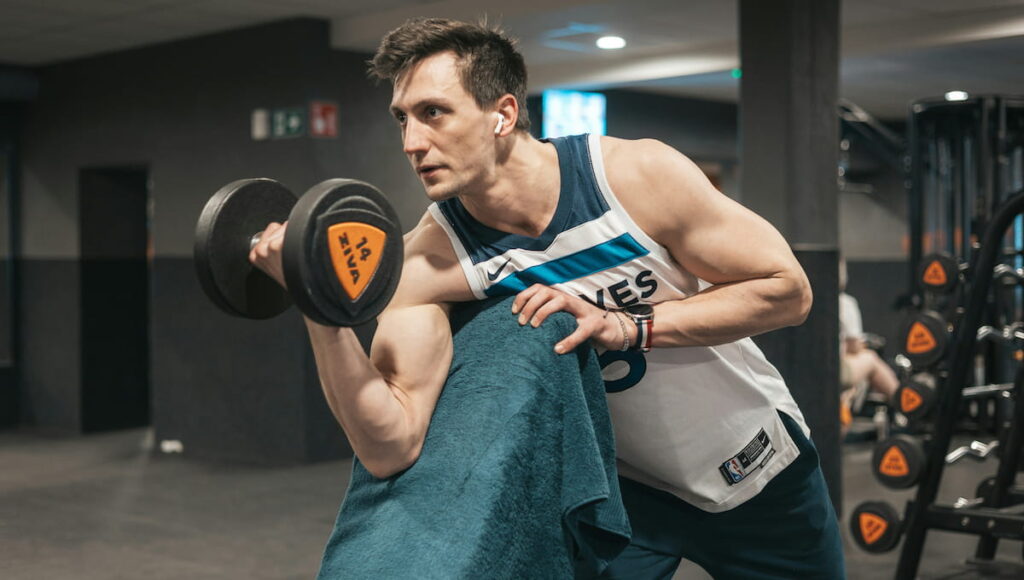
A dumbbell fly is usually performed lying on a flat or incline bench. You hold a dumbbell in each hand with a slight bend in the elbows, lower the weights out to the sides in an arc, then bring them back together above the chest.
Where Dumbbell Flyes Feel Hardest
Dumbbell flyes are most challenging near the bottom of the movement, when the arms are open and the dumbbells are far from the shoulder joint. This is because gravity pulls the dumbbells directly downward, creating a large turning force at the shoulder.
As you bring the dumbbells together above your chest, the line of gravity moves closer to the shoulder joint. The external resistance becomes much lower. At the top, when the dumbbells are directly over the chest, there is very little force trying to pull the arms apart.
This means the chest works hard in the stretched position, but receives less challenge as it contracts and the hands come together. That is not necessarily a bad thing. Training at longer muscle lengths may be especially useful for hypertrophy in some muscles and exercises. However, it does mean that the dumbbell fly has an uneven resistance profile.
Benefits of Dumbbell Flyes
Dumbbell flyes are simple to set up in a basic gym and only require a bench and a pair of dumbbells. They can create a strong stretch sensation across the chest, especially when performed with a controlled lowering phase.
They also allow each arm to move independently. This can help you notice side to side differences in control or shoulder comfort. A slight inward turn of the arms during the lifting phase can make the movement feel more natural for many lifters, although the motion should remain controlled rather than exaggerated.
When used after pressing, dumbbell flyes can be an effective way to add chest volume without needing to load another heavy compound exercise.
Limitations of Dumbbell Flyes
The main downside is that dumbbell flyes can place the shoulder under considerable stress in the bottom position. The arms are open, the lever is long, and the chest is under stretch. If you lower too deeply, use excessive weight, or let the elbows drift too far behind the torso, the front of the shoulder can become uncomfortable.
Many people also choose loads that are too heavy. A dumbbell fly is not a wide armed bench press. The elbows should remain softly bent throughout the set, and the movement should be smooth and controlled. Trying to turn the exercise into a heavy strength test usually shifts stress away from the chest and increases the chance of losing a stable shoulder position.
Cable Flyes Explained
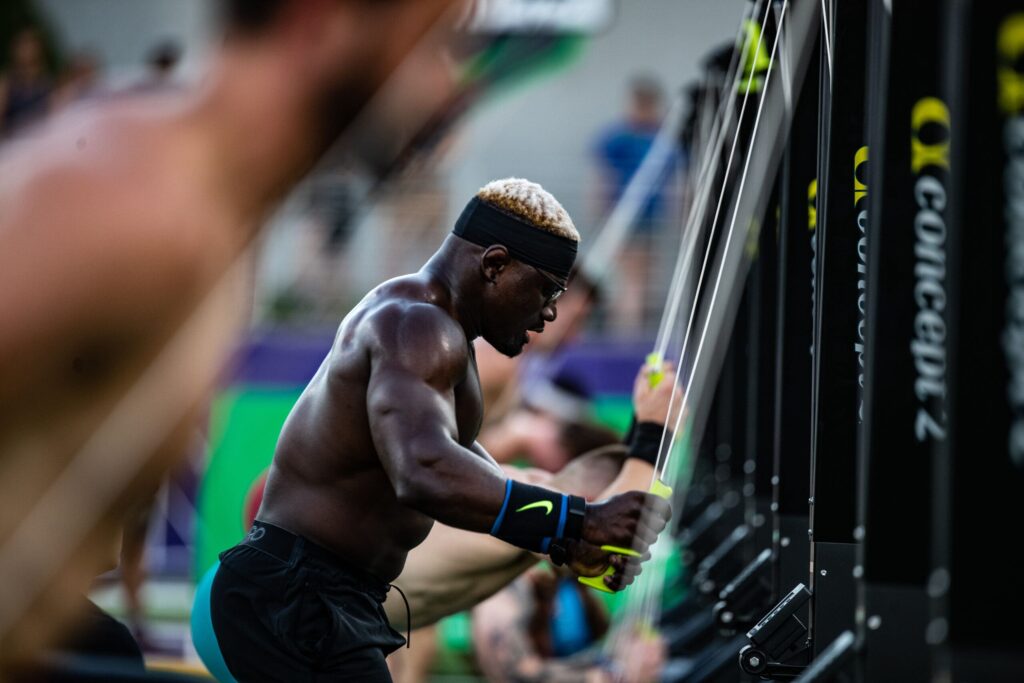
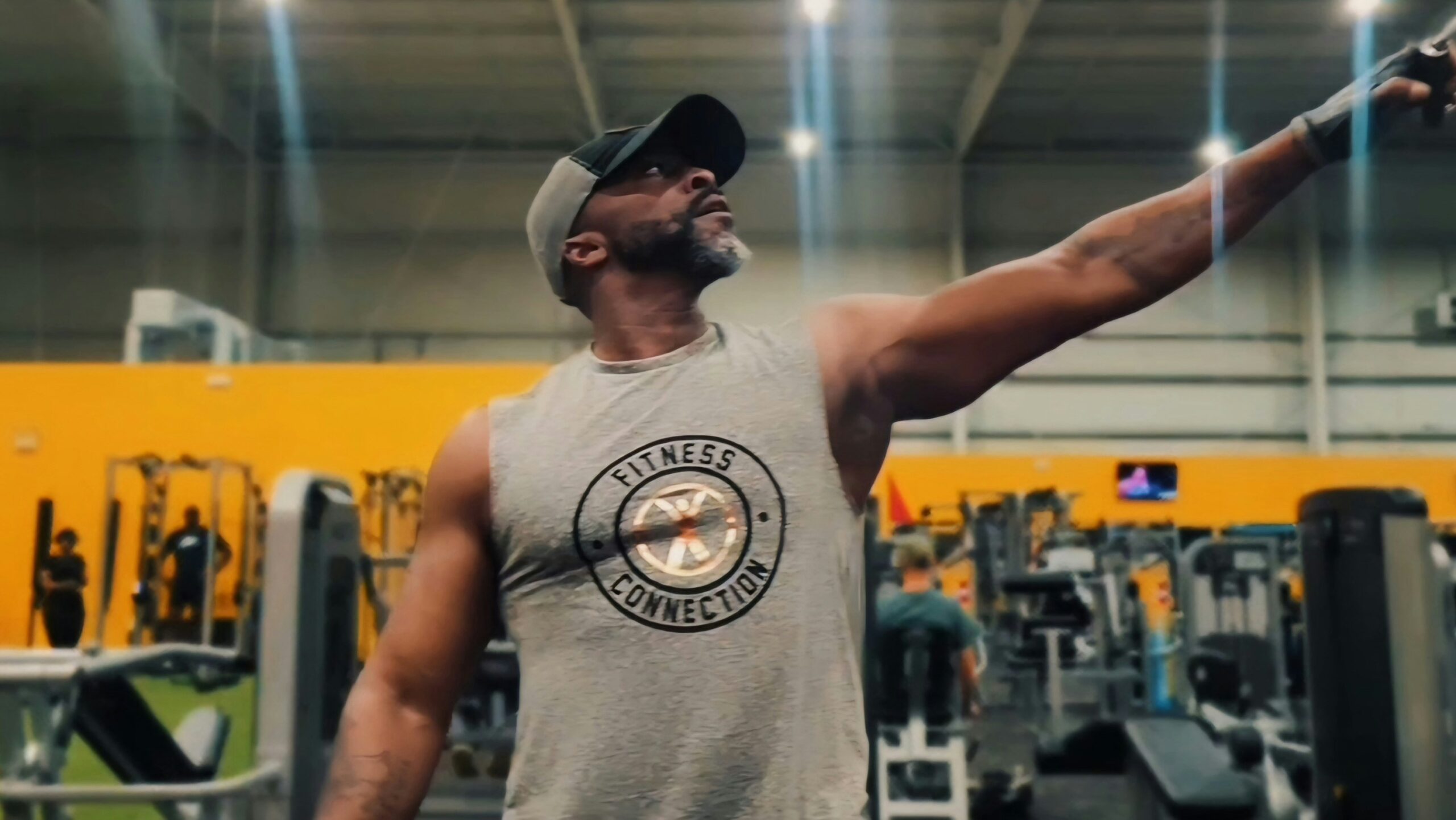
Cable flyes use a cable machine with handles set at a chosen height. You stand between the pulleys, step forward into a stable stance, and bring the handles together in front of your body through an arcing motion.
You can perform cable flyes with the pulleys set high, at chest height, or low. This changes the direction of resistance and can change which portion of the pectoralis major feels most challenged. The basic movement pattern remains the same: bring the upper arms toward the centerline while keeping the shoulders controlled.
Why Cables Create More Consistent Resistance
Unlike a dumbbell, a cable does not rely only on gravity. The resistance comes from the cable pulling your arm toward the pulley. As you bring your hands together, the cable continues to pull them apart.
This creates meaningful resistance through much more of the range of motion. The chest therefore has to work not only in the stretched position, but also when the arms move toward the center and the pecs shorten.
This is one of the strongest practical arguments for cable flyes. The exercise challenges the chest during the part of the movement where dumbbell flyes often become easy. You can also pause briefly when your hands meet, which can help maintain control and avoid using momentum.
Benefits of Cable Flyes
Cable flyes are highly adjustable. You can modify pulley height, body position, handle path, load, and the amount of stretch you use. This makes them easier to personalize than dumbbell flyes.
They are also usually easier to load gradually. Most cable stacks allow small increases in resistance, while dumbbells often increase in larger jumps. Small load increases can be useful when your goal is long term hypertrophy rather than simply moving the heaviest weight possible.
Cable flyes also let you find a line of pull that feels comfortable for your shoulders. Some people prefer a standing chest height fly. Others prefer a low to high path or a high to low path. The best angle is often the one that lets you feel the chest working hard without shoulder discomfort.
Limitations of Cable Flyes
A cable fly requires access to an adjustable cable machine. In a crowded gym, this can make it less convenient than picking up dumbbells and using a bench.
Technique can also become sloppy if the load is too heavy. Lifters sometimes turn the movement into a standing press by bending and extending the elbows, or they swing the torso to move the handles. The goal is not to move the largest stack possible. The goal is to create controlled horizontal adduction of the shoulder while keeping the chest under tension.
Which Exercise Is Better for Muscle Growth?
The Case for Cable Flyes
Cable flyes are likely the better choice for most people pursuing chest hypertrophy because they deliver resistance through a greater portion of the repetition. The chest has to work as the arms open and as they come together. This can make it easier to accumulate high quality reps without having one section of the exercise become almost unloaded.
Cables are also more adaptable. You can choose a path that feels good for your individual shoulder structure, use a manageable load, and train close to muscular failure with a lower risk of losing control at the deepest position.
The ability to apply tension when the chest is shortened does not automatically prove more growth. Muscle hypertrophy is influenced by many factors, and the current evidence does not establish that a cable fly is categorically superior to a dumbbell fly in a direct comparison. Still, from a practical programming perspective, the cable fly gives you a more complete resistance profile.
The Case for Dumbbell Flyes
Dumbbell flyes can still build muscle, particularly when they are performed with lighter loads, a controlled tempo, and a depth that the shoulders tolerate well. They offer a loaded stretch at the bottom of the movement, and growing evidence suggests that training muscles at longer lengths can be an important hypertrophy stimulus.
The problem is not that dumbbell flyes are ineffective. The problem is that they are easier to misuse. They encourage many lifters to lower too deep or use more weight than their shoulders and chest can control. They also provide far less challenge at the top of the movement.
If dumbbell flyes feel good, you can control the stretch, and you have no access to cables, they are a perfectly useful chest accessory. They just demand more restraint than cable flyes.
How to Use Each Exercise for Chest Growth
Cable Fly Technique and Programming
Set the pulleys around chest height to begin. Take one step forward, use a staggered stance, and keep your ribs stacked over your pelvis rather than leaning dramatically forward. Start with your hands slightly behind the line of your body only if your shoulders are comfortable in that position.
Keep a small bend in the elbows and maintain that bend throughout the repetition. Bring your upper arms inward in a smooth arc until your hands meet or nearly meet in front of your chest. Pause briefly, then return slowly until you feel a controlled chest stretch.
Use two to four sets of roughly eight to twenty repetitions. Choose a load that lets you complete the repetitions with clean form while finishing each set close to muscular failure. Most people will get more from a moderate load and excellent control than from a heavier load that forces them to use momentum.
Dumbbell Fly Technique and Programming
Set a bench to flat or a modest incline. Begin with the dumbbells over your chest and your palms facing each other. Keep a gentle elbow bend, then lower the weights in an arc. Stop before your shoulders lose their stable position or before the movement causes discomfort.
Bring the dumbbells back together by squeezing the upper arms toward each other. Avoid locking the elbows hard at the top and avoid smashing the dumbbells together. The movement should feel like a chest exercise from start to finish.
Use lighter loads than you think you need. Two or three sets of eight to fifteen controlled repetitions are enough for most people. Slow the lowering phase, but do not force an extreme stretch. A pain free and repeatable range of motion is more useful than trying to reach the deepest possible position.
The Best Answer for Your Training
Cable flyes are the better overall choice for building chest muscle for most lifters. They offer consistent tension, simple progression, flexible angles, and a controlled way to train close to failure. They are especially useful after bench pressing, machine pressing, or push ups when you want extra chest volume without another heavy compound movement.
Dumbbell flyes remain a useful alternative. They can provide a strong chest stretch and are easy to perform in a home gym or a gym without cable stations. However, they should be treated as a controlled isolation exercise, not a heavy lift. Use modest loads, respect your shoulder comfort, and keep the range of motion sensible.
If you enjoy both exercises and your shoulders tolerate them, use cable flyes as your main fly variation and rotate dumbbell flyes in for variety. Your chest will grow from consistent hard training, enough weekly volume, good technique, and steady progression far more than from obsessing over one exercise label.
Key Takeaways
| Key takeaways |
|---|
| Cable flyes provide resistance through more of the range of motion, including when the chest is strongly shortened. |
| Dumbbell flyes challenge the chest most in the stretched bottom position and become much less demanding near the top. |
| No strong direct long term evidence proves that either exercise produces more chest hypertrophy than the other. |
| Cable flyes are usually easier to adjust, progress, and perform close to muscular failure with controlled technique. |
| Dumbbell flyes can still build chest muscle when performed with lighter loads, a controlled stretch, and a pain free range of motion. |
| Both exercises work best as accessories to pressing movements that allow heavier loading. |
References
- American College of Sports Medicine (2009) ‘American College of Sports Medicine position stand: Progression models in resistance training for healthy adults’, Medicine & Science in Sports & Exercise, 41(3), pp. 687–708.
- Baz-Valle, E., Fontes-Villalba, M., Santos-Concejero, J. and Balsalobre-Fernández, C. (2022) ‘Total number of sets as a training volume quantification method for muscle hypertrophy: A systematic review’, Journal of Strength and Conditioning Research, 36(10), pp. 2923–2930.
- Grgic, J., Schoenfeld, B.J., Orazem, J., Sabol, F., Garofolini, A. and Pedisic, Z. (2022) ‘Effects of resistance training performed to repetition failure or nonfailure on muscular strength and hypertrophy: A systematic review and meta analysis’, Journal of Sport and Health Science, 11(2), pp. 202–211.
- Lasevicius, T., Schoenfeld, B.J., Silva Batista, C., Barros, T.S., Bragança, A., de Souza Junior, E.O., Laurentino, G.C. and Tricoli, V. (2018) ‘Muscle failure promotes greater muscle hypertrophy in low load but not in high load resistance training’, Journal of Strength and Conditioning Research, 36(2), pp. 346–351.
- Pedrosa, G.F., Lima, F.V., Schoenfeld, B.J., Souza, D., Lira, C.A.B. and Gomes, W.A. (2022) ‘The effects of resistance training performed at different range of motion on muscular adaptations: A systematic review and meta analysis’, Scandinavian Journal of Medicine & Science in Sports, 32(8), pp. 1139–1156.