

Your thirties are an excellent time to take upper body strength seriously. You may still feel much the same as you did in your twenties, but strength and muscle mass do not remain unchanged without regular training. The good news is that adults can build meaningful strength at virtually any age when they train consistently, use enough resistance, and recover well.
You do not need to chase elite lifting numbers to be strong. You do, however, need a few clear markers that tell you whether your training is improving the qualities that matter. Upper body strength supports everyday tasks, improves sporting performance, helps preserve muscle as you get older, and makes it easier to train hard without feeling fragile.


Three numbers give you a useful overview: your push up score, your pull up score, and your bench press relative to body weight. Together, they test pressing strength, pulling strength, muscular endurance, coordination, and your ability to control your own body.
5 Best Barbell Exercises for Beginners to Build Full Body Muscle Fast
These are not medical tests, and they are not a reason to compare yourself harshly with someone who has a different body size, injury history, or training background. They are practical checkpoints. Know where you are now, improve your technique, and give yourself a realistic target to work toward.
Why Upper Body Strength Matters After 30
Strength is not only about appearance or gym performance. It is a physical capacity that makes daily movement easier and gives you more reserve when life demands it. Carrying bags, lifting children, moving furniture, getting up from the floor, and participating in sports all require the ability to produce and control force.
Muscle strength and muscle mass tend to decline progressively with age, particularly when people become less active. Resistance training can slow this decline and substantially improve strength in adults across a wide age range. Regular strength training also supports bone health, physical function, and metabolic health.
Your thirties are the right time to build a strong foundation because the habits you establish now are likely to shape how capable you feel later. A strong upper body will not prevent every injury or guarantee long term health, but it provides a valuable physical base for an active life.
The goal is not to test yourself constantly. The goal is to train enough to make these numbers improve over months and years.
Number One: Your Push Up Score
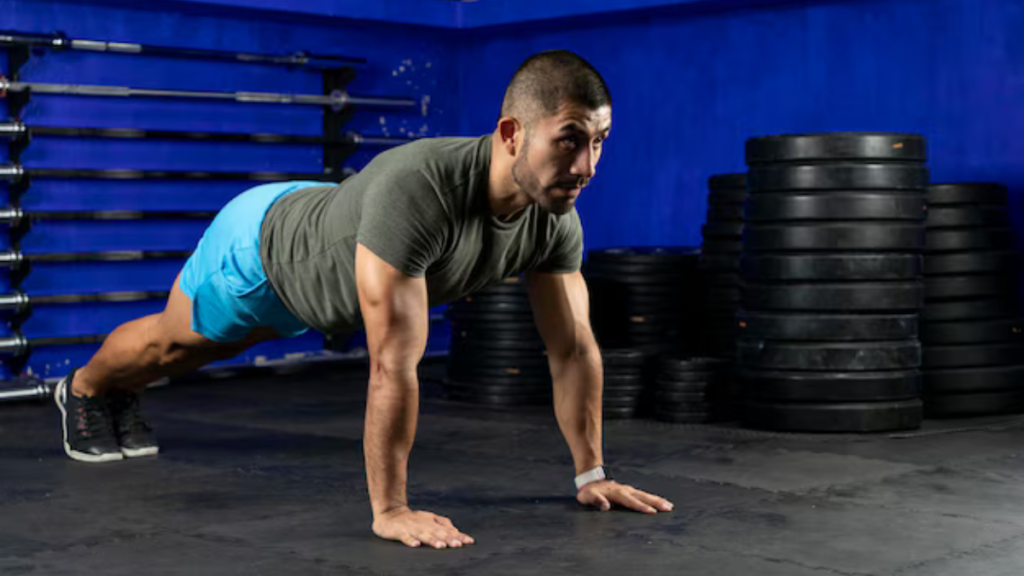
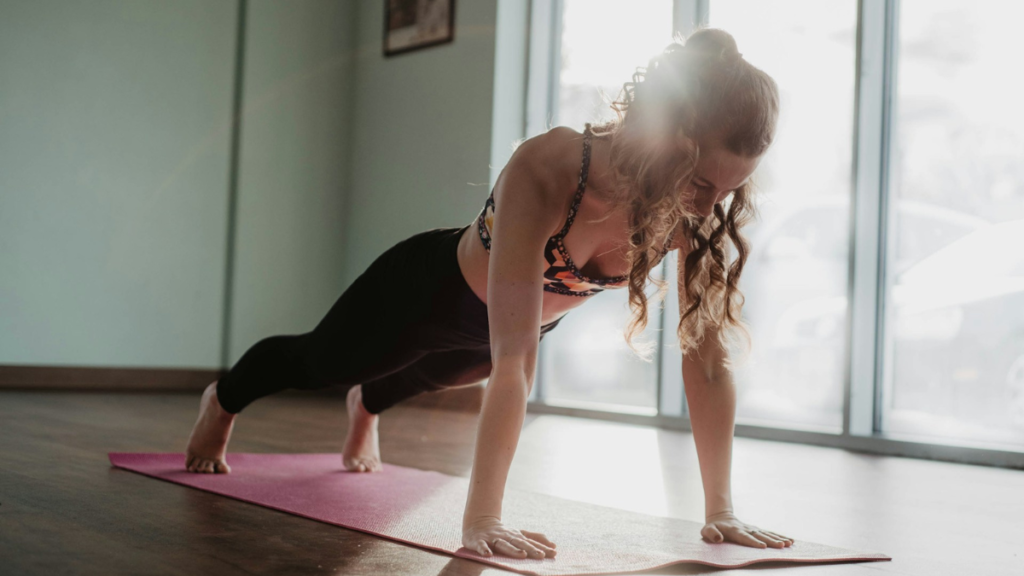
The push up is one of the most useful upper body tests because it requires you to move a large percentage of your body weight while keeping your trunk stable. It trains and tests the chest, triceps, front of the shoulders, and several muscles that resist movement through the torso and shoulder blades.
A push up is also easy to repeat. You do not need a gym membership, expensive equipment, or a complicated setup. That makes it a useful benchmark for anyone aged 30 and over.
The Target
A good general target is to perform 20 controlled floor push ups in one uninterrupted set. Reaching 30 or more high quality repetitions is a strong result for most recreationally active adults. If you can complete fewer than 10 clean repetitions, that is not a failure. It is simply a clear training opportunity.
The number only counts if the repetitions are consistent. Start in a straight body position with your hands under or slightly outside shoulder width. Lower your chest toward the floor under control, then press until your elbows are straight. Keep your hips from sagging and avoid shortening the range of motion as you fatigue.
Men and women have different average upper body strength levels, body mass distributions, and training histories, so identical scores should not be expected. The most useful comparison is with your own previous performance. If you move from six clean push ups to 15, your pressing strength and endurance have improved substantially.
Why This Number Is Worth Knowing
Push ups are not merely a chest exercise. They involve coordinated force production through the shoulders and elbows while the trunk resists extension. Research comparing push ups with bench pressing has shown that push ups can create high muscle activation in the chest and triceps when performed with sufficient load and appropriate technique.
A large observational study of active adult men found that higher push up capacity was associated with a lower incidence of cardiovascular events. This does not mean that push ups alone protect your heart. People who can perform more push ups may also have better overall fitness, lower body fat, healthier lifestyles, or other advantages. Still, it shows that this simple movement can be a useful marker of broad physical capacity.
How to Improve It
If you are below 10 repetitions, begin with incline push ups using a stable bench, box, or bar. The higher the surface, the easier the movement becomes. Gradually lower the height as you become stronger.
If you can already perform 10 to 20 repetitions, build volume across several sets. For example, perform four sets that stop one or two repetitions before technical failure. Train the movement two or three times per week, and add a repetition whenever your form remains consistent.
If you have passed 30 clean repetitions, make the movement harder rather than endlessly chasing higher numbers. Slow the lowering phase, elevate your feet, add a weighted vest, or use a resistance band. Progressive overload remains important even when using body weight exercises.
Number Two: Your Pull Up Score
The pull up is a demanding test of upper body pulling strength. It challenges the latissimus dorsi, biceps, forearms, upper back, and muscles that control the shoulder blades. It also requires grip strength and the ability to move your full body weight.
For many people, this is the hardest of the three numbers. That is precisely why it is worth tracking. Modern life often includes far more pressing than pulling. We push doors, press weights, work at laptops, and spend long periods with the arms in front of the body. Deliberate pulling training helps balance a program and builds the back, arms, and grip.
The Target
A useful target for most adults aged 30 and over is five strict pull ups. Reaching 10 strict repetitions is an excellent benchmark for a recreational trainee, while 15 or more is a very strong score.
Use an overhand grip with the hands roughly shoulder width apart. Begin from a controlled hang with the elbows straight, then pull until your chin clearly rises above the bar. Lower with control until you return to the starting position. Avoid kicking the legs, using momentum, or reducing the range of motion to claim extra repetitions.
If strict pull ups are currently out of reach, use an assisted pull up machine, resistance band assistance, or slow lowering repetitions. You can also develop the same broad pattern with lat pulldowns, chest supported rows, and cable rows while you build the strength needed to move your full body weight.
Why This Number Is Worth Knowing
Pull ups are challenging because the load rises with body mass. A person may have strong back muscles but still find the movement difficult if they have a larger body size or have not practiced the skill. This is why the pull up should be treated as a relative strength measure rather than a pure test of muscle size.
Vertical pulling exercises train the muscles that draw the upper arm downward and help control the shoulder blade. Rows and pulldowns can build the strength needed for pull ups, particularly when combined with regular practice of the full movement. Resistance training research consistently shows that strength gains are specific to the movements and loads that you train, so practicing pull ups or their close variations matters.
Five strict pull ups demonstrate useful relative pulling strength. They are not a minimum requirement for health, and some people with shoulder pain or limited mobility may be better served by pulldowns and rows. The point is to develop strong, pain free pulling capacity in a form that suits your body.
How to Improve It
Train pulling movements two or three times each week. Begin every pull up session with the variation closest to your current ability. This could be assisted pull ups, band assisted repetitions, or controlled negatives.
For negatives, step onto a box so your chin begins above the bar. Lower yourself slowly for three to five seconds. Perform several low repetition sets and stop before your technique deteriorates.
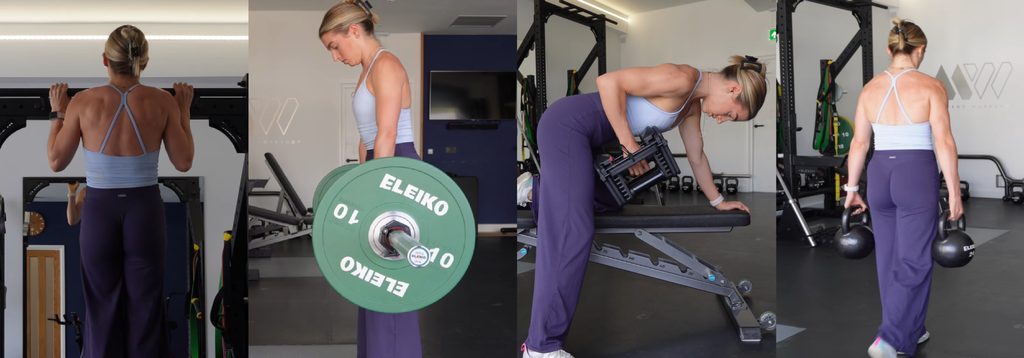
Add horizontal pulling work as well. Rows build the upper back and help strengthen the muscles that stabilize the shoulder blade. Grip training can also help because a weak grip may end a set before the larger back muscles are properly challenged.
Number Three: Your Bench Press Relative to Body Weight
The bench press is one of the most recognizable measures of upper body strength. It tests pressing force through the chest, triceps, and shoulders while allowing more external load than a push up. It is also straightforward to progress because small weight increases can be added over time.
Absolute weight matters less than the relationship between the load and your body weight. A 70 kilogram person pressing 70 kilograms and a 100 kilogram person pressing 100 kilograms have both reached a body weight bench press, even though the barbell loads are different.
The Target
For a healthy adult who has learned safe barbell technique, a sensible long term target is a one repetition maximum equal to body weight for men and approximately three quarters of body weight for women. These are useful recreational benchmarks, not universal standards.
If you are new to resistance training, do not rush to test a true one repetition maximum. A safer approach is to use a weight you can lift for five to 10 controlled repetitions. As a rough guide, pressing your body weight for five repetitions indicates a higher level of strength than pressing it once, but exact conversions vary between individuals.
The bench press requires good setup and a competent spotter when you work close to your limit. Keep your feet firmly on the floor, keep the upper back stable on the bench, and lower the bar with control to the lower chest area. Press the bar upward without allowing the shoulders to roll forward.
Why This Number Is Worth Knowing
The bench press measures the ability to produce high force in a horizontal pressing movement. It is valuable because it can be progressively loaded and tracked precisely. In contrast to a push up, the bench press lets you increase resistance without needing to alter body weight or perform very high repetition sets.
Research shows that resistance training improves muscular strength across a broad range of populations. Strength gains are driven by a combination of muscle adaptation and improved neural coordination, especially when people consistently train the movements they want to improve. Programs using multiple sets, sufficient effort, and progressive loading generally produce reliable strength gains.
Bench pressing should not be your only upper body exercise. A complete routine also needs pulling movements, shoulder work, and sensible attention to technique. However, knowing your relative bench press gives you a clear picture of your horizontal pressing strength.
How to Improve It
Bench press two times per week if it is a priority. On one day, use moderate repetitions, such as three to five sets of five to eight repetitions. On the second day, use slightly lighter work for six to 12 repetitions, focusing on consistent technique.
Increase the load gradually when you can complete all planned repetitions without losing control of the bar. Small increases are often more sustainable than large jumps. Add rows, pulldowns, and rear shoulder work to support balanced shoulder development and maintain a strong upper back.
Recovery matters. Aim for regular sleep, adequate calories if you want to gain strength and muscle, and enough protein across the day. Protein intake can support gains in lean mass and strength when combined with resistance training, although food quality, total energy intake, training quality, and consistency all matter.
How to Use These Numbers Without Becoming Obsessed
Test your push ups, pull ups, and bench press every eight to 12 weeks rather than every week. Testing too often can turn useful feedback into pressure, and it can take attention away from the training that actually creates progress.
Record your results, the body weight you tested at, and any relevant details such as hand position, assistance used, or range of motion. This makes your results more useful because you can compare like with like.
You do not need to be equally strong in all three movements. Some people will naturally find pressing easier, while others will excel at pulling. The real aim is to avoid major gaps and build a body that can push, pull, and control meaningful resistance.
If you are aged 30 or older and currently below the suggested targets, start where you are. A well structured program can produce striking improvements within a few months. If you already exceed them, keep building strength with harder variations, heavier loads, and better technique.
The three numbers that matter most are not someone else’s score, a social media claim, or a lifting standard built for a different person. They are your current number, your next realistic target, and the progress you make through consistent training.
Key Takeaways
| Strength number | Useful target | What it tells you | Simple next step |
|---|---|---|---|
| Strict push ups | 20 controlled repetitions | Horizontal pressing endurance, trunk control, and relative strength | Use incline push ups or add slow, controlled repetitions |
| Strict pull ups | 5 controlled repetitions | Vertical pulling strength, grip strength, and body weight control | Use assisted pull ups, negatives, pulldowns, and rows |
| Bench press | Men: body weight for one repetition. Women: three quarters of body weight for one repetition | Heavy horizontal pressing strength | Train the bench press twice weekly and progress gradually |
References
- American College of Sports Medicine (2009) ‘American College of Sports Medicine position stand: Progression models in resistance training for healthy adults’, Medicine and Science in Sports and Exercise, 41(3), pp. 687 to 708.
- Calatayud, J., Borreani, S., Colado, J.C., Martin, F., Flandez, J., Page, P. and Andersen, L.L. (2015) ‘Bench press and push up at comparable levels of muscle activity results in similar strength gains’, Journal of Strength and Conditioning Research, 29(1), pp. 246 to 253.
- Church, T.S., Earnest, C.P., Skinner, J.S. and Blair, S.N. (2007) ‘Effects of different doses of physical activity on cardiorespiratory fitness among sedentary, overweight or obese postmenopausal women with elevated blood pressure’, JAMA, 297(19), pp. 2081 to 2091.
- Grgic, J., Schoenfeld, B.J., Davies, T.B., Lazinica, B., Krieger, J.W. and Pedisic, Z. (2018) ‘Effect of resistance training frequency on gains in muscular strength: A systematic review and meta analysis’, Sports Medicine, 48(5), pp. 1207 to 1220.
- Kotarsky, C.J., Christensen, B.K., Miller, J.S. and Hackney, K.J. (2018) ‘Effect of progressive calisthenic push up training on muscle strength and thickness’, Journal of Strength and Conditioning Research, 32(3), pp. 651 to 659.
- McPhee, J.S., French, D.P., Jackson, D., Nazroo, J., Pendleton, N. and Degens, H. (2016) ‘Physical activity in older age: Perspectives for healthy ageing and frailty’, Biogerontology, 17(3), pp. 567 to 580.
- Morton, R.W., Murphy, K.T., McKellar, S.R., Schoenfeld, B.J., Henselmans, M., Helms, E., Aragon, A.A., Devries, M.C., Banfield, L., Krieger, J.W. and Phillips, S.M. (2018) ‘A systematic review, meta analysis and meta regression of the effect of protein supplementation on resistance training induced gains in muscle mass and strength in healthy adults’, British Journal of Sports Medicine, 52(6), pp. 376 to 384.