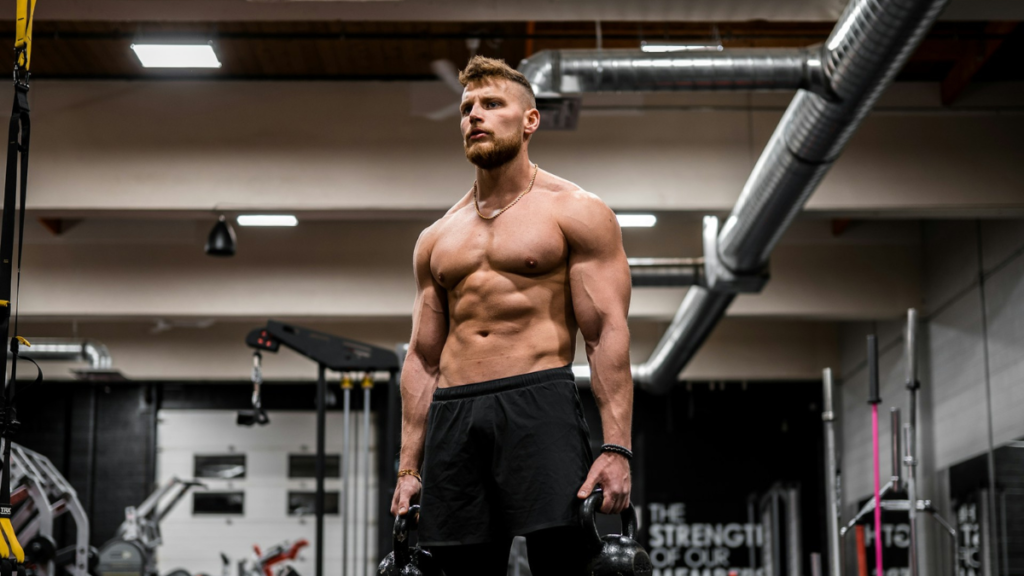


A wider, more muscular chest can dramatically change the way your upper body looks. It makes the shoulders appear broader, gives the torso more presence from the front, and adds thickness to shirts, jackets, and T shirts. However, it is important to be clear about what training can and cannot do. You cannot change the width of your rib cage or collarbones through exercise. What you can do is build more muscle across the chest, particularly through the pectoralis major, to create a fuller and visually wider appearance.
The pecs are large muscles with fibers that run in different directions. That is why relying on one pressing movement is rarely the best long term plan. A good chest routine should include a heavy press for progressive overload, a movement that challenges the muscle in a stretched position, and an exercise that lets you train hard with stable technique.


The three exercises below cover those jobs extremely well. They are practical, effective, and suitable for most lifters who want to build a stronger, more impressive chest.
What Makes the Chest Look Wider?
The pectoralis major is the main muscle of the chest. It attaches across the sternum, ribs, and collarbone, then inserts into the upper arm. It helps bring the arm toward the body, move it across the torso, and assist with pressing actions.
Because of its structure, you cannot isolate an inner or outer chest in the way many gym programs suggest. The muscle either grows or it does not. Still, exercise selection, range of motion, technique, and training volume can influence how much stimulus the pecs receive during a workout.
3 Best Beginner Glutes Exercises with Dumbbells (Get Super Strong Now!)
Building more muscle through the full length of the pecs makes the chest look fuller from the front. Adding size to the chest also improves the contrast between the torso and waist, particularly when combined with strong shoulders, upper back, and sensible nutrition.
Research consistently shows that resistance training increases muscle size when it provides enough effort, volume, and progressive overload. Both heavier and lighter loads can build muscle effectively when sets are performed close enough to muscular failure. The key is not finding a magical exercise. It is using effective exercises consistently, executing them well, and gradually asking your muscles to do more over time.
1. Barbell Bench Press
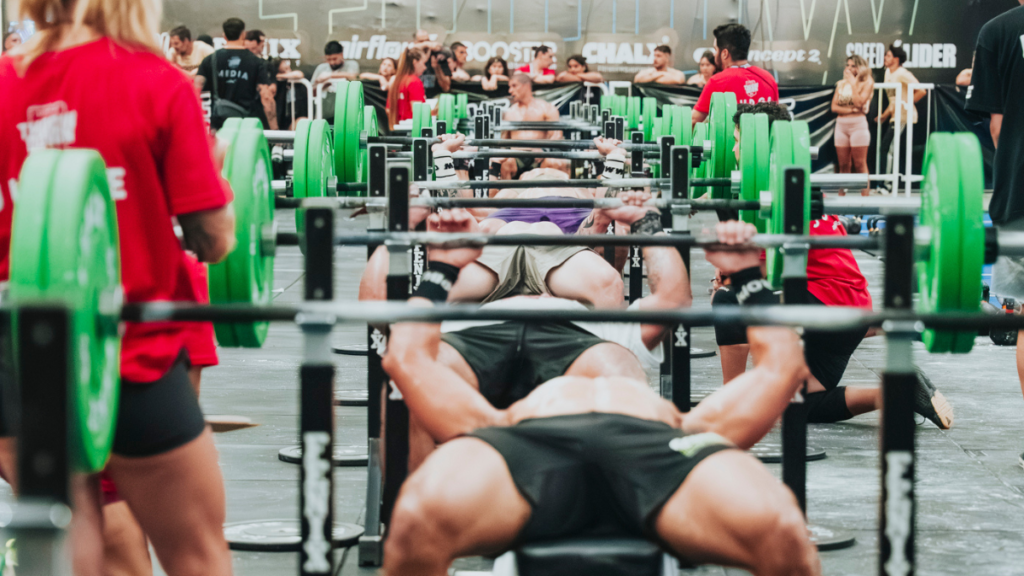
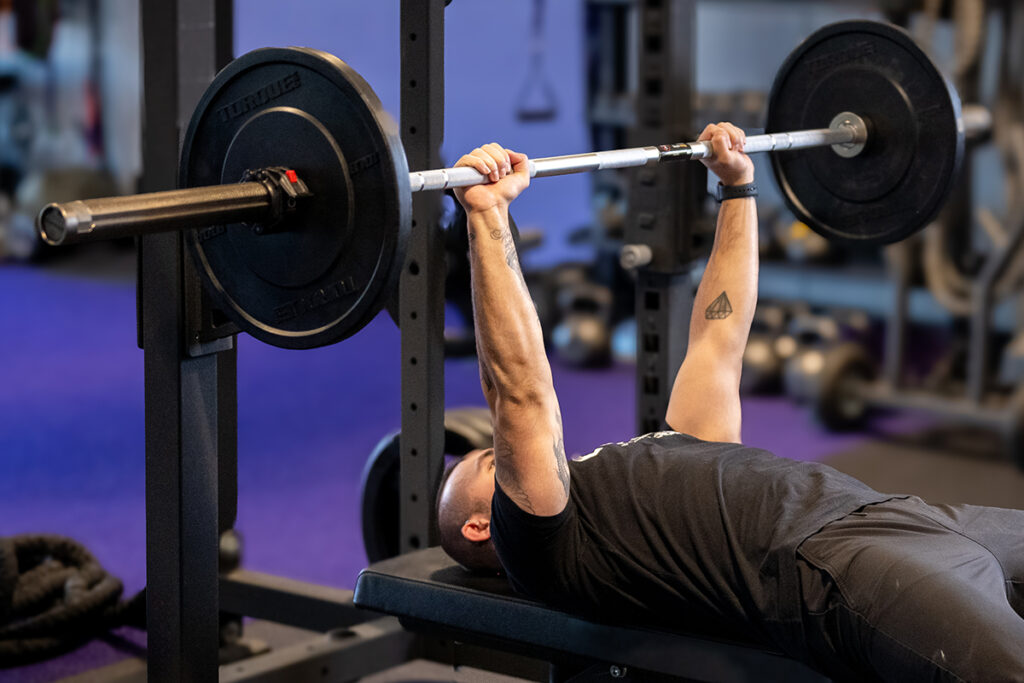
The barbell bench press is one of the most effective chest building exercises ever created. It allows you to use substantial loads, track your progress clearly, and train the chest, triceps, and front delts in a coordinated pressing pattern.
For many people, the bench press should be the foundation of chest training. It is not the only exercise you need, but it gives you a reliable way to build strength and add mechanical tension to the pecs.
Why the Barbell Bench Press Builds Muscular Pecs
Mechanical tension is one of the primary drivers of muscle growth. When your pecs must produce force against a challenging load, they receive a strong reason to adapt. The barbell bench press makes progressive overload straightforward. You can add a small amount of weight, complete more repetitions with the same load, improve control, or perform an additional productive set.
Studies comparing resistance training methods have repeatedly shown that muscle can grow across a range of loading zones when training effort and total work are appropriate. The bench press is especially useful because it lets you apply that principle with stable, measurable progression.
It also trains the chest through a meaningful range of motion when performed properly. Lowering the bar under control gives the pecs time under tension, while pressing back to the starting position develops force through the movement.
How to Perform It
Lie on the bench with your eyes roughly below the bar. Place your feet firmly on the floor, create a small natural arch through the lower back, and pull your shoulder blades gently down and back. This creates a stable base from which the chest can press.
Grip the bar slightly wider than shoulder width for most people. Lower the bar with control toward the lower portion of your chest. Keep your elbows at a comfortable angle rather than flaring them directly out to the sides. Press the bar upward and slightly back toward the starting position.
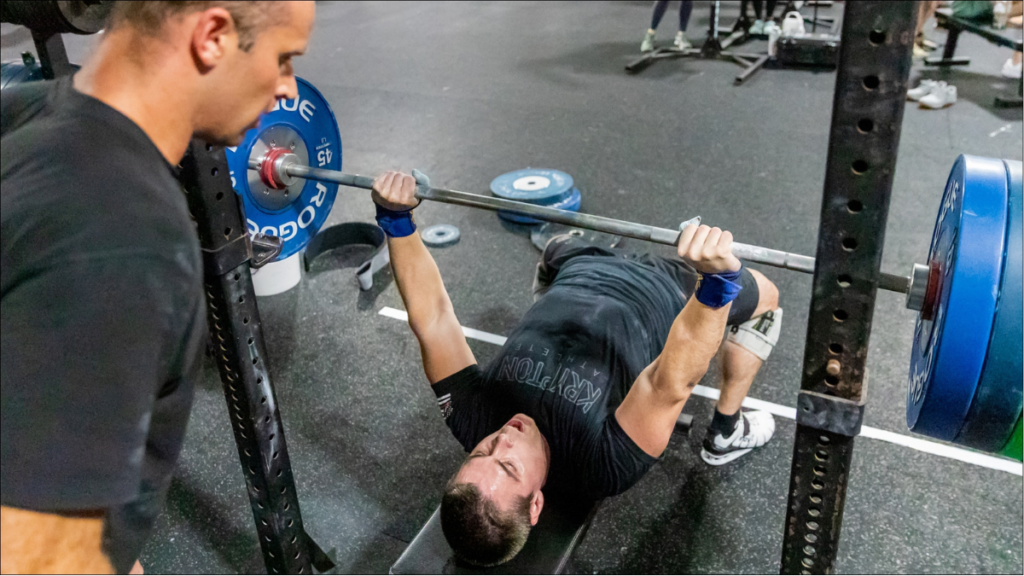
The goal is not to turn every repetition into a maximal strength test. Use a load you can control, keep the bar path consistent, and make the pecs do the work.
Sets, Reps, and Progression
For chest growth, three to five working sets of six to 10 repetitions work well for many lifters. Stop most sets with roughly one to three repetitions still possible with good form. This allows you to train hard without making every session unnecessarily exhausting.
Once you can complete the top end of your chosen repetition range for all working sets, add a small amount of weight. This simple progression can work for months when recovery, nutrition, and technique remain solid.
2. Cable Chest Fly
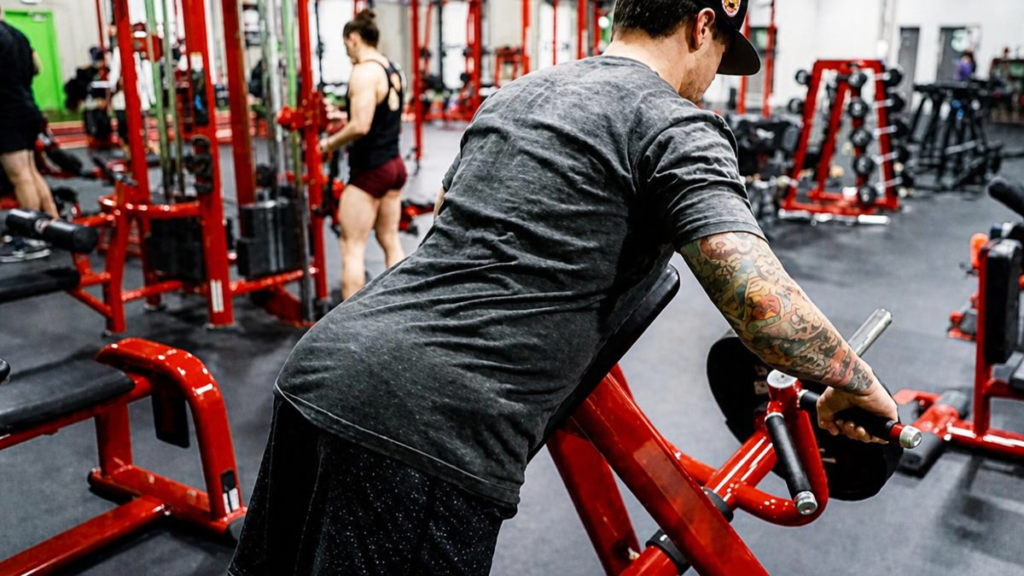
The cable chest fly is one of the best exercises for directly training the main function of the pecs: bringing the arms toward the center of the body. Unlike a barbell press, the cable provides resistance throughout more of the movement, including the point where the hands come together.
This makes it an excellent complement to heavy pressing. The bench press lets you load the chest heavily. The cable fly lets you train the pecs with a long range of motion, controlled tension, and less involvement from the triceps.
Why Cable Flies Are So Effective
The pecs are responsible for horizontal adduction, meaning they pull the upper arms toward the midline of the body. Cable flies train this action directly. You can focus on squeezing the chest without being limited by how much your triceps can press.
Cable exercises also allow you to adjust the resistance path to suit your body. If a standard fly angle bothers your shoulders, you can make small changes to the cable height, stance, and arm path while keeping the same core movement.
Training a muscle at longer lengths may be particularly useful for hypertrophy. Several studies suggest that resistance training performed with greater muscle length can produce favorable muscle growth outcomes. A controlled cable fly allows the pecs to work while lengthened in the stretched position, provided the load is manageable and the shoulder remains comfortable.
How to Perform It
Set both cable handles around shoulder height. Take a step forward so the weight stack is slightly lifted before you begin. Use a staggered stance and keep a soft bend in your knees for balance.
Start with your arms open and your elbows slightly bent. Your hands should be behind or level with your torso only as far as your shoulder mobility allows comfortably. Bring the handles forward in a wide hugging motion until your hands meet in front of your chest.
Pause briefly and squeeze your chest before slowly returning to the stretched position. Keep the bend in your elbows fairly consistent. If you bend and straighten your arms dramatically, the movement becomes more like a pressing exercise and reduces the direct work done by the pecs.
Sets, Reps, and Progression
Cable flies respond well to moderate and higher repetition work. Aim for two to four sets of 10 to 15 repetitions, using a controlled tempo and stopping when you are close to technical failure.
Progress does not always mean adding a large amount of weight. You can improve by using a fuller comfortable range of motion, reducing momentum, adding repetitions, or making the squeeze at the contracted position more deliberate.
3. Deficit Push Up
The push up is often dismissed as a beginner movement, but it can be a powerful chest builder when performed with the right technique and enough challenge. A deficit push up, where the hands are elevated on handles, blocks, or stable dumbbells, gives you more range of motion than a standard floor push up.
That added depth can create a strong stretch through the chest while allowing the shoulder blades to move naturally. For many lifters, this makes the deficit push up one of the most joint friendly and productive chest exercises available.
Why Deficit Push Ups Work
Push ups train a similar pressing pattern to the bench press, but the body moves through space rather than the weight moving toward the body. Research comparing push ups and bench pressing has found that push ups can produce similar gains in upper body strength and muscle thickness when loading is matched appropriately.
The push up is also easy to adapt. Beginners can use an elevated surface, while stronger lifters can add a weighted vest, resistance band, or a plate secured across the upper back. This makes it possible to keep progressing long after standard bodyweight repetitions become easy.
The deficit version is useful because it increases the depth of the movement. As long as your shoulders feel comfortable, the extra range can increase the challenge to the chest at the bottom position. It also encourages better control and discourages rushed half repetitions.
How to Perform It
Place your hands on sturdy push up handles, parallettes, or dumbbells that will not roll. Set your hands slightly wider than shoulder width. Begin in a straight plank position with your glutes and abs engaged.
Lower your chest between your hands with control. Let your shoulder blades move naturally as you descend rather than forcing them to stay pinned back. Aim to reach a depth where your chest is below the level of your hands, provided it feels smooth and pain free.
Push the floor away and return to a strong plank position. Keep your ribs from flaring excessively and avoid allowing your hips to sag. The movement should look like one solid unit moving up and down.
Sets, Reps, and Progression
Perform two to four sets of eight to 20 repetitions. If you can comfortably exceed 20 good repetitions, increase the challenge with external load or a resistance band.
You can also slow the lowering phase to around three seconds. This makes the exercise more demanding without requiring excessive weight and gives you more opportunity to control the stretched position.
How to Combine These Exercises
Use the barbell bench press first, when you are fresh enough to handle heavier loading safely. Follow it with cable flies to give the pecs direct work through a long, controlled range of motion. Finish with deficit push ups to accumulate quality chest volume without needing to place more heavy load on the joints.
A simple session could include three to four sets of bench press, three sets of cable flies, and two to three sets of deficit push ups. This provides enough work for many lifters while still leaving room to recover and train other muscle groups effectively.
Weekly training volume matters more than trying to destroy the chest in one session. Research indicates that multiple hard sets per muscle group each week generally produce better muscle growth than very low volume training. For many people, around 10 to 20 challenging chest sets per week is an effective starting range, although the right amount depends on training experience, recovery, and how much pressing volume you do for shoulders and triceps.
Training the chest twice per week is often easier to recover from than doing all your work in one marathon workout. For example, you could bench press and perform cable flies on one day, then use deficit push ups and a lighter pressing variation later in the week.
The Mistakes That Limit Chest Growth
One common mistake is chasing weight while sacrificing range of motion and control. A partial bench press with bouncing and unstable shoulders may inflate your numbers, but it does not necessarily provide the best stimulus for the chest.
Another issue is turning every chest exercise into a triceps exercise. If your grip is extremely narrow, your elbows are tucked tightly, and you only focus on locking out, the triceps may dominate the movement. Use a comfortable grip width, control the lowering phase, and think about bringing your upper arms toward your torso during presses.
Finally, do not judge progress solely by soreness. Muscle soreness can occur after a new exercise or unusual training volume, but it is not a direct measure of growth. Better indicators include stronger performance, improved repetition quality, increased measurements over time, and visible changes in the chest across several months.
Final Thoughts
The best chest training plan is built around exercises you can perform consistently, progress safely, and recover from. The barbell bench press gives you heavy, measurable loading. The cable chest fly provides direct pec work through a controlled range of motion. The deficit push up adds practical volume and a deep chest stretch with minimal equipment.
Train these movements with patience, use good technique, and gradually increase the challenge. Your chest will not become wider overnight, but regular productive training can add the muscle that creates a noticeably fuller, stronger, and more athletic upper body.
References
- Calatayud, J., Borreani, S., Colado, J.C., Flandez, J., Page, P. and Andersen, L.L. (2015) ‘Bench press and push up at comparable levels of muscle activity results in similar strength gains’, Journal of Strength and Conditioning Research, 29(1), pp. 246 to 253.
- Figueiredo, V.C., de Salles, B.F. and Trajano, G.S. (2018) ‘Volume for muscle hypertrophy and health outcomes: the most effective variable in resistance training’, Sports Medicine, 48(3), pp. 499 to 505.
- Krieger, J.W. (2010) ‘Single versus multiple sets of resistance exercise for muscle hypertrophy: a meta analysis’, Journal of Strength and Conditioning Research, 24(4), pp. 1150 to 1159.
- Lasevicius, T., Schoenfeld, B.J., Silva Baptista, L., Barros, T.S., Teixeira, J.P., Finkelstein, I., et al. (2018) ‘Muscle failure promotes greater muscle hypertrophy in low load but not in high load resistance training’, Journal of Strength and Conditioning Research, 36(2), pp. 346 to 351.
- Pedrosa, G.F., Lima, F.V., Schoenfeld, B.J., Prestes, J. and Teixeira, C.V.L.S. (2022) ‘The effects of resistance training at different muscle lengths on muscular adaptations: a systematic review’, Journal of Strength and Conditioning Research, 37(9), pp. 1894 to 1902.
- Schoenfeld, B.J., Ogborn, D. and Krieger, J.W. (2017) ‘Dose response relationship between weekly resistance training volume and increases in muscle mass: a systematic review and meta analysis’, Journal of Sports Sciences, 35(11), pp. 1073 to 1082.
- Schoenfeld, B.J., Grgic, J., Ogborn, D. and Krieger, J.W. (2017) ‘Strength and hypertrophy adaptations between low versus high load resistance training: a systematic review and meta analysis’, Journal of Strength and Conditioning Research, 31(12), pp. 3508 to 3523.
Key Takeaways
| Exercise | Main benefit | Best use |
|---|---|---|
| Barbell bench press | Builds strength and provides heavy progressive overload | Use first in the workout for six to 10 controlled repetitions |
| Cable chest fly | Directly trains the pecs through a long, controlled range | Use after pressing for 10 to 15 repetitions |
| Deficit push up | Adds chest volume with a deeper range of motion | Use as a challenging finisher for eight to 20 repetitions |
| Weekly approach | Consistent hard sets drive growth over time | Train chest around twice weekly and progress gradually |