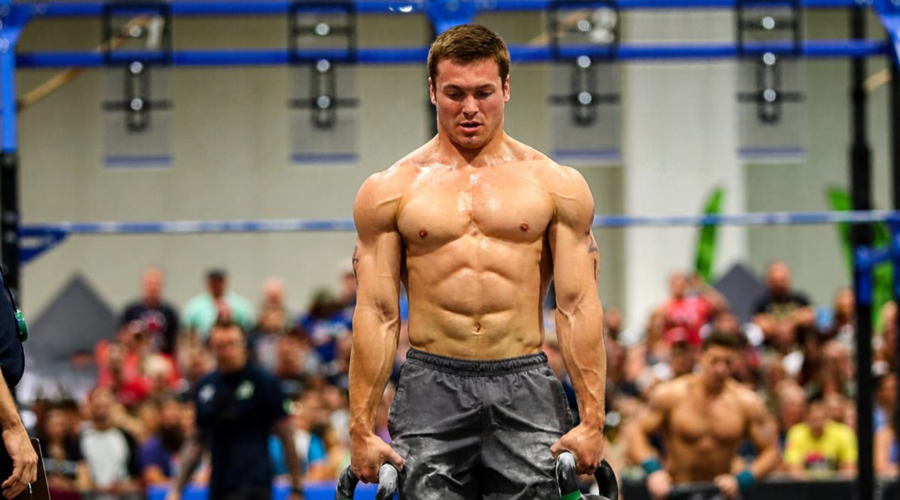


Dumbbells can be one of the most effective tools for building a stronger, fuller chest. They are available in nearly every gym, easy to use at home, and allow each arm to work independently. That last point matters. A barbell locks both hands into one fixed position, while dumbbells allow you to find a pressing path that feels stable for your shoulders and lets you train the left and right sides more evenly.
A more muscular chest does not come from collecting endless exercise variations or chasing the burn. It comes from repeatedly exposing the pectoral muscles to challenging resistance, using good technique, progressing over time, and recovering well enough to do it again. Dumbbells can help you do all of those things, but only if you use them with a clear plan.


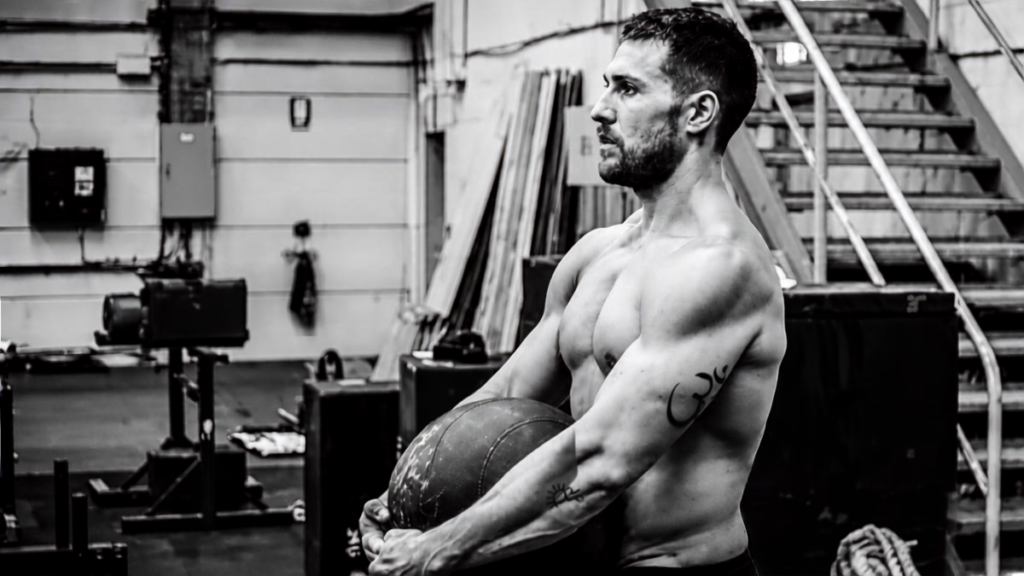
The chest is primarily made up of the pectoralis major, a large fan shaped muscle that helps move the upper arm across the body and forward. The pectoralis minor sits underneath it and plays a role in shoulder blade movement. For visual chest development, the pectoralis major is the main target. It contributes heavily during presses, push ups, and fly variations, although the shoulders and triceps also help.
Here are three evidence based ways to get far more from dumbbell chest training.
1. Make the Dumbbell Press Your Main Chest Builder
The dumbbell bench press should be the foundation of your chest training. It is a compound movement that lets you load the chest, triceps, and front of the shoulders together. Because you can gradually use heavier dumbbells, perform more repetitions with the same weight, or add productive sets over time, it gives you a reliable way to apply progressive overload.
Dumbbells are not automatically superior to barbells, and barbells are not automatically superior to dumbbells. Both can be effective for building muscle. The useful difference is that dumbbells give each arm its own load and range of movement. This can make it easier to notice strength differences between sides and stop the stronger arm from doing more than its share of the work.
Use a Deep, Controlled Range of Motion
One of the biggest advantages of dumbbells is that they can allow a greater range of motion than a straight bar. At the bottom of a dumbbell press, your hands can travel slightly farther toward the sides of your chest than they can with a barbell. This can place the chest under tension at a longer muscle length.
Research comparing full and partial resistance training ranges of motion generally favors training through a larger, controlled range for muscle growth and strength. That does not mean you need to force your shoulders into an uncomfortable position. The bottom position should feel like a strong chest stretch, not a painful pull in the front of the shoulder.
Lower the dumbbells with control until your upper arms are roughly level with your torso or slightly below it if that feels comfortable. Keep your shoulder blades gently pulled back and down against the bench. This creates a more stable base and helps you avoid turning every press into a shoulder dominant movement.
5 Secrets Tips for Guys 30+ to Get Jacked Arms
From there, press the dumbbells upward and slightly inward. You do not need to smash the dumbbells together at the top. Instead, focus on driving them up with control while keeping tension through the chest.
Choose a Bench Angle That Matches Your Goal
The flat dumbbell press is an excellent general chest exercise because it loads the middle portion of the pectoralis major effectively. An incline dumbbell press can be a smart addition if you want to bring more attention to the upper chest area.
Research measuring muscle activity during different bench angles suggests that a modest incline can increase activity in the upper portion of the pectoralis major. However, as the bench becomes very steep, the front deltoids tend to do more of the work. For most people, an incline of around 15 to 30 degrees is a practical place to start.
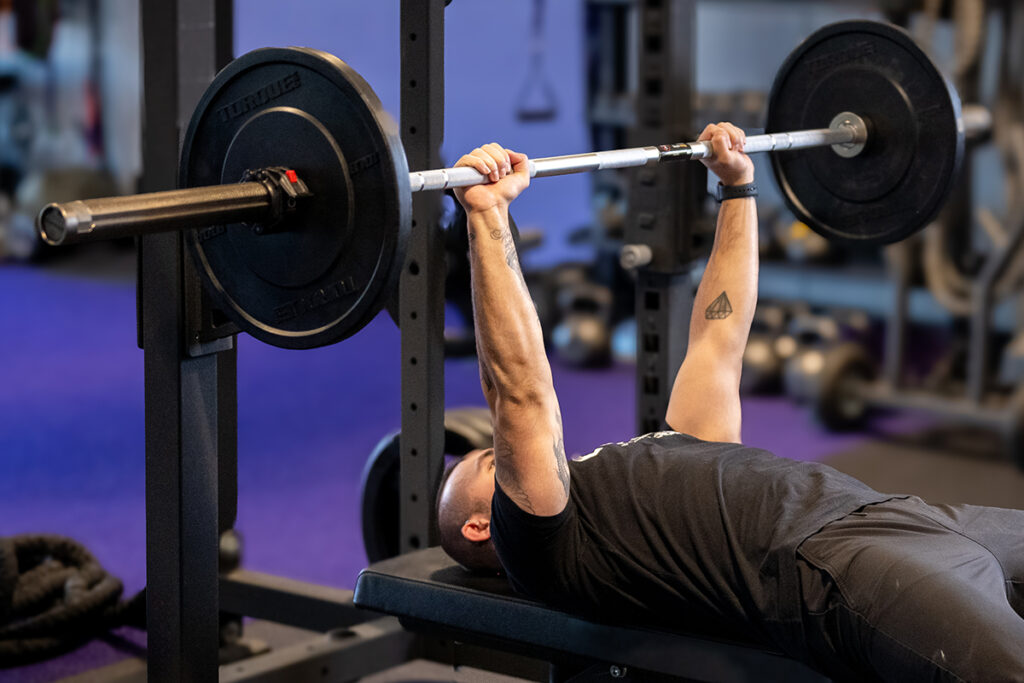
Use the flat dumbbell press as your main heavy movement, then use a low incline dumbbell press if you want more upper chest emphasis. There is no need to turn every chest session into a collection of five pressing angles. A small number of well performed exercises, progressed consistently, will produce better results than constantly changing the plan.
Keep Your Repetitions Productive
For chest growth, you do not need to use only very heavy sets of five repetitions, and you do not need to use only light sets of 20 or more. Research shows that a wide range of loads can support similar muscle growth when sets are performed with sufficient effort.
A practical target for dumbbell pressing is usually six to 15 repetitions per set. This range makes it easier to use good technique, accumulate enough high quality repetitions, and make gradual progress. If you train at home with limited dumbbell options, higher repetitions can still work well, provided the set becomes genuinely challenging.
You should normally finish most working sets with a small number of good repetitions still possible. This is often called repetitions in reserve. Stopping with roughly one to three repetitions left before form would break down is a useful middle ground. It lets you train hard enough to stimulate growth without making every set so exhausting that recovery and performance suffer.
2. Use Dumbbells to Improve Your Chest Position and Control
Dumbbells reward control. If you lower them carelessly, let your elbows flare excessively, or allow the weights to wobble around, the target muscles receive less consistent tension. Good technique is not about making the movement look rigid. It is about putting your body in a position where the chest can contribute forcefully and safely.
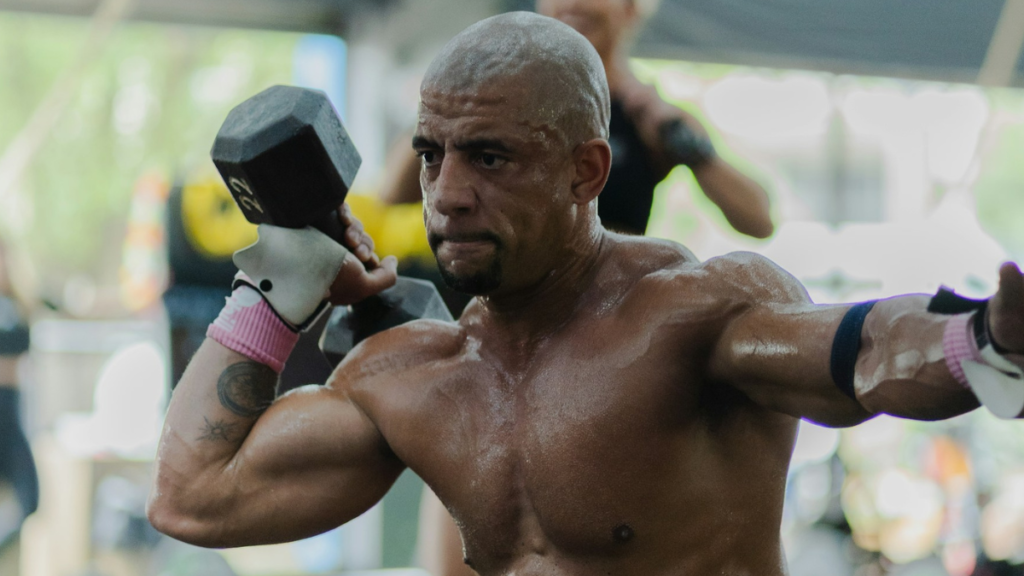
The most useful cue is simple: create a stable platform before you press. Place your feet firmly on the floor, keep your hips in contact with the bench, and gently set your shoulder blades back and down. You do not need an exaggerated arch in your lower back, but a natural small arch is normal for many lifters.
Find an Elbow Position That Feels Strong
Your elbows should not be pinned tightly to your ribs, but they also should not be flared straight out to the sides. A moderate angle between your upper arms and torso tends to feel strongest and most comfortable for most people.
Start each repetition with the dumbbells over your chest, not over your face. As you lower them, allow your elbows to move down and slightly outward. Your forearms should remain close to vertical from the front view. If your wrists collapse backward or your elbows drift far behind the dumbbells, adjust the position before adding more weight.
This path allows the chest to contribute strongly while keeping the joint positions more manageable. It also makes it easier to repeat the same technique from set to set, which is essential for judging whether you are actually getting stronger.
Add Dumbbell Flyes Carefully
A dumbbell fly can be a useful secondary chest exercise, but it should not replace pressing as your primary source of progressive overload. In a fly, the elbows stay softly bent while the upper arms move in an arc toward the midline of the body. This puts the chest in a role that closely reflects one of its main functions.
The drawback is that flyes place substantial stress on the chest and shoulder in the stretched position, especially if you use more weight than you can control. That does not make them dangerous by default. It means exercise selection and execution matter.
Use lighter dumbbells than you would for pressing. Lower them slowly, stop before your shoulders feel strained, and bring the weights back up by thinking about moving your upper arms together rather than simply lifting with your hands. Keep the bend in your elbows consistent throughout the movement.
Two or three controlled sets of eight to 15 repetitions are usually plenty after your presses. If flyes cause shoulder discomfort, skip them. A pain free dumbbell press with excellent technique is far more valuable than forcing an accessory movement that does not suit your joints.
Train Both Sides Honestly
Because each dumbbell moves independently, dumbbell training can reveal strength and coordination differences that a barbell may hide. One arm may press faster, follow a different path, or lock out before the other. Pay attention to this.
Use the same number of repetitions on both sides and do not let your stronger side dictate the standard. In a bilateral dumbbell press, match the weaker side by keeping both dumbbells moving together. In a single arm dumbbell floor press or single arm dumbbell bench press, begin with the weaker side and then match its repetitions with the stronger side.
This is not about pursuing perfect symmetry. Small differences between sides are normal. The point is to make sure both sides receive a meaningful training stimulus and to keep one side from quietly taking over every hard set.
3. Progress Your Weekly Chest Training Instead of Chasing Soreness
The most important tip is not a new exercise. It is a progression system. Muscles grow when training gives them a reason to adapt. That requires enough hard work over time, followed by recovery. The plan does not need to be complicated, but it does need to be measurable.
Training volume is one of the main variables associated with hypertrophy. In practical terms, volume means the number of challenging sets you perform for a muscle. More is not always better because a point arrives where extra sets create fatigue without producing much additional benefit. However, doing too little makes it difficult to create enough stimulus for consistent growth.
Start With a Recoverable Number of Sets
For many people, starting with around eight to 12 challenging chest focused sets per week is sensible. This can be split across two sessions to keep the quality high. For example, you might perform three sets of flat dumbbell presses and two sets of incline dumbbell presses on one day, then repeat a similar amount of work later in the week.
Your triceps and front deltoids also work during pressing, so consider your whole training week. If you already perform a lot of overhead pressing, push ups, dips, or triceps work, your chest may not need a huge amount of additional direct volume.
As you gain training experience, you may benefit from more work, but increase gradually. Add one or two sets per week only when you are recovering well, your technique is stable, and your performance has stopped improving with the current amount of training.
Use Double Progression
Double progression is a simple method that works extremely well with dumbbells. Choose a repetition range, such as eight to 12 repetitions. Begin with a weight you can press for eight controlled repetitions on all your working sets.
Over the following sessions, try to add repetitions while keeping the same weight and technique. Once you can complete 12 good repetitions on every set, increase the dumbbell weight and return to the lower end of the range.
For example, you might perform three sets of eight repetitions with 55 pound dumbbells in week one. Over time, this could become three sets of 10, then three sets of 12. At that point, move to 60 pound dumbbells and build back up again.
This approach keeps your progress visible. It also prevents the common mistake of adding weight too soon, then shortening the range of motion and turning every repetition into a grind.
Recover Like Muscle Growth Matters
Chest training works during the session, but muscle growth happens during recovery. Adequate sleep, enough total calories for your goal, and sufficient daily protein all support the adaptation process. Protein intake is particularly important because resistance training and dietary protein work together to support muscle protein synthesis.
You do not need a perfect diet to build your chest, but you do need consistency. If your bodyweight is stable or falling quickly, your recovery is poor, and your pressing strength has stalled for weeks, adding more chest exercises is unlikely to solve the problem.
Give the same dumbbell chest workout time to work. Run it for at least several weeks, record your sets, reps, and weights, and look for gradual improvement. A transformed chest is usually the result of hundreds of controlled presses and patient progress, not one brutal workout.
A Simple Dumbbell Chest Workout
Perform this workout twice per week, leaving at least one full day between sessions. Begin with a light warm up that includes several easy pressing sets before your first working set.
On the first day, perform three to four sets of flat dumbbell bench presses for six to 12 repetitions. Follow this with two to three sets of low incline dumbbell presses for eight to 15 repetitions. Finish with two sets of dumbbell flyes for 10 to 15 controlled repetitions if they feel comfortable for your shoulders.
On the second day, perform three sets of low incline dumbbell presses for six to 12 repetitions. Follow with two to three sets of flat dumbbell presses for eight to 15 repetitions. Finish with two sets of dumbbell squeeze presses or controlled flyes for 10 to 15 repetitions.
Rest long enough between pressing sets to perform well again. Two minutes is a useful minimum for many people, while heavier sets may benefit from a little more rest. Good chest training should feel challenging, but the goal is quality work, not rushing until your technique falls apart.
The Bottom Line
Dumbbells are more than a substitute for a barbell. They can provide a stable, progressive way to build the chest while allowing each arm to work independently and move through a comfortable range.
Make dumbbell presses the center of your plan, use a controlled range of motion, and choose a low incline when you want more upper chest emphasis. Keep your technique stable, use flyes as an accessory rather than your main lift, and track gradual progress in your sets, repetitions, and weights.
If you train hard, recover well, and repeat the basics for long enough, dumbbells can transform your chest.
References
- Baz-Valle, E., Schoenfeld, B.J., Torres-Unda, J. and Santos-Concejero, J. (2022) ‘The effects of different resistance training volumes on muscle hypertrophy: A systematic review with meta-analysis’, Journal of Sports Sciences, 40(12), pp. 1373-1386.
- Grgic, J., Schoenfeld, B.J., Orazem, J. and Sabol, F. (2022) ‘Effects of resistance training performed to repetition failure or non-failure on muscular strength and hypertrophy: A systematic review and meta-analysis’, Journal of Sport and Health Science, 11(2), pp. 202-211.
- Krzyszkowski, J. and Kipp, K. (2020) ‘Effects of bench angle on the mechanical demands of the bench press exercise’, Journal of Strength and Conditioning Research, 34(12), pp. 3411-3419.
- Larsen, S., Neto, W.K., Araujo, A.G., Souza, M.F., Vieira, G., Marchetti, P.N. and Novaes, J.S. (2021) ‘The effects of different stability requirements on the muscle activity and performance of the bench press exercise’, Journal of Strength and Conditioning Research, 35(1), pp. 1-7.
- Lopez, P., Radaelli, R., Taaffe, D.R., Newton, R.U., Galvão, D.A., Trajano, G.S., Teodoro, J.L., Kraemer, W.J., Häkkinen, K. and Pinto, R.S. (2021) ‘Resistance training load effects on muscle hypertrophy and strength gain: A systematic review and network meta-analysis’, Medicine & Science in Sports & Exercise, 53(6), pp. 1206-1216.
- Schoenfeld, B.J., Grgic, J., Ogborn, D. and Krieger, J.W. (2017) ‘Strength and hypertrophy adaptations between low versus high load resistance training: A systematic review and meta-analysis’, Journal of Strength and Conditioning Research, 31(12), pp. 3508-3523.
- Schoenfeld, B.J., Ogborn, D. and Krieger, J.W. (2017) ‘Dose-response relationship between weekly resistance training volume and increases in muscle mass: A systematic review and meta-analysis’, Journal of Sports Sciences, 35(11), pp. 1073-1082.
- Trebs, A.A., Brandenburg, J.P. and Pitney, W.A. (2010) ‘An electromyography analysis of three muscles surrounding the shoulder joint during the performance of a chest press exercise at several angles’, Journal of Strength and Conditioning Research, 24(7), pp. 1925-1930.
- Wolf, M., Androulakis-Korakakis, P., Fisher, J.P., Schoenfeld, B.J. and Steele, J. (2023) ‘Partial versus full range of motion resistance training: A systematic review and meta-analysis’, Journal of Strength and Conditioning Research, 37(12), pp. 2445-2456.
Key Takeaways
| Tip | What to do | Why it matters |
|---|---|---|
| Build around pressing | Use flat and low incline dumbbell presses as your main movements | Presses allow progressive overload with a large, useful range of motion |
| Prioritize control | Set your shoulder blades, use a comfortable elbow angle, and lower the weights with control | Better positions make it easier to apply consistent tension to the chest |
| Progress patiently | Track sets, repetitions, and dumbbell weight over several weeks | Gradual progression and recoverable weekly volume drive long term muscle growth |