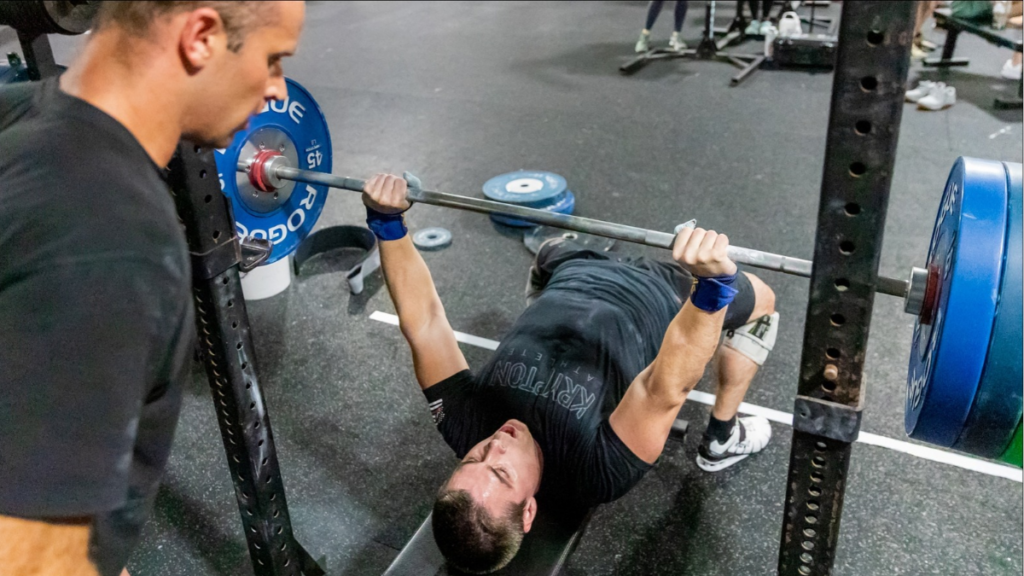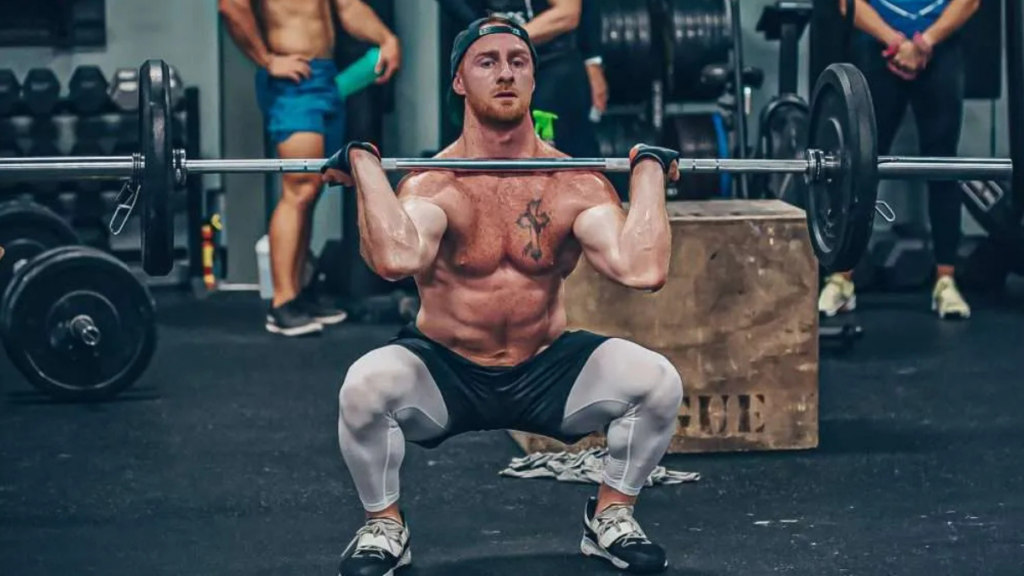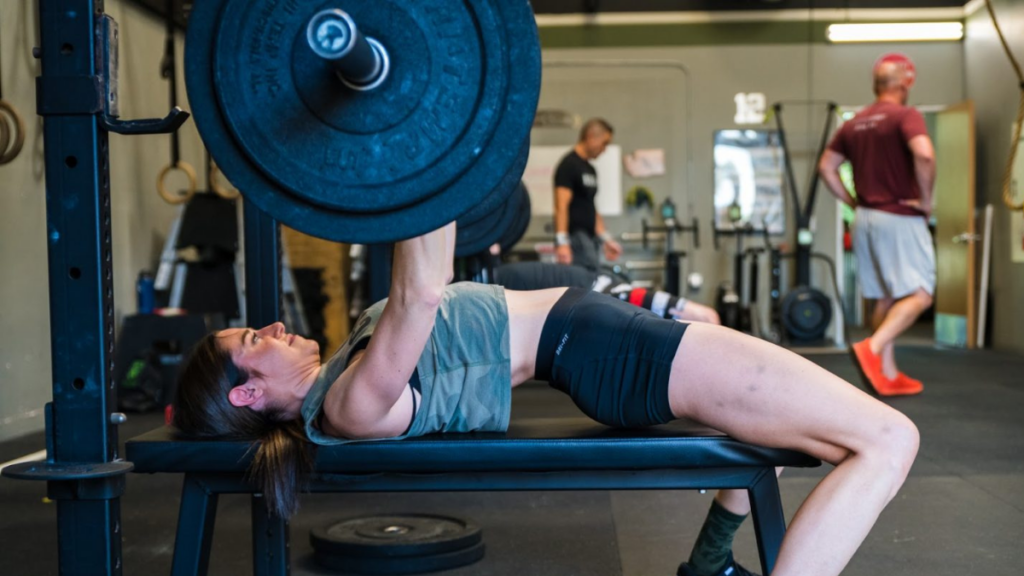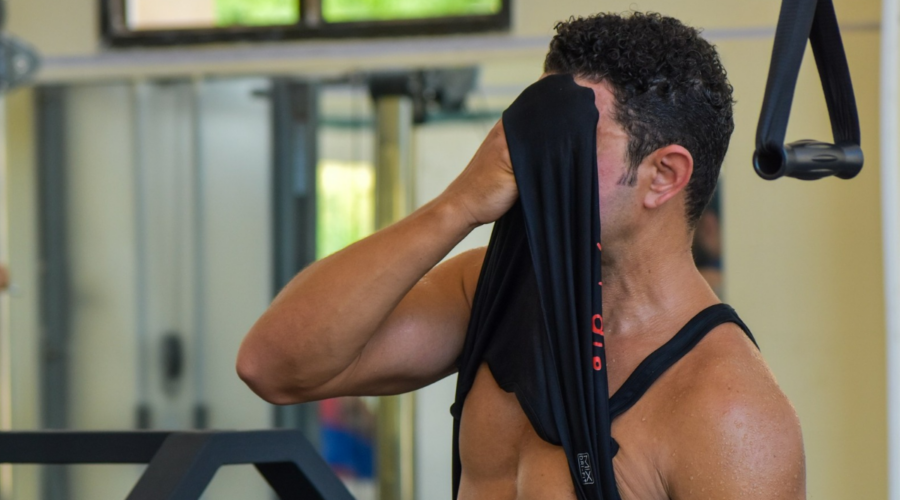


Hit your mid-thirties and you might notice that your arms respond a little differently to the same workouts that gave you quick results in your twenties.
Heavy barbell curls that once felt effortless suddenly leave a nagging ache near the inside of your elbow, and endless sets of skull crushers can make your triceps tendons grumble for days afterward.
Many men respond by either backing off direct arm work altogether or stubbornly grinding through painful repetitions until an overuse flare-up forces them to take weeks off. Neither option builds bigger, stronger arms, and both miss a crucial shift in how aging muscles and connective tissues handle mechanical stress. Once you match exercise selection to joint angles, muscle length, and tendon tolerance, you can keep adding noticeable size to your biceps and triceps without beating up your elbows or shoulders.
Why Arm Training Needs a Smarter Approach After 35
Around your mid-thirties and beyond, subtle changes in tendon stiffness, recovery capacity, and cumulative joint mileage start shaping how your body tolerates training volume. Research on human aging shows that gradual declines in skeletal muscle mass and strength can begin in midlife if resistance training is inconsistent or poorly structured.
At the same time, tendons adapt more slowly than muscle tissue to rapid spikes in heavy loading, which means exercises that place awkward torque at the bottom or top of a joint angle often irritate connective tissue before the muscle itself reaches productive fatigue.
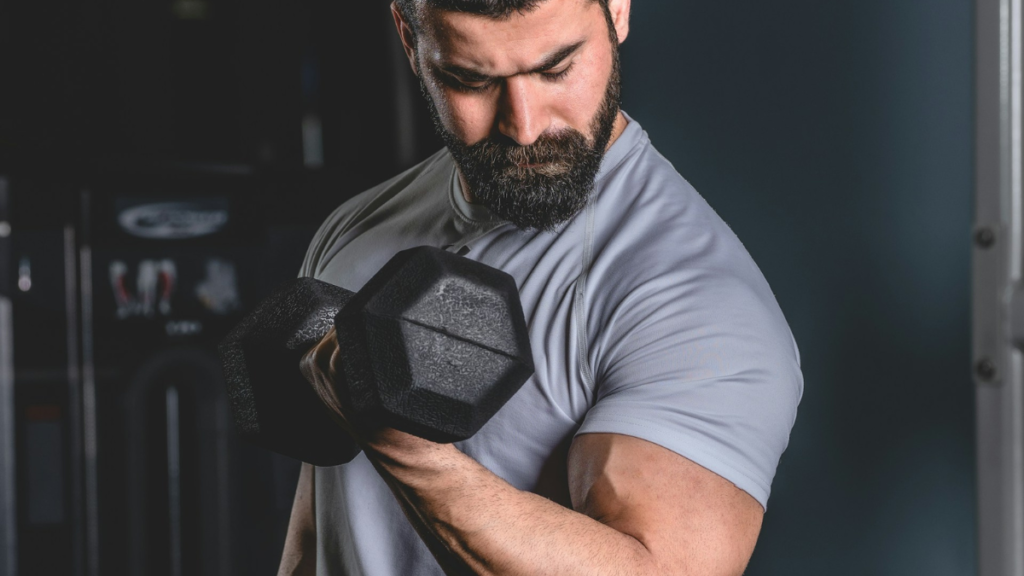
Smart arm training after 35 does not mean lifting pink dumbbells or avoiding hard effort. Controlled resistance training studies demonstrate that adults across middle age and beyond retain a strong capacity for muscle hypertrophy when sets are taken close to muscular failure with sensible volume and clean execution. The real secret is choosing movements that place peak tension where your muscles have strong leverage while keeping your wrists, elbows, and shoulders free to move along natural paths.
1. The Incline Dumbbell Curl
Standing barbell curls force both arms into a fixed wrist position and tend to load the biceps hardest around the middle of the movement while leaving the stretched position relatively unloaded. Setting an adjustable bench to roughly a forty-five to sixty degree angle and curling dumbbells from a seated incline places your upper arms slightly behind your torso, which stretches the long head of the biceps brachii before the repetition even starts.
Biomechanical research examining different shoulder angles during elbow flexion shows that altering shoulder position meaningfully changes biceps brachii length and activation patterns across the range of motion.
How to Execute Incline Curls for Joint-Friendly Growth
Sit back firmly against the bench with your chest tall, your shoulders tucked gently down, and your arms hanging straight toward the floor with palms facing forward or slightly neutral at the bottom. Curl the dumbbells upward by bending at the elbows without letting your upper arms swing forward, pausing briefly at the top before lowering the weights for a smooth two-to-three-second descent.
Because the lengthened position creates high mechanical tension even with moderate dumbbells, sets of ten to fifteen controlled repetitions stimulate the biceps deeply without forcing you to heave heavy weights that strain the front of your shoulders.
2. The Overhead Cable Triceps Extension
Many lifters rely almost exclusively on press-downs and flat lying extensions for their triceps, yet those movements leave a major portion of the triceps understimulated. The triceps brachii consists of three heads, and the long head crosses both the shoulder joint and the elbow joint, meaning it only reaches a full stretch when your upper arm is raised overhead.
A landmark twelve-week training study comparing overhead cable elbow extensions against neutral-arm cable pressdowns found that training in the overhead position produced substantially greater hypertrophy across the entire triceps brachii, including roughly forty percent greater growth in the long head.
Setting Up Overhead Extensions Without Elbow Irritation
Attach a rope or dual handles to a low or mid-height cable pulley, step forward into a staggered stance, and bring your upper arms beside your head with your elbows bent comfortably behind you. Extend your elbows smoothly until your arms reach full lockout, keeping your ribcage braced down so your lower back does not hyperextend to help move the stack.
Using a cable rather than a free dumbbell keeps smooth, continuous resistance through the entire arc and allows your wrists and elbows to rotate naturally, which takes pressure off sensitive elbow tendons while delivering intense long-length tension.
3. The Seated Cable Preacher Curl
If you want to isolate the brachialis and the lower portion of the biceps without swinging your torso or stressing your lower back, a cable preacher curl is hard to beat.
Traditional free-weight preacher curls become noticeably easier near the top of the lift because gravity pulls straight down while your forearm moves vertically, and they can feel harsh at the very bottom if you drop into hyperextension with a heavy barbell.
Pairing a preacher bench with a low cable pulley changes the angle of pull so resistance stays steady through the middle and upper portions of the curl while cushioning the transition out of the bottom stretch.
3 Perfect Exercises for Building the Lower Pecs Beginners Often Overlook
Keeping Your Elbows Happy on the Pad
Adjust the seat height so your armpits rest snugly over the top edge of the pad and the backs of your upper arms stay planted flat from start to finish.
Hold an easy-curl attachment or single cable handle with your wrists straight, curl smoothly toward your shoulders, and stop just shy of full elbow lockout on the way down so tension remains on the muscle rather than hanging on your joint capsule.
Performing three to four focused sets of ten to fifteen repetitions teaches you to create maximum tension with moderate loads, which is ideal for lifters over 35 who want steady hypertrophy without lingering tendon soreness.
Exercise Breakdown for Lifters Over 35
| Exercise | Primary Target | Key Biomechanical Advantage | Recommended Sets and Reps |
| Incline Dumbbell Curl | Biceps brachii long head | Trains the biceps in a lengthened position with natural wrist rotation | 3 to 4 sets of 10 to 15 reps |
| Overhead Cable Triceps Extension | Triceps brachii long, lateral, and medial heads | Places the triceps long head under stretch with smooth cable resistance | 3 to 4 sets of 10 to 15 reps |
| Seated Cable Preacher Curl | Brachialis and short head of biceps | Eliminates body momentum and maintains steady tension across the curl | 3 to 4 sets of 10 to 15 reps |
How to Program These Movements Into Your Training Week
You do not need an entire two-hour marathon dedicated solely to arms to see your sleeves fit tighter over the next couple of months.
Research on resistance training frequency and volume shows that spreading roughly eight to fourteen hard weekly sets per muscle group across two training sessions supports strong muscle growth while giving joints and tendons ample recovery between workouts. Placing two of these exercises at the end of an upper-body session and the third at the end of a push or pull day keeps your workouts efficient and repeatable.
Warming up your elbows and shoulders with one or two lighter feeder sets before jumping into your working weights makes a noticeable difference once you pass thirty-five. Focus on adding a single repetition or a small jump in weight only when every rep looks clean, controlled, and pain-free, because consistency across months always outperforms reckless ego lifting.
Key Takeaways
| Topic | Main Takeaway |
| Joint and Tendon Management | Lifters over 35 build muscle effectively when exercises respect natural joint paths and avoid harsh peak torque. |
| Incline Dumbbell Curls | Placing the arms behind the torso stretches the biceps long head and allows comfortable wrist alignment. |
| Overhead Cable Extensions | Overhead elbow extension trains the triceps at long muscle lengths and drives superior overall triceps growth. |
| Cable Preacher Curls | Using a cable on a preacher bench removes momentum and delivers smooth, joint-friendly resistance. |
References
- Grgic, J., Schoenfeld, B.J., Davies, T.B., Lazinica, B., Krieger, J.W. and Pedisic, Z., 2018. Effect of resistance training frequency on gains in muscular strength: A systematic review and meta-analysis. Sports Medicine, 48(5), pp.1207-1220.
- Maeo, S., Wu, Y., Huang, M., Sakurai, H., Kusagawa, Y., Sugiyama, T., Kanehisa, H. and Isaka, T., 2023. Triceps brachii hypertrophy is substantially greater after elbow extension training performed in the overhead versus neutral arm position. European Journal of Sport Science, 23(7), pp.1240-1250.
- Mitchell, W.K., Williams, J., Atherton, P., Larvin, M., Lund, J. and Narici, M., 2012. Sarcopenia, dynapenia, and the impact of advancing age on human skeletal muscle size and strength: A quantitative review. Frontiers in Physiology, 3, p.260.
- Oliveira, L.F., Matta, T.T., Alves, D.S., Garcia, M.A. and Vieira, T.M., 2009. Effect of the shoulder position on the biceps brachii EMG in different dumbbell curls. Journal of Sports Science and Medicine, 8(1), pp.24-29.
- Schoenfeld, B.J., Grgic, J., Van Every, D.W. and Plotkin, D.L., 2021. Loading recommendations for muscle strength, hypertrophy, and local endurance: A re-examination of the repetition continuum. Sports, 9(2), p.32.