

It’s a simple question, will CrossFit help you burn body fat and get in better shape? Is it the right method for you?
Let’s find out.
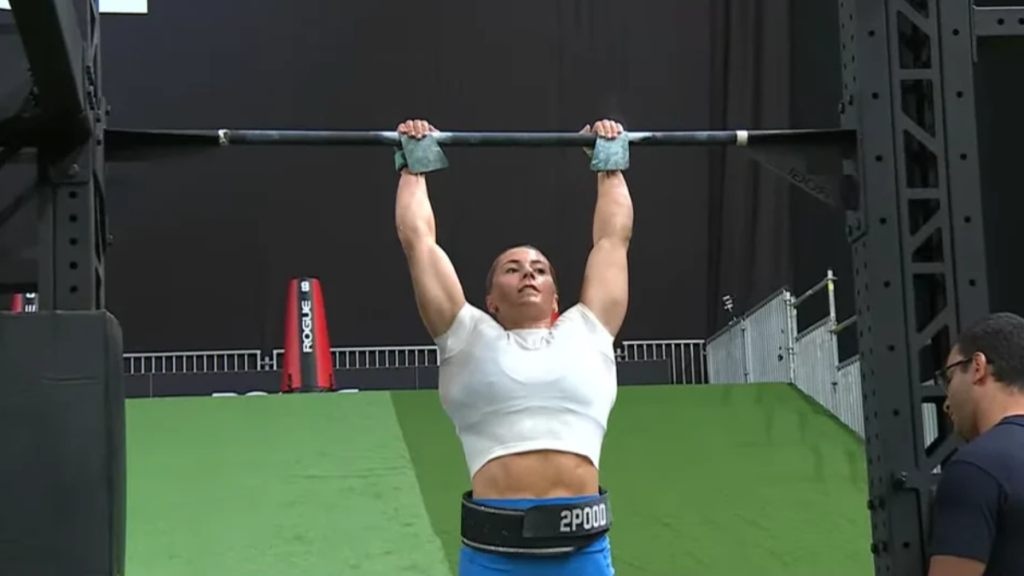
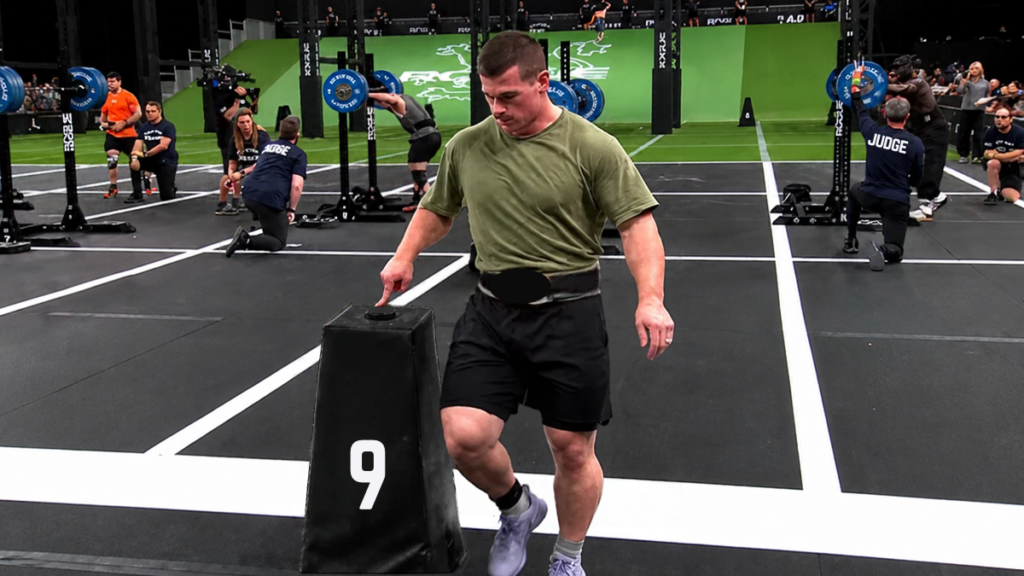
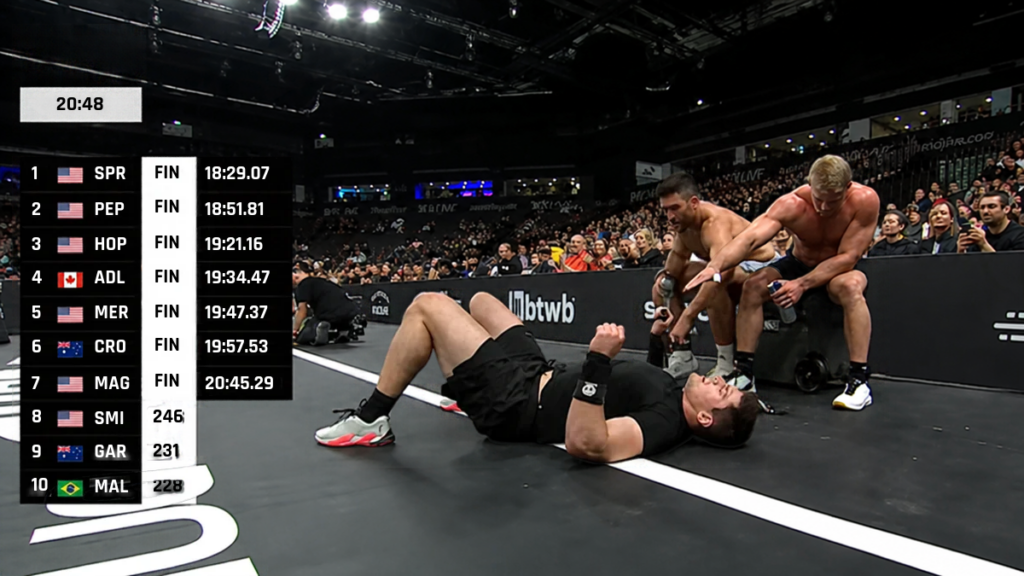
Walk into any box around five in the afternoon, and you will hear a loud mix of heavy barbells slamming against rubber mats, see chalk clouds hanging thick in the air, and watch athletes gasping for breath on the floor.
People sign up for these high-intensity workouts for all kinds of reasons. Some want to build functional strength for daily life, while others want to improve their cardiovascular capacity. Many people also want to strip away stubborn body fat, reveal lean muscle tone, and finally get that sculpted physique.

This brings up a fiercely debated question in the modern fitness world. Is this style of training actually an efficient method for torching fat and building a lean body, or is it just an overhyped, exhausting trend that leads to burnout? Opinions on internet forums and in local gyms are intensely divided. Critics argue that the frantic pace and complex movements promote fatigue over actual fat oxidation. Meanwhile, dedicated community members swear by the visible transformations they see in the mirror every few months.
To discover the absolute truth, we need to move past personal opinions, online arguments, and gym chest-thumping. We need to look closely at the underlying exercise physiology, metabolic pathways, and real scientific data. The actual answer about how this training impacts your body composition might completely surprise you, but understanding the biological mechanics requires exploring how high-intensity functional movements change your body from the inside out.
The Physiology of Fat Loss and High Intensity Training
To understand how high-intensity functional training affects body composition, it helps to look at how the human body converts stored energy into work. Traditional steady-state cardio, like jogging or cycling at a moderate pace, relies primarily on aerobic metabolism. During moderate aerobic activity, your body uses oxygen to break down fatty acids for fuel. While this process does burn fat while you are actively moving, it stops almost immediately once you hop off the treadmill and step into the shower.
High-intensity functional movements work through entirely different physiological mechanisms. By combining explosive strength training with fast-paced conditioning, these workouts force your body to tap into anaerobic energy systems. Your muscles quickly exhaust immediate glucose stores, creating a substantial metabolic debt that your body must repay long after the workout has finished.

This post-exercise recovery period relies on a metabolic phenomenon known as excess post-exercise oxygen consumption. After an intense training session, your heart rate and respiration remain elevated for hours.
Your body works extra hard to replenish glycogen stores, clear metabolic byproducts, lower core body temperature, and repair muscle fibers damaged during exercise. All of these physiological recovery tasks require energy, which means your body continues burning calories at an elevated rate while you are simply resting on the couch.
Why High Intensity Functional Training Torch Body Fat
Scientific research provides overwhelming evidence that high-intensity functional training is an exceptionally powerful tool for shedding body fat. Several clinical trials have tracked body composition changes in athletes undergoing high-intensity functional regimens, consistently demonstrating significant drops in body fat percentage alongside reductions in total visceral fat.
One of the main reasons this style of training works so well for body re-composition is its unique combination of resistance training and cardiovascular conditioning. Traditional dieting combined with simple cardio often leads to weight loss, but a significant portion of that lost weight comes from muscle tissue. Losing muscle slows down your basal metabolic rate, making long-term weight management much more difficult.
High-intensity functional training forces your body to adapt by recruiting high-threshold Type II muscle fibers. This resistance component sends a powerful anabolic signal to your system, telling your body to retain valuable muscle mass while preferentially burning stored fat for energy.

Furthermore, the continuous variety of movements prevents the body from adapting too quickly. When you perform the exact same treadmill routine week after week, your nervous system and metabolic pathways become extremely efficient, burning fewer calories over time for the exact same amount of work. High-intensity functional workouts constantly vary the load, duration, movement patterns, and rest intervals. This constant variation keeps your neuromuscular system challenged, ensuring high energy expenditure session after session.
| Fitness Metric | Moderate Steady-State Cardio | High-Intensity Functional Training |
| Average Session Duration | 45 to 60 Minutes | 15 to 30 Minutes |
| Fat Mass Reduction | Moderate | High |
| Lean Muscle Retention | Low to Moderate | Very High |
| Post-Workout Metabolic Elevation | Minimal | Significant |
| Workout Variety and Neuromuscular Stimulus | Low | Extremely High |
The Role of Hormonal Adaptation in Getting Ripped
Building a visibly defined physique is not just a simple equation of calories consumed versus calories burned. Hormones play a fundamental role in determining whether your body stores fuel as fat or uses it to build muscle tissue. High-intensity functional workouts trigger a favorable hormonal cascade that accelerates fat loss while supporting lean muscle development.
During and immediately following an intense functional workout, your body releases elevated levels of human growth hormone and testosterone. Human growth hormone is a potent signaling molecule that directly stimulates lipolysis, which is the breakdown of stored triglycerides into free fatty acids ready to be burned for fuel. At the same time, growth hormone aids in tissue repair and protein synthesis, helping you recover faster and stay strong.
How Many Calories Does Completing a HYROX Burn?
Another critical factor is insulin sensitivity. Physical inactivity and diets high in processed carbohydrates often cause cells to become resistant to insulin, leading to elevated blood sugar levels and increased fat storage around the abdomen. Intense functional training dramatically increases insulin sensitivity in skeletal muscle cells. This means that after a tough workout, the carbohydrates you eat are preferentially shuttled directly into your muscle cells to replenish depleted glycogen rather than being converted and stored as body fat.
| Hormonal Marker | Response to High-Intensity Functional Training | Direct Impact on Body Composition |
| Human Growth Hormone | Significant Acute Increase | Accelerates Fat Breakdown and Tissue Repair |
| Insulin Sensitivity | Marked Improvement | Shuttles Nutrients to Muscle Instead of Fat |
| Serum Testosterone | Moderate Acute Increase | Supports Muscle Retention and Growth |
| Resting Cortisol | Optimized with Proper Recovery | Prevents Stress-Induced Abdominal Fat Storage |
Nutritional Alignment and Smart Recovery Practices
While high-intensity functional training provides an incredible metabolic stimulus, it cannot completely override poor lifestyle choices outside the box. To get truly lean and reveal defined muscle mass, your training program must be supported by proper nutrition and adequate rest. Attempting to fuel high-intensity workouts with an extreme caloric deficit often leads to elevated stress hormones, persistent fatigue, and poor recovery, which ultimately stalls fat loss efforts.
A successful fat loss transformation requires consuming adequate protein to support muscle repair while maintaining a modest caloric deficit. Protein has a high thermic effect of food, meaning your body expends a significant amount of energy just digesting and processing it. Prioritizing lean protein sources alongside nutrient-dense whole foods ensures that your body has the structural building blocks needed to repair muscle tissue while drawing upon stored fat for daily energy requirements.
Rest and sleep are equally crucial components of the body re-composition equation. High-intensity workouts put a healthy stress on your central nervous system and muscular tissue. Without sufficient high-quality sleep, your body remains in a chronically elevated state of stress, which can raise resting cortisol levels. Elevated cortisol promotes fat retention, particularly around the midsection, and impairs muscle recovery. Balancing hard training sessions with deliberate rest days and solid sleep hygiene maximizes fat oxidation and keeps your performance progressing.
Key Takeaways
| Core Takeaway Category | Summary of Scientific Insights |
| Overall Effectiveness | High-intensity functional training is an exceptionally effective method for burning fat and building lean muscle. |
| EPOC Effect | Anaerobic functional workouts elevate your post-workout metabolic rate, causing your body to continue burning calories long after exercise stops. |
| Muscle Preservation | The heavy resistance element protects valuable lean muscle tissue, preventing the metabolic slowdown often caused by standard dieting. |
| Hormonal Response | High intensity sessions optimize key hormones like growth hormone and insulin, steering nutrients into muscle cells instead of fat stores. |
| Essential Support | Maximizing body re-composition requires pairing intense training with adequate protein intake, smart recovery, and quality sleep. |
References
- Bell, G.J., Snydmiller, D., Davies, D.S. and Lee, E.Y., 2000. Effect of concurrent strength and endurance training on skeletal muscle properties and hormone concentrations in humans. European Journal of Applied Physiology, 81(5), pp.418-427.
- Butcher, S.J., Neyberly, K.B., Horvey, K.J. and Benko, C.R., 2015. Do movement kinematics change during a high-intensity functional training workout? Journal of Sports Science and Medicine, 14(3), pp.577-584.
- Claudino, J.G., Gabbett, T.J., Bourgeois, F., Souza, H.S., Miranda, R.C., Mezêncio, B., Soncin, R., Cardoso, A.M., Bottaro, M., Hernandez, A.J. and Amadio, A.C., 2018. CrossFit overview: systematic review and meta-analysis. Sports Medicine – Open, 4(1), pp.11-24.
- Feito, Y., Heinrich, K.M., Butcher, S.J. and Poston, W.S.C., 2018. High-intensity functional training (HIFT): definition and research framework for determining exercise-related outcomes. Sports, 6(3), pp.76-89.
- Heinrich, K.M., Patel, P.M., O’Neal, J.L. and Heinrich, B.S., 2014. High-intensity functional training improves functional fitness, body composition, and aerobic capacity in adults. Scandinavian Journal of Medicine and Science in Sports, 24(6), pp.1035-1043.
- Laursen, P.B. and Jenkins, D.G., 2002. The scientific basis for high-intensity interval training: optimising training programmes and maximising performance in highly trained athletes. Sports Medicine, 32(1), pp.53-73.