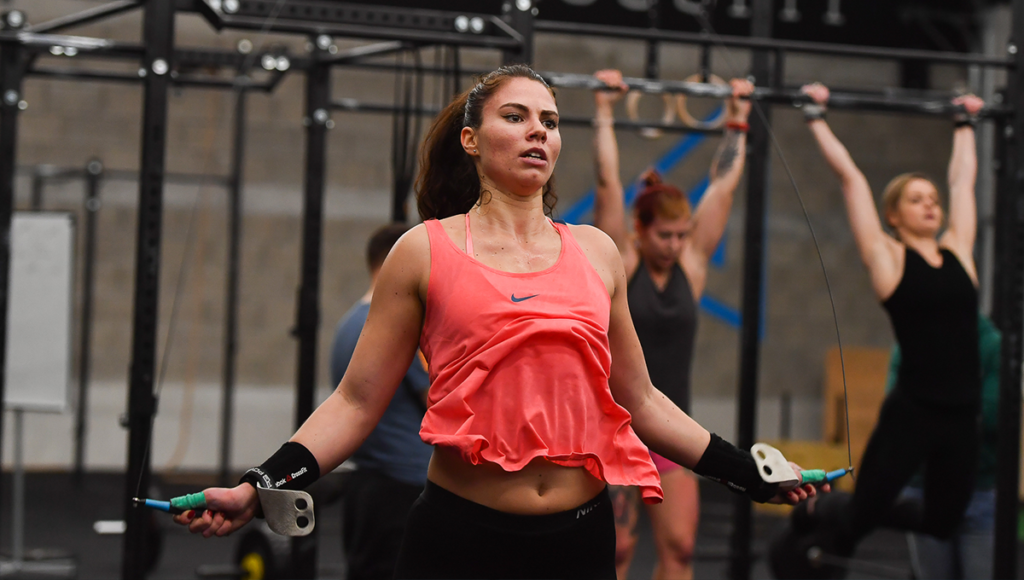


How long can you hold your breath? It’s a test that everyone has tried at some point, but what’s a healthy score?
The Biological Engine Behind Breath Retention
To understand how long you can suspend your breathing, you first need to understand what actually forces you to break it. Many people assume that the urge to breathe comes directly from depleting oxygen reserves. In reality, the physiological trigger that forces an inhale is driven primarily by the accumulation of carbon dioxide in the bloodstream.
When you pause your breathing, your cells continue to consume oxygen to produce energy through metabolic processes. As a byproduct of this energy production, your cells generate carbon dioxide, which diffuses into your blood. Carbon dioxide reacts with water in the blood to form carbonic acid, causing the pH level of your arterial blood to drop. Specialized sensors called peripheral and central chemoreceptors constantly monitor this chemical balance. When carbon dioxide levels reach a specific physiological threshold, your brainstem sends involuntary motor signals to your diaphragm, creating that distinctive contraction or urge to gasp.
Athletes and trained breath holders do not necessarily store vast reserves of extra oxygen in their lungs. Instead, their bodies have developed higher carbon dioxide tolerance and superior metabolic efficiency. Physical conditioning trains the nervous system to remain calm even as chemical signals signal high acidity, allowing athletes to comfortably extend their retention times well beyond normal baseline limits.
The Impact of Age on Breath Duration
Age influences almost every physiological system, including respiratory muscle strength, lung elasticity, and metabolic speed. As people move through different life stages, structural changes occur in the chest wall and lung tissue. Thoracic compliance tends to decrease over time, and vital capacity naturally declines after early adulthood.
Despite these structural shifts, scientific research shows that age alone is not a direct barrier to maintaining a healthy breath hold. Younger adults often display stronger respiratory muscles and higher lung volume, but older adults frequently possess lower resting metabolic rates, which consumes oxygen at a slower pace.
| Age Bracket | Average Untrained Baseline | Physically Active Baseline | Conditioned Target |
|---|---|---|---|
| 18 to 29 Years | 30 to 45 Seconds | 45 to 75 Seconds | 90 to 120 Seconds |
| 30 to 44 Years | 30 to 40 Seconds | 45 to 60 Seconds | 75 to 105 Seconds |
| 45 to 59 Years | 25 to 35 Seconds | 40 to 55 Seconds | 60 to 90 Seconds |
| 60 Years and Older | 20 to 30 Seconds | 30 to 45 Seconds | 45 to 75 Seconds |
The data reveals that while baseline times experience a gentle decline across aging brackets, active habits heavily buffer against age-related drops. An active individual in their fifties often outperforms a sedentary adult in their twenties simply because cardiovascular health preserves systemic vascular elasticity and oxygen transport capacity.
Fitness Level and Cardiovascular Efficiency
Physical fitness is the single largest variable influencing breath retention capacity. Engaging in regular aerobic exercise, high intensity interval training, or strength conditioning alters how efficiently your metabolic engine operates under temporary oxygen restriction.
Cardiovascular exercise improves cardiac output, boosts hemoglobin concentration, and enhances capillarization within skeletal muscle tissue. This structural adaptation allows conditioned muscles to extract and utilize oxygen with high efficiency. Furthermore, endurance athletes often possess a lower resting heart rate. A slower heart rate conserves oxygen during periods of apnea, extending the time it takes for carbon dioxide to build up to critical levels.
| Conditioning Level | Static Breath Hold Expectation | Primary Physiological Driver |
|---|---|---|
| Sedentary Adult | 20 to 30 Seconds | Low carbon dioxide tolerance and higher metabolic rate |
| Moderate Exercise Routine | 45 to 60 Seconds | Improved vascular function and moderate autonomic control |
| Advanced Aerobic Athlete | 60 to 120 Seconds | Low resting heart rate and high oxygen extraction efficiency |
| Trained Freediver or Apnea Specialist | 180 to 300+ Seconds | Extreme chemoreceptor desensitization and mammalian dive reflex activation |
Athletes who engage in breath holding practice also benefit from the activation of the mammalian dive response. When a human holds their breath, especially when face contact with cool water occurs, the autonomic nervous system triggers peripheral vasoconstriction and bradycardia. Blood is shunted away from non-essential extremities and directed toward the heart and brain, dramatically reducing systemic oxygen consumption.
How to Hold Your Breath for 2 Minutes
Body Composition and Respiratory Health
Body composition plays a substantial role in determining breath holding performance. Muscle tissue and adipose tissue both require oxygen for cellular maintenance, but excessive body fat alters respiratory mechanics by increasing the mechanical workload required to expand the chest cavity.
Research investigating body mass index demonstrates that individuals within a normal weight range maintain significantly longer breath holding times compared to individuals classified as obese. Excessive mass around the abdomen and chest wall limits functional residual capacity, which reduces the volume of air stored in the lungs at the start of a breath hold. Carrying higher body mass also elevates resting metabolic rate, meaning available oxygen is consumed faster and carbon dioxide builds up more rapidly.
Maintaining a lean body composition combined with strong core musculature ensures optimal diaphragmatic movement. Proper chest expansion allows for maximum lung inflation, giving the body a larger initial volume of gas to buffer against rising carbon dioxide levels.
Measuring Your Baseline Responsively and Safely
If you want to evaluate your current respiratory efficiency, conducting a safe test on dry land provides useful feedback regarding your metabolic baseline and nervous system regulation. Testing should always occur in a controlled environment, sitting or lying down on a soft surface like a bed or yoga mat. Never attempt breath holding tests in water, while driving, or while operating machinery due to the dangerous risk of hypoxic blackout.
To measure your baseline accurately, begin by sitting comfortably and breathing normally for several minutes to allow your heart rate to settle. Take a smooth, normal breath in, fill your lungs to a comfortable capacity without straining, and start your timer as you hold. The key to a scientific baseline test is stopping the clock at the very first distinct urge to inhale, rather than pushing yourself into extreme discomfort or physical struggle. That initial contraction of the diaphragm marks your natural carbon dioxide threshold.
If your comfortable baseline falls below twenty seconds, your body may be displaying signs of chronic over-breathing or elevated systemic stress. Practicing slow, diaphragmatic nasal breathing during daily activities can help recalibrate your central nervous system, lower your resting respiratory rate, and steadily raise your threshold over time.
Key Takeaways
| Metric Category | Key Scientific Insight | Practical Action |
|---|---|---|
| Primary Breathing Trigger | Rising carbon dioxide levels trigger the urge to inhale, not low oxygen. | Focus on calm, slow breathing to build carbon dioxide tolerance. |
| Influence of Aging | Age brings mild baseline declines, but fitness offsets structural changes. | Maintain regular aerobic exercise to preserve lung compliance. |
| Role of Conditioning | Aerobic training lowers resting heart rate and slows oxygen burn. | Combine cardio workouts with targeted breath awareness. |
| Impact of Body Mass | Higher body mass increases oxygen consumption and restricts lung volume. | Maintain a healthy body composition to optimize thoracic movement. |
| Safe Baseline Testing | Baseline tests must measure the first urge to breathe on dry land. | Never push to exhaustion and never test breath holds near water alone. |
References
- Bain, A.R., Ainslie, P.N., Banzett, R.B. and Duffin, J., 2018. Physiological mechanisms of the urge to breathe during respiratory depression and apnea. Journal of Applied Physiology, 125(4), pp.1220-1229.
- Bhargava, R. and Kumar, A., 2024. Physical fitness, body mass index, and their correlation with static breath-holding time in young adults. Ethiopian Journal of Health Sciences, 34(2), pp.145-152.
- Costello, J.T., Sharma, A. and Tipton, M.J., 2020. The physiological responses to breath-hold diving in humans: A review of the mammalian dive response. Experimental Physiology, 105(9), pp.1412-1425.
- Duffin, J., 2011. Measuring the respiratory chemoreflex drive: The role of carbon dioxide accumulation during breath holding. Respiratory Physiology & Neurobiology, 177(2), pp.71-79.
- Skow, R.J., Day, T.A., Sloan, R.E., Peltonen, J.D. and Foster, G.E., 2015. The vascular and autonomic responses during static apnea in trained and untrained individuals. European Journal of Applied Physiology, 115(8), pp.1645-1656.
- Thomas, M.P., Patel, K. and Smith, J.L., 2017. Age-related changes in thoracic compliance and breath retention duration. Journal of Aging and Physical Activity, 25(3), pp.389-397.