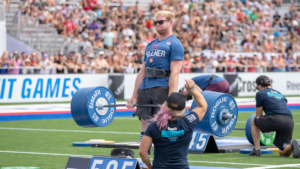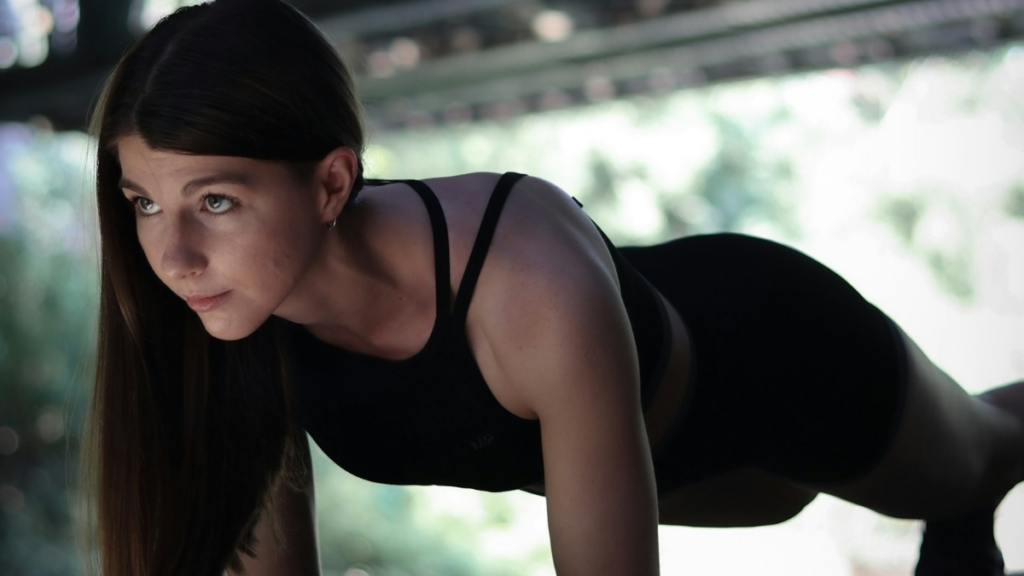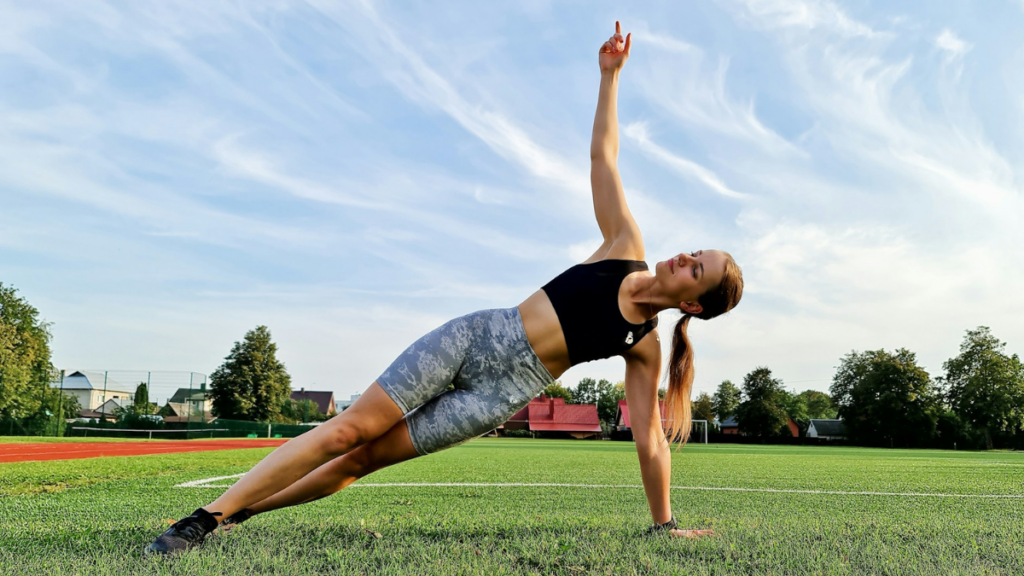


Walk into almost any CrossFit box, HYROX training center, or commercial gym, and you will eventually see someone trembling on their forearms, staring intently at the floor with pain etched into their face, fighting against gravity.
The isometric prone bridge, universally known as the plank, has well earned its reputation as a brutal test of core endurance. It looks simple enough from a distance because the body is held in place. Yet, beneath that motionless exterior, every muscle from your shoulders down to your calves is screaming for relief.
But when it comes to you, how long should you be able to hold it for? What constitutes a decent score, what should you aim for? Read on to find out.
Before dropping to the floor to test your limits, it helps to understand why the stopwatch does not tell the whole story.
The human body undergoes subtle structural and metabolic shifts as the decades roll by. The standard for a high school sprinter is vastly different from the expectation for a fifty year old marathoner. The true scientific benchmark for your specific age bracket might surprise you, especially when you discover what biomechanics researchers actually say about maximal hold times.
The Biomechanics of Core Stability
To understand why age influences plank performance, you first need to look at what is happening under the hood during an isometric hold. The plank is not just an abdominal exercise. It is a full body stability event that relies on co-contraction across multiple joint complexes.
When you lift your torso and legs off the mat, your rectus abdominis, internal and external obliques, and transverse abdominis contract simultaneously to prevent your lumbar spine from sagging into extension. At the same time, the erector spinae along your spine, the gluteus maximus, and the quadriceps lock together to maintain a rigid horizontal lever arm. Your anterior deltoids and serratus anterior stabilize your scapulae against your ribcage.
Because your joint angles remain static throughout the movement, your muscle fibers rely primarily on isometric endurance. This metabolic state restricts blood flow within the muscle tissue, creating localized muscle ischemia and requiring quick clearance of metabolic byproducts like hydrogen ions.
As we age, natural physiological changes occur within our muscular system. Age-related loss of muscle mass, known medically as sarcopenia, preferentially affects fast-twitch type II muscle fibers. While isometric endurance relies heavily on fatigue resistant slow-twitch type I fibers, overall muscle cross-sectional area and motor unit recruitment decline over time. Connective tissues lose elasticity, and maximum oxygen uptake gradually decreases. These natural processes alter how long a person can maintain rigid structural alignment against fatigue.
What Sports Science Says About Age Norms
When fitness enthusiasts look for plank benchmarks, they often expect a clear linear chart that drops neatly with every passing decade. However, peer reviewed exercise science paints a far more nuanced picture.
In a landmark study published in the International Journal of Exercise Science, researchers Strand, Hjelm, and colleagues evaluated physical performance norms, including the front plank, across hundreds of college aged individuals. Their data established that young, active adults typically achieve median hold times ranging between 70 and 110 seconds, depending on biological sex and activity background. Among athletic populations in this young cohort, average endurance times often push past the two-minute mark.
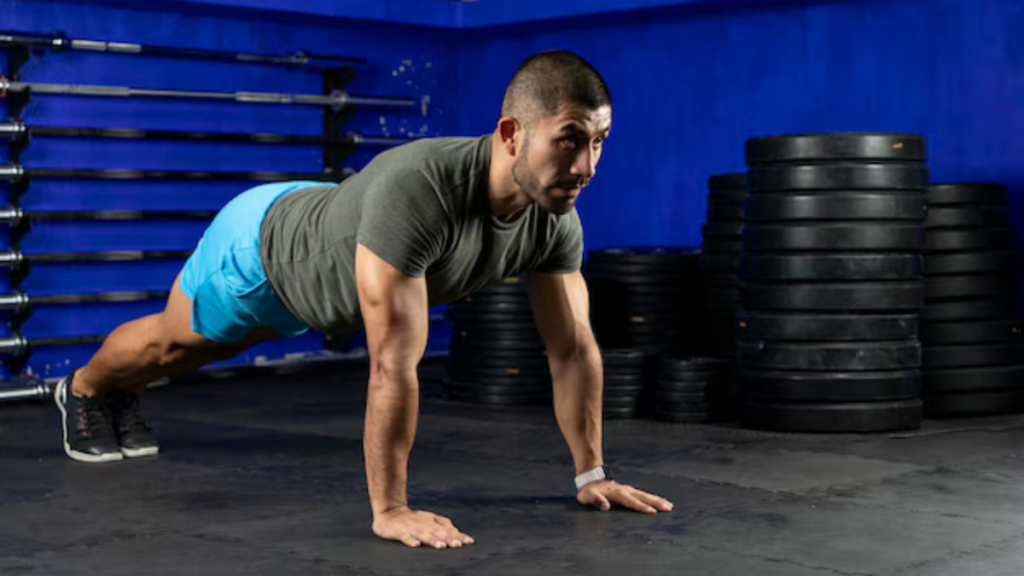
To understand how performance shifts across a broader lifespan, researchers Bohannon, Magasi, and their team conducted a comparative study on the prone bridge test across distinct adult age brackets. Their findings published in the Journal of Bodywork and Movement Therapies revealed a clear trend: younger adults between 20 and 35 years old demonstrated significantly longer average hold times than adults in the 60 to 79 age bracket.
Specifically, young men in the study achieved an average hold time of approximately 177 seconds, while young women averaged roughly 152 seconds. In the older cohort aged 60 to 79, mean hold times dropped to around 127 seconds for men and 125 seconds for women. This data highlights that while core endurance does naturally decline with age, the drop is remarkably gradual for active individuals. In fact, older adults who maintain consistent physical activity frequently outperform sedentary individuals who are decades younger.
The table below breaks down published research benchmarks and observational fitness standards for front plank endurance across different age brackets.
| Age Group | Male Benchmark Range | Female Benchmark Range | Target Fitness Category |
| 18 to 29 Years | 90 to 180 Seconds | 75 to 150 Seconds | High Isometric Endurance |
| 30 to 39 Years | 75 to 150 Seconds | 60 to 120 Seconds | Solid Functional Endurance |
| 40 to 49 Years | 60 to 120 Seconds | 45 to 105 Seconds | Moderate Core Stability |
| 50 to 59 Years | 45 to 90 Seconds | 30 to 75 Seconds | Health Maintenance Standard |
| 60 Years and Older | 30 to 60 Seconds | 30 to 60 Seconds | Functional Core Protection |
Quality Versus Duration: The Diminishing Returns of the Plank
Now that the numbers are on the table, a critical question emerges: should your goal be holding a plank for five or ten minutes?
The short answer from biomechanics experts is a resounding no. Legendary spine biomechanics researcher Dr. Stuart McGill of the University of Waterloo has spent decades analyzing spinal loading and core stiffness. McGill’s research demonstrates that the primary purpose of the abdominal wall is to create stiffness and arrest unwanted motion, protecting the lumbar spine from compressive and shear forces.
When an athlete holds a plank past two minutes, muscle fatigue inevitably causes micro-adjustments in posture. The pelvis begins to tilt anteriorly, the lower back arches into hyper-lordosis, and the shoulder blades wing outward. At this point, the load shifts away from active muscular bracing and transfers onto passive structures like lumbar ligaments and spinal facet joints. Holding a plank with compromised form does not build functional strength; it simply increases the risk of lower back strain.

Dr. McGill’s clinical testing protocol suggests that for general health, injury prevention, and athletic transfer, building endurance across multiple shorter, high-intensity holds is far superior to pushing a single hold to total muscular failure. Holding a clean, rigid plank for 10 to 30 seconds with maximum muscular irradiation yields better athletic returns than sagging through a three-minute fatigue fest.
How to Test Your Plank Time Accurately
If you want to measure where you stand relative to your age group, you must execute the test with strict laboratory level standards. The moment your technique degrades, the timer must stop.
3 Huge Benefits of EZ Bar Curls for Beginners that Want Bigger Biceps
Step 1: Set Up the Base
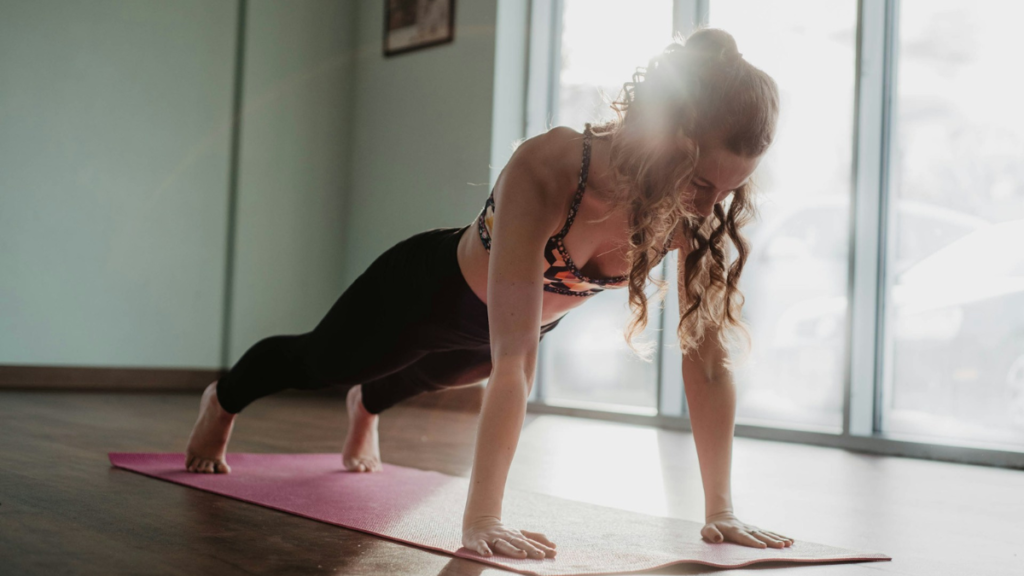
Place your forearms on an exercise mat with your elbows positioned directly beneath your shoulders. Your forearms should lie parallel to each other, with hands flat on the floor or loosely fisted.
Step 2: Establish the Neutral Line
Extend your legs fully behind you with your toes tucked under, hip-width apart. Lift your hips until your body forms a straight line from your ears through your shoulders, hips, knees, and ankles. Squeeze your glutes, lock your quadriceps, and pull your belly button gently toward your spine to brace your midsection.
Step 3: Maintain Rigid Head and Shoulder Position
Keep your neck in a neutral position by looking at a spot on the floor slightly in front of your hands. Push actively through your forearms to keep your upper back flat, preventing your shoulder blades from collapsing together.
Step 4: Time Until First Form Break
Start the stopwatch as soon as you achieve full extension. Have a training partner watch your profile. Stop the timer immediately if your hips sag toward the floor, your hips pike upward into an inverted V, or your head drops dramatically. That final time is your true baseline score.
The table below outlines common form mistakes during the plank test and their physical consequences.
| Execution Errors | Biomechanical Flaw | Physical Consequence |
| Sagging Lower Back | Anterior Pelvic Tilt | High lumbar compression and strain |
| Piking Hips Upward | Hip Flexor Dominance | Unloads abdominal wall, invalidates test |
| Scapular Winging | Weak Serratus Anterior | Excessive stress on shoulder joint capsule |
| Forward Neck Reaching | Cervical Hyperextension | Upper trapezius and neck tension |
Programming Strategies to Improve Core Endurance Across Ages
Whether you are 25 or 65, improving your core stability relies on smart progressive overload rather than brute force stopwatch chasing.
For younger athletes looking to build maximal trunk stiffness, progressive overload should involve harder isometric variations rather than longer durations. Adding weight plates across the upper back, utilizing single-leg elevated planks, or introducing unstable surface variations like gymnastics rings forces higher motor unit recruitment.
For middle-aged and older athletes, the focus shifts toward maintaining movement quality, protecting joint structures, and building endurance through interval volume. Instead of attempting one long hold to failure, utilize the McGill Big Three concept. Perform repeated short holds of 10 to 15 seconds, resting for two to three seconds in between, over several sets. This approach builds massive endurance capacity without accumulating the neuromuscular fatigue that leads to spinal sagging.
Additionally, dynamic core stability exercises like dead bugs, bird-dogs, and suitcase carries complement the plank by teaching your core to stabilize the spine while your extremities move freely.
Key Takeaways
| Focus Area | Core Insight | Practical Action |
| Age-Related Trends | Core endurance naturally declines around 10 to 15 percent per decade after age 35. | Compare your times against age-appropriate benchmarks, not teenagers. |
| The 60-Second Ceiling | Holding a clean plank for 60 seconds satisfies functional health standards for most adults. | Focus on perfect form rather than chasing extreme hold durations. |
| Quality Over Quantity | Form breakdown shifts compressive loads directly onto passive lumbar spine structures. | Terminate the set the instant your hips sag or your upper back collapses. |
| Training Progression | Repeated short, high-tension holds build endurance more safely than single long sets. | Program sets of 10 to 30 second holds with high muscular tension. |
References
Bohannon, R.W., Magasi, S.R., Bubela, D.J., Wang, Y.C. and Gershon, R.C., 2018. The prone bridge test: Performance, validity, and reliability among older and younger adults. Journal of Bodywork and Movement Therapies, 22(2), pp.385-389.
Chase, K.A., Brigham, C.E. and Strand, B., 2014. Fitness Norms for the Plank Exercise. International Journal of Exercise Science: Conference Proceedings, 9(2), p.14.
McGill, S.M., 2001. Core training: Evidence-based endurance progression. Current Sports Medicine Reports, 1(1), pp.50-56.
McGill, S.M., Grenier, S. and Bluhm, M., 2003. Previous low back injury decreases cost-effective stability during unexpected trunk loading. Journal of Biomechanics, 36(8), pp.1147-1153.
Strand, B., Hjelm, J., Shoepe, T.C. and Magnus, M.R., 2014. Normative data for core muscular endurance in young adults. Journal of Physical Education and Sports Management, 1(2), pp.22-31.