

Building bigger triceps requires more than choosing an exercise that makes your arms burn. The triceps brachii is the largest muscle group in the upper arm, and it contributes strongly to pressing performance, elbow extension strength, and the visual size of the arm. Dips and the close grip bench press are both effective compound exercises for training it, but they do not offer exactly the same benefits.
The most important point is that no direct long term study has compared dips and close grip bench press for triceps growth alone. That means nobody can honestly claim that one has been proven to build more triceps in every lifter.
However, research on muscle activity, movement mechanics, resistance training volume, loading, and hypertrophy gives us a useful answer: both can build substantial triceps size, but the close grip bench press is usually the more practical primary choice for targeted, progressive triceps training. Dips can be an excellent addition when your shoulders tolerate them well and you can perform them with control.
What Makes Triceps Grow?
Muscle growth is driven largely by repeated high tension contractions, enough challenging training volume, and progressive overload over time. Resistance training research shows that hypertrophy can occur across a wide range of loads when sets are performed with sufficient effort. This means that both heavier sets and lighter sets can contribute to triceps growth, provided the work is demanding and progression is maintained.

The triceps brachii has three heads. All three extend the elbow, while the long head also crosses the shoulder joint. That detail matters because exercises that involve different shoulder positions can change how the muscle contributes to the movement. Neither dips nor close grip bench presses isolate the triceps completely, since the chest and front of the shoulders also assist. Still, both exercises ask the triceps to produce meaningful elbow extension force.
For long term arm growth, the best exercise is usually the one you can load safely, perform consistently, take close to muscular failure when appropriate, and progressively improve over months. That practical reality often matters more than small differences in laboratory muscle activity.
How Dips Train the Triceps
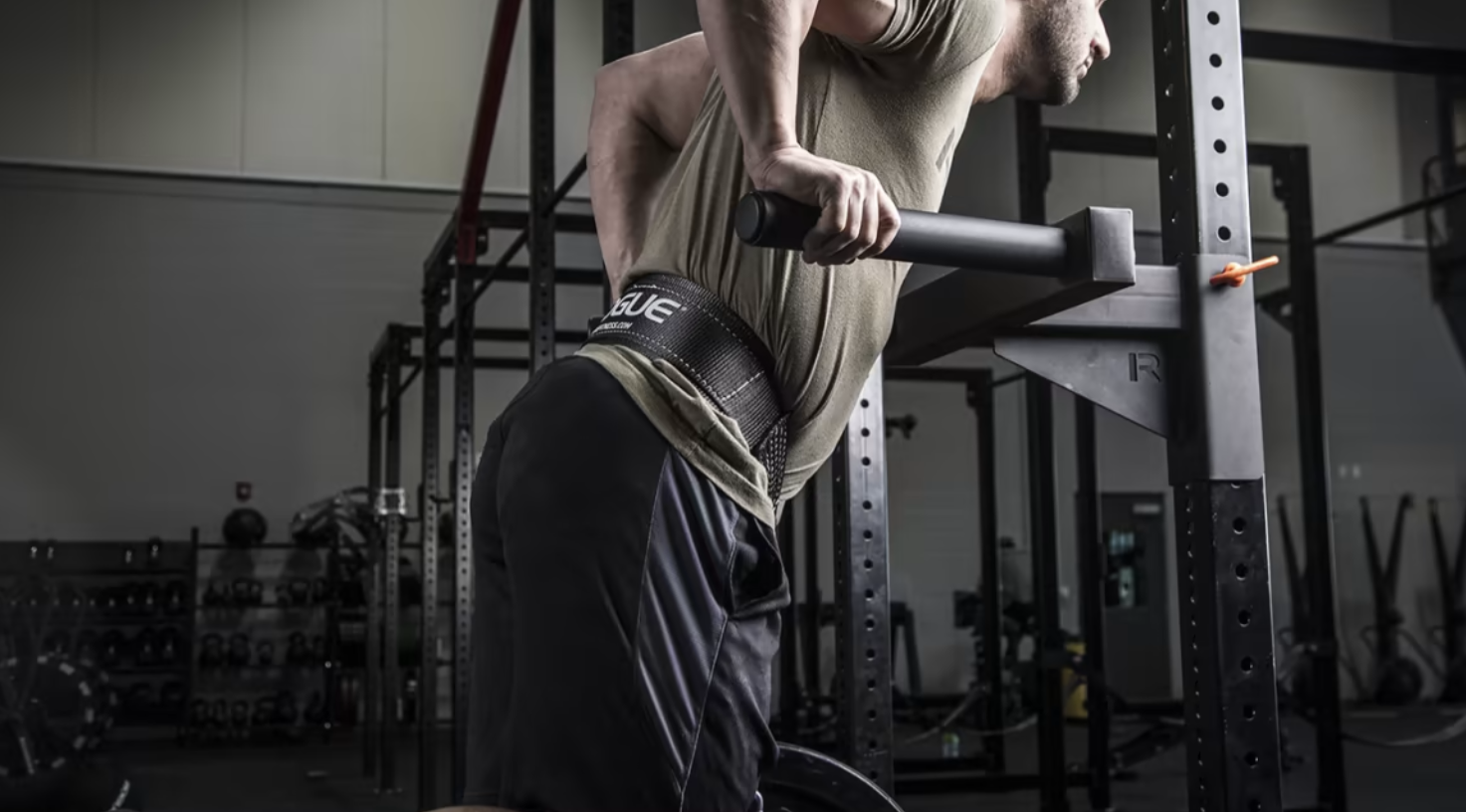
Parallel bar dips involve lowering and raising your body between two bars. The movement requires elbow extension, shoulder extension, and substantial control from the muscles around the shoulder blade. The triceps work hard during the ascent, especially as the elbows extend to return the body to the starting position.
Muscle Activity and Movement Demands
Research comparing bench dips, bar dips, and ring dips found that bar dips produced greater peak triceps activity than bench dips. Bar dips also created substantial activation in several muscles that stabilize and move the shoulder complex. This supports the common training experience that a full parallel bar dip is a demanding compound press rather than a simple arm exercise.
3 Best Beginner Quad Exercises for Jacked and Muscular Legs
The same research found that dip variations differ in their movement mechanics. Bar dips require less shoulder extension than bench dips, which is important because deep shoulder extension can be uncomfortable for some lifters. A conventional bar dip is therefore generally a better choice than a bench dip when the goal is hard upper body training, although individual tolerance still matters.
Dips also use a large percentage of body mass. For stronger lifters, external weight can be added with a belt or vest, allowing progressive overload. This makes weighted dips capable of producing high mechanical tension through the triceps, chest, and shoulders.
The Limitation of Dips for Triceps Size
The main drawback is that dips are not always limited by the triceps. Depending on torso position, shoulder anatomy, depth, and technique, the chest and front deltoids may become the limiting muscles. Leaning forward usually shifts more demand toward the chest, while staying more upright can make elbow extension a larger part of the movement.
Dips also require a level of shoulder comfort and control that not every lifter has. The bottom position can place the shoulder in significant extension, particularly when range of motion is forced past what the individual can control. The exercise is not inherently unsafe, but it is a poor choice to push aggressively through pain or unstable shoulder positioning.
How the Close Grip Bench Press Trains the Triceps
The close grip bench press uses a narrower hand position than a conventional bench press. The narrower grip generally increases elbow flexion and extension demands, allowing the triceps to contribute more strongly during the press. It remains a compound movement, but it gives the lifter a more stable setup and a more predictable loading environment than dips.
Grip Width and Triceps Contribution
Research examining bench press grip widths shows that a narrower grip can increase triceps activity relative to wider grips. It also changes the mechanics of the lift by placing the hands closer together and increasing the elbow extension contribution needed to finish each repetition.
A close grip does not mean pressing with the hands touching. An excessively narrow grip can feel awkward at the wrists and may reduce how much weight can be used. A moderate close grip, with the hands inside normal bench press width but still comfortable, is usually enough to shift the exercise toward the triceps.
Research comparing traditional and close grip bench press variations also shows that the close grip version has distinct mechanical characteristics. Lifters typically use less load than they can in a wider grip bench press, but the exercise still permits reliable progression with a barbell, dumbbells, or a Smith machine. The stable bench setup makes it easier to standardize technique and track performance over time.
Why It Is Easier to Progress
The close grip bench press gives you precise control over resistance. You can add small amounts of weight, use different rep ranges, and adjust the load without needing to change your body weight. That makes it especially useful for lifters whose body weight is either too light for dips to be challenging or too heavy for them to perform comfortable full range repetitions.
It is also easy to regulate effort. A lifter can use a spotter, safety pins, or a machine variation to train hard without taking on the same balance and shoulder stability demands that come with dips. For hypertrophy work, this can make the close grip bench press easier to perform near muscular failure with consistent technique.
Which Exercise Is Better for Bigger Triceps?
For most people, the close grip bench press wins as the better primary exercise for triceps hypertrophy. This is not because dips fail to train the triceps. They clearly do. The advantage comes from the close grip bench press being easier to load, easier to standardize, and easier to progress with a triceps focused technique.
The ability to make small load increases is valuable because progressive overload is a core part of effective resistance training. A lifter can gradually add weight, repetitions, or sets while keeping the movement pattern stable. With dips, progression can be less straightforward. Body weight changes affect the exercise, and adding external load may create large jumps in difficulty.
That said, strong lifters who can perform controlled weighted dips without shoulder discomfort may find dips extremely productive. Dips offer a large range of motion, heavy loading potential, and high triceps involvement. They can also provide an efficient way to train the triceps, chest, and shoulders in one exercise.
The practical verdict is simple. Use the close grip bench press if you want the most controllable route to progressive triceps overload. Use dips if they feel good, fit your equipment, and you can perform them through a controlled range of motion. Many lifters will benefit from including both at different points in their training.
Technique That Keeps the Focus on the Triceps
For close grip bench pressing, use a grip that is narrower than your usual bench press grip but wide enough to keep the wrists stacked comfortably over the forearms. Keep your upper back tight against the bench, lower the bar with control, and allow the elbows to travel at an angle that feels natural rather than forcing them tightly against the torso. Press the bar by extending the elbows while keeping the bar path steady.
For dips, begin with the shoulders controlled and the torso tall. Lower only as far as you can without losing shoulder position or feeling pain at the front of the shoulder. Keep the descent controlled, then press the bars down and extend the elbows to return to the top. If your main goal is triceps development, a more upright torso is usually a better starting point than an aggressive forward lean.
Neither exercise needs extreme range of motion to build muscle. A full, controlled range that your joints tolerate is more useful than chasing depth that causes discomfort or changes your technique.
Programming for Triceps Growth
Research on resistance training volume indicates that greater weekly training volume generally supports greater hypertrophy, although the ideal amount varies between individuals. Compound pressing work counts toward triceps training volume, but the triceps may still benefit from direct elbow extension exercises such as cable pressdowns or overhead extensions.
A useful approach is to perform close grip bench presses or weighted dips early in a workout, when you can use good technique and challenging loads. Moderate rep work is practical for both exercises, but muscle growth can occur with lower or higher repetitions when effort is high. The key is to finish most working sets with only a small number of repetitions left in reserve, while maintaining control.
If you train the chest and shoulders hard, you may need fewer additional sets for the triceps. If arm size is a priority, you may need more direct triceps work after your compound presses. Watch your performance, recovery, elbow comfort, and arm measurements over several weeks, then adjust volume gradually.
The Bottom Line
Dips and close grip bench presses can both build bigger triceps. Dips offer demanding body weight resistance and can become a powerful mass builder when loaded. However, the close grip bench press is usually the better first choice because it provides more precise loading, easier progression, and a stable platform for hard triceps focused training.
Choose dips if you enjoy them, your shoulders feel good, and you can control the bottom position. Choose the close grip bench press if you want a reliable, measurable exercise for long term triceps progression. For the best overall result, build your program around the movement you can train hard and consistently, then use the other as a complementary variation when it suits your recovery.
References
- Baz-Valle, E., Fontes-Villalba, M., Santos-Concejero, J., Balsalobre-Fernández, C. and Amaro-Gahete, F.J. (2022) ‘A systematic review of the effects of different resistance training volumes on muscle hypertrophy’, International Journal of Environmental Research and Public Health, 19(5), 2575.
- Krzyszkowski, J. and Kipp, K. (2017) ‘Relationships between mechanical variables in the traditional and close-grip bench press’, Sports, 5(4), 88.
- McKenzie, A.K., Crowley-McHattan, Z.J., Meir, R.A. and Whitting, J.W. (2022) ‘Bench, bar, and ring dips: Do kinematics and muscle activity differ?’, International Journal of Environmental Research and Public Health, 19(20), 13211.
- Schoenfeld, B.J., Grgic, J., Ogborn, D. and Krieger, J.W. (2017) ‘Strength and hypertrophy adaptations between low versus high-load resistance training: A systematic review and meta-analysis’, Journal of Strength and Conditioning Research, 31(12), pp. 3508-3523.
- Schoenfeld, B.J., Ogborn, D. and Krieger, J.W. (2017) ‘Dose-response relationship between weekly resistance training volume and increases in muscle mass: A systematic review and meta-analysis’, Journal of Sports Sciences, 35(11), pp. 1073-1082.
- Sæterbakken, A.H., Andersen, V., van den Tillaar, R. and Fimland, M.S. (2021) ‘The effect of grip width on muscle strength and electromyographic activity in bench press among novice and resistance-trained men’, Journal of Functional Morphology and Kinesiology, 6(2), 47.
Key Takeaways
| Exercise | Best use | Main advantage | Main consideration |
|---|---|---|---|
| Close grip bench press | Primary triceps strength and size work | Precise loading and simple progression | Requires a bench and suitable equipment |
| Parallel bar dip | Compound upper body mass building | High triceps demand with body weight or added load | Shoulder comfort and controlled depth matter |
| Best overall choice | Most lifters seeking bigger triceps | Close grip bench press is easier to progress consistently | Dips remain an excellent complementary exercise |