

In theory, a rest day means you’re not working out. Your body needs a break, so there are no weights in sight, and you shouldn’t be thinking about your PRs. Then some influencer coach says you still need to hit 10,000 steps that day. It doesn’t matter that you’re resting; that’s not an excuse to be lazy! Grab your foam roller, stretch, prep your meals, check your recovery score, take a cold plunge if you can, and don’t forget to check your recovery score!
That’s active recovery for you. But isn’t active recovery almost an oxymoron? When exactly are you supposed to rest when there’s something to do all day?


Plenty of this stuff is useful, sure, but you can’t do it all in one day. And you definitely SHOULDN’T try to do it all on a rest day. That being said, the point of rest days isn’t to stuff your face with junk food and lie on the couch.
The reason why they’re necessary is that this gives all that training you did the time it needs to work.
How Recovery Became Work
If you’re wondering why anyone would even bother writing a whole article about recovery, then your thinking is right. What’s there to talk about? Enjoy the day off and let your body recover.
But now there’s a whole industry built around recovery because, apparently, you’re supposed to want to recover faster and better. There’s nothing wrong with that, but it sort of implies that recovering any other way than that is wrong, which isn’t true.
Just taking it easy is okay. It’s recovery done right, so remember that. You might feel like you should be doing this or that, but things like foam rolling and mobility work are optional. If you want to do that – go ahead. If not – that’s fine, too. Recovery almost became this box you need to tick, but in order to do that, you have to complete all these steps to make your recovery more ‘efficient.’
That’s a lot of pressure, and it creates a lot of confusion. On the one hand, you’re supposed to take it easy and rest. But on the other, you’re supposed to do all these things because otherwise, you’re not doing enough. It’s messy and makes recovery seem like a performance.
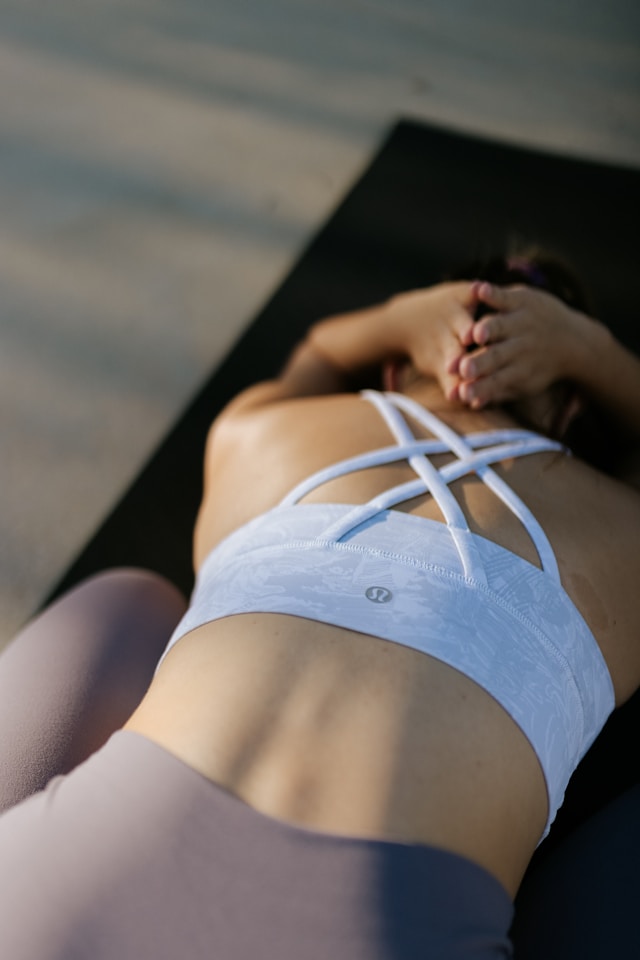
Bottom line – if you have a recovery habit you like (e.g., light cardio, stretching, tracking your sleep, and so on), then you should keep at it. It means it has its place. But if you feel pressure, then it’s not for you. Rest days don’t have to be productive in order to ‘work.’
What You Should Pay Attention to
Some people turn rest days into a job, which is a waste of time and energy. Here’s what ACTUALLY deserves your attention.
Sleep Before Tracking
Some people will tell you that your sleep needs to be ‘optimized.’ That kind of makes sense, but not in the way that you need to sleep with a smart watch on so you can track your score.
The point is to sleep well and wake up rested. That’s it. That’s optimized sleep. Forget about the score because the only thing that matters is how you feel. Try to go to bed at around the same time each day, and get your 8 hours (of uninterrupted sleep) in.
End of story.

Food Before Extras
Food first, supplements second. Your body always needs nutrients. It doesn’t matter what you’re doing. Get enough protein, enough water, and then (and only then) you can think about additions.
Some supplements can sometimes be useful for some people, but not necessarily for everyone.
If you do decide to introduce supplements into your health routine, you need to know what you’re taking and why, especially when you start to browse peptide bioregulator supplements or botanicals. Most people aren’t that familiar with the more specialized kind of supplements, so take your time to do some research.
Move, But Don’t Work Out
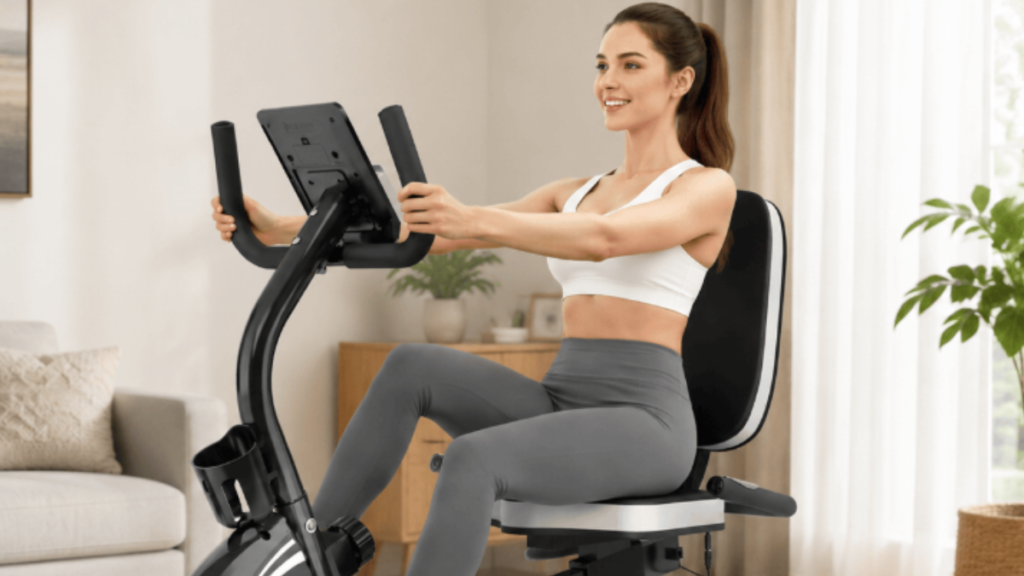
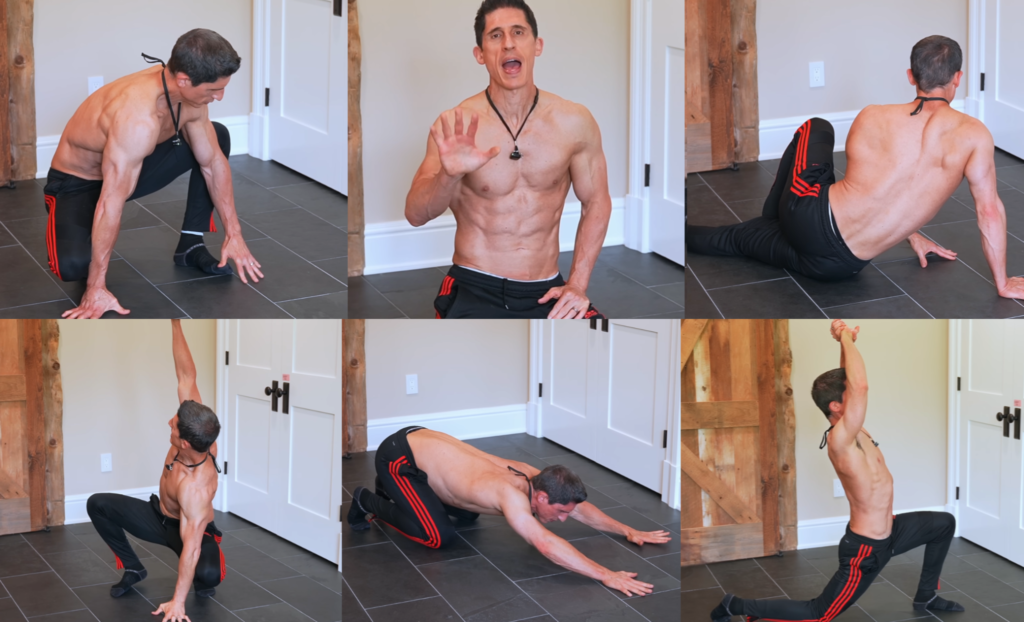
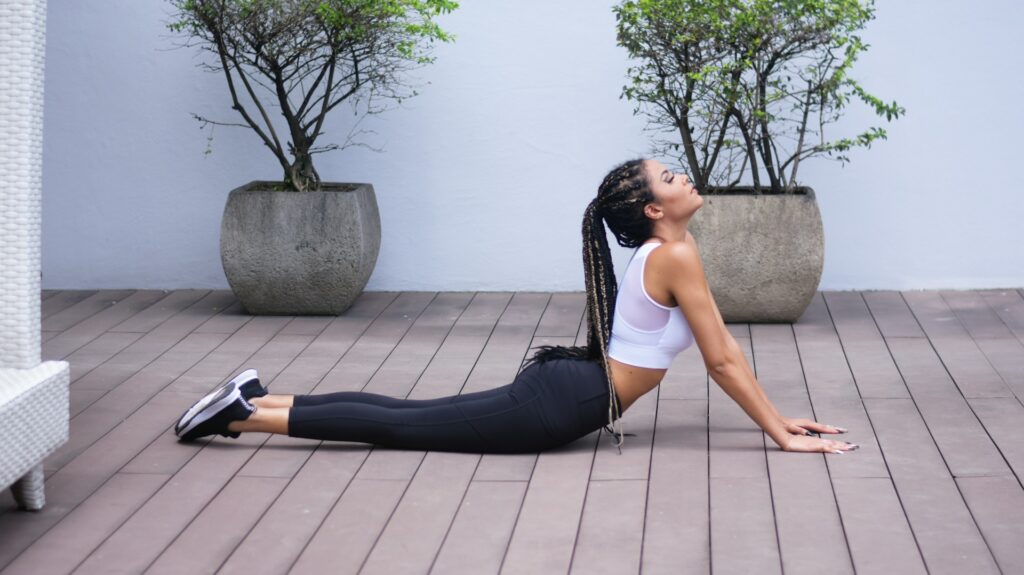
Light movement is perfectly fine for a rest day. You can take a walk, ride a bike, do some light mobility training, or whatever else you like that’ll get you off the couch, but that won’t feel like a workout.
The issue here is that ‘light movement’ can become a target.
If you decide to take a walk but you’re counting your steps to hit a goal, then what’s the point? This isn’t a break from training but another type of training.
Conclusion
You’re not trying to impress anyone with your rest day, and if you try to, then the whole thing loses its point. You don’t need tools and wearables, just a couch and maybe a comfortable pair of shoes if you decide to go for a walk.
Take it easy because that’s exactly what your body needs right now. Besides, why would you even want to mess with a guilt-free day of doing nothing while also doing something that’s good for you?