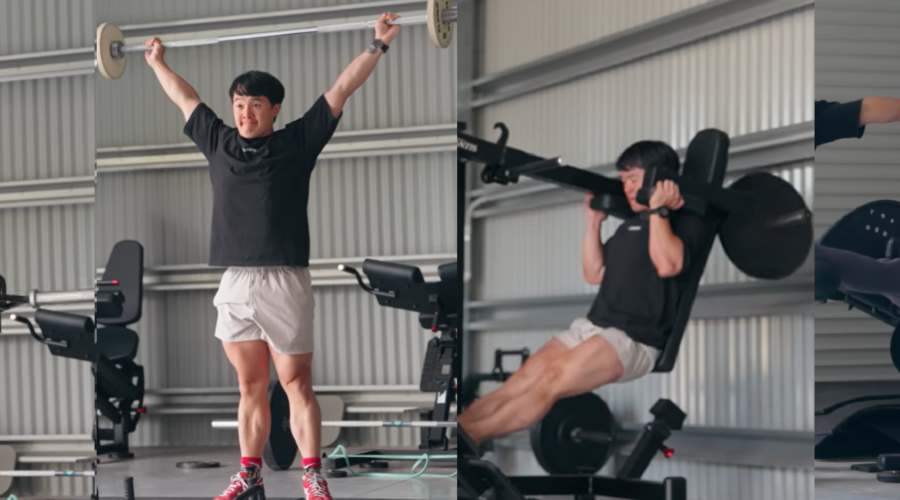


In a YouTube video, strength coach and former bodybuilder Eugene Teo took viewers through his full athletic lower-body training session alongside multi-time physique world champion Hattie Boydle.
Rather than focusing solely on muscle growth, the workout was designed to improve power, movement quality, coordination, and overall athleticism while still building strength and muscle. Teo explained that Boydle had recently begun exploring a more athletic style of training after years of physique-focused preparation.


Plyometric Warm Up – Pogos & Hops
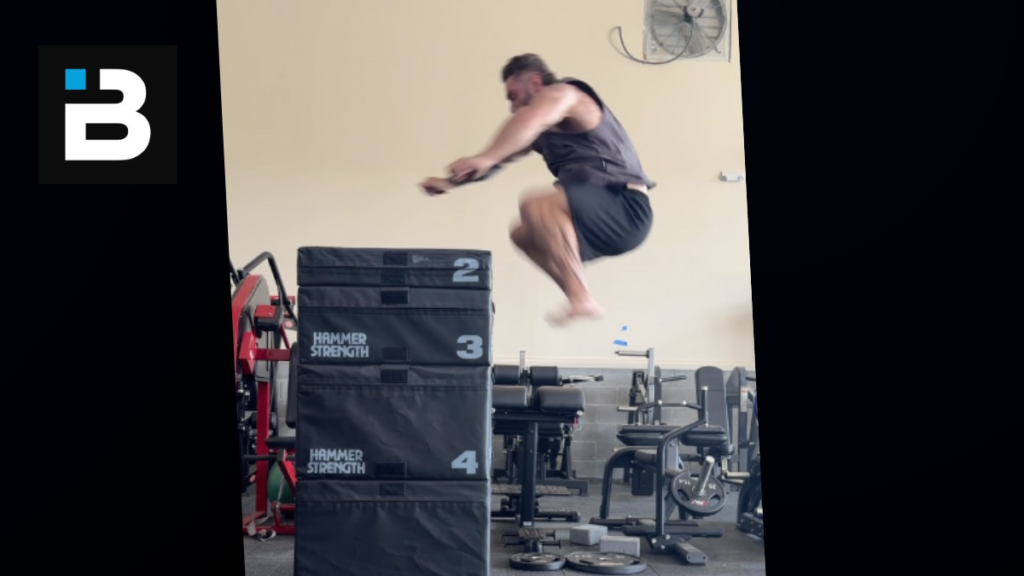
After a general warm-up featuring Copenhagen planks and core activation exercises, Teo moved into a series of plyometric drills including pogo jumps and hops.
The goal was to develop reactive strength and improve the body’s ability to absorb and transfer force efficiently. Teo emphasized maintaining proper posture and alignment rather than relying on quad dominance, something he frequently sees in athletes coming from a bodybuilding background. According to Teo, these drills help develop athletic qualities that are often overlooked in traditional physique training.
Snatch Grip High Pull & Trap Bar Jump
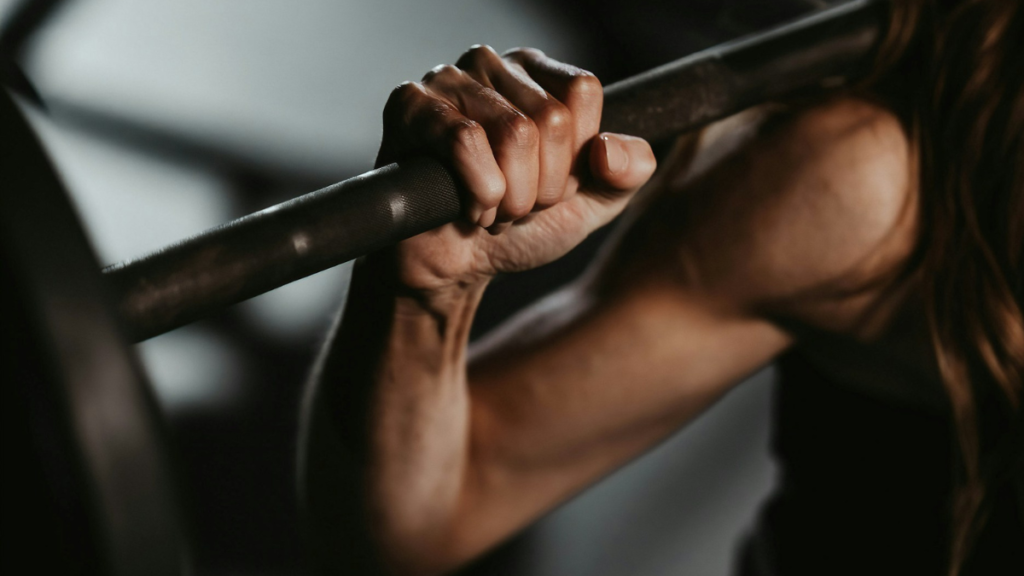
The next phase focused on power development. Using trap bar jumps and snatch-grip high pulls, Teo explained the difference between strength and power. While strength reflects how much force an athlete can produce, power measures how quickly that force can be generated.
Trap bar jumps served as an accessible entry point for explosive training, while Teo also highlighted the benefits he has experienced from learning Olympic lifting movements. The goal was not maximal loading but generating force as quickly and explosively as possible.
Pendulum Squat
After the athletic-focused work, the session transitioned into more traditional strength training with pendulum squats. Teo stressed that athletic development and bodybuilding should not be viewed as separate training philosophies. Instead, he believes both can complement one another when used appropriately.
“It’s not about saying bodybuilding is bad or powerlifting is bad. It’s about doing all of it.”
During Boydle’s sets, Teo also addressed minor quad discomfort by making adjustments to her hip mobility and head position, demonstrating how small technical changes can improve movement quality and comfort under load.
Leg Curl
The seated leg curl was chosen as the primary hamstring exercise. Teo explained that he prefers the seated variation because it places the hamstrings in a lengthened position while providing stability that limits unnecessary movement.
He also noted that strengthening the hamstrings under stretch may help build resilience, particularly for athletes who sprint, jump, or perform explosive lower-body movements.
Hyperextension
The final exercise of the session was the hyperextension. Teo admitted this movement has been a personal challenge due to his naturally mobile spine, which can make it difficult to maintain the stiffness needed to effectively target the glutes and hamstrings.
Using Boydle’s technique as an example, he highlighted the importance of bracing the core, engaging the lats, and maintaining a stable spine throughout the movement. The result was a workout that combined mobility, power, strength, and hypertrophy into a single lower-body session designed to build a more complete athlete.
About the Author
Jeremiah Oliva
Jeremiah Oliva is a writer passionate about fitness, sports, and active living. He has experience in songwriting and managing content and social media for online radio and magazine platforms.
He covers HYROX, CrossFit®, and competitive fitness, with a focus on performance, mindset, and athlete development.
Outside of writing, Jeremiah trains in boxing, cycles, explores the outdoors with his kids, and plays the guitar.