

There was a time when fitness identities were easier to explain. You were a runner. You lifted. You did CrossFit. You went to the gym. Maybe you were the person training for a marathon, the one chasing a heavier clean, or the one who showed up to class after work and did whatever was written on the board. The labels were never perfect, but they gave people a way to understand what they did, where they belonged and what kind of fitness they valued.
Now they feel a little too small. Look around any gym, box, running club or race weekend and the lines are not as clean as they used to be. The runner is lifting. The lifter is signing up for a race. The CrossFitter is doing HYROX. The gym-goer has a competition date on the calendar. The person who used to train just to “stay fit” now wants a score, a finish time, a ranking, a photo, a reason.


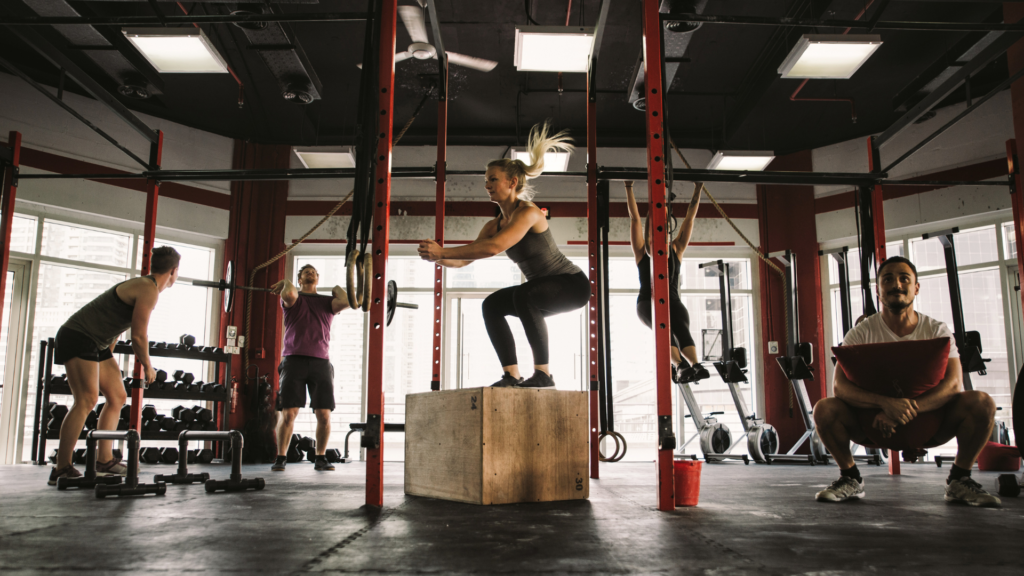
Something has shifted. Not just in programming, but in identity.
People have always cross-trained in one way or another. That part is not new. What feels different now is that doing more than one thing has become part of the identity itself. Fitness is no longer only about looking strong, lifting heavy or running fast. Increasingly, it means being able to move between different demands without falling apart.
What used to be a clean label has become a rotating training calendar. Monday might be strength. Tuesday intervals. Thursday a class. Saturday a long run. Somewhere in between, there is mobility, recovery, a race sign-up, a competition plan and probably someone convincing themselves that sled pushes are “fun.” The point is not that everyone is training like an elite athlete. Most are not. The point is that more people are building their fitness around range instead of category.
And whether people want to admit it or not, CrossFit played a major role in making that idea feel normal.
CrossFit
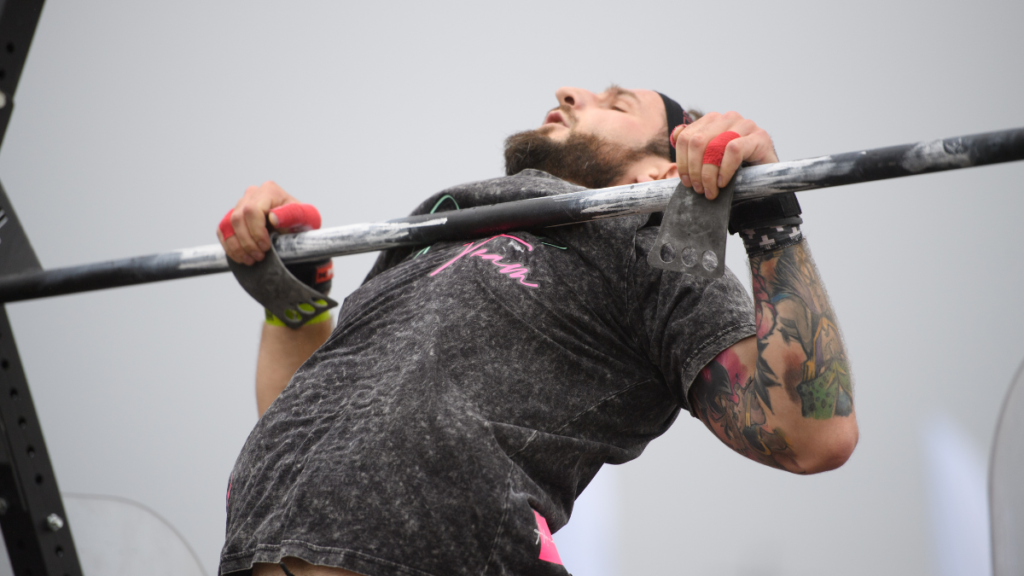
CrossFit did not simply put barbells and conditioning in the same room. Its real contribution was more ambitious than that. It challenged the old definition of fitness. From its early methodology, CrossFit framed fitness as something broad, general and inclusive, built around the combination of metabolic conditioning, gymnastics and weightlifting. In simpler terms: endurance, body control and strength were no longer separate worlds. They were part of the same conversation.
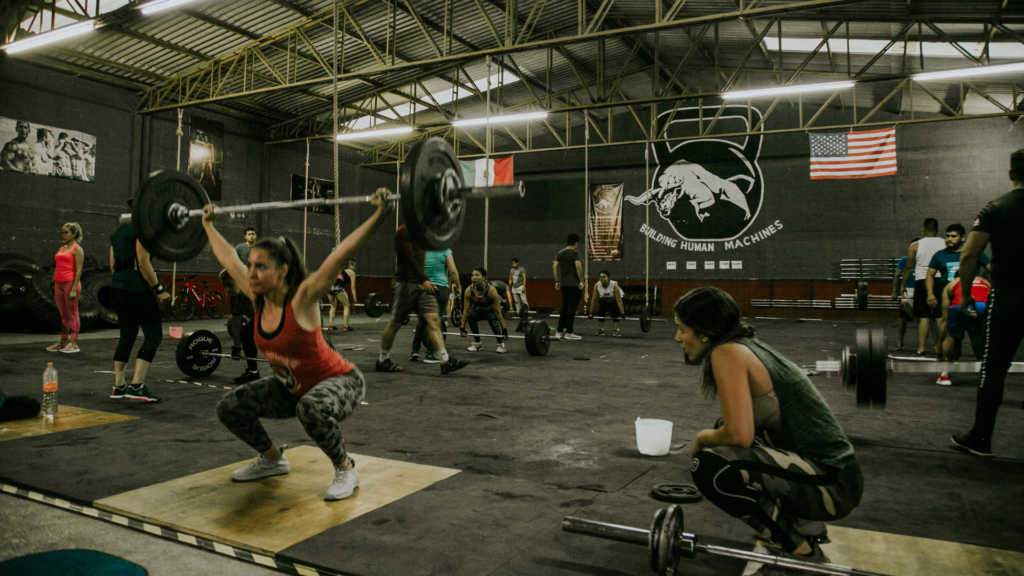
That was a bigger cultural move than it gets credit for.
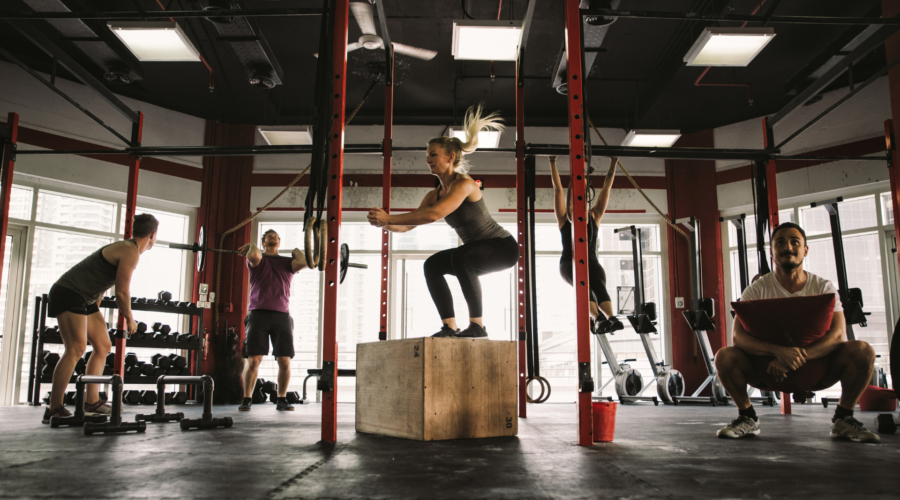
As CrossFit grew and became more widely known, it gave a lot of ordinary people permission to think of themselves as athletes. Not professional athletes. But people who trained with intent, measured progress, learned skills, suffered together and cared about performance in a way that had previously belonged mostly to organized sport.
That democratization matters. CrossFit made the idea of broad fitness aspirational. It made people want to be strong, conditioned, coordinated and resilient at the same time. It made them believe that a normal person with a job, a messy schedule and limited sleep could still train for capacity, not just aesthetics.
But as that idea spread, it naturally started taking different shapes.
Not everyone who connected with the idea of being broadly fit wanted to experience it through the exact same format. Some people were drawn to endurance. Others came from strength training. Some liked the community and competitive aspect, but not the more technical skills. Others wanted a test that felt more predictable, more structured or simply easier to understand from the outside.
That is where the newer generation of hybrid competitions becomes useful to the story.
HYROX
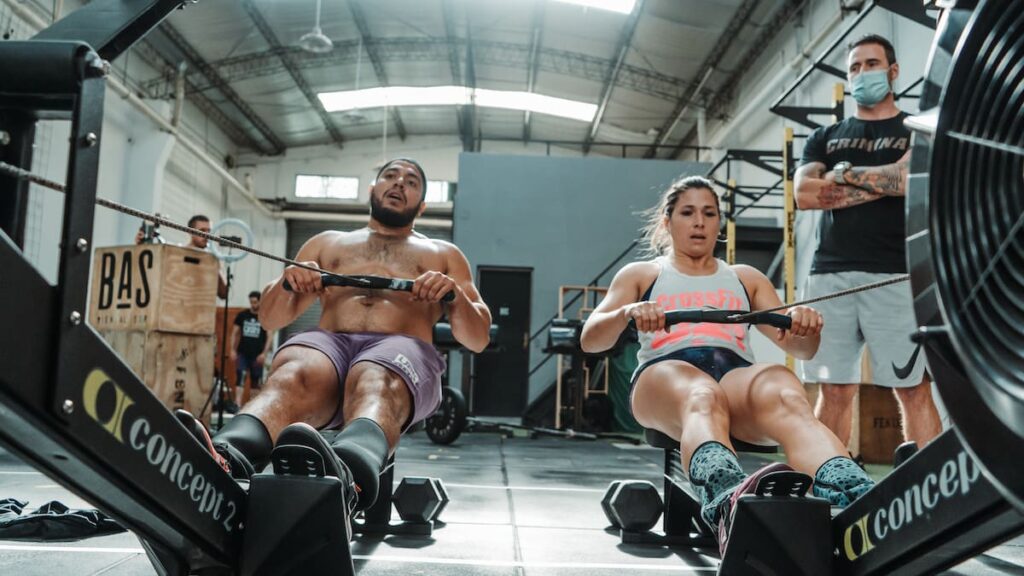
HYROX did not invent the hybrid athlete. What it did was turn an already-growing training identity into something clear, repeatable and easy to explain: run one kilometer, complete one functional workout station, repeat it eight times. Same format, same distance, clear result.
That clarity is a big part of why it works. For a runner who wants to build strength, HYROX feels approachable. For someone from the gym who needs a goal, it creates one. For a CrossFitter who wants a competition without the same gymnastics or Olympic weightlifting demands, it offers another way to test fitness. It is hard, but the concept is simple. And in a crowded fitness market, simple is powerful.
ATHX
ATHX points to another version of the same shift. Rather than following a single race format, ATHX structures the competition around a continuous 2.5-hour experience across different zones. Its 2026 format includes a Warm-Up Zone, followed by three workouts: Strength Zone, Endurance Zone and MetCon X Zone, with Refuel and Recovery periods built in between.
DEKA
DEKA, created by Spartan, offers another variation with a 10-zone fitness circuit designed around endurance, strength and grit. Obstacle races, local functional fitness competitions, team throwdowns and endurance events all sit somewhere in the same broader conversation.
None of these formats are identical, and that is exactly the point. They are not replacing one another. They are giving different types of athletes different entry points into the same bigger question.
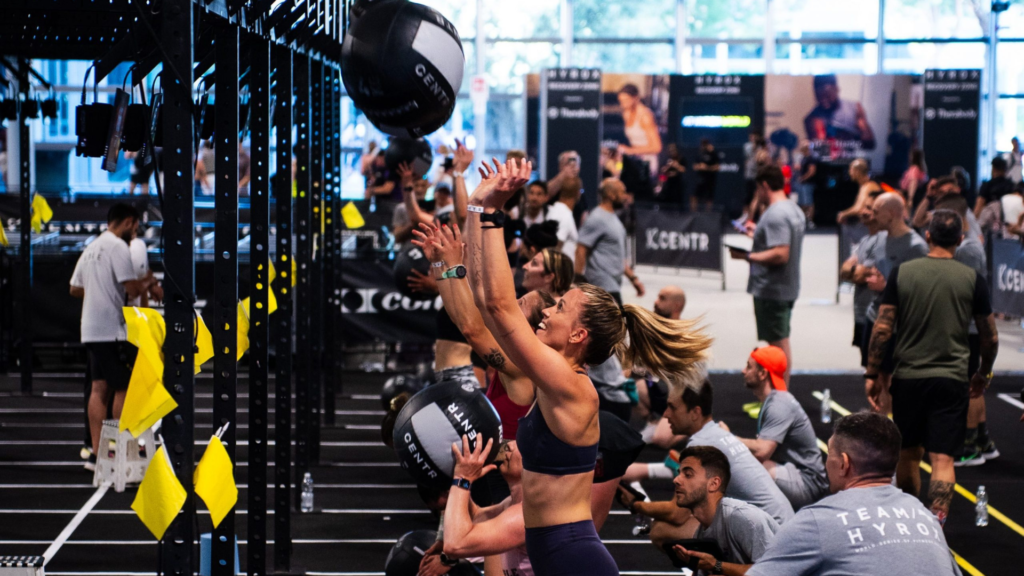
Can you do more than one thing well? That question is quietly changing the way people train. It is also changing the way they see themselves.
A runner can still be a runner. A lifter can still lift. A CrossFitter can still train CrossFit. But more people are moving between those identities without feeling the need to choose only one. The label is no longer the whole story. It is just one part of it.
For a long time, fitness tribes gave people a sense of belonging. That was useful. It still is. But tribes can also become limiting. The runner who never lifts. The lifter who avoids conditioning. The gym-goer who trains hard but never tests anything outside a familiar routine.
The newer fitness landscape is messier, but in many ways more honest. Most people do not want to become world-class specialists. They want to feel capable in a body that can handle different things. They want to lift without feeling slow. Run without feeling weak. Compete without needing to master every technical skill. Train for something that gives structure to the work they already do.
Calling it a trend feels too easy. Trends come and go. This looks more like a change in what people expect from fitness.
Strength and endurance are no longer treated as opposites. Competition no longer belongs only to elites. The everyday gym member is no longer just looking for a workout. More often, they are looking for a goal, a test, a community and a reason to keep showing up.
So no, nobody just lifts anymore.
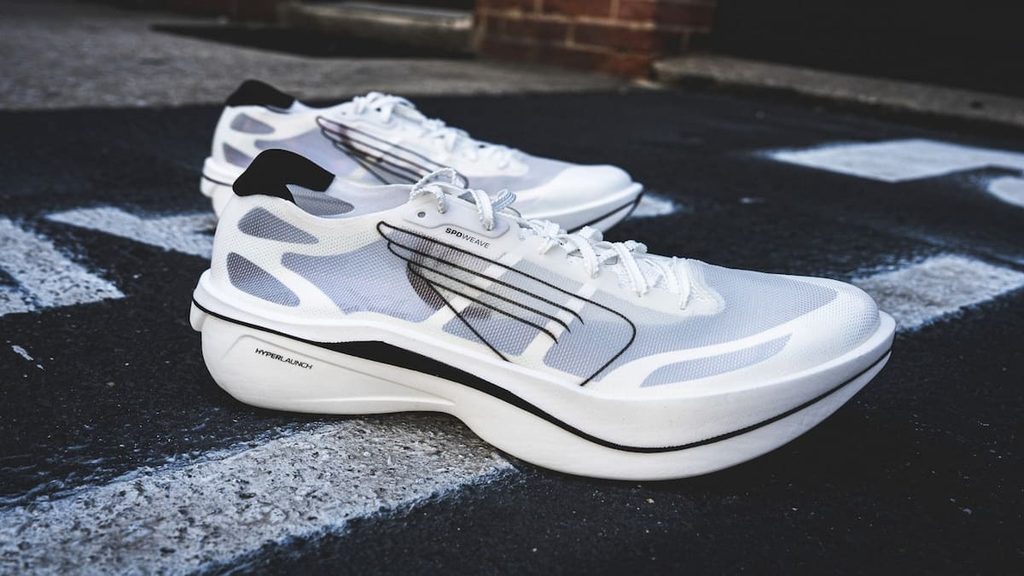
Not because lifting matters less. If anything, strength has become even more valuable because it now sits inside a wider definition of fitness. The barbell is still there. It just shares space with the running shoes, the race calendar, the leaderboard and the next uncomfortable thing someone decided to sign up for.
Maybe fitness did not lose its labels completely.
Maybe the labels just stopped being enough.