

Many people believe getting in great shape requires a gym membership, expensive equipment and hours spent lifting weights. According to emergency room physician, former special operations professional and longevity coach Seth Capehart MD, that mindset may be creating an unnecessary barrier to getting fit.
In a YouTube video titled “The Gym is Overrated,” Capehart explains how people can build strength, conditioning and a capable physique with bodyweight exercises, resistance bands and a small amount of equipment.


He uses his own 12-week transformation during the COVID-19 pandemic as an example, when he trained without gym access or traditional weights.
You Don’t Need a Gym to Get Fit
Capehart argues that the gym is a tool rather than a requirement for getting in shape. He points to his experience with special operations training, where much of the physical preparation involved push-ups, pull-ups, dips, running, swimming and rucking.
“The gym was never what stood between you and being in great shape.”
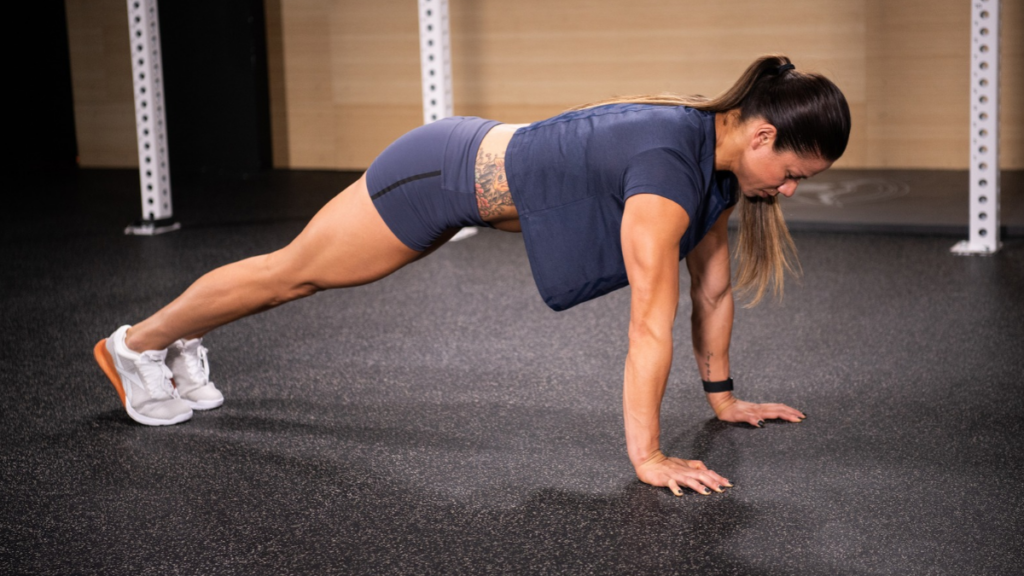
For beginners, Capehart recommends starting with basic movements such as push-ups, squats, lunges, glute bridges, planks, dead bugs and bird dogs. The key is progression, gradually increasing repetitions or moving toward more difficult variations as strength improves.
Resistance Bands Can Replace a Lot of Equipment
Capehart used resistance bands during the pandemic and highlights their versatility for home training. They can be used for rows, pulldowns, chest presses, curls, shoulder presses and deadlift variations.
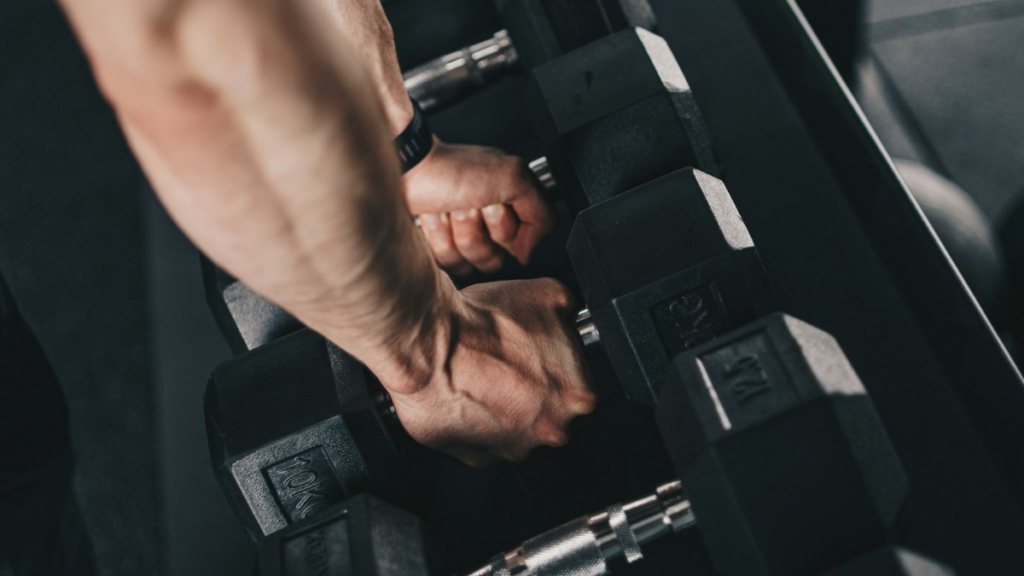
He also recommends adding a kettlebell, adjustable dumbbells and a doorway pull-up bar for those who want to invest in minimal equipment. A kettlebell can be used for swings, goblet squats, presses, rows, carries and Turkish get-ups, while adjustable dumbbells provide a broader range of strength exercises.
Cardio Doesn’t Require a Gym
Capehart also highlights running, walking, swimming, stairs and rucking as practical cardio options. Rucking, which involves walking with a weighted backpack, provides a simple way to increase the challenge of regular walking while training the posterior chain.
A Simple Weekly Training Structure
Capehart suggests three strength sessions, two cardio days and two days of rest or active recovery each week. Strength sessions can include one push, pull, hinge, squat and core movement, with three sets of each and 60 to 90 seconds of rest.
He argues that this straightforward approach can provide a complete training week without the commute, cost or equipment demands of a traditional gym.
Consistency Is the Real Requirement
Capehart’s message is ultimately about removing excuses. Whether someone has access to a gym, resistance bands or nothing more than their own bodyweight, consistent training can still produce meaningful results.
About the Author
Jeremiah Oliva

Jeremiah Oliva is a writer passionate about fitness, sports, and active living. He has experience in songwriting and managing content and social media for online radio and magazine platforms.
He covers HYROX, CrossFit®, and competitive fitness, with a focus on performance, mindset, and athlete development.
Outside of writing, Jeremiah trains in boxing, cycles, explores the outdoors with his kids, and plays the guitar.