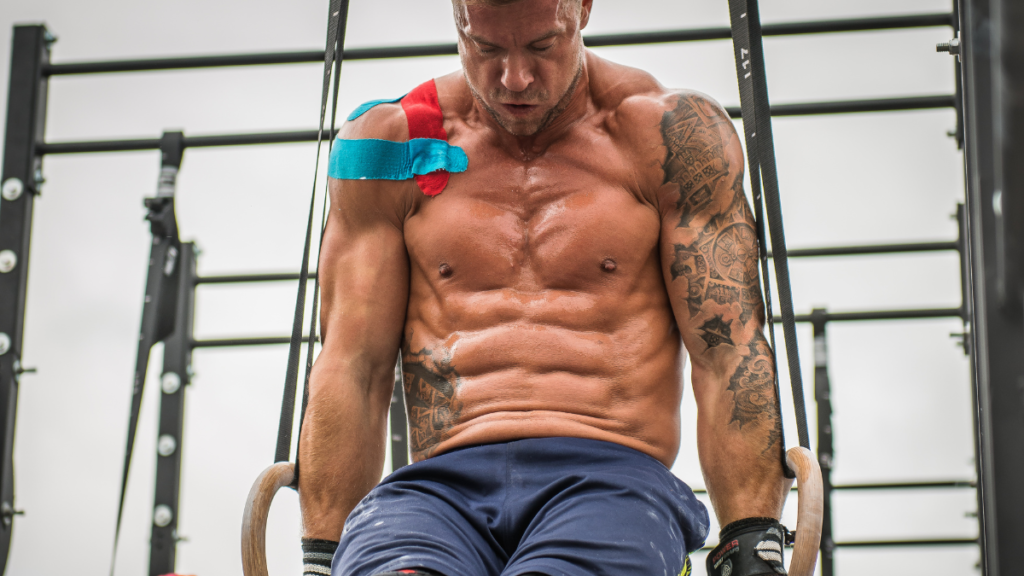


Looking great naked is not about chasing a single body part, living in the gym, or trying to make every workout exhausting. It is about building enough muscle in the places that shape your physique, keeping body fat at a level that reveals that muscle, and training consistently for long enough for the changes to become obvious. Broad shoulders, a fuller chest and back, capable arms, a tight looking waist, and developed legs create a balanced athletic appearance. A three day plan can deliver all of that when the work is organized well.
This upper and lower body approach is built for people who want a practical plan they can recover from. It gives the upper body extra attention because the chest, back, shoulders, and arms have a large visual impact, while still training the lower body hard enough to build powerful legs and glutes. Each muscle gets repeated high quality work across the week, and the exercises are simple enough to progress for months.


Why This Three Day Split Works
Muscle growth is driven largely by sufficient challenging resistance training, enough weekly sets, progressive overload, and recovery. Research consistently shows that training a muscle with multiple hard sets per week is more effective for hypertrophy than doing very little work. Higher weekly volumes generally produce more growth up to a point, although the most productive amount is one that you can perform with good technique and recover from.
The split below uses two upper sessions and one lower session. That does not mean legs are an afterthought. The lower day includes large compound movements and enough direct work for the quads, hamstrings, glutes, and calves. The extra upper body frequency is a deliberate physique choice. Many lifters want more development in their chest, lats, delts, and arms, and those areas respond well to regular practice and gradually increasing training volume.
Three sessions also fit real life. You can train on Monday, Wednesday, and Friday, or leave at least one rest day between sessions whenever possible. That spacing lets you train with intent rather than dragging through four or five mediocre sessions. Resistance training frequency itself matters less than total productive weekly volume when volume is matched, so this structure is an efficient way to distribute the work without making your schedule revolve around the gym.
The Rules That Make the Plan Effective

Train Close Enough to Failure
Every working set should feel purposeful. Use a load that leaves roughly one to three repetitions in reserve on most sets. In plain terms, you should finish knowing you could probably complete only a few more clean repetitions. This gives you a strong growth stimulus while allowing you to maintain technique and accumulate useful training volume. You do not need to reach absolute failure on every set, and doing so may create more fatigue than benefit for many compound lifts.
Progress Gradually
Write down your exercises, loads, and repetitions. When you complete the top of a prescribed repetition range for every set with controlled form, increase the load at the next session. A small increase is enough. Add the smallest plate jump available for barbell work, or move to the next dumbbell when it allows you to remain within the target range. This is progressive overload, and it is the reason a plan continues working after the early beginner gains have passed.
Use Full, Controlled Repetitions
Muscle is challenged by tension through the movement, not by rushing a weight from point A to point B. Lower the weight under control, use a comfortable full range of motion, and avoid turning body English into a substitute for the target muscle. Full range training is generally at least as effective as partial range training for muscle growth and often produces superior overall development, provided the movement is safe and controlled for the individual.
Rest Long Enough to Perform Well
Rest for about two to three minutes after demanding presses, rows, squats, hinges, and pull ups. Rest for about one to two minutes after isolation movements. Short rests can make a workout feel intense, but they may reduce the number of quality repetitions you can perform. More generous rest periods help preserve performance across sets, which makes it easier to complete the volume that drives progress.
Day One: Upper Body Strength and Shape
Start with the barbell bench press for three sets of six to ten repetitions. Keep your shoulder blades pulled back, lower the bar with control, and use a range of motion that feels stable on your shoulders. This is your main chest pressing movement, but it also trains the triceps and front delts.
Follow with a chest supported row for three sets of eight to twelve repetitions. A supported row reduces the chance that lower back fatigue limits your back work. Pull your elbows toward your hips and pause briefly when your upper back is contracted. Next, perform an incline dumbbell press for three sets of eight to twelve repetitions. This adds chest volume from a different pressing angle and gives each side room to move naturally.
Then do a pull up or lat pulldown for three sets of eight to twelve repetitions. Think about bringing your upper arms down rather than simply pulling the handle with your hands. Finish the session with a dumbbell lateral raise for three sets of twelve to twenty repetitions and a cable triceps pressdown for two or three sets of ten to fifteen repetitions. The lateral raise is a useful direct movement for the side delts, which contribute strongly to shoulder width.
Day Two: Lower Body Muscle and Athleticism
Begin with a squat variation for three sets of six to ten repetitions. A back squat, front squat, hack squat, or leg press can all work well. Pick the option you can perform deeply, consistently, and without pain. Squat patterns train the quads and glutes while asking the trunk to stay strong under load.
Next, perform a Romanian deadlift for three sets of eight to twelve repetitions. Push your hips back, keep the weight close to your body, and stop when you reach a deep hamstring stretch without losing a neutral back position. This movement gives the hamstrings and glutes a loaded lengthened challenge that complements the knee dominant squat pattern.
Use a Bulgarian split squat for two or three sets of eight to twelve repetitions per side. Unilateral work can expose side to side differences and builds a lot of leg stimulus with relatively moderate loads. Follow it with a seated or lying leg curl for three sets of ten to fifteen repetitions, then standing or seated calf raises for three sets of ten to twenty repetitions. Calves are often undertrained, yet they make a noticeable contribution to a complete lower body physique.
Day Three: Upper Body Width, Arms, and Detail
Start with an overhead press for three sets of six to ten repetitions. Use dumbbells or a barbell and keep your ribs stacked over your pelvis rather than leaning back excessively. This movement develops the shoulders and triceps, but it should be paired with direct side and rear delt work for a more rounded look.
Perform a one arm dumbbell row or cable row for three sets of eight to twelve repetitions per side. After that, use a machine chest press or weighted push up for three sets of eight to twelve repetitions. This second weekly chest exposure is valuable because it provides more high quality practice and volume without forcing every chest set into one long session.
Add a pulldown with a neutral or underhand grip for two or three sets of ten to fifteen repetitions. Then perform a rear delt fly for three sets of twelve to twenty repetitions, an incline dumbbell curl for three sets of ten to fifteen repetitions, and an overhead cable triceps extension for three sets of ten to fifteen repetitions. Direct arm work is not vanity training. The biceps and triceps make up a substantial part of upper arm size, and extra focused sets can help them keep pace with the chest and back.
How to Eat and Recover for Visible Results
Training builds the signal, but nutrition supplies the material. Aim for a daily protein intake that is high enough to support muscle repair and growth. For most healthy adults who lift regularly, around 1.6 grams of protein per kilogram of body weight per day is a strong evidence based target, with some people benefiting from slightly more during calorie restriction. Spread it across meals in a way that you can maintain rather than treating nutrition as a short term challenge.

If you are relatively lean and want to gain size, use a small calorie surplus and judge it by the trend in body weight, gym performance, and waist measurement. If you need to lose body fat, use a moderate calorie deficit while keeping protein high and maintaining resistance training. Aggressive dieting can make training performance and recovery worse, so patience is usually the better physique strategy.
Sleep matters as well. Consistently short sleep can impair recovery and may make it harder to retain or build lean mass during a fat loss phase. Try to establish a regular sleep schedule and give yourself enough time in bed to get roughly seven to nine hours on most nights. Add easy walking or other low intensity activity if it helps you manage energy expenditure and feel better, but do not add so much hard conditioning that it compromises your lifting progress.
How Long Should You Run the Plan?
Run this plan for at least eight to twelve weeks before deciding whether it works. The mirror changes more slowly than the feeling of a good workout, so compare monthly photos taken in similar light, monitor your strength progression, and measure your waist and body weight if those metrics are useful to you. If an exercise causes pain rather than ordinary muscular effort, replace it with a similar movement that you can perform comfortably.
After several months, you can keep the structure and change one or two movements to maintain motivation or address a weak point. For example, switch a barbell bench press to dumbbells, or replace a back squat with a hack squat. Do not change everything at once. Consistency, intelligent progression, sufficient food, and recovery will do far more for your physique than constantly searching for a more complicated routine.
References
- American College of Sports Medicine (2009) ‘American College of Sports Medicine position stand: Progression models in resistance training for healthy adults’, Medicine & Science in Sports & Exercise, 41(3), pp. 687 to 708.
- Grgic, J., Schoenfeld, B.J., Skrepnik, M. and Davies, T.B. (2022) ‘Effects of rest interval duration in resistance training on measures of muscular strength: A systematic review’, Sports Medicine, 52(1), pp. 137 to 151.
- Jager, R. et al. (2017) ‘International Society of Sports Nutrition position stand: Protein and exercise’, Journal of the International Society of Sports Nutrition, 14, 20.
- Schoenfeld, B.J., Ogborn, D. and Krieger, J.W. (2016) ‘Effects of resistance training frequency on measures of muscle hypertrophy: A systematic review and meta analysis’, Sports Medicine, 46(11), pp. 1689 to 1697.
- Schoenfeld, B.J., Ogborn, D. and Krieger, J.W. (2017) ‘Dose response relationship between weekly resistance training volume and increases in muscle mass: A systematic review and meta analysis’, Journal of Sports Sciences, 35(11), pp. 1073 to 1082.
- Schoenfeld, B.J., Grgic, J., Ogborn, D. and Krieger, J.W. (2017) ‘Strength and hypertrophy adaptations between low versus high load resistance training: A systematic review and meta analysis’, Journal of Strength and Conditioning Research, 31(12), pp. 3508 to 3523.
- Schoenfeld, B.J. et al. (2021) ‘Resistance training recommendations to maximize muscle hypertrophy in an athletic population: Position stand of the IUSCA’, International Journal of Strength and Conditioning, 1(1), pp. 1 to 30.
- Vitale, K.C., Owens, R., Hopkins, S.R. and Malhotra, A. (2019) ‘Sleep hygiene for optimizing recovery in athletes: Review and recommendations’, International Journal of Sports Medicine, 40(8), pp. 535 to 543.
Key Takeaways
| Focus | What to do | Why it matters |
|---|---|---|
| Weekly training | Complete two upper sessions and one demanding lower session each week | This concentrates productive work on the muscles that most shape an athletic physique while still developing the legs |
| Effort | Finish most working sets with one to three repetitions in reserve | Hard, controlled sets provide a strong stimulus without making every set a recovery problem |
| Progression | Add repetitions first, then add a small amount of load | Measurable overload gives your body a reason to keep adapting |
| Recovery | Use adequate rest, protein, sleep, and sensible calorie intake | Training quality and visible muscle development depend on recovery as much as exercise selection |