Let me start by saying that I’m not advocating you to avoid eating clean. There is however a growing issue with the clean eating culture, and a confusion of who it’s targeted at and how to tackle your nutrition.
As an athlete who’s aspiring to do any of the following:


- Improve performance in Crossfit,
- Get stronger overall
- Improve your big lifts
- Pack on muscle
- Lose fat
You need to think about what you put into your mouth and equally importantly, how much of it.
THE BALANCE BETWEEN EATING CLEAN AND EATING ENOUGH
I’m a large advocate of eating clean and do so myself, however there is a limit to how clean you can eat when you are trying to gain muscle and strength. Furthermore, there is a balance you need to strike between eating clean and eating what you like in order to ensure that you can stick with this diet for the rest of your life without having to make too many sacrifices.
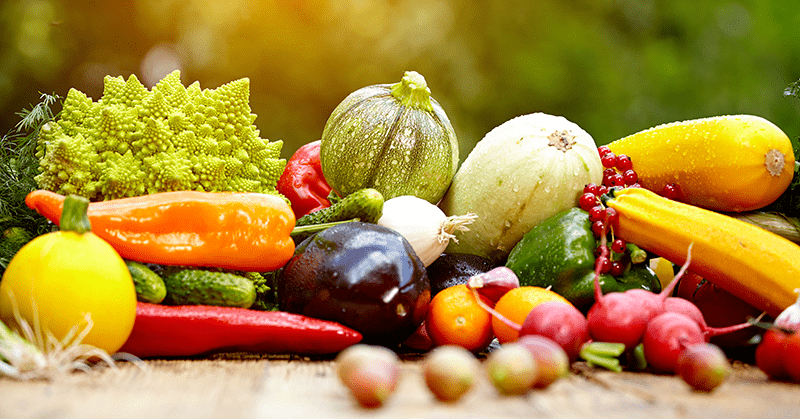
fruits and vegetables are essential for a healthy diet
EATING CLEAN FOR LIFE
I’m not talking about doing a two week cleanse, or going on a 2 month diet to lose some weight. I want you to be able to live the life you enjoy, whilst being as healthy as you can be.
I don’t want to be jumping on the bandwagon, however a nutribullet or a similar product is very useful for a sustainable healthy ‘clean’ diet. I also tried juicing for a year, however from my experience a nutribullet is much easier and quicker to use and more versatile in what you can put in it.
When you’re doing high intensity training such as crossfit and are chasing big numbers in the big lifts you will need to replenish your body’s nutrients and ensure you have a surplus to help you recover and fuel your next workout. Depending on how often you train, this will be very difficult to achieve by eating ‘clean’ 90-100% of the time.
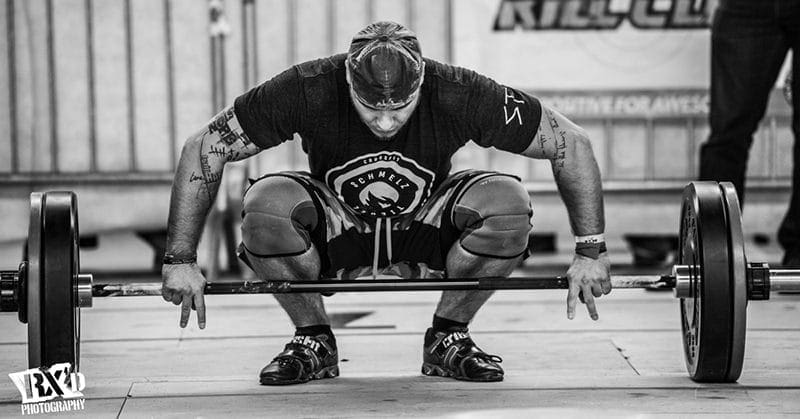
Work until your idols become your rivals
FINDING THE RIGHT BALANCE
Now there are two ways of looking at this. You can either eat ‘clean’ 90-100% of the time and then allow yourself to get the much needed additional food from less clean sources, or you can just accept that you’ll only be eating ‘clean’ around 75% of the time.
The key to making your diet sustainable will be how you allocate that 25% of ‘non clean’ eating. In many circles people advocate ‘cheat meals’ and I certainly don’t agree. However, a cheat meal should only really happen a couple of times a week meaning that you’ll have to be 100% clean for all your other meals. This is not sustainable long term and can be difficult to fit into your lifestyle and it does not solve the issue of ensuring you get all the nutrients you need to fuel your workouts and recovery.
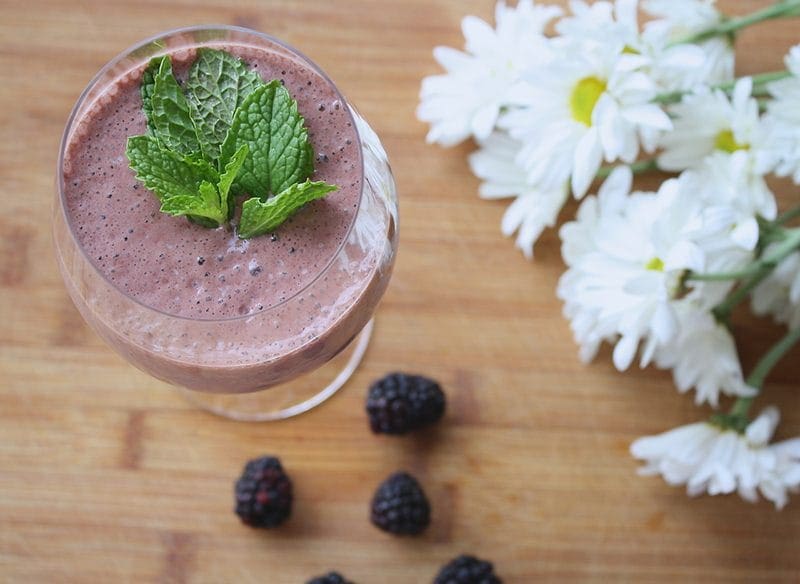
Protein smoothie
I find that a much simpler and effective way of doing this is by just having up to 25% of each meal be ‘non clean.’ It’s important to make sure that you don’t go over 25% and you do not have to do this for each meal. I find that doing it for one meal a day, usually my post workout meal works best.
HOW TO PUT THE THEORY INTO PRACTICE
An example of this could be having homemade chicken, a side of peas, spinach and broccoli and then just to make it more satisfying you have some potato wedges possibly with some sour cream. The addition of the unhealthy potato wedges will push your calorific intake, and your carbohydrate count closer to what you want to be hitting to make sure you are not under nourished. This example would be a post-workout meal however.
- This can be done in many ways. You can have a 100% clean meal and enjoy a cold pint of beer or a glass of wine on the side. Or one day you may want to have 2-3 clean meals and enjoy a pizza for dinner.
- The trick is to be sensible and make sure that your ‘clean’ eating really is clean. The best way to do this is to eat real homemade food rather than ready meals or store bought sandwiches.
- I find that by using smoothies you can very easily ensure that you add in some vegetables to boost your clean percentage when you are having a particularly unhealthy day.
THE PERFECT VEG/FRUIT SMOOTHIES
Important note: When juicing and making nutribullet smoothies, it’s very important to ensure you only have 1 portion of fruit per 4 portions of vegetables.

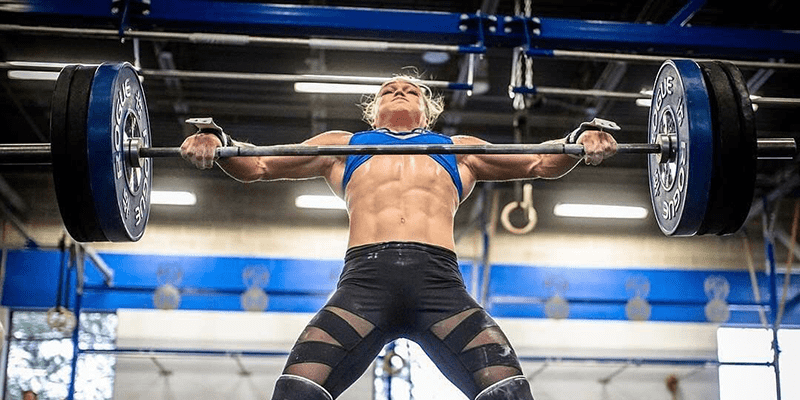
Regionals athletes Lucas Parker and Emily Abbott eat to Perform
You’ll see a lot of articles out there purporting that juicing and nutribullets aren’t as healthy as you think and this is true if you fill it all with fruit. However, if you just use 3-4 portions of vegetables and just one portion of fruit your juice or shake will be healthy.
HOW TO MAKE CHANGES IN YOUR NUTRITION THAT WILL LAST LONGTERM
In summary, in order to recover and perform at your best it is important to get enough calories and nutrients from your diet.
- It’s difficult to get enough food by eating clean 100% of the time
- For most people, such a diet is not sustainable over the long term.
- It’s better to eat ‘clean’ 75% of the time and instead of having whole cheat meals a couple of times a week it’s more beneficial to have up to 25% of each meal be a ‘cheat’ ingredient.
This will ensure you get the right about of food and are able to stay on track with your diet over the long term. Furthermore, it’s easy to up your intake of vegetables by using a juicer or nutribullet as long as you ensure you use the right ratio of vegetables to fruit.
When you train, without the right nutrition and healthier foods to assist recovery and fuel performance, you will simply not perform and develop according to your full potential. Try these 8 foods to help keep your nutrition on track.
Click onto the next page to get inspiration about which foods to include in your nutrition…
1. HEALTHIER FOODS – BERRIES
Not just are they absolutely yum, but they can help you take care of your aching muscles as well. They also help in the production of sleep hormones that help you rest better.
Who doesn’t love a big bowl of colourful berries?!? Berries are regularly touted as a superfood and for good reason. They are full on anthocyanins, fibre, polyphenols and vitamins which help supercharge your recovery. Berries can be eaten anytime but may be of particular use when you are in an intense training cycle and need all the support you can get.
How to use –
- Add to your breakfast – on top of greek yoghurt/porridge/protein pancakes
- Blended in a smoothie – using frozen berries is a cost effective way of buying them and reducing waste
- Add to your meals – berries go really well with game meat such as venison
2. CITRUS FRUITS
Vitamin C is critical for your skin, scar tissues, and blood vessels to heal themselves. Since the body can’t make vitamin C on its own, consuming citrus fruits will ensure that you are pumping in enough of it for your body to fix itself. Vitamin C helps to strengthen the immune system, assist the rate at which we can absorb iron and is an important antioxidant that regenerates other antioxidants within the body. The reduction of stress is a side function, but this helps you to stay relaxed and recover from high intensity training.
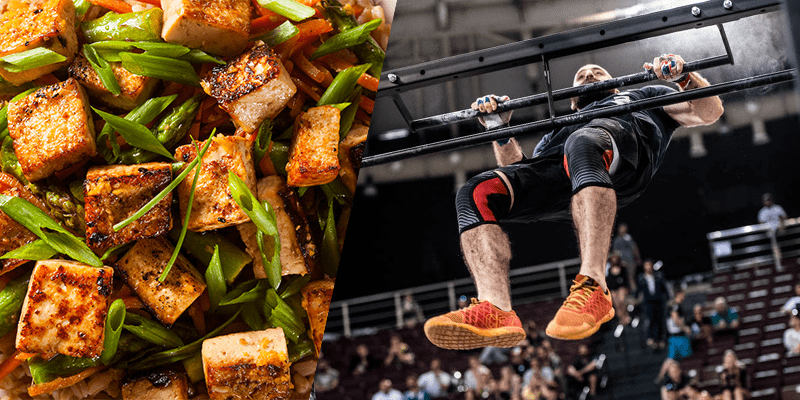
Train hard and recover properly
WHERE YOU CAN FIND IT?
You can easily cover your vitamin C demand with foods like:
- Broccoli
- Cauliflower
- Melons
- Oranges
- Strawberries
- Peppers
- Guavas
- Kale
- Kiwi
Supplements are not necessarily required. The daily demand of vitamin C amounts 100 mg (equal to one kiwi). The human body can neither store vitamin C nor produce it, so it is absolutely essential as a part of your diet. Symptoms of a deficiency are easy bruising and bleeding, joint and muscle pain and a weakened immune system.
3. HEALTHIER FOODS – BROCCOLI AND CRUCIFEROUS VEGETABLES
Also rich in Vitamin C, broccoli has properties that kill free radicals. Now, free isn’t always good. Free radicals are stuff that the body creates when there’s stress, or after intense physical activity. These come in the way of the body’s healing process, so what broccoli does is fight the bad guys.
Eat well perform effectively
At least one serving of broccoli, cauliflower, brussels sprouts, kale or cabbage should be on your plate or in your smoothie daily. Containing high levels of fibre, folate, b-vitamins, vitamin C and compounds to help remove toxins, cruciferous veggies regularly top the lists of the healthiest foods in the world. We know that the intense nature of CrossFit can lead to increased inflammation in the body. We also know that green veg can lower inflammation levels and reduce oxidative stress, allowing you to keep coming back for more!
How to use –
- Soups are a great way to get different veg into your nutrition plan. Curried cauliflower, green thai chicken and broccoli or pesto supergreen soup are some great options
- Adding greens into smoothies is also recommended. Blending kale and broccoli into a smoothie containing almond butter, chocolate protein, cacao powder, almond milk and avocado will provide a huge dose of nutrients to supercharge your CrossFit performance.
4. HEALTHIER FOODS – SPINACH
When you exercise, you might not sustain any injury as such, like a cut or a wound, but the wear and tear of your muscles are also a form of injury. You need white blood cells to prevent infections, so you need vitamin A to keep the white blood cells in good shape. Spinach has vitamin A. Long story cut short, eating like Popeye will make you like him.
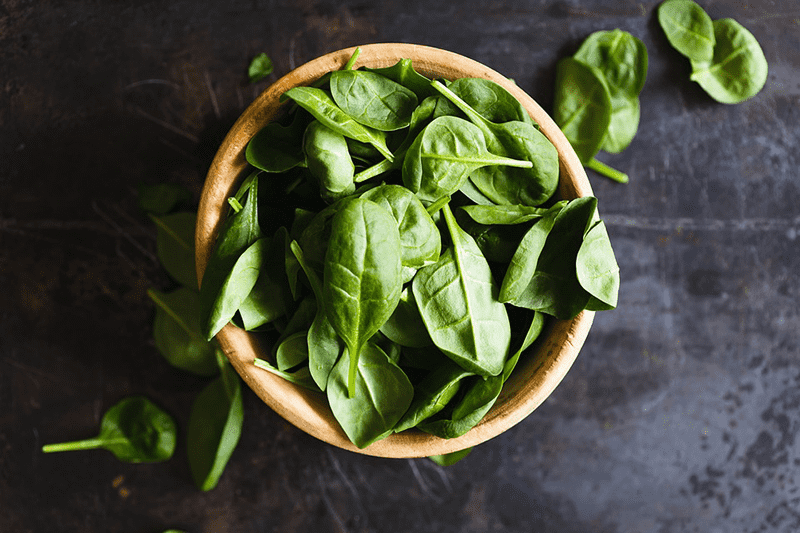
Leafy greens should be an essential part of your diet
Health Benefits of Spinach.
- Low in fat and even lower in cholesterol
- Spinach is high in niacin and zinc
- Protein, fibre
- Vitamins A, C, E and K
- Thiamin, vitamin B6, folate, calcium, iron, magnesium, phosphorus, potassium, copper, and manganese
5. HEALTHIER FOODS – SALMON
Salmon is a storehouse of omega-3 fatty acids. Now, why do you need them? Because when you exercise, you might experience inflammation, which causes pain. These acids have the ability to reduce inflammation and get rid of the pain. It is also an excellent source for protein.
There are numerous health benefits from the consumption of Salmon
- Omega-3 fatty acids
- Phosphorus
- Magnesium
- Vitamins A and D
- Significant amounts of protein
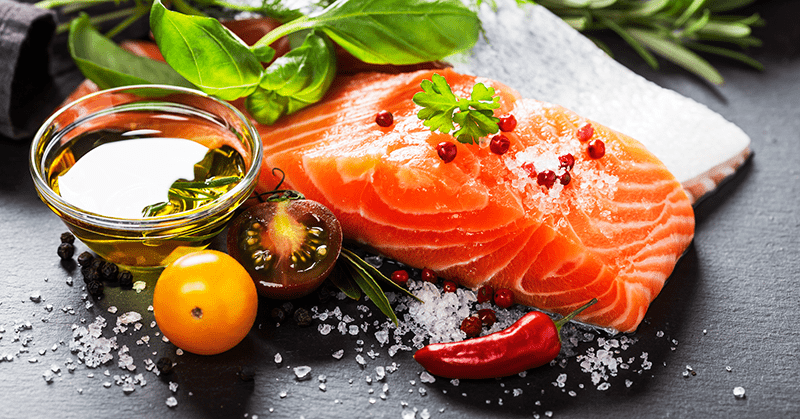
Salmon is a nutritious source of protein.
6. HEALTHIER FOODS – CHICKEN
If you love chicken, you are going to love this. Chicken is protein rich and contains high levels of zinc, which plays a significant role in helping you recover after training.

- Selenium – Chicken is a great source of selenium, a trace element that has been shown to fight cancer.
- Vitamin B6 – Vitamin B6, or pyridoxine, is found in chicken and helps in the metabolic process of protein and carbohydrates. It assists in the production of insulin, white and red blood cells, neurotransmitters, enzymes, DNA, RNA and prostaglandins.
- Vitamin B3 – Vitamin B3 is responsible for converting carbohydrates to energy and maintaining the health of the body’s cells.
7. HEALTHIER FOODS – CINNAMON
Apart from the fact that it can make almost anything taste good, it also is known to store dietary carbs that are essential for muscle and tissue repair. It can assist with weight loss as well. So, you know what to add to your shakes after you return from your training session, don’t you? A little bit of cinnamon goes a long way, and its antioxidant abilities are what makes it especially beneficial to include in your diet. As little as 1/2 of one teaspoon of cinnamon daily can have positive effects on blood sugar levels, digestion, immunity, and more. It also contains:
- Calcium
- Iron
- Manganese

lose-fat-maintain-muscle
8. EGGS
Protein is essential for recovery after workouts and training sessions. Eggs are known to have a high concentration of leucine and amino acids which make them perfect fit for muscle and tissue repair.