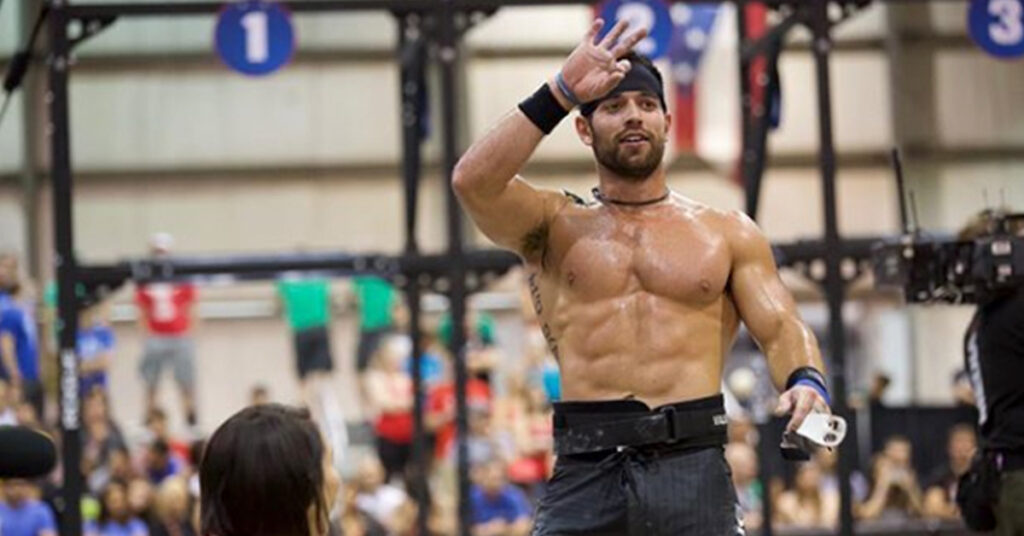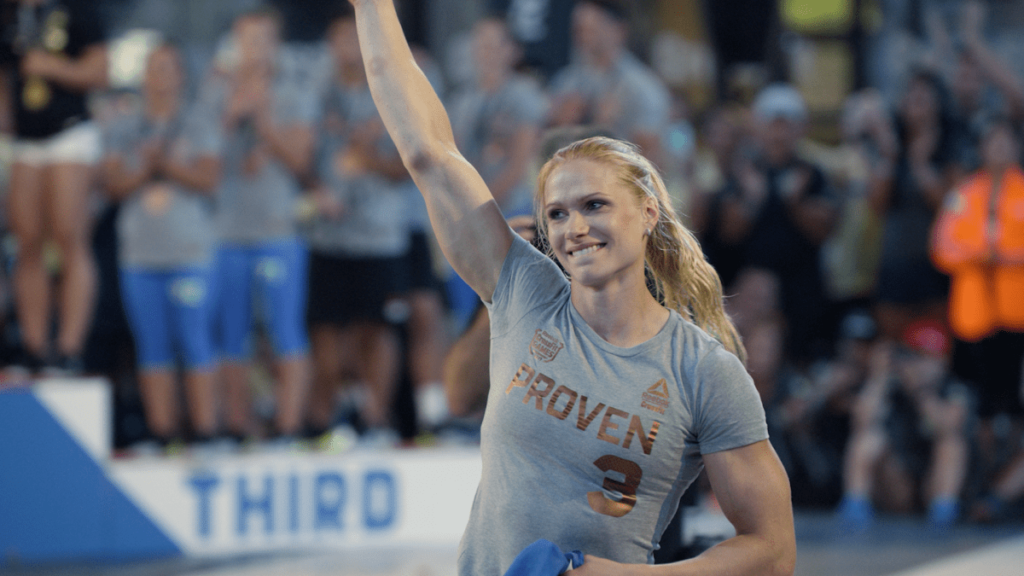


A wider back can completely change the look of your physique. More lat muscle creates the visual impression of broader shoulders, a narrower waist, and a stronger upper body, even before you add significant muscle everywhere else. Rows are useful exercises, but they are not the only way to build your back. For beginners, vertical pulling movements can be easier to learn, simpler to load progressively, and highly effective for targeting the latissimus dorsi.
The latissimus dorsi, usually called the lats, are the large muscles that run from the lower and middle back toward the upper arm. Their main roles include bringing the upper arm down toward the body, pulling it behind the torso, and helping control shoulder movement. Building them requires repeated hard contractions through a comfortable range of motion, enough weekly training volume, and gradual progression over time.


The three exercises below remove rows from the equation and focus on movements that are practical for beginners. They are also easy to scale, whether you are training in a commercial gym or beginning your first structured resistance program.
Why Rows Are Not Essential for a Wider Back
Rows are horizontal pulling exercises. They can train the lats, but they also place considerable emphasis on the muscles around the shoulder blades, including the middle trapezius, rhomboids, and rear deltoids. That makes rows valuable for overall back development, posture, and strength, but they are not the only route to a wider looking back.
Vertical pulling exercises train the lats through shoulder adduction and extension. In simple terms, you are pulling your upper arms down toward your sides. This movement pattern is central to pull ups, pulldowns, and several cable exercises. Research examining muscle activity during pulling movements shows that pulldowns and pull ups can produce substantial lat activation, particularly when the bar travels in front of the body rather than behind the neck.
It is important to be realistic about what creates the appearance of width. No exercise can alter your skeletal structure or make your shoulders physically broader. What training can do is increase the size of the lats, especially the area that sweeps from underneath the armpit toward the waist. Combined with strong shoulders and sensible body composition habits, more lat muscle can make the upper body look noticeably broader.
Beginners should also remember that muscle growth does not come from choosing a magical variation. It comes from training consistently, completing enough challenging sets, using good technique, and progressing when your current workload becomes manageable. Different load ranges can support muscle growth when the work is sufficiently challenging, which gives beginners useful flexibility when choosing equipment and exercises.
1. Neutral Grip Lat Pulldown
The neutral grip lat pulldown is one of the best starting exercises for beginners who want a wider back. It allows you to train the same broad pulling pattern as a pull up while using an adjustable weight stack. That means you can select a load that lets you learn control and complete clean repetitions from day one.
A neutral grip means your palms face each other. Many lifters find this position comfortable on the wrists, elbows, and shoulders. It also makes it easier to keep the elbows moving down toward the sides of the body, which is the movement you want to feel through the lats.
How to Perform the Neutral Grip Lat Pulldown
Sit at a pulldown station and adjust the thigh pad so your legs are held firmly in place. Reach up and take the neutral handles with a secure grip. Begin with your arms extended overhead, but do not allow your shoulders to rise excessively toward your ears.
Lean back slightly, keeping your chest comfortably lifted and your ribs controlled. Pull your elbows down toward your sides until the handles reach the upper chest area. Pause briefly in the bottom position, then return the handles upward under control until your arms are extended again.
Think about driving your elbows down rather than pulling the handles with your hands. This small cue can help reduce excessive biceps involvement and make it easier to feel the lats doing the work.
Why It Works
The pulldown allows you to train the lats with a stable body position and a load that can be changed in small increments. That is especially useful for beginners because progression does not need to be dramatic. Adding a small amount of weight, performing one extra repetition, or improving control can all represent meaningful progress.
Research on pulldown technique suggests that the bar path in front of the body is a sensible choice for lat activation and shoulder comfort. Grip width is often discussed as though it completely changes the exercise, but the current evidence does not show one grip width as a guaranteed superior choice for everyone. A shoulder width or slightly wider grip that allows a comfortable full range of motion is usually a reliable place to start.
Start with three sets of eight to twelve repetitions. Choose a load that makes the final few repetitions difficult while allowing you to maintain the same smooth technique throughout the set.
2. Assisted Neutral Grip Pull Up
Pull ups are one of the most effective bodyweight exercises for the upper back and lats, but a full bodyweight repetition is difficult for many beginners. The assisted pull up machine solves that problem by reducing the amount of bodyweight you need to lift. Resistance bands can also be used, although a machine often makes it easier to adjust assistance precisely.
The assisted neutral grip pull up is an excellent bridge between machine training and a strict bodyweight pull up. It teaches you how to move your body through space, which is different from sitting at a cable station. It also builds confidence with hanging, gripping, and controlling your shoulder position overhead.
How to Perform the Assisted Neutral Grip Pull Up
Select enough assistance that you can complete six to ten controlled repetitions. Place your knees or feet on the machine pad, depending on the design, then take the neutral handles. Begin in a supported hang with your arms straight.
Before bending your elbows, gently pull your shoulders away from your ears. Then drive your elbows down and back until your upper chest approaches the handles. Your goal is not to force your chin far over the bar by craning your neck. Keep your neck neutral and focus on bringing your torso upward as one controlled unit.
Lower yourself slowly until your arms are straight again. Avoid dropping into the bottom position, because a controlled descent develops coordination and keeps the shoulders in a better position.
Why It Works
Pull ups involve the lats, biceps, muscles around the shoulder blade, forearms, and trunk. The movement demands more total body control than a pulldown, but that is part of its value. It teaches you to maintain tension while your body moves through a vertical path.
Different pull up grip styles appear to produce broadly similar lat activation, so beginners do not need to obsess over finding a secret hand position. The best choice is usually the grip that lets you train hard with a comfortable shoulder position and a repeatable range of motion. For many people, neutral handles are a friendly option because the palms face inward and the wrists stay in a natural position.
Use two or three sets of six to ten repetitions. As you improve, reduce the assistance gradually. The goal is to make the machine provide less help over time, not simply to accumulate endless easy repetitions.
3. Cable Straight Arm Pulldown
The cable straight arm pulldown is a simple isolation exercise that helps beginners learn the basic function of the lats. Unlike a pulldown or pull up, the elbows stay only slightly bent throughout the movement. This reduces the contribution from the biceps and lets you focus more directly on moving the upper arms down toward the body.
It is not a replacement for heavier compound pulling, but it is an excellent addition to a beginner back workout. It can improve your ability to feel the lats working and gives you extra quality training volume without the fatigue of another heavy compound movement.
How to Perform the Cable Straight Arm Pulldown
Set a cable pulley near the top position and attach a straight bar or rope. Stand facing the machine, step back slightly, and take the attachment with both hands. Your feet should be about hip width apart, with your knees softly bent.
Begin with your arms raised in front of you and a small bend in the elbows. Keep that elbow position almost unchanged as you pull the attachment down in an arc toward your thighs. At the bottom, your hands should be close to the front of your legs and your arms should be beside your torso.
Pause briefly, then allow the cable to pull your arms back upward under control. Do not turn the movement into a squat, swing your torso, or bend your elbows significantly. If that happens, reduce the weight.
Why It Works
The lats contribute to shoulder extension, which is the action of moving the upper arm down and back. The straight arm pulldown trains that pattern without requiring a heavy load. This makes it particularly useful for beginners who are still developing grip strength or who find pull ups challenging.
The exercise also gives you a practical way to add more weekly work for the lats. Research on resistance training volume shows a dose response relationship between the number of challenging sets performed and gains in muscle mass. More is not always better, especially when recovery and technique break down, but adding a few well performed sets can be useful when your current workload is manageable.
3 Best Beginner Exercises for Muscular Side Delts
Perform two or three sets of ten to fifteen repetitions after your main pulldown or pull up exercise. Use a controlled tempo and stop the set when you can no longer keep your elbows nearly fixed and your torso stable.
How to Build a Wider Back With These Exercises
A simple beginner workout can include all three movements twice per week. Begin with the neutral grip lat pulldown, then complete assisted pull ups, then use the cable straight arm pulldown as your final exercise. This order lets you use your best energy and concentration on the movements that require the most coordination.
Across the week, aim for roughly eight to twelve challenging sets for your back as a beginner starting point. This is not a fixed rule. Your ideal amount depends on your recovery, training experience, sleep, nutrition, and the rest of your program. If your technique is improving, you are gradually adding repetitions or load, and you are recovering well, your training dose is likely appropriate.
Train hard enough that the final repetitions feel demanding, but do not take every set to complete muscular failure. Evidence suggests that working reasonably close to failure can support hypertrophy, while absolute failure is not required on every set. For beginners, leaving one to three repetitions in reserve is a practical approach. You should feel that you could have completed a small number of additional clean repetitions at the end of the set.
Progression should be patient. When you can perform the top of your chosen repetition range with excellent control, increase the weight slightly at the next session. On the assisted pull up machine, reduce the assistance by the smallest available amount. These small improvements build quickly when repeated for months.
Common Mistakes That Limit Lat Growth
The first common mistake is using too much weight. A heavy stack may feel impressive, but swinging backward, shortening the range of motion, and pulling mostly with the arms will reduce the quality of the set. Select a load you can control from the stretched position to the contracted position.
The second mistake is pulling behind the neck. This variation can place the shoulder in an awkward position for many people, especially beginners with limited shoulder mobility. Pulling the bar or handles toward the front of the upper chest is usually more comfortable and easier to repeat consistently.
The third mistake is treating every session as a test. Building a wider back is a long term project. Focus on controlled repetitions, gradual progression, and consistency rather than constantly changing exercises or chasing fatigue.
Finally, do not ignore the rest of your program. The lats grow in response to resistance training, but muscle growth is also supported by adequate protein intake, enough overall energy intake for your goal, and recovery between sessions. A stronger and wider back is built through training habits that you can sustain.
Key Takeaways
| Focus | What to do | Why it matters |
|---|---|---|
| Main movement | Use neutral grip lat pulldowns for three sets of eight to twelve repetitions | The adjustable resistance makes vertical pulling accessible and easy to progress |
| Bodyweight progression | Use assisted neutral grip pull ups for two or three sets of six to ten repetitions | They develop the coordination and strength needed for eventual unassisted pull ups |
| Lat isolation | Add cable straight arm pulldowns for two or three sets of ten to fifteen repetitions | They train shoulder extension with less biceps involvement and add useful lat volume |
| Effort | Finish most sets with one to three repetitions in reserve | Hard, controlled sets can support muscle growth without requiring failure every time |
| Progression | Add a small amount of load, repetitions, or reduce assistance when technique is solid | Progressive overload gives the muscles a reason to adapt over time |
References
- Carvalho, L., Moriggi Junior, R., Barreira, J., Schoenfeld, B.J., Orazem, J. and Barroso, R. (2022) ‘Muscle hypertrophy and strength gains after resistance training with different volume matched loads: A systematic review and meta analysis’, Applied Physiology, Nutrition, and Metabolism, 47(4), pp. 357–368.
- Di Fonza, D., Di Claudio, G., Colantuono, G., Persichini, L., Cerulo, N., Sangregorio, B., Buonsenso, A., Fiorilli, G., Calcagno, G. and di Cagno, A. (2026) ‘Electromyographic analysis of latissimus dorsi activation during common resistance training exercises: A narrative review’, Journal of Functional Morphology and Kinesiology, 11(3), 315.
- Grgic, J., Schoenfeld, B.J., Davies, T.B., Lazinica, B., Krieger, J.W. and Pedisic, Z. (2018) ‘Effect of resistance training frequency on gains in muscular strength: A systematic review and meta analysis’, Sports Medicine, 48(5), pp. 1207–1220.
- Grgic, J., Schoenfeld, B.J., Skrepnik, M., Davies, T.B. and Mikulic, P. (2021) ‘Effects of rest interval duration in resistance training on measures of muscular strength: A systematic review’, Sports Medicine, 51(5), pp. 1049–1062.
- Lasevicius, T., Schoenfeld, B.J., Silva Batista, C., Barros, T.S., Aihara, A.Y., Cardoso, F.N., Tricoli, V., Benatti, F.B., Rossi, F.E. and Teixeira, E.L. (2018) ‘Muscle failure promotes greater muscle hypertrophy in low load but not in high load resistance training’, Journal of Strength and Conditioning Research, 36(2), pp. 346–351.
- Schoenfeld, B.J., Ogborn, D. and Krieger, J.W. (2016) ‘Dose response relationship between weekly resistance training volume and increases in muscle mass: A systematic review and meta analysis’, Journal of Sports Sciences, 35(11), pp. 1073–1082.
- Schoenfeld, B.J., Grgic, J., Ogborn, D. and Krieger, J.W. (2017) ‘Strength and hypertrophy adaptations between low versus high load resistance training: A systematic review and meta analysis’, Journal of Strength and Conditioning Research, 31(12), pp. 3508–3523.
- Vieira, A.F., Umpierre, D., Teodoro, J.L., Lisboa, S.C., Baroni, B.M., Izquierdo, M. and Cadore, E.L. (2021) ‘Effects of resistance training performed to failure or not to failure on muscle strength, hypertrophy, and power output: A systematic review with meta analysis’, Journal of Strength and Conditioning Research, 35(4), pp. 1165–1175.