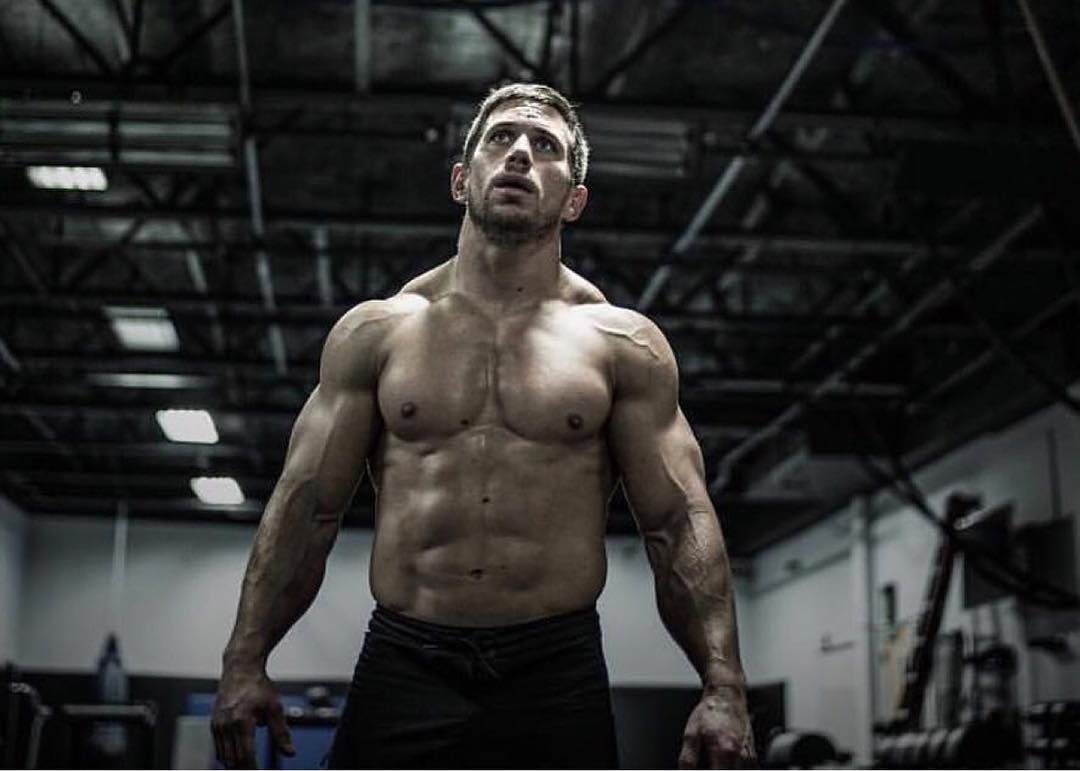


Building bigger biceps does not require a crowded exercise menu or advanced techniques. Beginners make faster progress by learning a few movements well, training them consistently, and gradually asking their muscles to do a little more work over time. The biceps respond to resistance training in the same basic way as every other muscle: enough hard sets, good technique, recovery, and a gradual increase in challenge create the conditions for growth.
The phrase “wider biceps” needs a quick explanation. You cannot change the natural attachment points or shape of your biceps, because those features are largely determined by anatomy and genetics. You can, however, develop the muscles that add thickness to the upper arm. The biceps brachii has a long head and a short head, while the brachialis sits beneath it and can make the arm look broader from the front and side. Training with a mix of supinated curls and neutral grip curls is a practical way to build the whole elbow flexor region.


For beginners, the best exercises are easy to learn, stable enough to load safely, and effective through a useful range of motion. The three movements below meet those standards. Use them alongside pulling exercises such as rows and chin ups, which also train the elbow flexors, but do not rely on compound lifts alone if bigger biceps are a main goal.
How Biceps Growth Actually Works
Muscle growth happens when resistance training provides a repeated stimulus that the body adapts to over time. Research consistently shows that hypertrophy can occur across a broad range of loads when sets are performed close enough to muscular failure. This matters for beginners because you do not need to start with very heavy weights. Moderate dumbbells and controlled repetitions can be highly effective if the final repetitions are challenging while technique remains solid.
Weekly training volume also matters. Evidence suggests that performing multiple hard sets for a muscle each week tends to produce more growth than doing very little work, although the exact amount that works best differs from person to person. Beginners can start with a modest amount and build gradually. Six to ten direct sets for biceps each week is a sensible starting range when rows, pulldowns, and other pulling work are already part of the program.

Good form is not simply about appearance. It helps keep tension on the target muscles and makes progression easier to measure. If every repetition involves swinging the torso or throwing the elbows forward, the weight may still move, but the biceps are likely doing less of the work. A controlled lowering phase, a full but comfortable range of motion, and stable shoulders will make each set more productive.
The Basic Anatomy That Influences Arm Width
The biceps brachii flexes the elbow and strongly assists with turning the palm upward, a movement called supination. It crosses both the shoulder and elbow joints, meaning shoulder position can influence its length during a curl. The long head contributes to the outer portion of the biceps, while the short head lies more toward the inner portion of the upper arm.
The brachialis is another major elbow flexor. It does not cross the shoulder joint and works effectively regardless of whether the palm faces up, down, or inward. Because it lies underneath the biceps brachii, adding size to the brachialis can increase the overall thickness of the upper arm. Neutral grip curling is particularly useful here because it allows hard elbow flexion work without making supination the central part of the movement.
1. Standing Dumbbell Curl
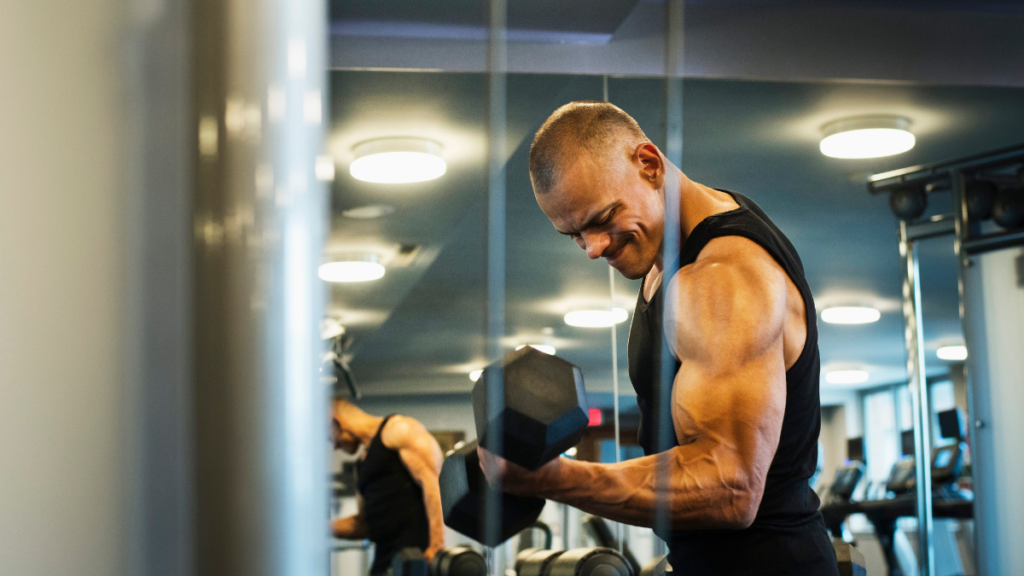
The standing dumbbell curl is the best place for most beginners to start. It teaches the core job of the biceps: bending the elbow while turning the palm upward. Dumbbells let each arm work independently, which can help prevent the stronger side from doing all the work. They also allow a natural wrist path that many beginners find more comfortable than a straight bar.
Hold a dumbbell in each hand with your arms by your sides and your palms facing forward. Stand tall with your ribs stacked over your pelvis and your knees softly bent. Curl the weights upward by bending the elbows, then squeeze the biceps at the top without allowing the shoulders to roll forward. Lower the weights slowly until the elbows are straight or nearly straight, provided that position feels comfortable.
Keep your upper arms close to your sides. A small amount of natural movement is fine, but avoid turning the curl into a full body swing. If you need to lean backward to lift the dumbbells, use a lighter weight. The goal is to make the biceps work hard, not to prove that you can move the heaviest possible dumbbell.
This exercise is useful because the supinated hand position places the biceps brachii in a strong role during elbow flexion. It also gives beginners a simple way to track progress. When you can complete all planned repetitions with controlled form, increase the load by the smallest available amount or add one repetition per set.
How to Program the Standing Dumbbell Curl
Start with two or three sets of eight to fifteen repetitions, twice per week. End most sets when you feel that you could complete one to three more clean repetitions. This approach keeps the work challenging while reducing the chance that technique will collapse. Rest for about one to two minutes between sets so that your next set still has enough effort behind it.
2. Hammer Curl
The hammer curl is one of the most valuable exercises for building a thicker and wider looking upper arm. Instead of turning the palms upward, you hold the dumbbells with the palms facing each other. This neutral grip changes the emphasis of the curl and gives strong training stimulus to the brachialis and brachioradialis, which is a prominent muscle in the upper forearm.
Begin with your arms at your sides and the dumbbells held in a neutral grip. Keep your torso still as you curl the weights toward the front of your shoulders. Your palms should continue facing inward throughout the repetition. Pause briefly near the top, then lower the dumbbells under control. The movement should feel like your elbows are closing rather than your shoulders lifting the weights.
Many people find hammer curls friendlier on the wrists and elbows than fully supinated curls. That does not make them a replacement for standard curls, but it makes them an excellent partner exercise. The different grip gives your elbow flexors another useful stimulus and can help you train hard without repeating the exact same joint position every set.
The hammer curl also has direct visual value. Bigger brachialis and brachioradialis muscles add density around the outside of the arm, particularly when viewed from the side. While no exercise can rewrite your muscle shape, developing these muscles can make the arm appear more substantial and balanced.
How to Program the Hammer Curl
Perform two or three sets of ten to fifteen repetitions once or twice per week. Use a load that allows a smooth lower phase and does not force you to rock from side to side. If you already perform standing dumbbell curls in the same workout, place hammer curls afterward and use slightly lighter loads at first.
3. Incline Dumbbell Curl
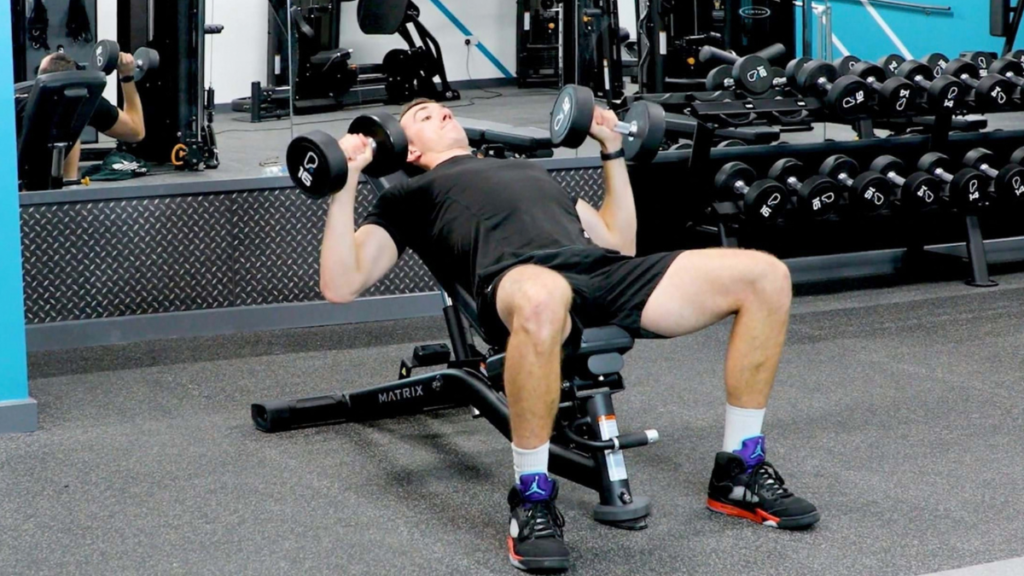
The incline dumbbell curl is an excellent beginner exercise once you can perform standing curls without excessive swinging. Sitting on an incline bench places the arms slightly behind the torso at the bottom of the movement. Since the biceps cross the shoulder joint, this position trains them at a longer muscle length than a standard standing curl.
Set an adjustable bench to a moderate incline and sit with your back supported. Let your arms hang naturally toward the floor with a dumbbell in each hand. Start with the palms facing forward or gradually rotate them upward as you curl, depending on what feels smooth and comfortable. Curl without allowing the elbows to drift far forward, then lower slowly until you feel a controlled stretch through the front of the upper arm.
This setup reduces the temptation to use momentum because the bench supports your torso. It also makes a light to moderate dumbbell feel challenging, which is useful for beginners who are still learning how to create tension with strict technique. Do not chase an extreme stretch or use a very steep bench angle. A comfortable range of motion that you can control is more useful than forcing the elbows into an uncomfortable position.
Research on resistance training suggests that exercises performed at longer muscle lengths can be especially productive for hypertrophy in some situations. The incline curl is a practical way to include this type of stimulus, although it should not be treated as magic. Progressive overload, enough hard sets, and consistent training remain more important than any single exercise variation.
How to Program the Incline Dumbbell Curl
Use two or three sets of eight to twelve repetitions once or twice per week. Start lighter than you think you need, because the bottom position can make this exercise surprisingly demanding. Keep one or two repetitions in reserve until you have practiced the movement for several weeks and feel fully comfortable with your elbow and shoulder positions.
A Simple Beginner Biceps Plan
You do not need to perform all three exercises in every workout. A simple two day weekly plan is enough for many beginners. On the first day, do standing dumbbell curls followed by hammer curls. On the second day, do incline dumbbell curls followed by hammer curls or standing dumbbell curls. This gives you direct biceps work twice per week while allowing recovery between sessions.
Over 30? 5 Barbell Exercises You Should Do to Protect Your Body Against Injury
A practical progression method is to choose a repetition range, such as eight to twelve repetitions. Keep the same weight until you can reach the upper end of that range on all sets with consistent technique. Then increase the weight slightly and begin again near the lower end of the range. This gradual approach is easier to sustain than changing the program every week.
Nutrition and recovery support your training. Adequate daily protein intake helps maximize resistance training adaptations, especially when total food intake supports your goal. Sleep also matters because it supports recovery, training performance, and the ability to stay consistent. These habits do not replace hard training, but they make hard training more effective.
Common Beginner Mistakes to Avoid
The most common error is using too much weight. Heavy dumbbells can make the exercise look impressive, but if the shoulders, lower back, and hips are doing most of the movement, the biceps receive less direct tension. Choose the heaviest load that allows you to control both the lift and the lowering phase.
Another mistake is rushing through repetitions. The biceps do not know how much weight is printed on the dumbbell, but they respond to the tension and effort created by the movement. Lowering with control helps maintain tension and gives you feedback about whether the load is appropriate. You do not need to count extremely slow tempos, but you should be able to lower the weight deliberately.
Finally, do not change exercises every session. Novelty can be enjoyable, but beginners benefit from repeating the same movements long enough to improve them. Give each exercise several weeks, record your loads and repetitions, and look for small improvements. Those small improvements accumulate into meaningful arm growth.
Key Takeaways
| Exercise | Main Benefit | Beginner Starting Point |
|---|---|---|
| Standing dumbbell curl | Directly trains the biceps brachii through elbow flexion and supination | Two to three sets of eight to fifteen repetitions, twice weekly |
| Hammer curl | Builds the brachialis and brachioradialis to support greater arm thickness | Two to three sets of ten to fifteen repetitions, once or twice weekly |
| Incline dumbbell curl | Trains the biceps in a longer muscle length position with less momentum | Two to three sets of eight to twelve repetitions, once or twice weekly |
| Overall approach | Consistent hard sets, gradual progression, protein, and recovery drive results | Begin with six to ten direct weekly biceps sets |
References
- American College of Sports Medicine (2009) ‘American College of Sports Medicine position stand: Progression models in resistance training for healthy adults’, Medicine & Science in Sports & Exercise, 41(3), pp. 687–708.
- Brad Schoenfeld, B.J., Grgic, J., Ogborn, D. and Krieger, J.W. (2017) ‘Strength and hypertrophy adaptations between low versus high load resistance training: A systematic review and meta analysis’, Journal of Strength and Conditioning Research, 31(12), pp. 3508–3523.
- Grgic, J., Schoenfeld, B.J., Orazem, J., Sabol, F., Smajić, I. and Pedisic, Z. (2022) ‘Effects of resistance training performed to repetition failure or non failure on muscular strength and hypertrophy: A systematic review and meta analysis’, Journal of Sport and Health Science, 11(2), pp. 202–211.
- Maeo, S., Yoshitake, Y., Takai, Y., Fukunaga, T. and Kanehisa, H. (2021) ‘Neuromuscular adaptations following low intensity blood flow restricted training and high intensity resistance training in young women’, Journal of Applied Physiology, 131(5), pp. 1575–1585.
- Morton, R.W., Murphy, K.T., McKellar, S.R., Schoch, R.D., Henselmans, M., Helms, E., Aragon, A.A., Devries, M.C., Banfield, L., Krieger, J.W. and Phillips, S.M. (2018) ‘A systematic review, meta analysis and meta regression of the effect of protein supplementation on resistance training induced gains in muscle mass and strength in healthy adults’, British Journal of Sports Medicine, 52(6), pp. 376–384.
- Schoenfeld, B.J., Ogborn, D. and Krieger, J.W. (2017) ‘Dose response relationship between weekly resistance training volume and increases in muscle mass: A systematic review and meta analysis’, Journal of Sports Sciences, 35(11), pp. 1073–1082.
- Sakamoto, A. and Sinclair, P.J. (2006) ‘Effect of movement velocity on the relationship between training load and the number of repetitions of bench press’, Journal of Strength and Conditioning Research, 20(3), pp. 523–527.
- Wolf, R.S., Kim, J.H., Luciano, R., Xu, C., Fink, M., Hameed, M. and D’Lima, D.D. (2023) ‘Resistance training at longer muscle lengths enhances muscle hypertrophy: A systematic review and meta analysis’, Sports Medicine, 53(10), pp. 1893–1913.